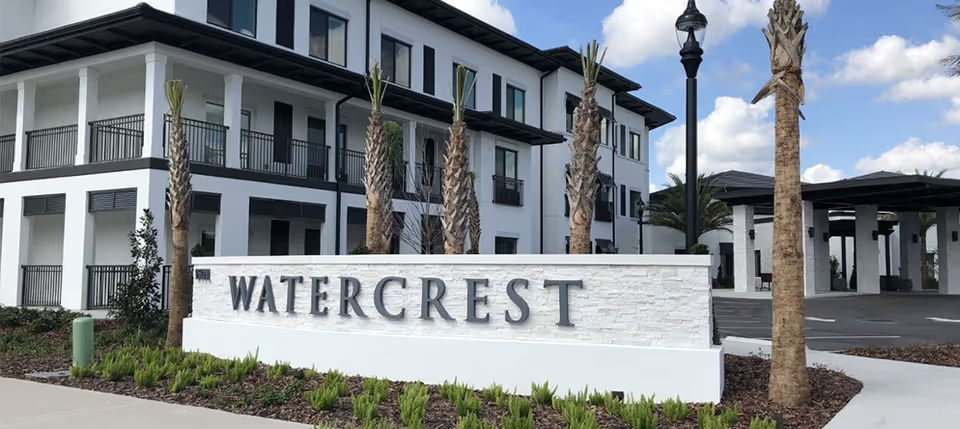
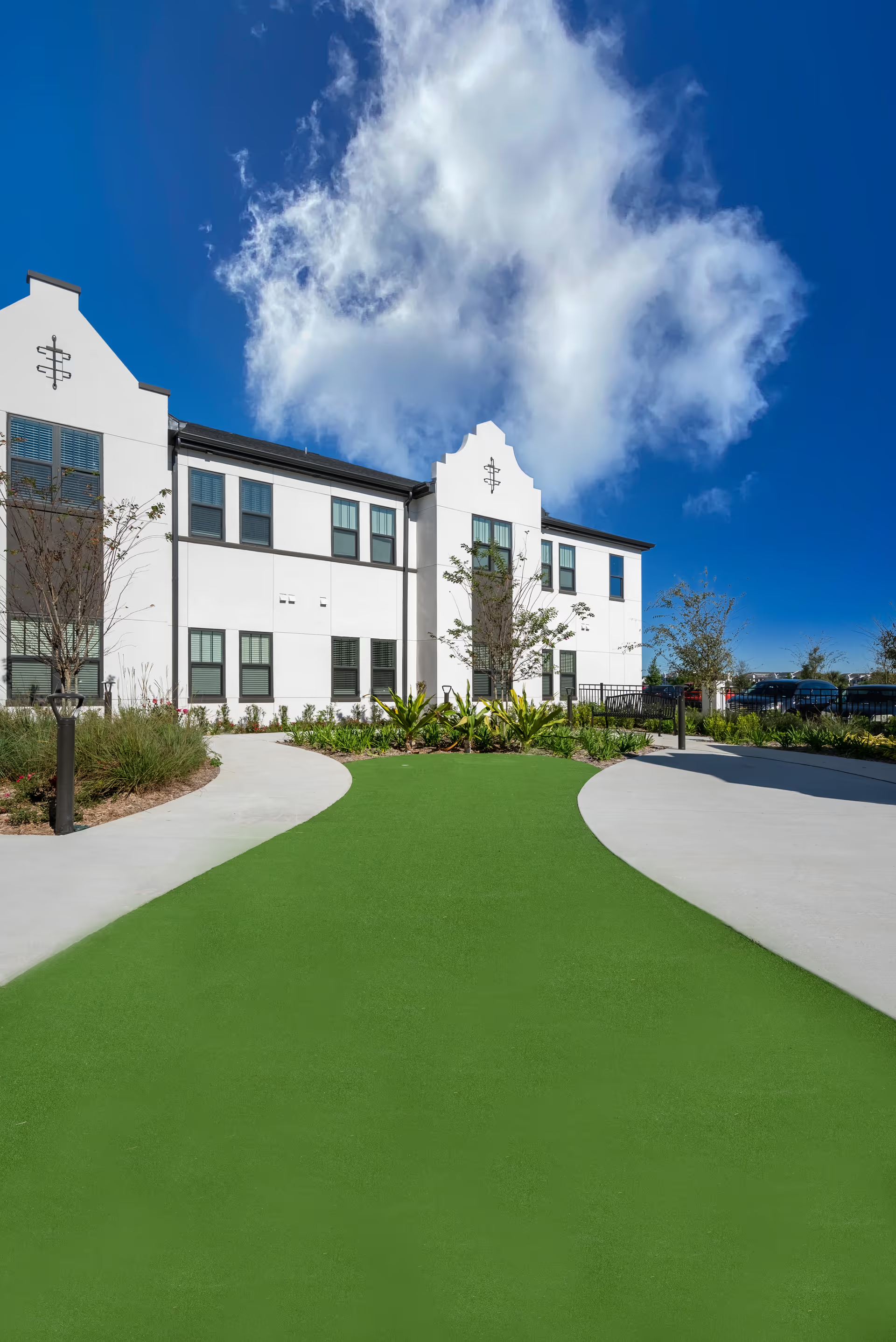
The reviews describe a community with a mix of clear strengths and recurring operational weaknesses. Strengths most consistently noted relate to individual staff members and move-in services: caregiving staff are often characterized as compassionate and helpful, maintenance teams are described as proactive about safety, and the community provides organized relocation assistance with design support and clear communication to families during move-in. Several reviewers praised specific personnel and the responsiveness of local staff when addressing practical problems like furniture placement and apartment setup. The property’s aesthetics and apartment comfort also receive positive mention from residents who are pleased with their living arrangements.
Care quality and clinical oversight appear mixed. Positive experiences emphasize attentive, respectful day-to-day care, while other accounts raise concerns about clinical coverage and emergency readiness — examples include changes to nursing availability and questions about medication-management practices. These accounts suggest inconsistent clinical oversight and gaps in emergency-coverage protocols rather than uniformly poor clinical care. Prospective families should clarify current clinical staffing models, on-call nursing arrangements, and emergency-response policies during tours.
Staff and resident interactions are similarly polarized. Multiple reviewers singled out individual staff members and administrators for praise, noting helpfulness and professionalism. At the same time, there are recurring mentions of inconsistent staff training, curt or unprofessional interactions, and conflicting information about services. These patterns point to variability in staff conduct and communication norms across shifts or departments. Families may want to inquire about staff training programs, supervisory structures, and how concerns about conduct are handled.
Dining and food-service issues are among the most frequently raised operational concerns. Reviewers describe inconsistent food quality, limited menu variety, overcooking, and periodic stock shortages that affect meal options. Cleanliness and sanitation concerns in dining and bistro areas are also noted. These themes indicate weaknesses in food-service management and supply-chain reliability; interested parties should request sample menus, sanitation logs, and details about how diet preferences and shortages are handled.
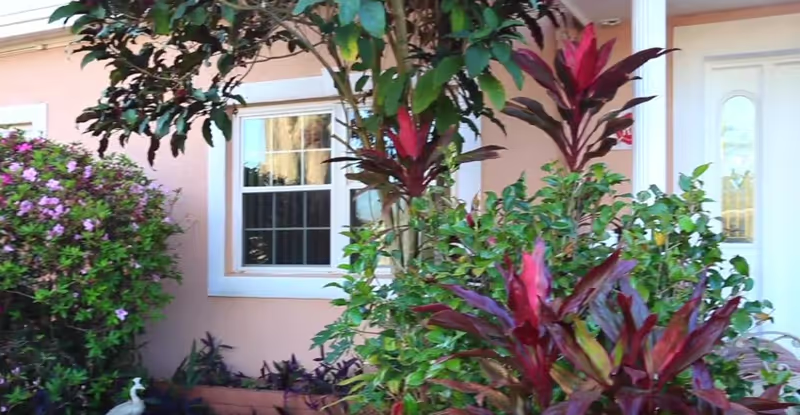
Facility operations and environment present a mix of positives and negatives. The community’s interior styling and apartment-level amenities receive favorable comments, and some residents report a warm, comfortable living environment. Conversely, there are recurring pest-control concerns, issues with in-building phone reception, and examples of room-assignment inconsistencies. Some reviews raise questions about how the facility handles roommate assignments, private-room promises, and end-of-life situations. Inspecting specific apartments, asking about pest-control schedules, and testing connectivity during a visit are practical steps for prospective residents.
Management and transparency are recurring areas of concern. Several reviewers describe slow or unresponsive follow-up from leadership, escalating fees alongside perceptions of service decline, and perceived limitations on feedback or online review moderation. Conversely, other residents find administrative personnel pleasant and responsive. The mixed reports suggest variability in managerial performance and differing experiences depending on the team members engaged. Prospective residents and families should obtain written copies of fee schedules, service inclusions, grievance procedures, and the community’s policy on resident feedback and online reviews.
Overall pattern: experiences range from satisfied and well-supported residents to those encountering operational shortcomings. The principal themes to verify during a visit are current clinical staffing and emergency protocols, food-service quality and sanitation practices, staff training and conduct policies, pest-control processes, communication and complaint-resolution mechanisms, and the contractual details around fees and room assignments. Asking for documentation and speaking with current residents and direct-care staff can help clarify whether the community’s strengths align with a prospective resident’s priorities.