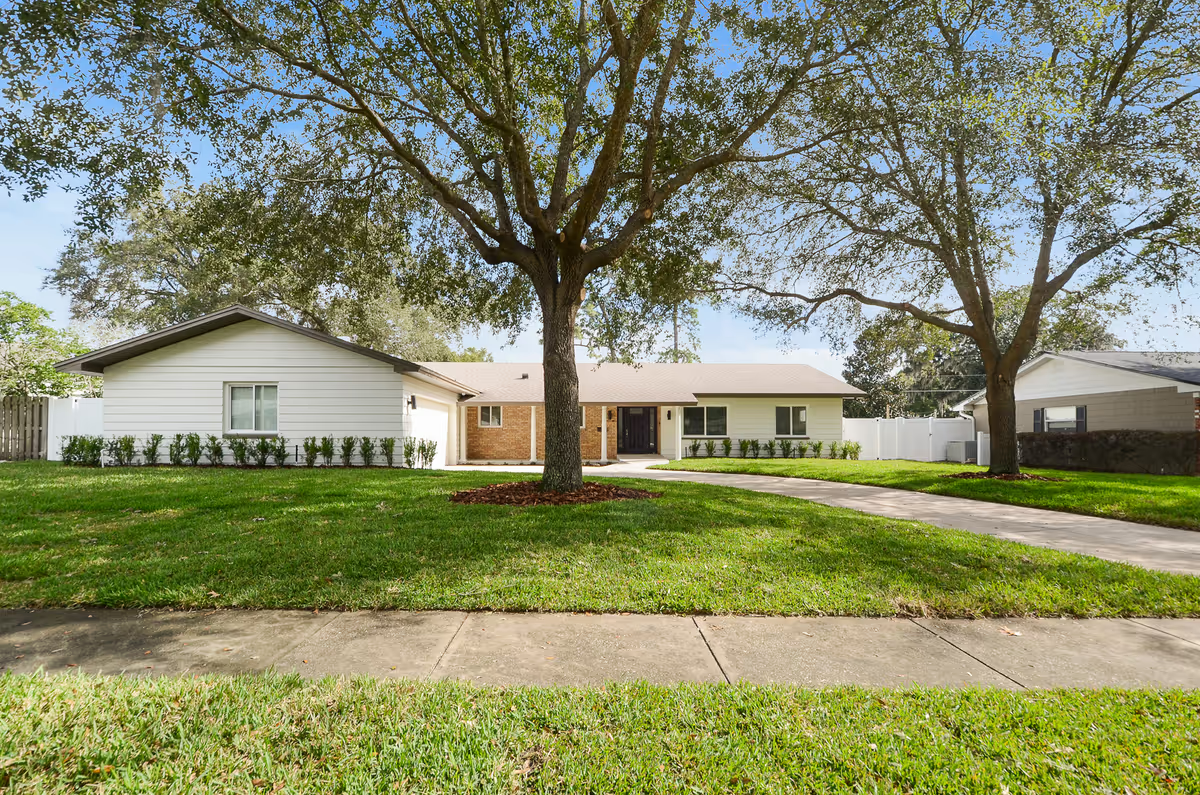
Westminster Towers is a large downtown Orlando community offering independent living, assisted living, rehabilitation, and health-center or skilled-nursing care. The overall picture is mixed by care setting. Residents and families in independent living frequently describe a welcoming, socially active home, while experiences in rehabilitation and the health center vary more widely. Positive accounts include attentive nursing, therapy, and family support; negative accounts raise concerns about consistency of daily care and communication. Prospective residents should assess the specific unit and care team relevant to their needs rather than relying on the community’s overall reputation alone.
Staff warmth and a strong sense of community are recurring strengths. Residents describe friendly interactions, help with settling in, and opportunities to build relationships. Families also praise staff who support care transitions and provide reassurance. However, some families describe difficulty reaching staff or management, delays in getting questions answered, and inconsistent follow-through. In rehabilitation and health-center accounts, concerns include slow responses to requests, personal-care delays, and inconsistent adherence to medication or wound-care schedules. Other families report attentive skilled nursing and effective therapy, so care experiences appear variable. A few accounts raise serious concerns about care preceding hospitalization or after a resident’s death, including wound progression and limited communication; these claims are not consistent with all accounts of care.
Dining is generally a highlight, with residents praising food quality, menu variety, service, and the café. Some visitors found meals satisfactory but unremarkable, and individual preferences differ. Independent-living meal plans and other services may involve additional charges: reviews describe fees for extra meals, laundry, housekeeping, and related services. Families should clarify what is included in the monthly cost and how optional services are billed.
Activities are a notable strength. Reviews describe full calendars of exercise classes, arts and crafts, lectures, religious services, performances, games, outings, and volunteer opportunities, with residents able to participate at their preferred level. Fitness facilities, therapy services, transportation, and social spaces support engagement. Some reviewers noted that activities may not suit every resident’s interests or abilities, and one account raised concerns about cancellations.
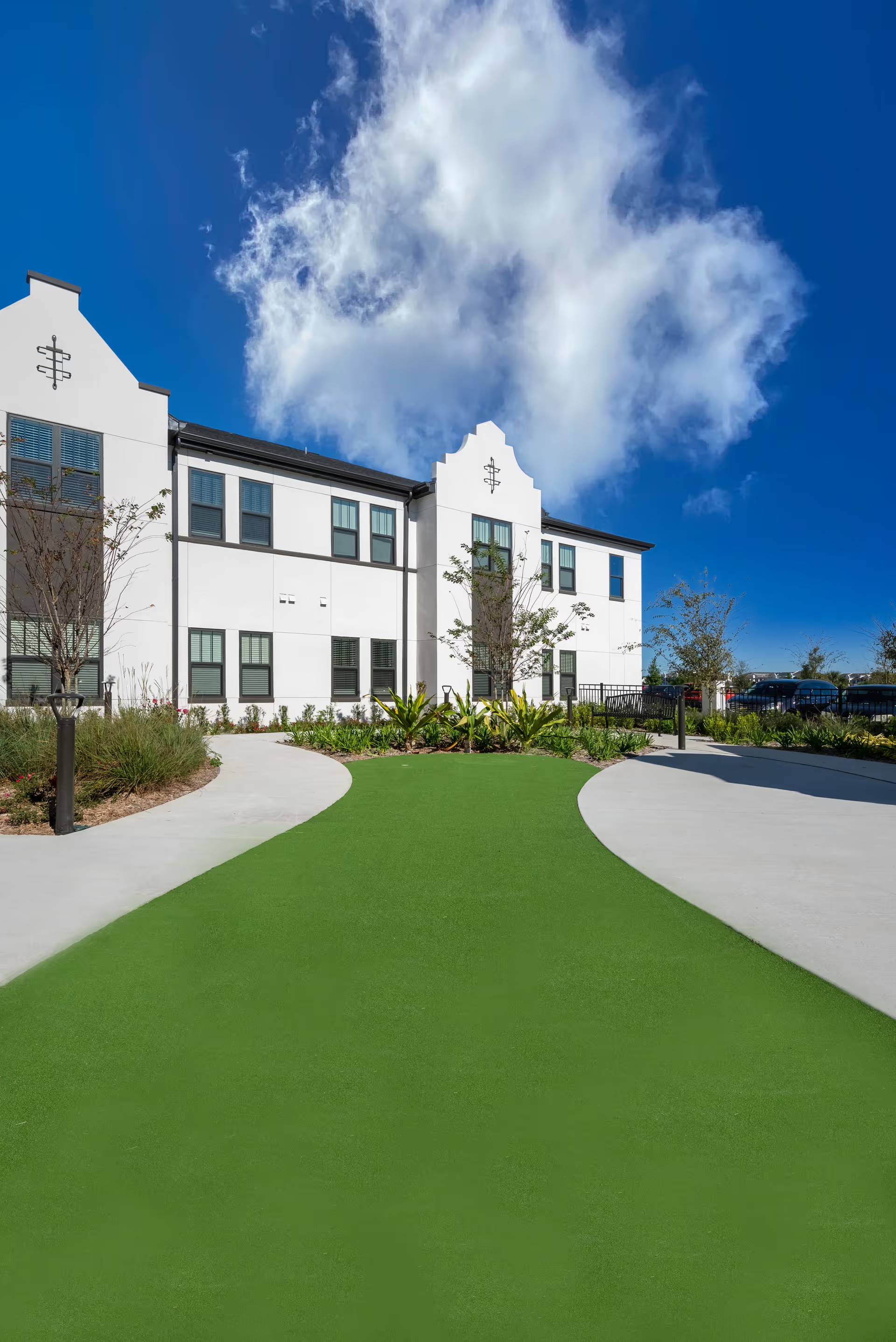
The building and shared spaces are often described as attractive, clean, and well maintained, with large windows, city or lake views, and amenities such as a pool, gym, salon, library, café, and putting green. Apartment size, updates, and features vary; some tours noted smaller assisted-living units, limited kitchenette options, or older finishes. The downtown setting is convenient for nearby services and cultural venues, though it may not suit people seeking a quieter or less urban environment. Reviews also mention maintenance delays, and some accounts describe cleanliness or odor concerns in care areas.
Management experiences are divided. Some families found staff knowledgeable and helpful during tours and transitions, while others describe difficulty getting responses, inconsistent procedures, and dissatisfaction with how complaints or move-out arrangements were handled. The strongest recurring concern is uneven coordination and responsiveness, particularly in care settings and family communication. A tour should include direct questions about staffing, response practices, care-plan updates, medication and wound-care routines, service fees, and how concerns are escalated.