The review set presents a highly polarized picture of Ormond Nursing and Rehabilitation Center. Positive comments consistently highlight compassionate frontline caregivers, several experienced nurses, and a therapy team that delivered meaningful rehabilitation outcomes for some residents. Multiple families praised individual staff members and named caregivers who provided attentive personal care, as well as an admissions/intake team and social services leadership that were helpful and communicative. Therapy services (physical and occupational) are frequently described as a facility strength when they are delivered as scheduled.
Counterbalancing those positives are recurring operational concerns. Many reviewers described delays in staff response to call buttons and slow bedside attention, which reviewers linked to safety events and unmet personal-care needs. Medication administration and documentation lapses, along with inconsistent clinical follow-through (for example, diagnostic testing or arranging outpatient imaging), were noted. Several comments pointed to weaknesses in transfer and fall-prevention practices and to problems getting basic medical supplies and equipment in a timely manner.
Dining and activities elicit mixed feedback. Some families described meals as restaurant-quality with good variety and accessible snacks, while others reported inconsistent food temperature, seasoning, and presentation. Activity and dining spaces were described as small and somewhat crowded in places, although specific programs and memory-oriented activities received positive mention. The therapy department generally received praise when services were consistent; conversely, reviewers noted short or infrequent therapy sessions in other cases.
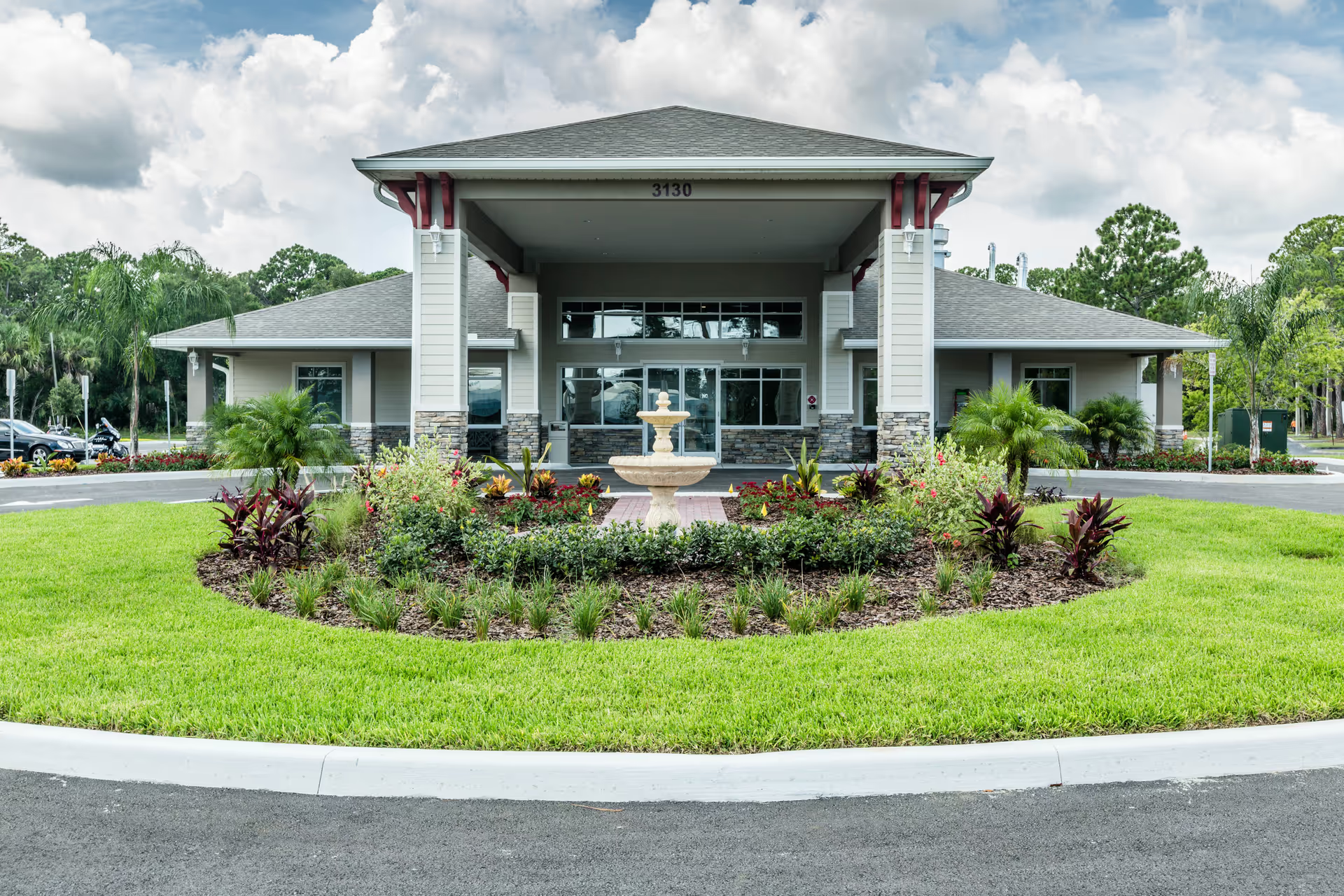
Facility condition and cleanliness were also variable across reviews. Positive accounts describe a clean, home-like atmosphere in portions of the building and attentive housekeeping when present. Other accounts point to visible wear and deferred maintenance (peeling paint, scuffed walls, exterior deterioration) and sanitation concerns in certain areas. The physical footprint is compact, which some families appreciated for a more residential feel but others saw as cramped for therapy and communal activities.
Management and communication emerged as a critical dividing line. Several reviewers commended specific leaders (including a visible Rehab Director and certain administrators) and praised coordinated discharge planning when it occurred. However, a substantial set of reviews described limited management visibility, delayed or inconsistent family communication, phone-system failures, and difficulties reaching leadership or the director of nursing during urgent situations. A few reviews include allegations of serious misconduct and significant clinical-safety incidents; these represent severe concerns that warrant direct inquiry and verification with regulatory or oversight resources.
Practical takeaway for prospective residents and families: experiences at this facility appear mixed, with strong, compassionate direct-care and therapy staff cited regularly but with recurring operational weaknesses in responsiveness, medication processes, communication, and facility upkeep. Visitors should arrange an in-person tour, ask about current staffing levels, emergency-call system performance, medication-safety protocols, recent inspection history, and the therapy schedule. Confirm discharge and equipment-provision procedures in writing and, if possible, speak with current family contacts or the ombudsman for up-to-date context before making a placement decision.