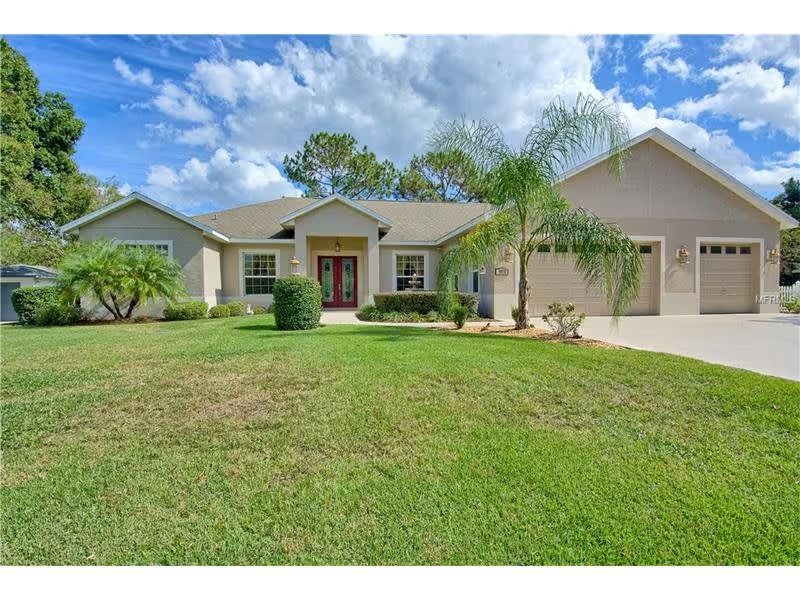
A Banyan Residence is frequently praised for its warm atmosphere, attractive design, and attentive staff. Families describe caregivers as patient, kind, and familiar with residents, and several value accessible managers who help with care planning and transitions. Some families report positive changes in residents’ engagement, alertness, mobility, or comfort after moving in. However, experiences are not uniform: other accounts raise concerns about staffing coverage and turnover, the consistency of daily personal care, medication administration, and how promptly families are informed about care or safety issues. These differences make it important for families to ask how the community assesses changing needs, monitors care delivery, and communicates after an incident.
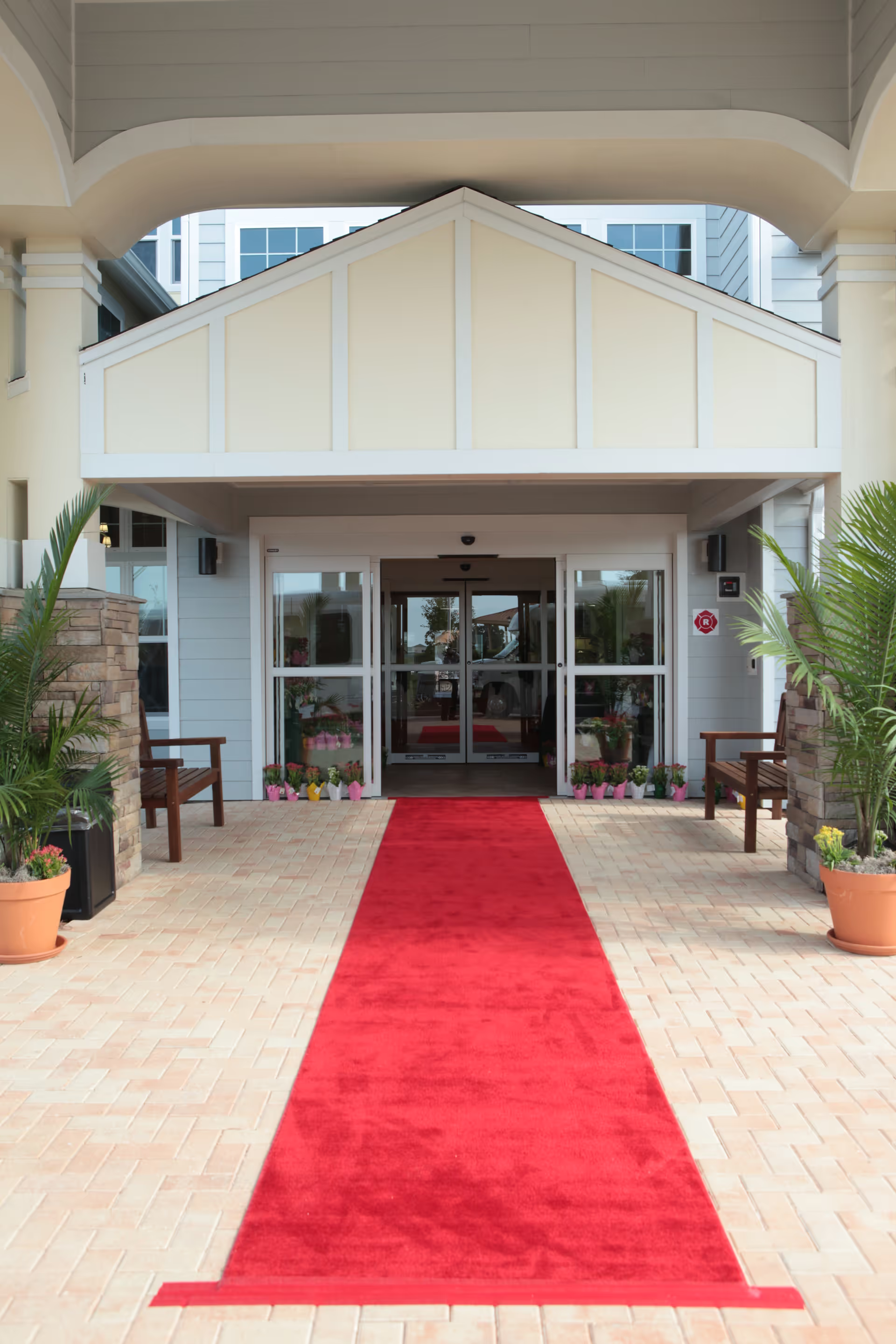
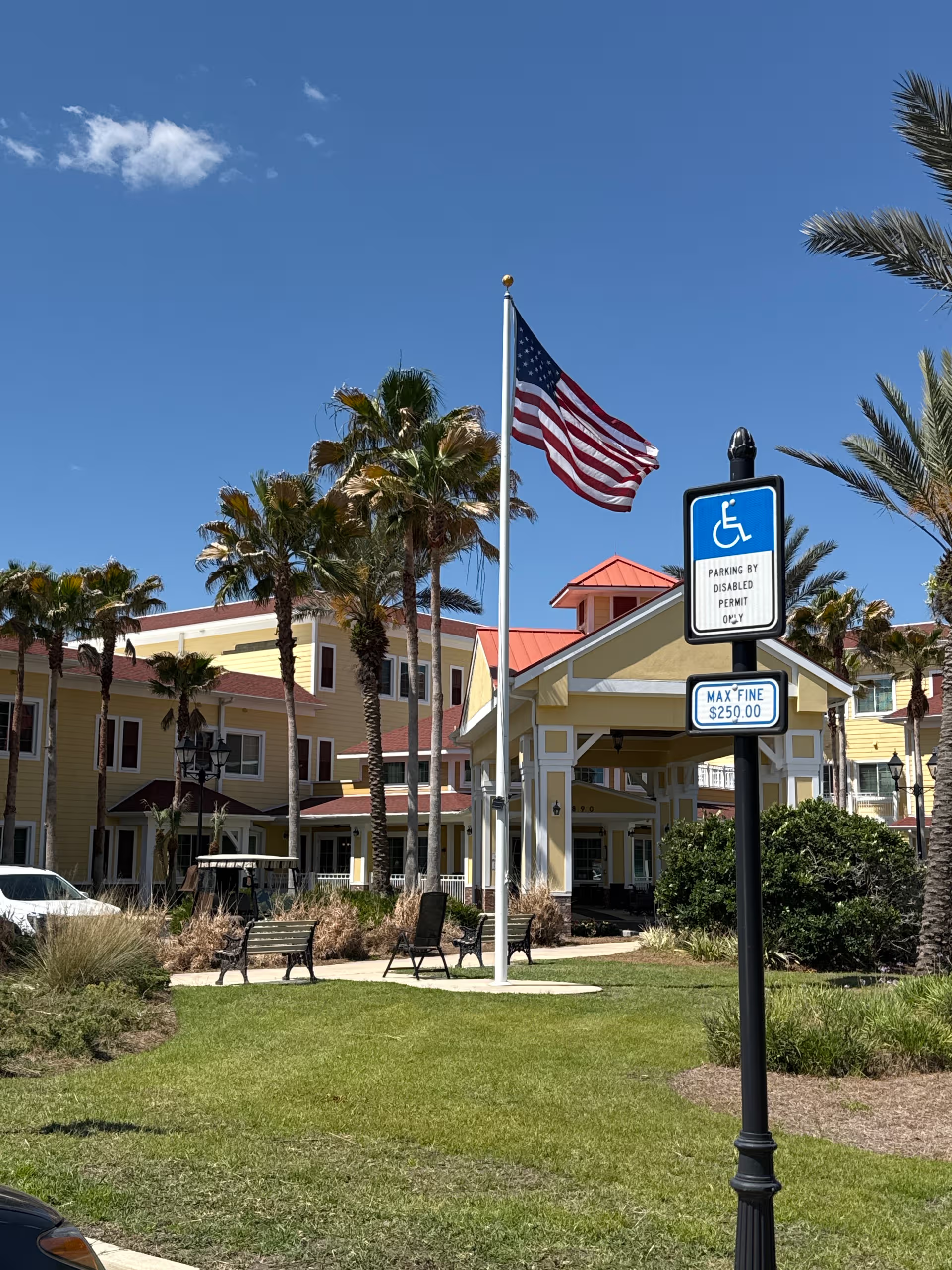
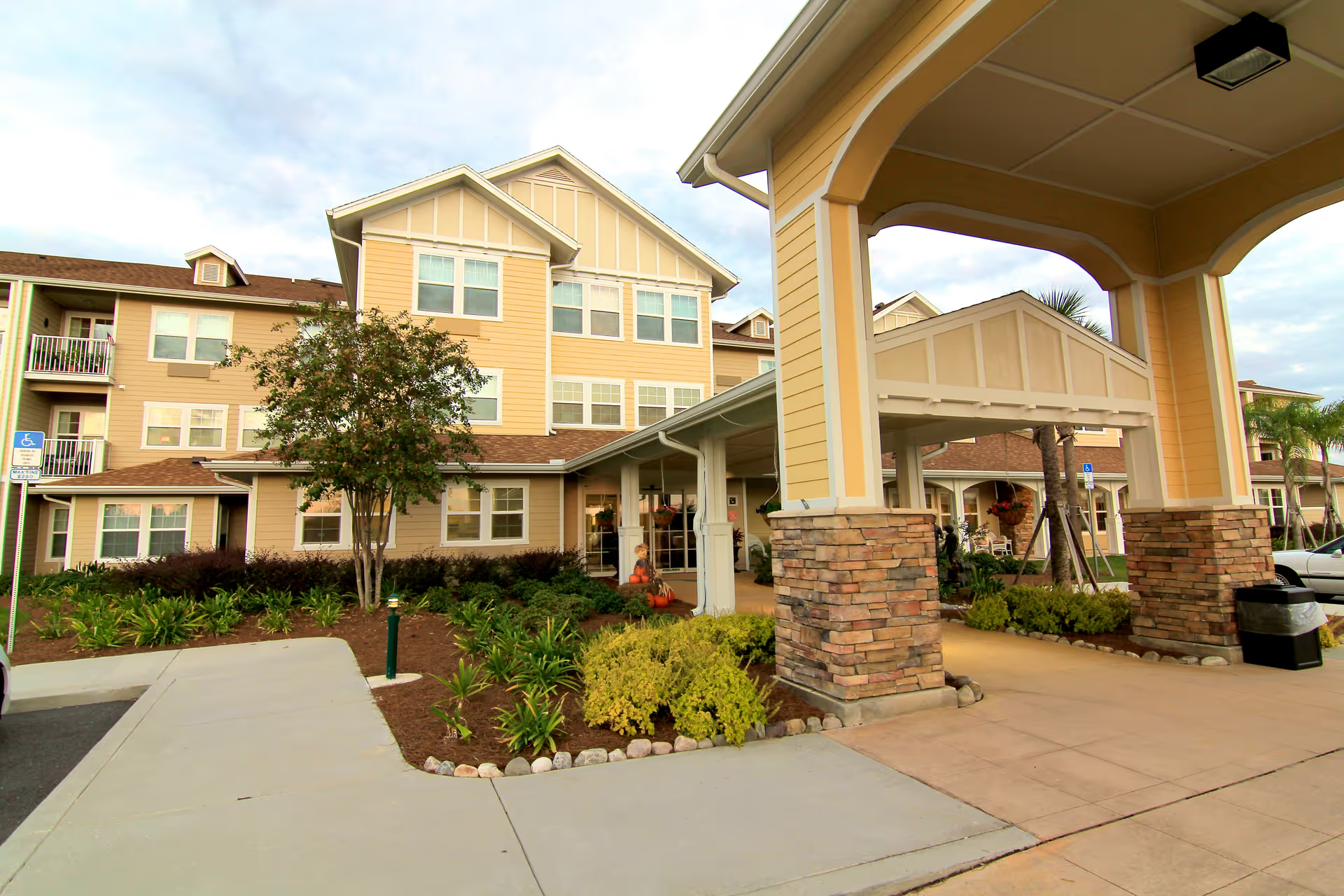
The grounds and layout are among the community’s most distinctive features. Reviewers often describe landscaped courtyards, gardens, koi ponds, and secure outdoor areas that let residents spend time outside. The single-story, cottage-style design is appealing to families who value outdoor access and a less institutional setting. At the same time, some apartments are described as small, with shared bathroom areas and limited privacy between sleeping spaces. Residents may need to walk outdoors to reach dining or activity areas, which may not suit everyone, particularly those with mobility limitations or a preference for an enclosed indoor layout.
Activities are a consistent strength in many accounts. Families mention crafts, music, movies, exercise, social events, holiday celebrations, and regular outings, with staff often participating alongside residents. The schedule appears to support social connection and engagement, including for people with memory loss. One family, however, wanted more individualized opportunities for rest between activities, and another expressed dissatisfaction with activity staffing and preparation. Prospective residents may want to review a current calendar and ask how activities are adapted to individual energy, mobility, and cognitive needs.
Dining feedback is mixed. Many families praise meals as tasty, fresh, or well planned, and mention options for dietary needs and special preferences. Others describe repetitive or unappealing meals and delays in service. Reviews also differ on value: some consider the fees reasonable, while others report substantial increases, upfront costs, or difficulty resolving billing questions. Families should request a clear written breakdown of base rates, added services, deposits, and discharge charges, and ask how billing questions are handled.
The overall pattern is of a visually appealing community with a strong activity program and many positive accounts of staff warmth and family communication, alongside meaningful concerns about consistency in care delivery and administrative follow-through. A few families describe serious gaps in personal care, medication routines, or fall-related communication; these accounts contrast with families who feel their loved ones are safe and well supported. Before choosing the residence, families may wish to discuss staffing and supervision, care-plan monitoring, medication procedures, incident notification, service-provider responsibilities, and how the community responds when a resident’s needs change.