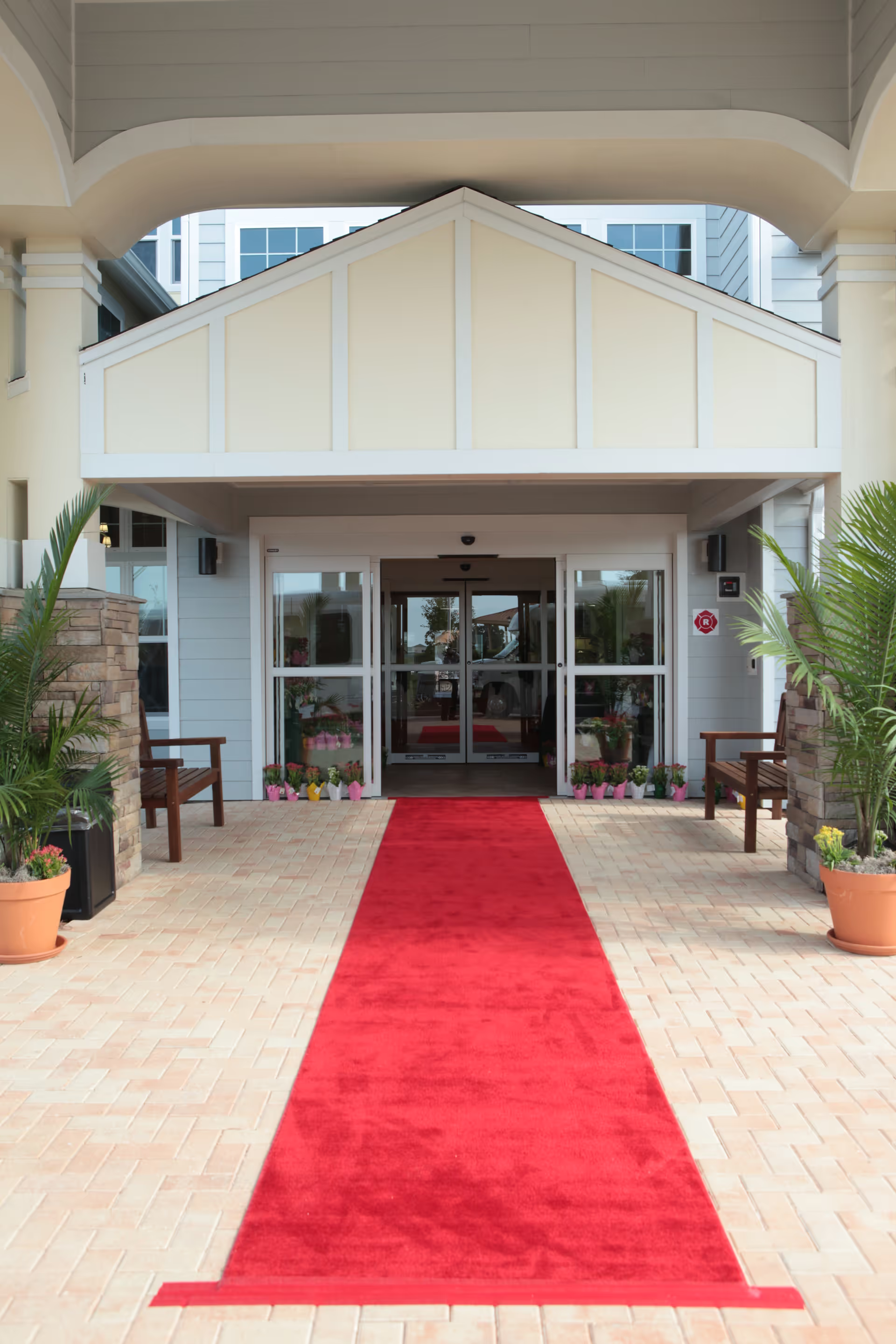
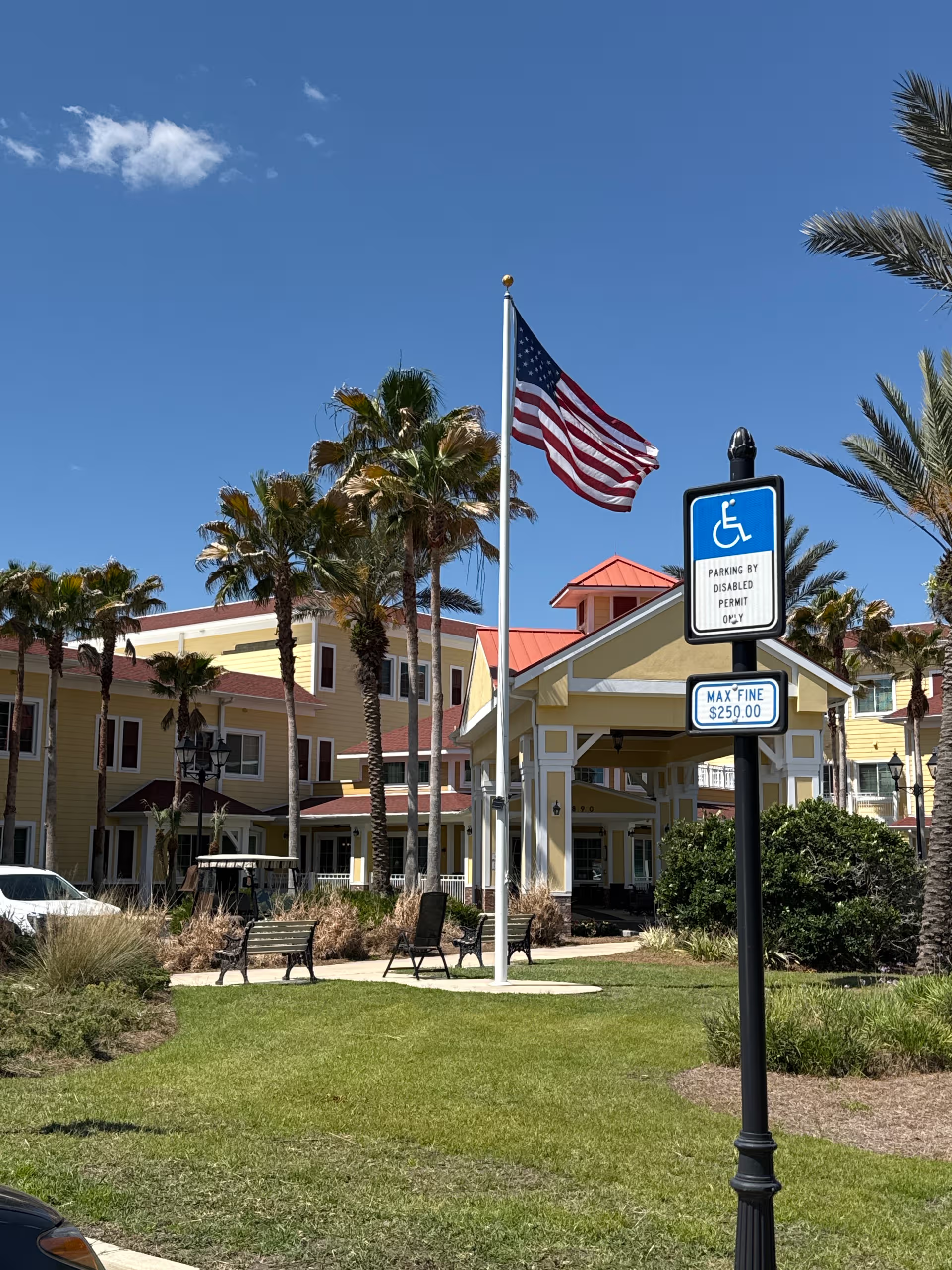
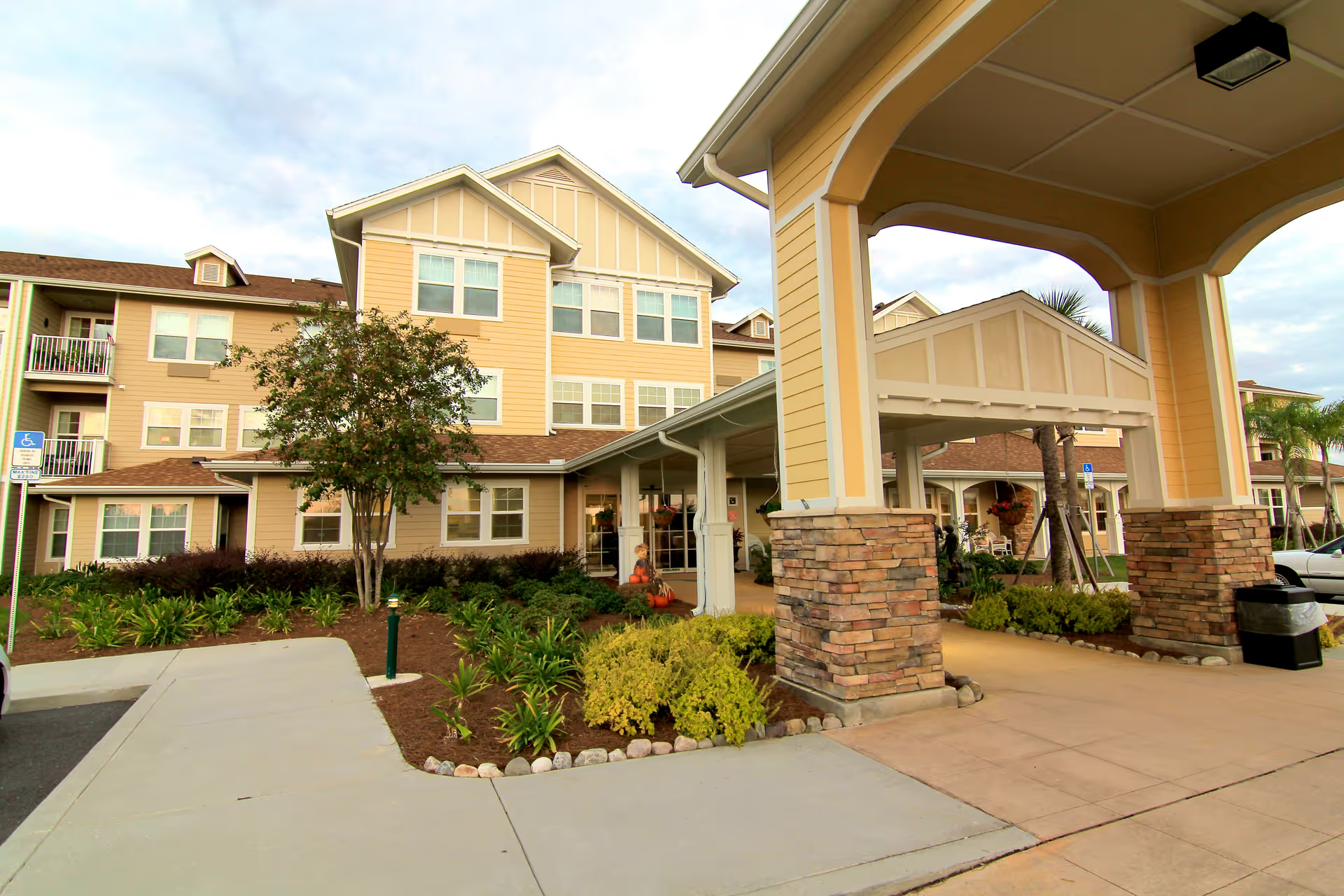
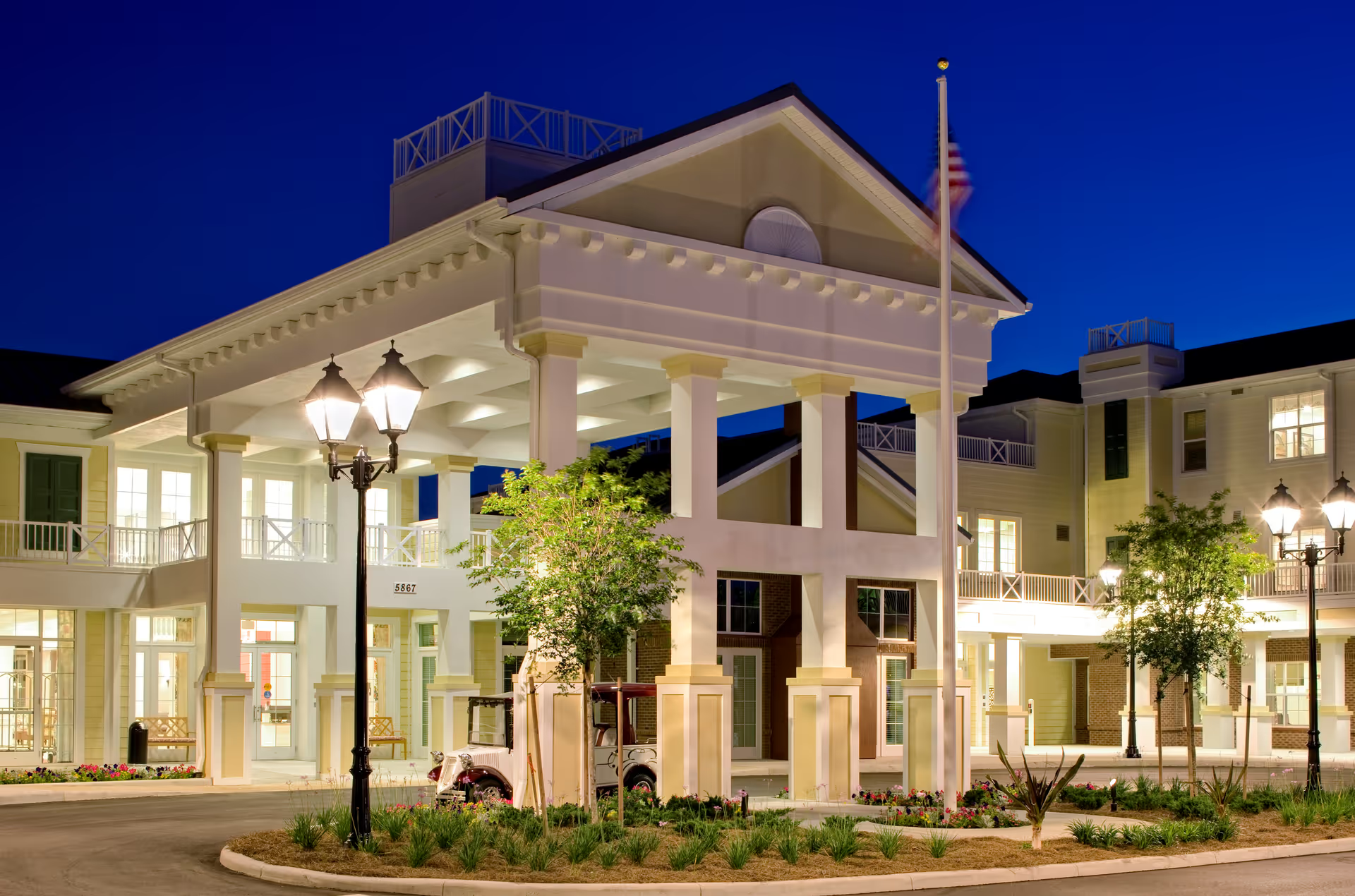
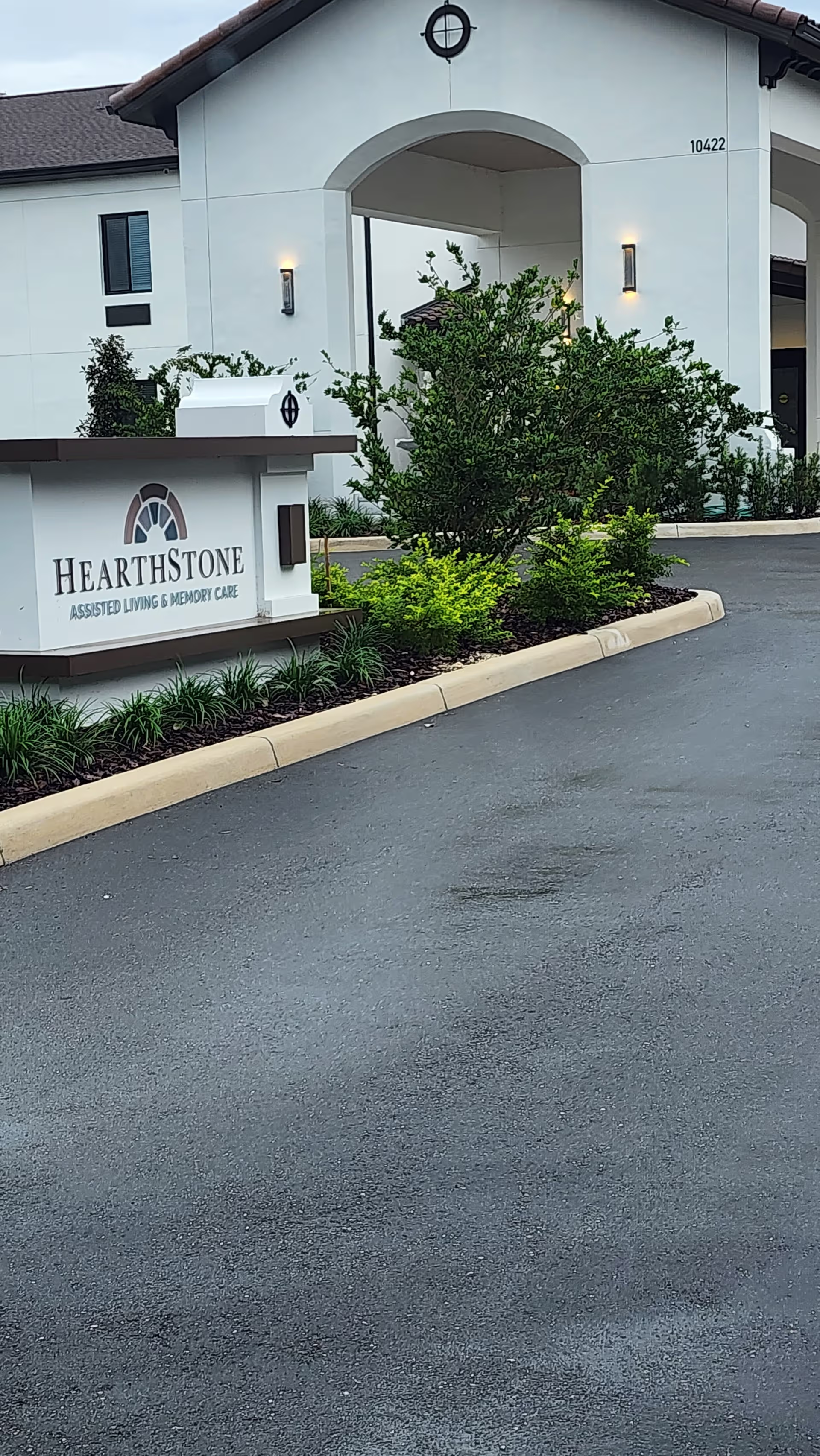
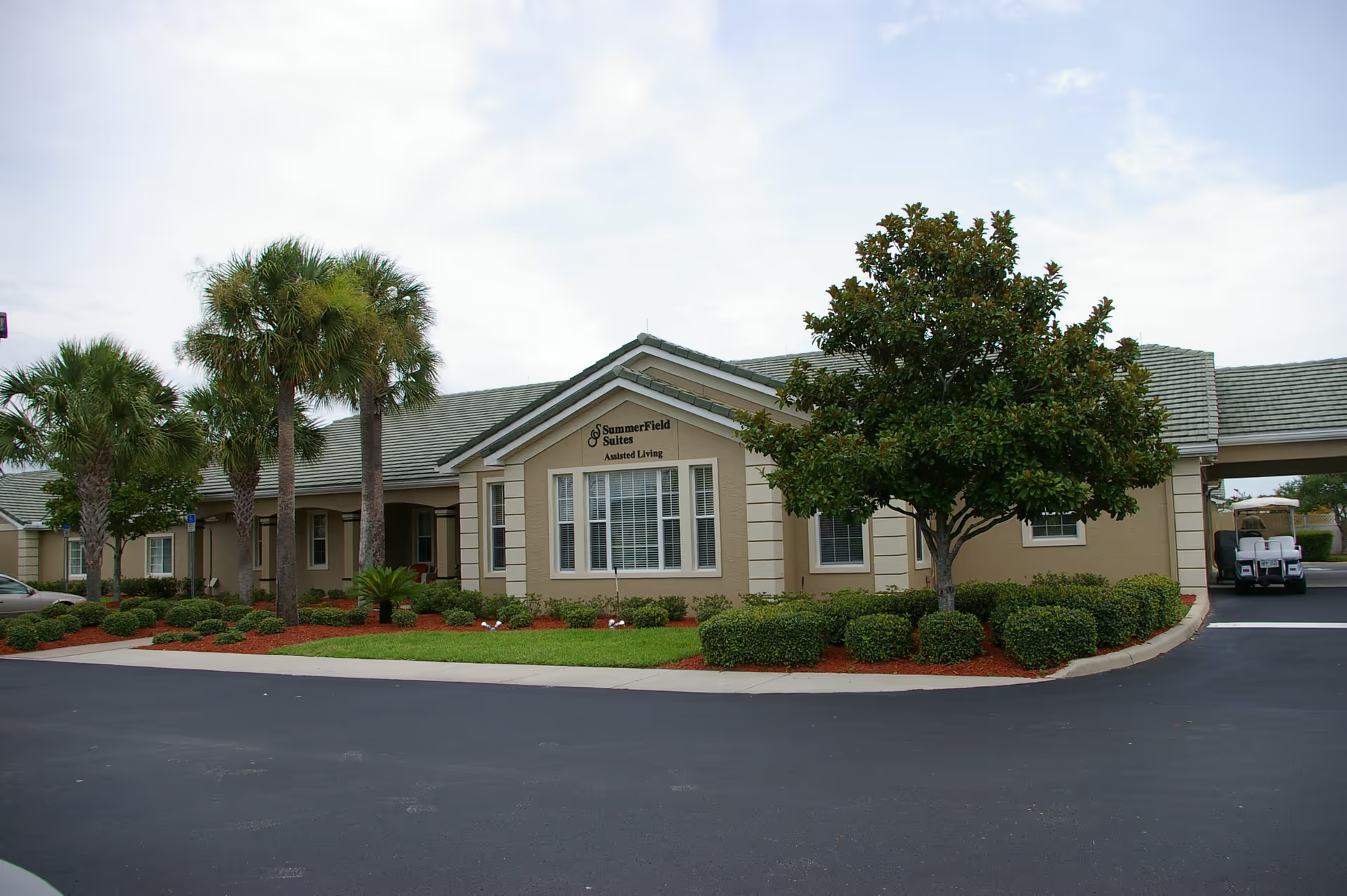
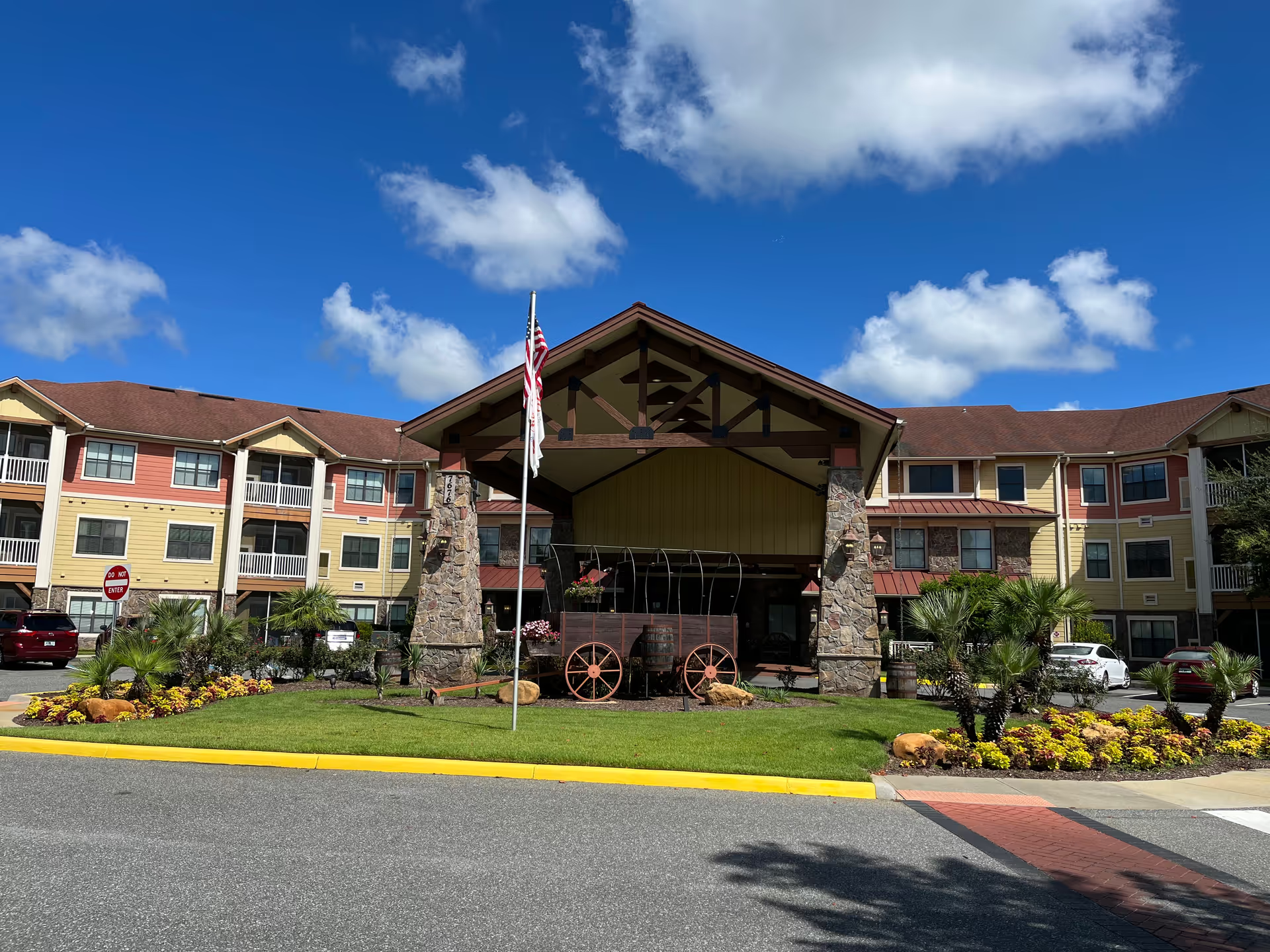
The Willows presents as a modern, well-appointed senior living community with many built-in conveniences. Physical spaces are frequently described as bright, hotel-like, and newly constructed, with multiple activity rooms, a theater, rehab and exercise spaces, salon services, and transportation for outings. Apartment layouts range from studios to larger one-bedroom units with accessible bathrooms and some kitchenettes; common areas and landscaping generally receive positive comments. Memory care is located within the same building behind secured access, which many families find convenient.
Dining and amenities are clear selling points for many visitors: restaurant-style dining with flexible meal options, in-room service, and an attentive chef are commonly praised. The community also offers on-site clinical supports such as physician visits, cardiology access, blood draws, and an in-house pharmacy in some accounts, which is attractive for residents needing ongoing medical oversight. Activities programming is broad on paper — including music, movies, games, social outings, and exercise — and several reviewers describe meaningful social engagement and friendly staff–resident interaction.
At the same time, a consistent pattern of operational variability emerges. Staffing levels and coverage appear uneven; families frequently describe slower response times, particularly on nights and weekends, and variability in how attentive front-line staff can be. This inconsistency extends to clinical processes: reviewers raised concerns about missed or incorrect medication administration and a lack of timely clinical follow-up. Relatedly, some families experienced lapses in personal-care delivery (for example, irregular bathing schedules and gaps in oral or continence assistance) and housekeeping or laundry oversights. A subset of reviewers linked these operational gaps to subsequent clinical escalations and hospital transfers.
Program execution and management communication are additional areas of concern. Multiple accounts note that posted activity calendars or amenity listings were not consistently implemented, and that management follow-up — including responsiveness from administrators and executive leadership — could be slow or limited. Several families also reported unclear billing statements, community fees assessed at move‑in, and difficulties obtaining prompt explanations for charges. Safety and procedure gaps were mentioned occasionally as well, such as limited clarity about evacuation guidance during drills and questions about on‑site overnight clinical coverage for higher-acuity needs.
Overall impressions are mixed: many families emphasize caring, personable staff, strong initial impressions during tours, and high-quality spaces and dining; others advise caution because of variability in day-to-day care, staffing stability, housekeeping reliability, and management responsiveness. Prospective residents and families should weigh the facility’s attractive amenities and clinical conveniences against the documented operational inconsistencies. Recommended due diligence includes targeted questions about current staffing ratios (including weekend/overnight coverage), medication‑management protocols, housekeeping and laundry procedures, billing and fee transparency, and how the community ensures activity programming is actually delivered as scheduled.