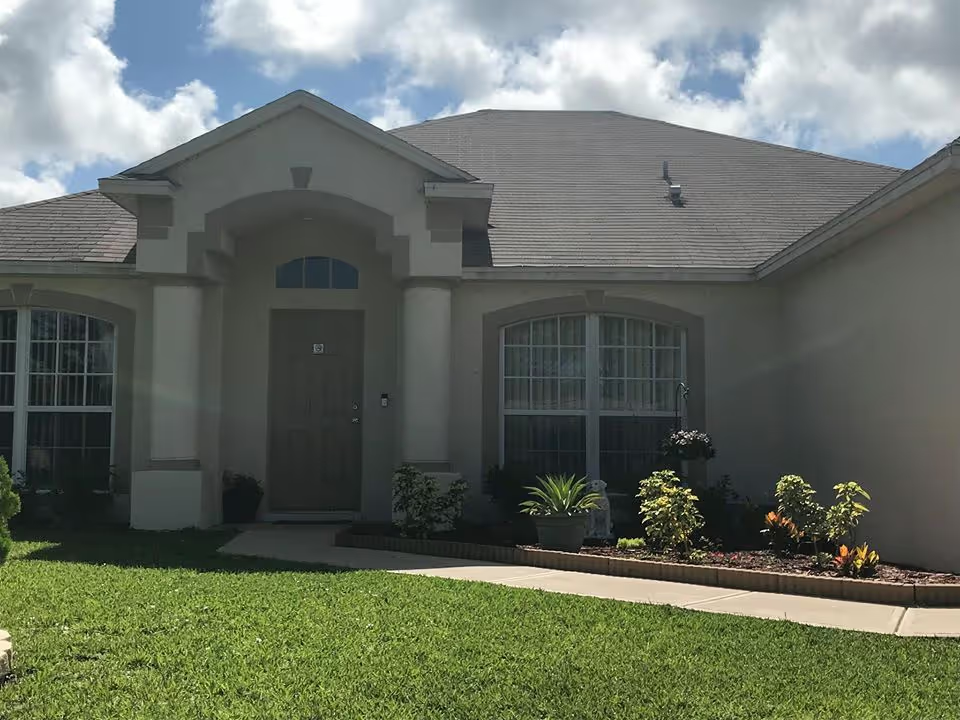
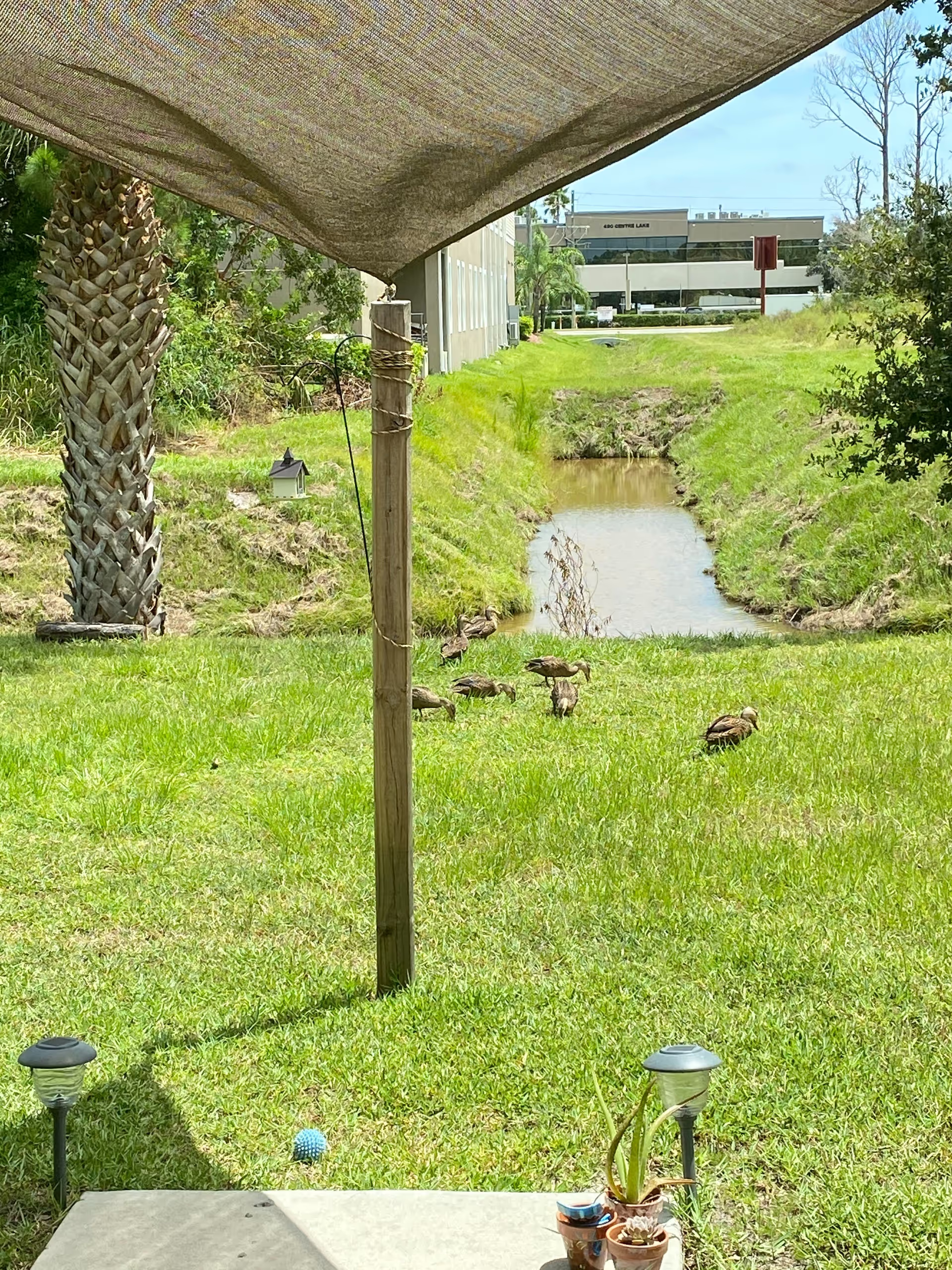
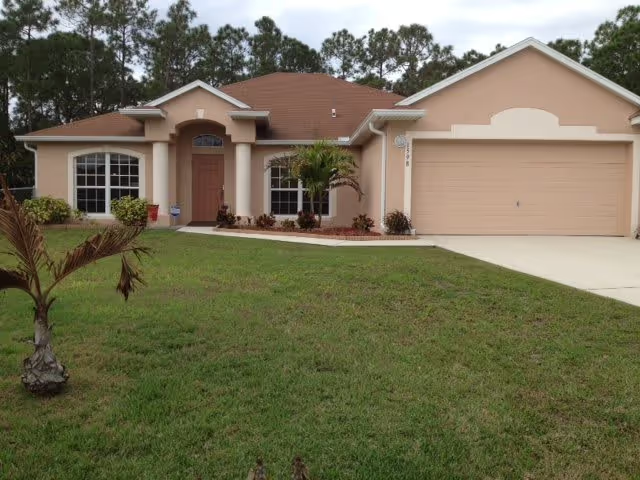
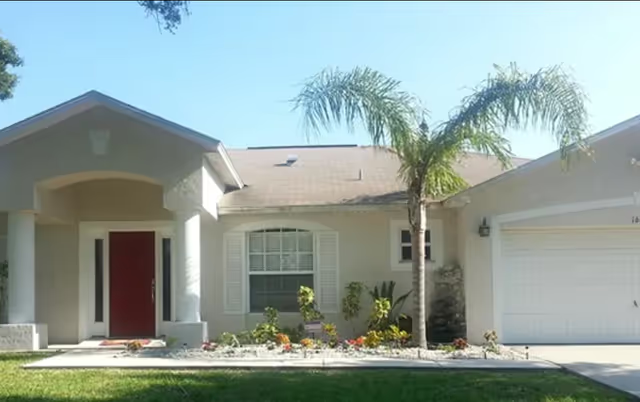
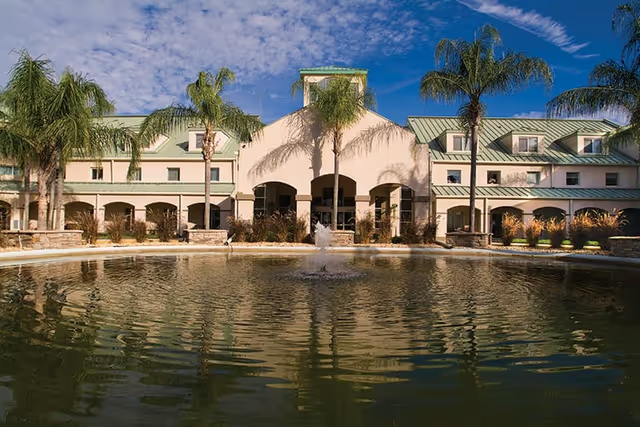
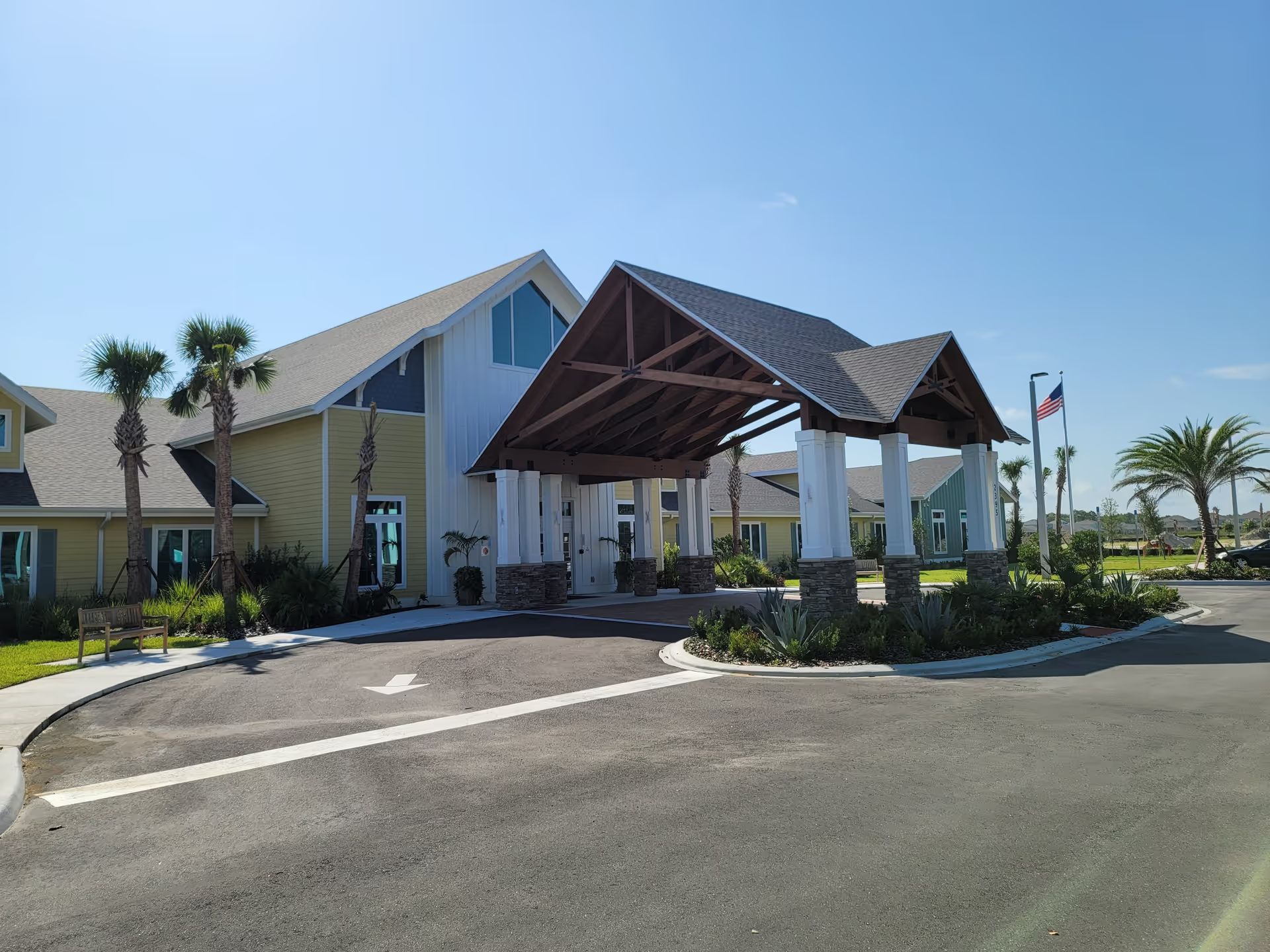
Overall impression: Palm Bay Memory Care is frequently described as a clean, newly built memory-care community with well-maintained grounds and a strong emphasis on activities and family communication. Many families praise the facility’s landscaping, courtyard and walking areas, and note that staff often document resident participation and share photos with families. The community’s memory-care focus, secure tracking and entry systems, and an on-site chef who solicits meal feedback are recurring strengths.
Care quality and clinical oversight: Reviews describe a mixture of strong personal caregiving and notable clinical oversight gaps. Caregiving staff—nurses, aides, and dining staff—are often characterized as compassionate, engaged, and attentive, and several accounts describe individualized 1:1 attention. At the same time, a consistent theme is understaffing and concerns about medication management and clinical escalation. Several reviewers indicated the facility operates with limited licensed-nurse coverage (no on-site RN) and that this can contribute to delays or inconsistencies in medication review and in responding to emerging clinical symptoms.
Staff and culture: Many families highlight supportive, friendly, and family-oriented interactions with admissions, front-office personnel, nurses, and activities staff. Individual staff members (named in some accounts) receive strong praise for communication and follow-up. However, reviewers also describe variability in staff engagement and warmth, occasional cliquishness, and inconsistent responsiveness—particularly during shift changes or overnight. Management turnover and the presence of new leadership were repeatedly mentioned; some families felt this has interrupted continuity and contributed to variability in operations.
Dining and activities: Dining is generally viewed positively: the chef’s attention to diet accommodations and resident feedback, varied menus, and on-site meal preparation are cited as strengths. Taste preferences vary, so satisfaction with specific menu items is not uniform. Activities programming is a clear asset—families commonly note multiple daily activities, outings, and on-site events that support engagement for people with dementia.
Facilities and safety: The building and common areas are described as clean, homelike in decor, and well maintained. Physical layout features—enclosed courtyards, wrap-around hallways, and secure access—are appropriate for memory care. Nevertheless, reviewers also flagged operational safety concerns tied to supervision (falls, attempts to leave secure areas) and occasional confusing access procedures for families and guests. Room size and privacy are a recurring practical issue: some rooms are described as dorm-sized with limited privacy or room-configuration features that families found suboptimal.
Management and patterns to watch: Positive accounts of seamless move-ins and helpful transition assistance coexist with concerns about leadership stability and perceived pressure related to placement or transfer decisions. Cost structure is another consistent theme: mandatory 24/7 one-on-one care and added facility fees make the community relatively expensive and may be a barrier for some families.
Bottom line: Palm Bay Memory Care presents clear strengths for families seeking a memory-specific, activity-rich, and well-maintained environment with strong front-office and dining support. Prospective residents and families should balance these strengths against recurring operational issues—principally staffing levels, licensed-nurse coverage, medication-management practices, room size/privacy, and variable responsiveness. During a tour and follow-up conversations, families may want to ask specifically about current staffing ratios, licensed-nurse availability and medication protocols, recent leadership changes and retention efforts, visitation/access procedures, and the fee structure tied to 24/7 care.