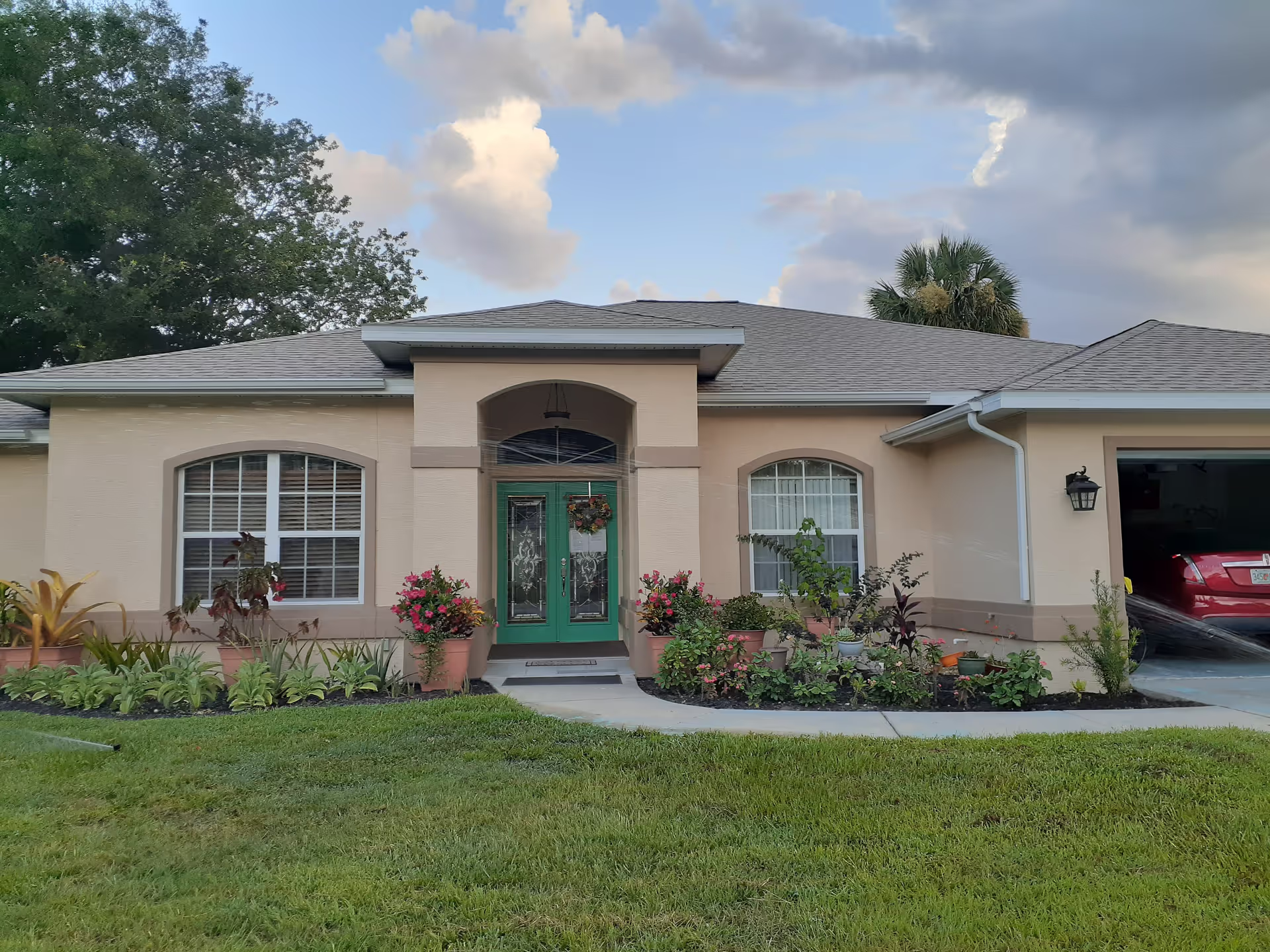
Overall impression: The reviews paint Therapeutic Assisted Living as a small, residential-style memory-care/assisted-living option with a strong emphasis on personalized attention, caregiving consistency, and a family-like atmosphere. Reviewers consistently emphasize a warm, home-like setting with a low resident census that enables frequent one-on-one interaction and close oversight by staff and owners.
Care and staff: Quality of care is the dominant positive theme. Families describe attentive, compassionate caregivers and hands-on leadership; an on-site licensed nurse and an engaged administrator are noted by name in several comments. Staff are characterized as organized, respectful, and responsive to family concerns, with frequent communication that provides families with peace of mind. Reviewers also highlight assistance with mobility (walker support and safe transfers), grooming and hygiene maintenance, and availability of 24/7 attention.
Dining and nutrition: Dining is a prominent strength. Meals are described as home-cooked, prepared with nutritional guidance, and adapted for ease of eating when needed. Family-style dining and personalized meal preparation are repeatedly mentioned, and reviewers link the dining program to improvements such as weight gain and general satisfaction with food quality.
Activities and social life: The atmosphere is described as familial and emotionally supportive, with bonds forming between residents and staff. However, there is limited discussion of structured activity programming or organized social/therapeutic activities beyond family-style engagement and personalized interactions. Prospective families should ask about formal activity schedules if that is important to the resident.
Facilities and operations: Multiple comments describe the home as exceptionally clean, comfortable, and well-maintained. The small-house design contributes to a quiet, peaceful environment and easier oversight. Operational strengths noted include organized management, dependable medication protocols, and prioritized safety during transfers.
Management and notable patterns: Management communication and owner involvement are repeatedly cited as strengths; families describe clear, regular updates and an approachable administration. A few operational caveats emerge: the small-house model limits overall capacity, which can affect availability and may make the setting less suitable for residents who require high-acuity medical services. One reviewer referenced being billed for a treatment that was not received, which suggests potential gaps in billing/charge reconciliation processes and is worth verifying during intake. A separate theme is the potential for social isolation in smaller or private apartments — the facility’s size that enables individualized care may also reduce opportunities for larger-group social interaction.
Recommendation considerations: For families seeking a clean, intimate, and highly personal care environment with strong staff continuity and nutrition-focused meal service, this facility aligns well with those priorities. Prospective families should assess fit for residents who need more intensive medical care, inquire about formal activity programming, and review billing and invoicing procedures during move-in to address any reconciliation concerns.