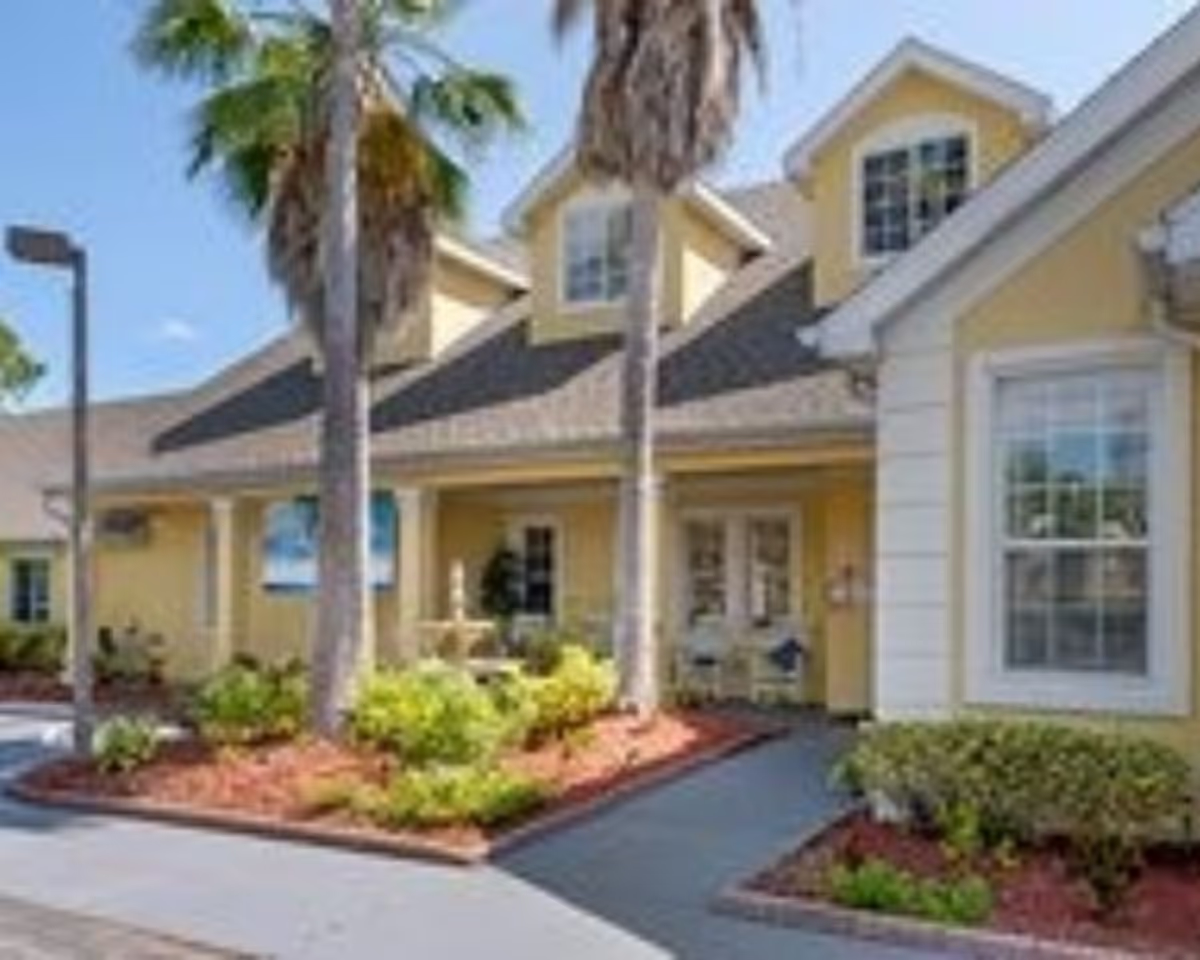
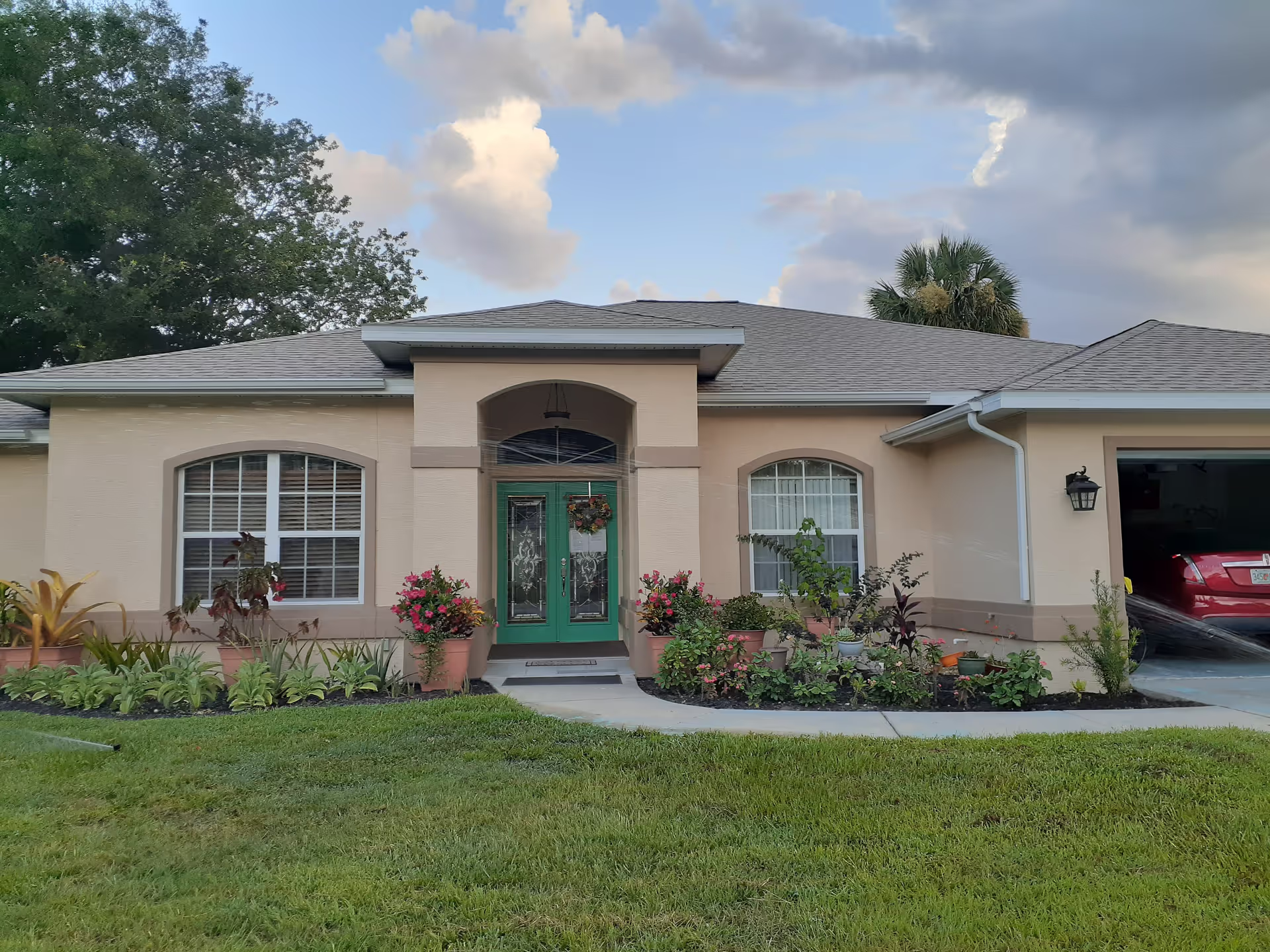
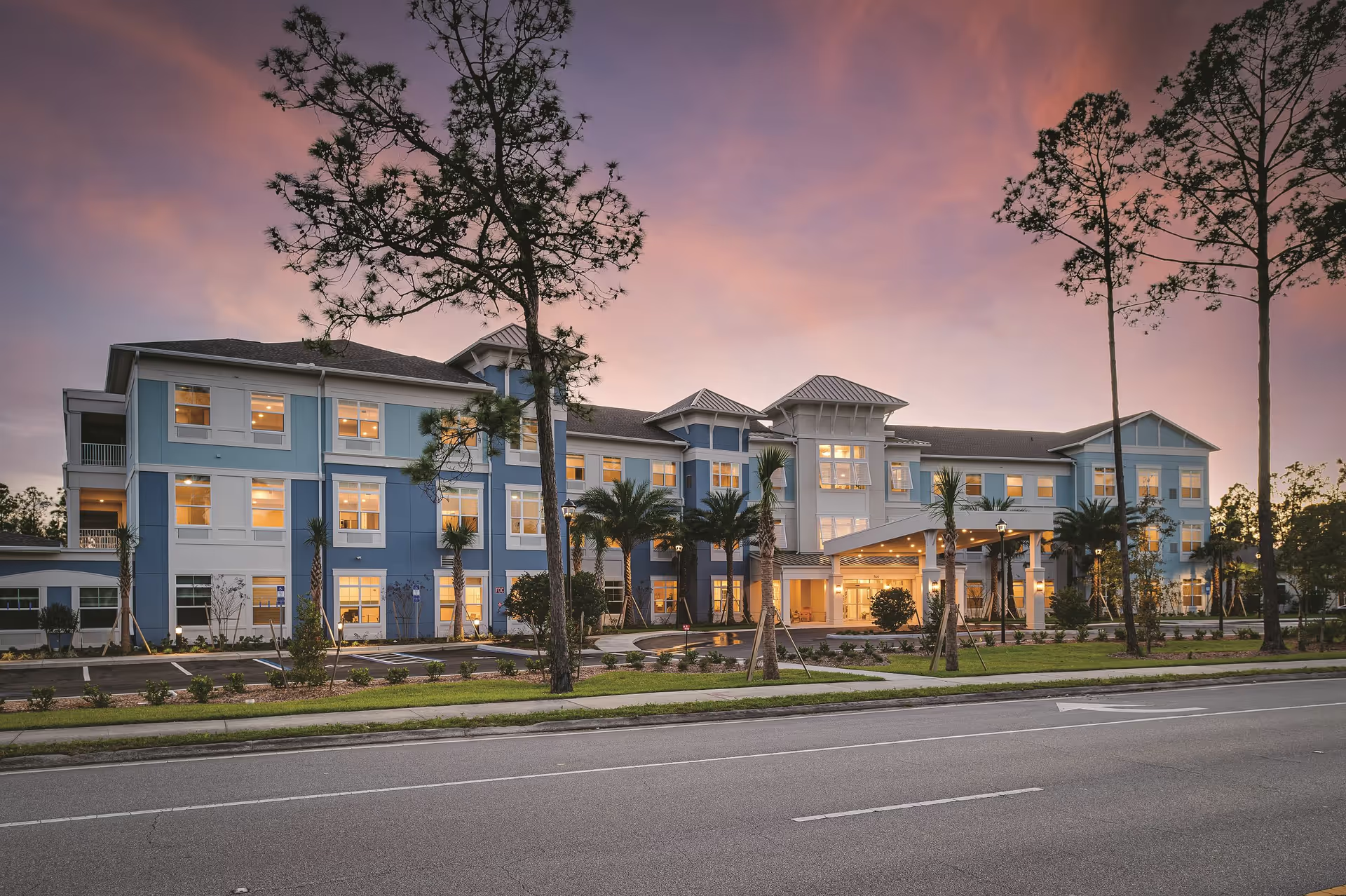
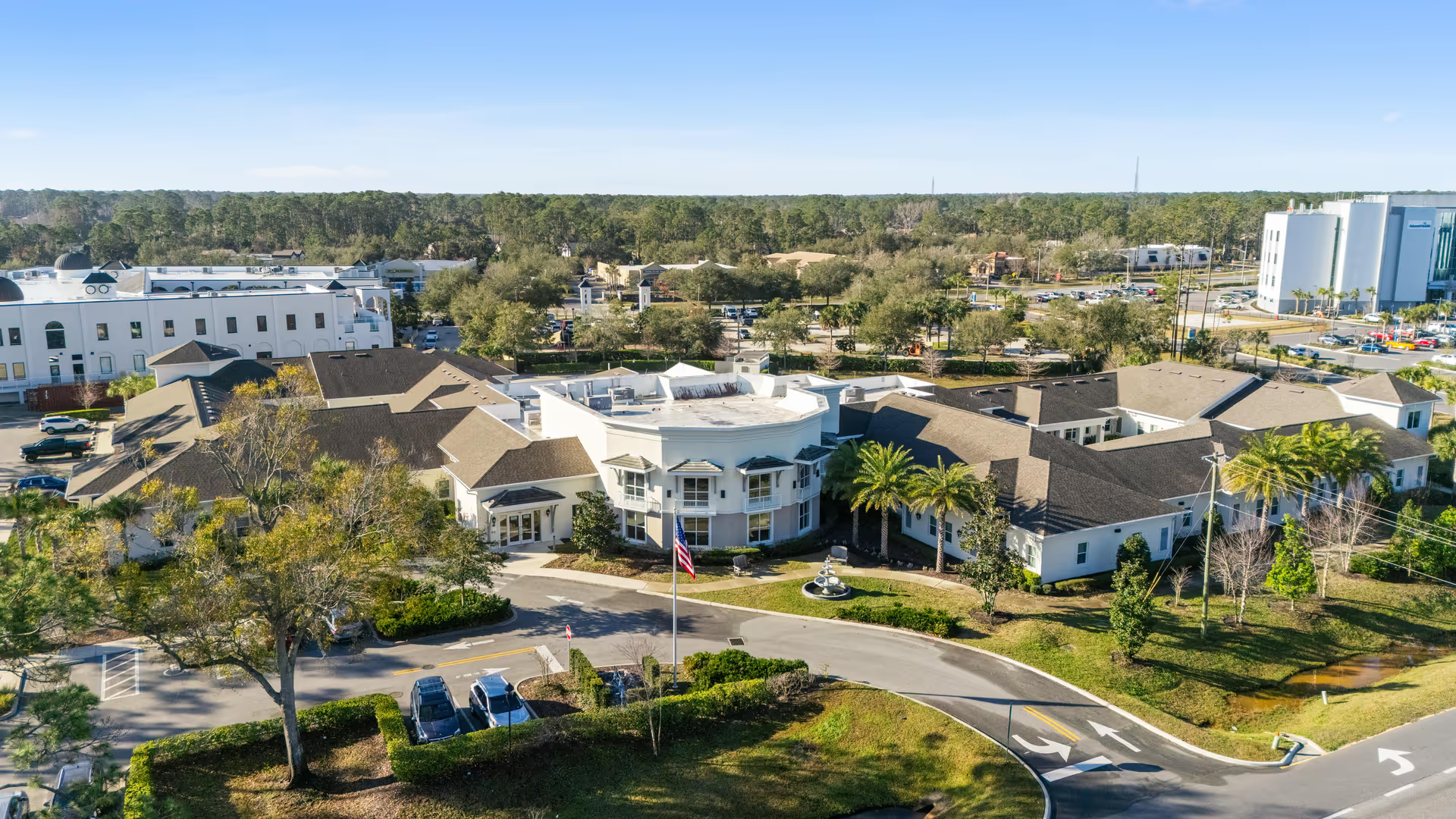
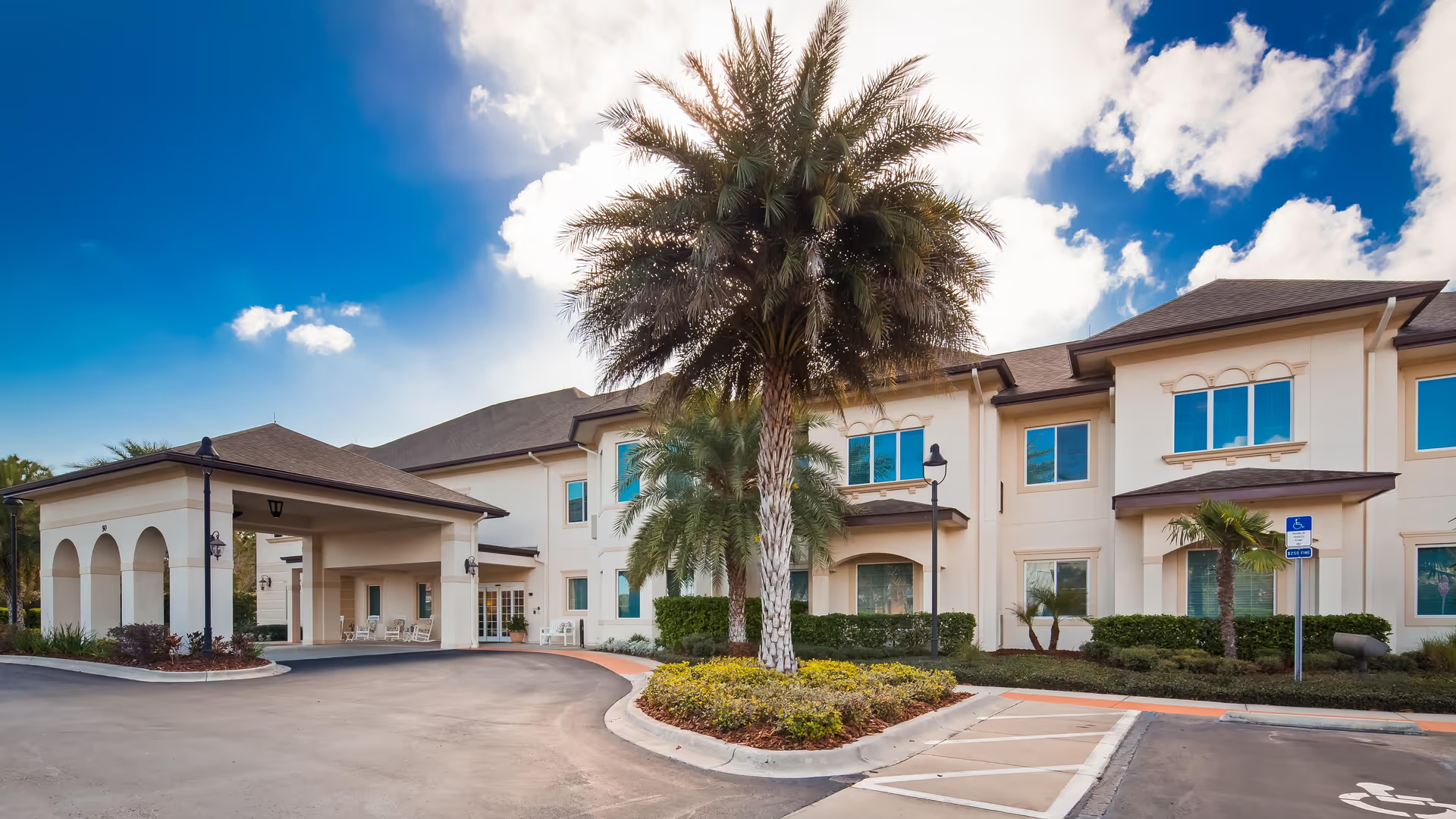
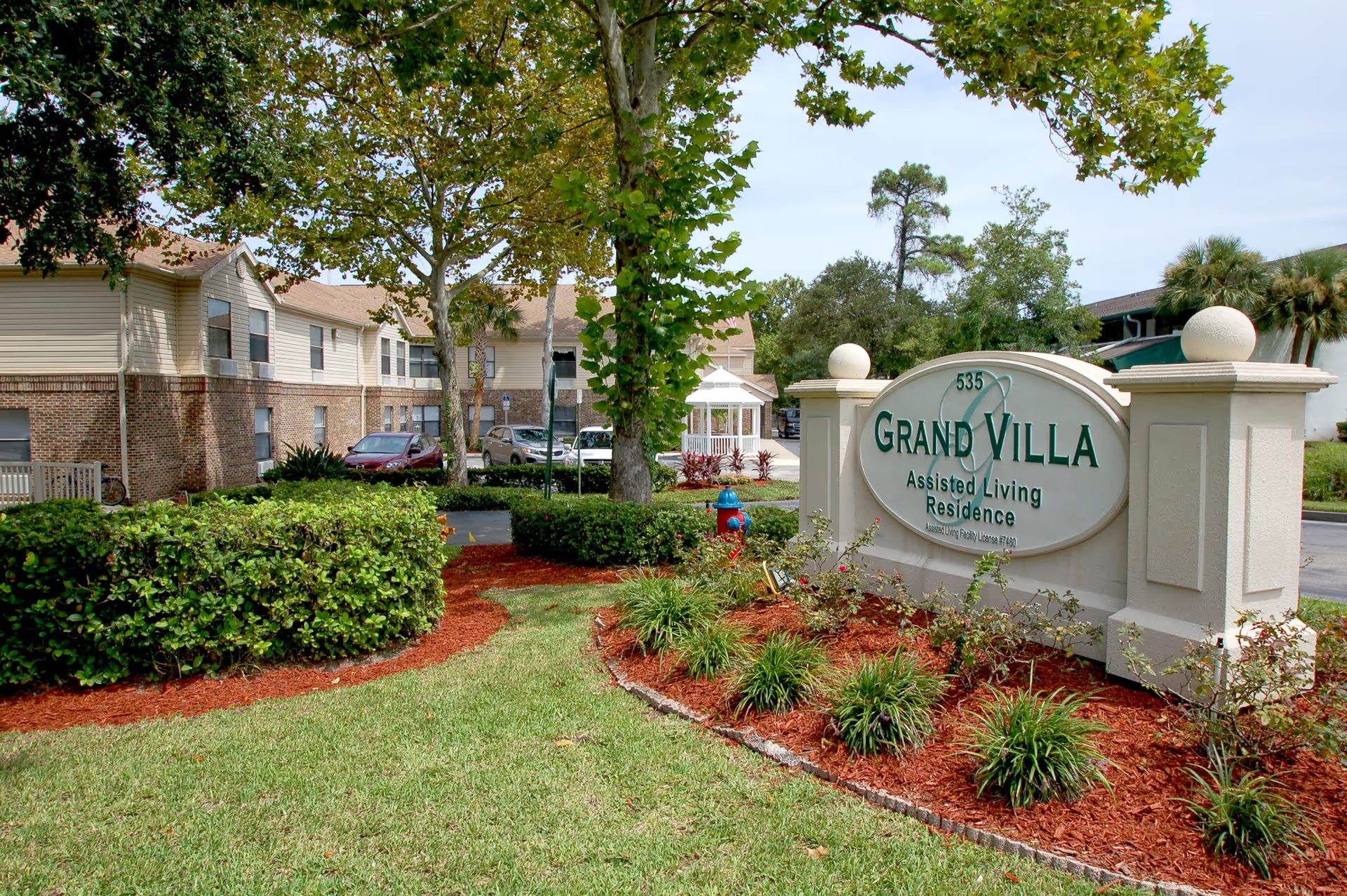
The overall impression across the summaries is of a modern, resort‑style senior community with strong amenities and a pronounced emphasis on dining, activities, and campus appearance. Many comments describe spacious, well‑appointed apartments, thoughtfully maintained gardens and outdoor spaces, and a broad range of on‑site features such as a fitness center, salon, movie theater, chapel, putting green and specialized common areas. Facility finishes and landscaping draw consistent praise, and the community layout and communal spaces contribute to a home‑like atmosphere for residents.
Care and staffing receive largely positive descriptions: numerous accounts highlight a compassionate, family‑oriented caregiving culture, visible nursing presence, and effective therapy services. Physical therapy and restorative programs are singled out as strengths. At the same time, there are recurring operational concerns that affect perceived care consistency. These include variable staffing levels and continuity that can influence day‑to‑day responsiveness, and identified gaps in clinical monitoring and timely follow‑up in some situations. There are also specific questions around medication management and the community’s ability to meet higher‑acuity or advanced memory‑care needs that prospective families should evaluate directly.
Dining and activities are major strengths. The dining program is frequently described as restaurant‑quality under an experienced chef, with flexible dining plans, special‑order options, themed meals, demonstrations, and regular events. Activity programming appears robust and varied—live music, crafts, group excursions, happy hours and inter‑resident clubs are commonly noted—and contributes positively to social engagement and resident satisfaction. A small number of comments indicate variability in meal execution (for example, occasional texture or preparation issues), suggesting operational consistency can fluctuate.
Operational and management themes are mixed. Several comments commend responsive administration, transparent pricing, new management improvements, and open forums such as town‑hall meetings. Conversely, others raise concerns about inconsistent policy enforcement (pet policies, ancillary fees), billing transparency, and communication tone from specific staff or leaders. Facilities operations also show occasional weaknesses: sanitation and odor concerns in particular common areas, intermittent housekeeping and laundry inconsistencies, missing personal items or property‑security issues, and examples of limited contingency planning (for example, handling of elevator outages or other service disruptions).
Taken together, the pattern is one of a largely well‑resourced, amenity‑rich community with many satisfied residents and families, balanced against a set of operational vulnerabilities that can materially affect individual experience. Prospective residents and families would benefit from an in‑person tour at multiple times of day, direct questions about staffing ratios and clinical coverage, review of emergency procedures and contingency plans, clarification of pet and ancillary fee policies, and discussion of memory‑care capabilities to determine fit for specific care needs.