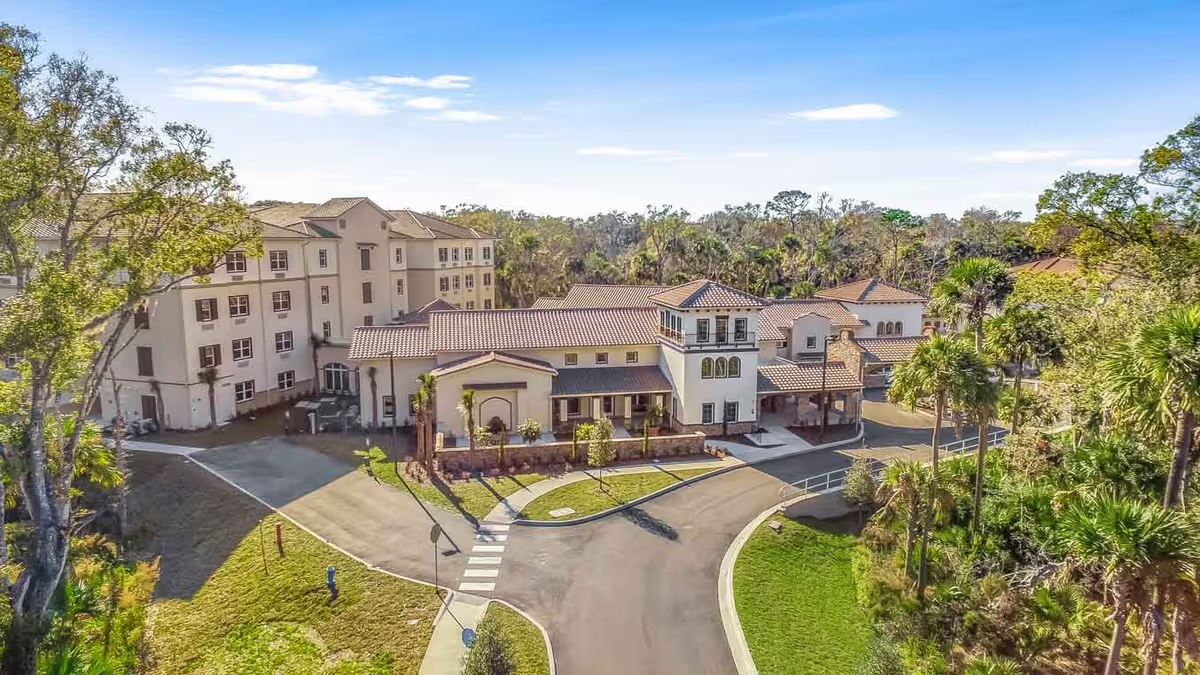
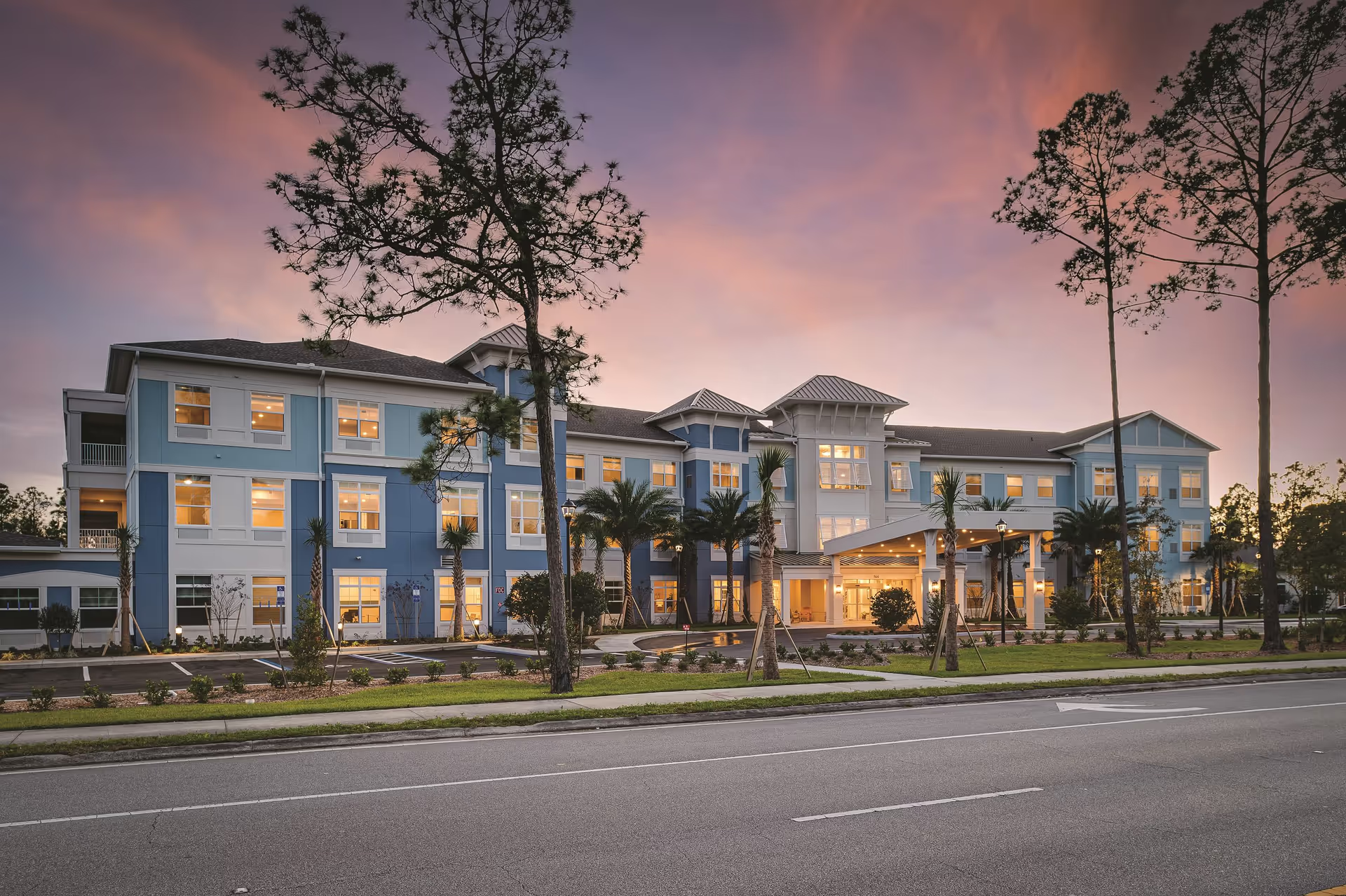
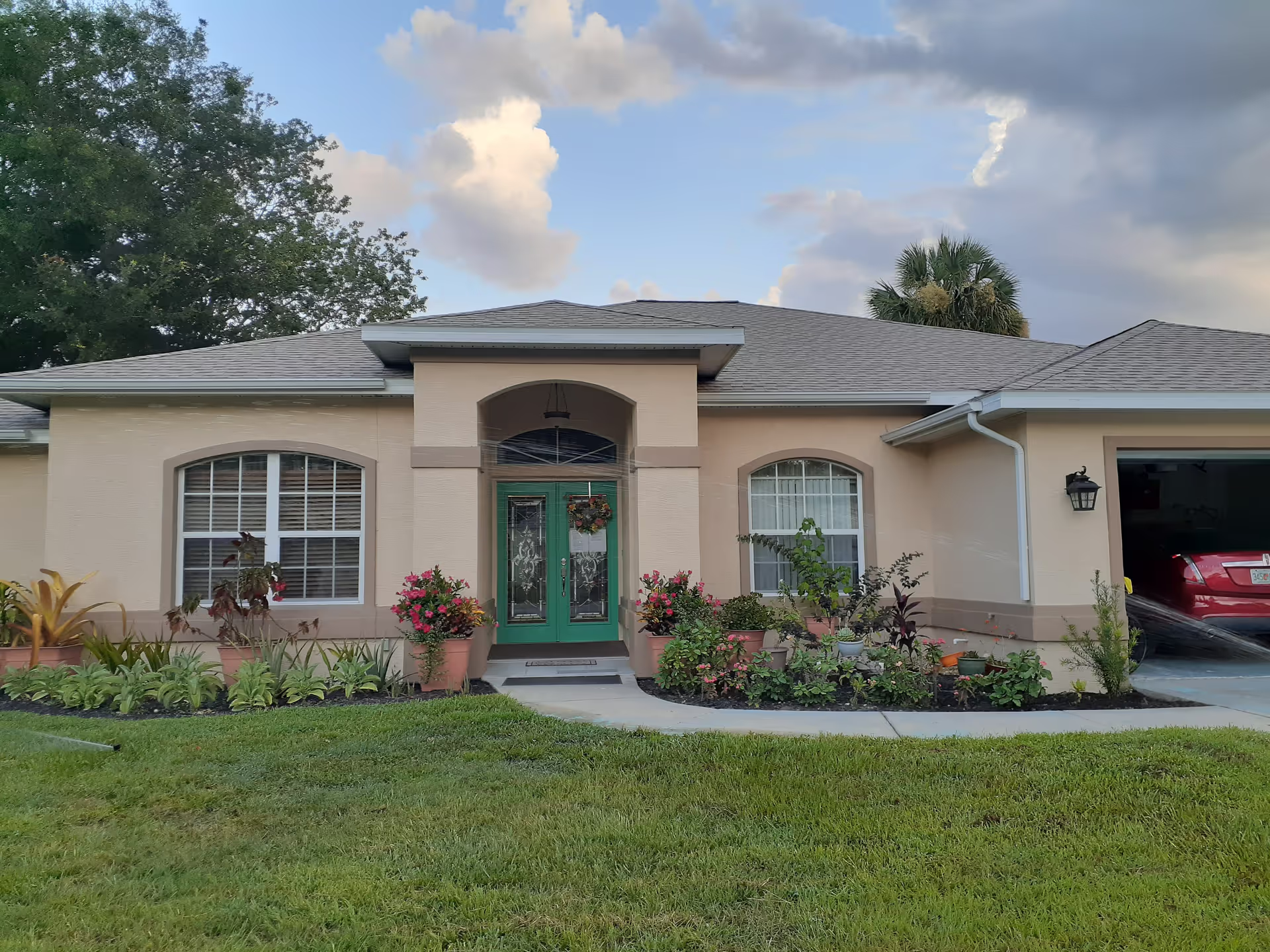
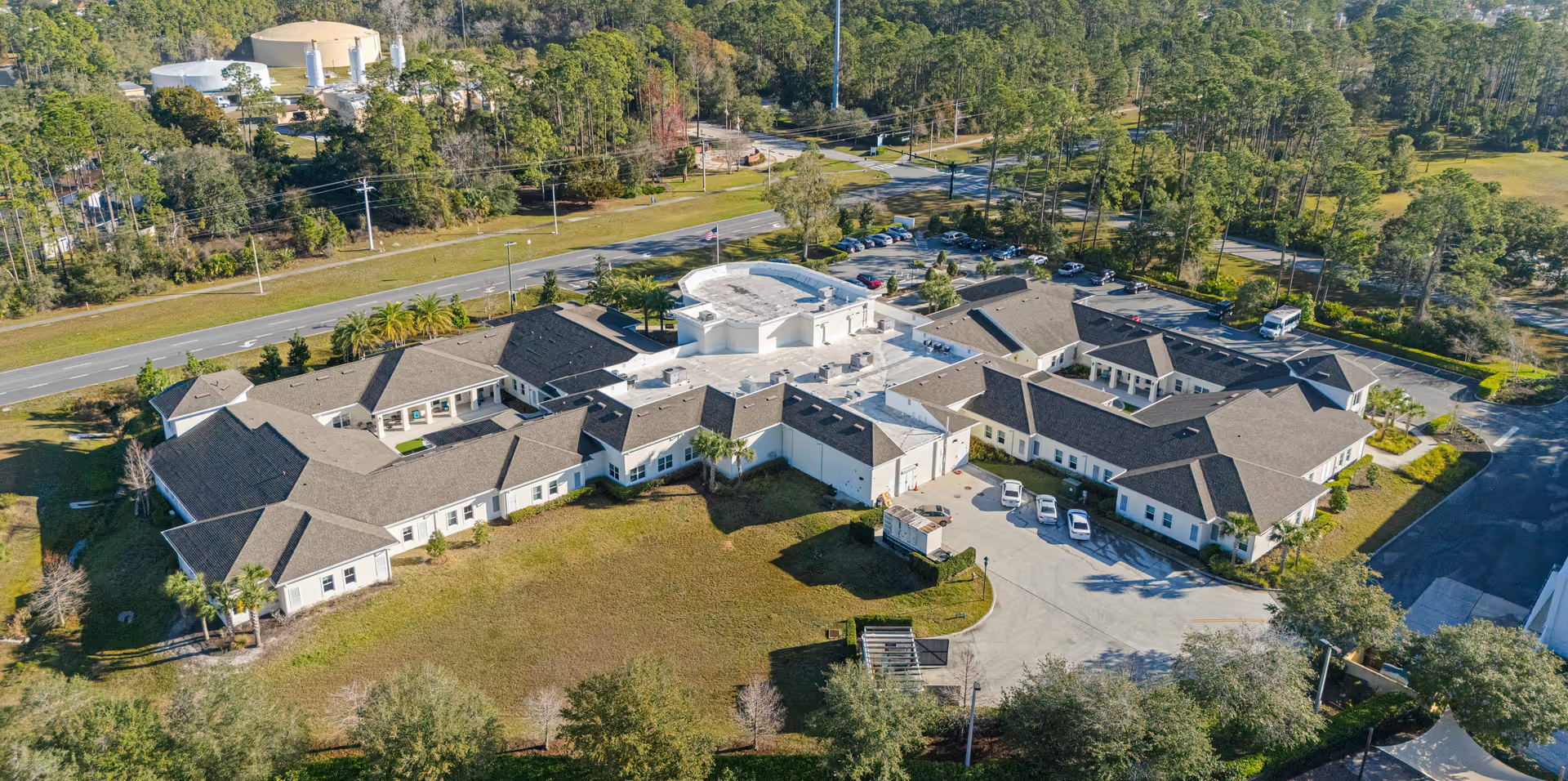
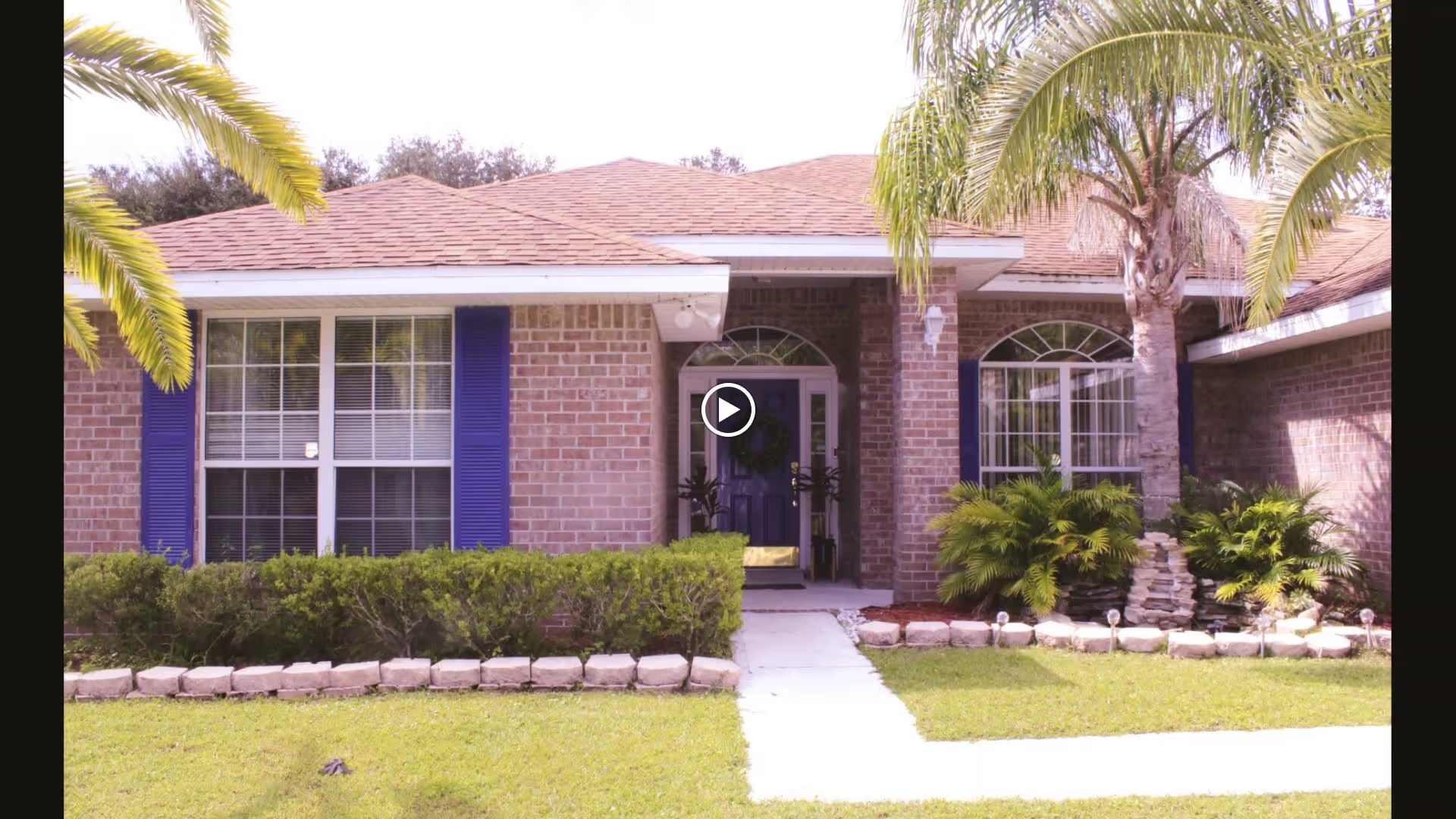
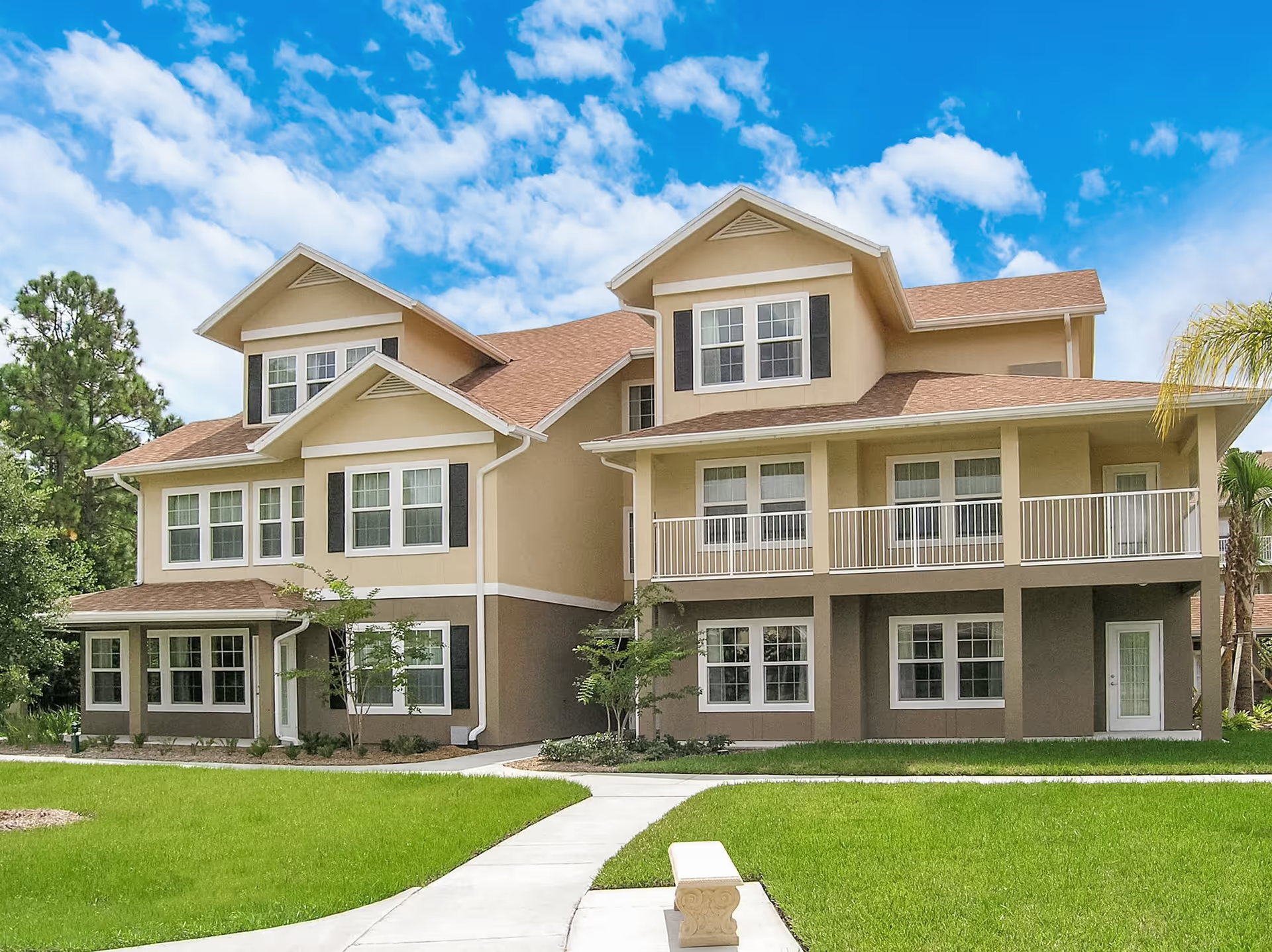
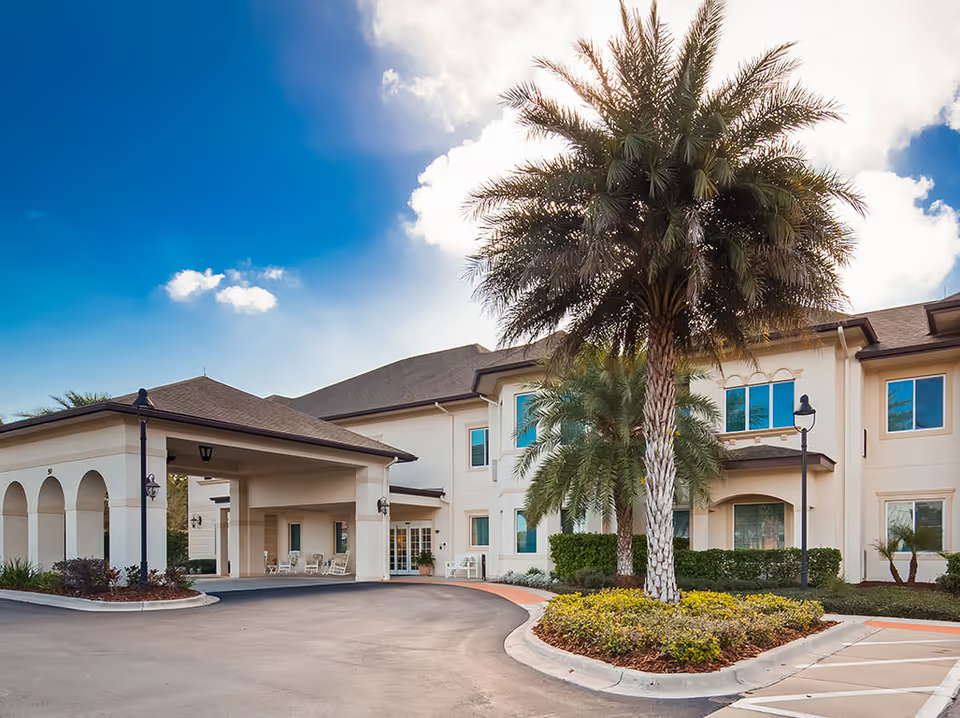
Brookdale Palm Coast presents as a small, single-floor community with many features that appeal to families seeking a homelike assisted-living environment. Reviewers consistently highlighted a clean, recently renovated facility with private, apartment-style units (kitchenettes, refrigerators, microwaves), accessible bathrooms with walk-in or roll-in showers, wide hallways, and a generally bright, well-maintained interior. The property offers multiple communal spaces — a bistro, library, game room, salon, screened porch, and courtyard — and is conveniently located near hospital and emergency services, which many families cited as reassuring.
Staff and care are a central strength in many accounts. Numerous families described staff as compassionate, attentive, and personally engaged with residents; nurses and rehabilitation staff received particular praise for helping residents regain strength and independence. The community has an evident rehab orientation with on-call nursing coverage, programming focused on returning residents to self-care, and coordination for outpatient appointments and transportation. The small size of the community (around 40–45 beds) appears to support personalized attention and close staff–resident relationships, which many reviewers valued.
Dining and activities are generally positive but variable. Many residents and families liked the meals, noted a diverse menu, and appreciated accommodating meal options; others mentioned limited vegetarian choices or inconsistencies in food preparation. The facility offers a range of activities — music, exercise classes, movie nights, puzzles and games, and outings — and reviewers frequently cited social engagement and improved wellbeing for residents. However, activity breadth and frequency appear sensitive to staffing levels and pandemic-related limitations, which some families found constraining.
Operationally, a pattern of concerns emerges around staffing stability, administrative transparency, and clinical communication. Several reviews described inconsistent staffing levels and use of contract caregivers, which reviewers linked to uneven day-to-day care and delayed maintenance or assistance. Families also raised issues with medication changes made without clear family notification and lapses in care follow-up. Administrative items include questions about fee transparency, one-time service charges, occasional management turnover, and variable responsiveness from office staff. These are operational traits prospective families should clarify during a tour.
Memory-care and higher-acuity nursing needs warrant particular scrutiny. The community appears best suited to assisted-living and short-term rehabilitation; reviewers consistently noted limitations in capacity for advanced dementia care, separated memory units, and full skilled-nursing services. There are a few accounts of serious, isolated incidents involving crisis-management and post-incident communication; while these appear to be individual events rather than steady patterns, they suggest asking about crisis protocols, psychiatric-transfer procedures, and family-notification practices.
In summary, Brookdale Palm Coast offers a clean, renovated, and home-like setting with many families praising the staff, rehabilitation focus, and social atmosphere. Prospective residents and families should balance those strengths against operational considerations: ask for current staffing ratios, contract-staff usage, medication and incident-communication policies, memory-care capability and transition plans for progressive dementia, explicit fee schedules, and the timeline/impact of ongoing renovations. These focused questions will help determine whether the community’s small, personalized model aligns with a particular resident’s clinical and social needs.