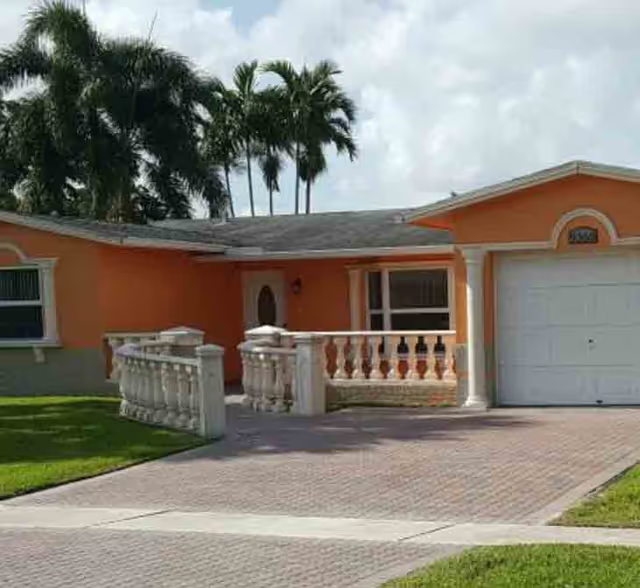
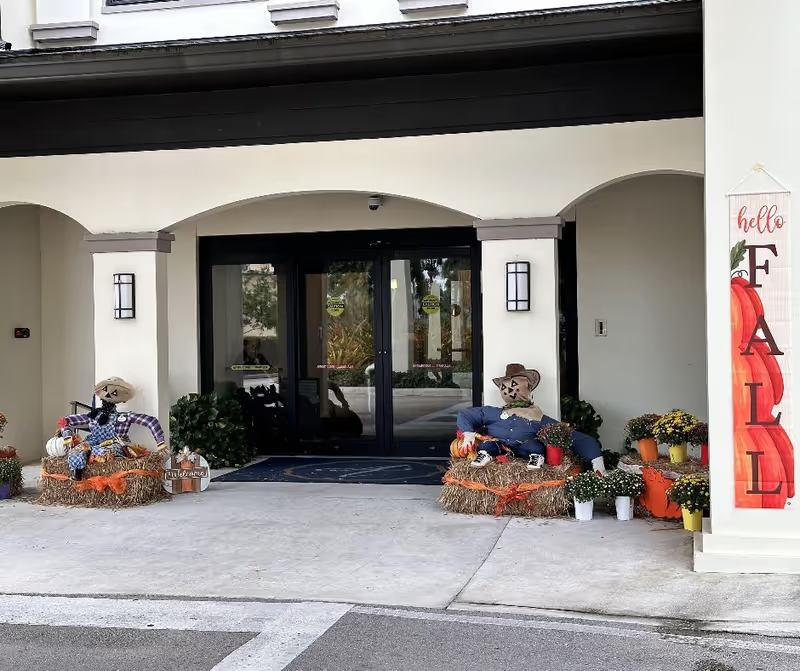
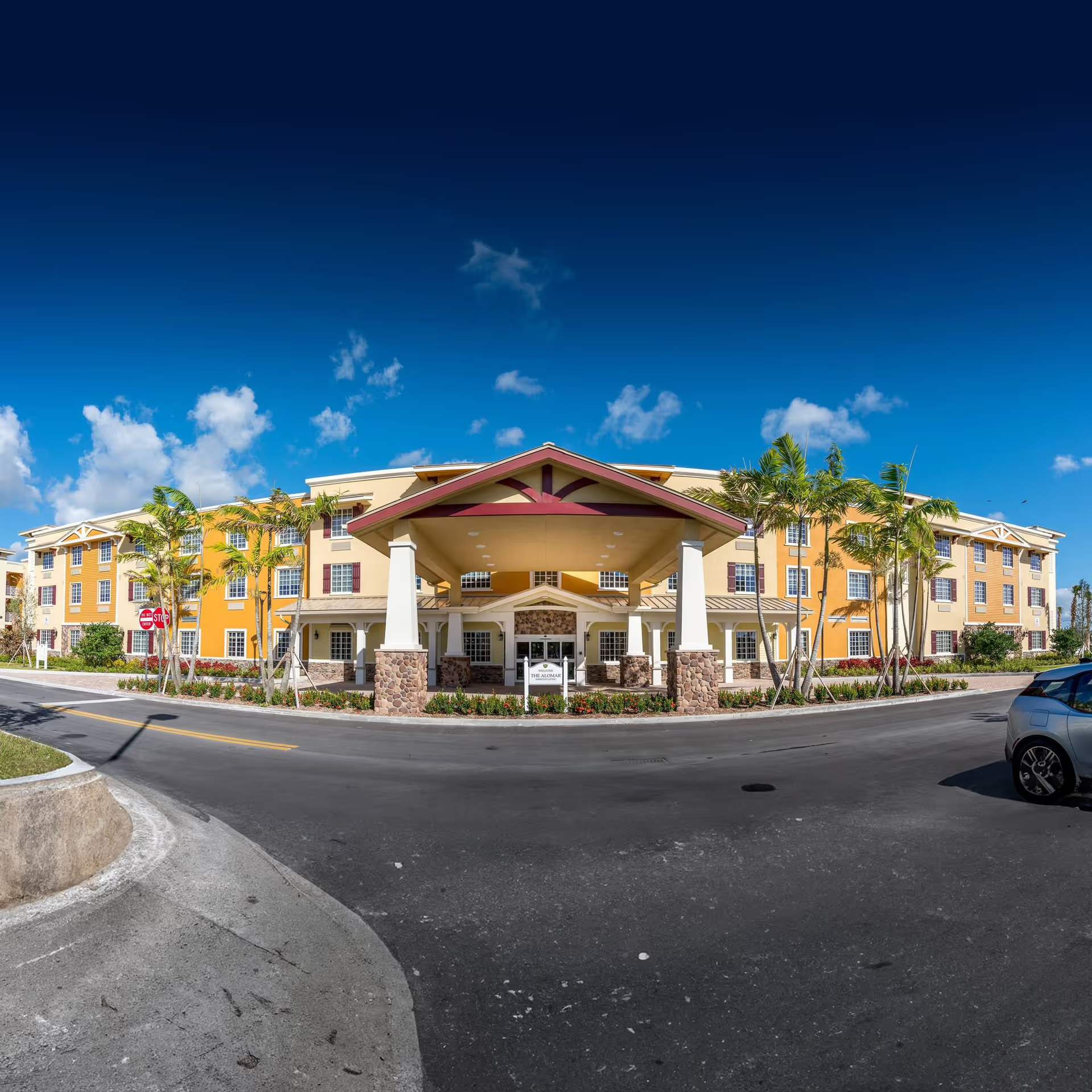
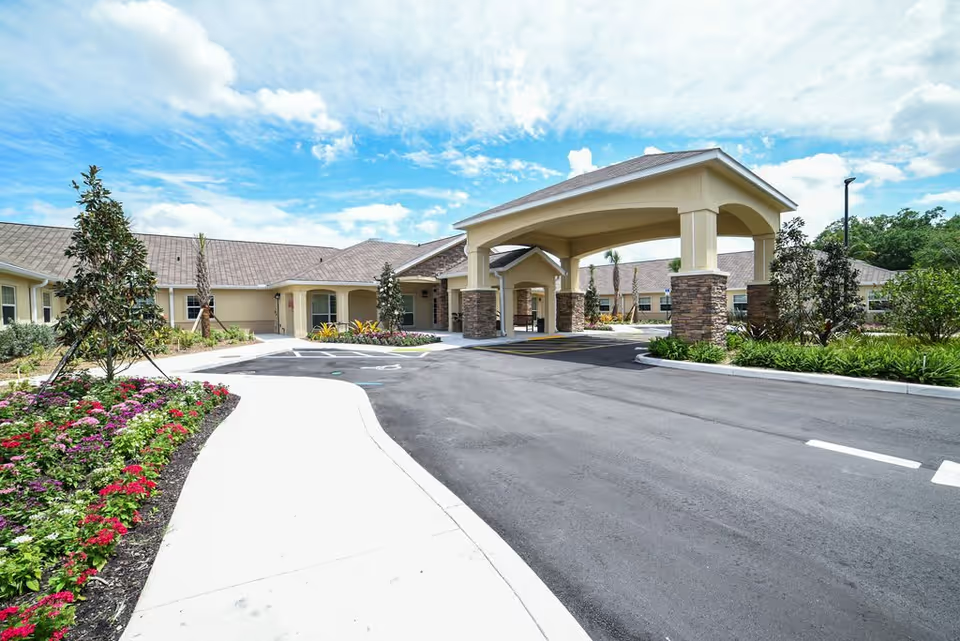
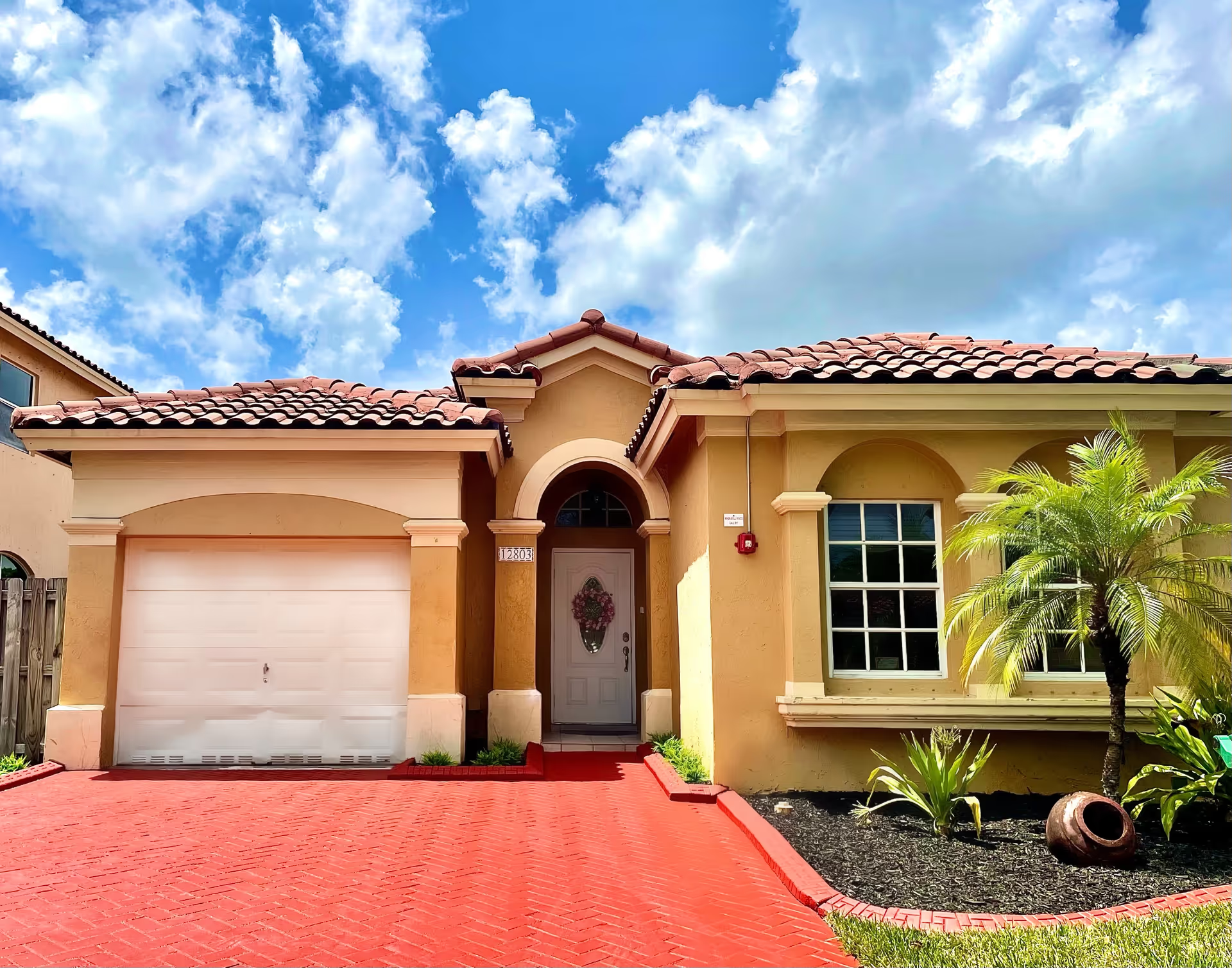
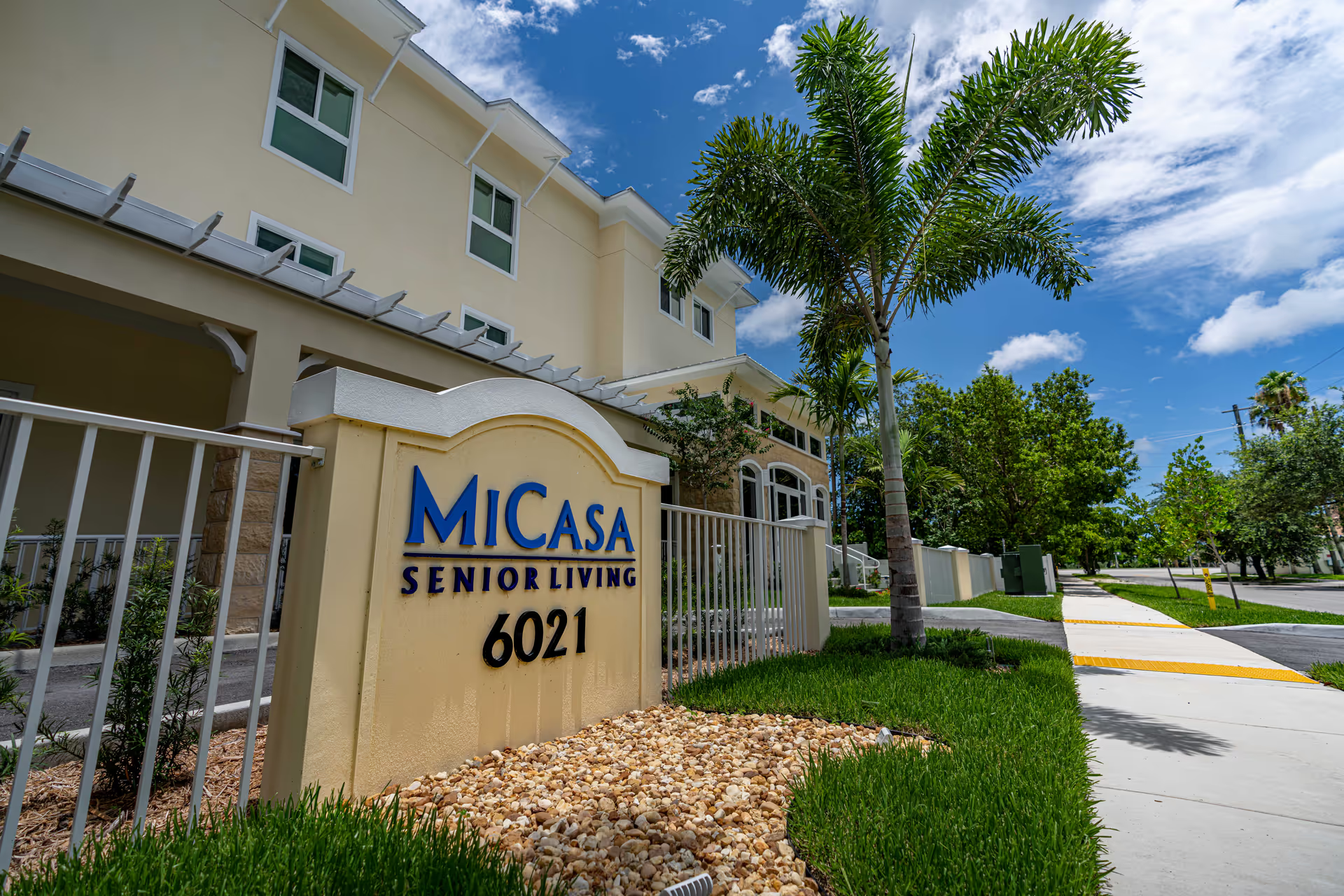
Angel House Senior Services is described in many accounts as a small, home-like assisted living setting with a strong emphasis on personalized, family-oriented care. Reviewers commonly note an engaged owner/administrator presence, a high caregiver-to-resident ratio, and round-the-clock nursing and assistance. Families and residents frequently highlight the facility’s social atmosphere, peer interaction, and staff behaviors characterized as warm and attentive.
Dining and wellness offerings receive consistent praise. Meals are described as fresh, home-cooked, and often organic, with reviewers noting appealing aromas and meal quality. The program of daily walks, light therapy, hydration support, and mobility-focused activities is frequently cited as contributing to residents’ physical improvement and increased engagement. Therapeutic elements such as pet-assisted activities, horticulture, and wireless music systems are called out as positive contributors to quality of life.
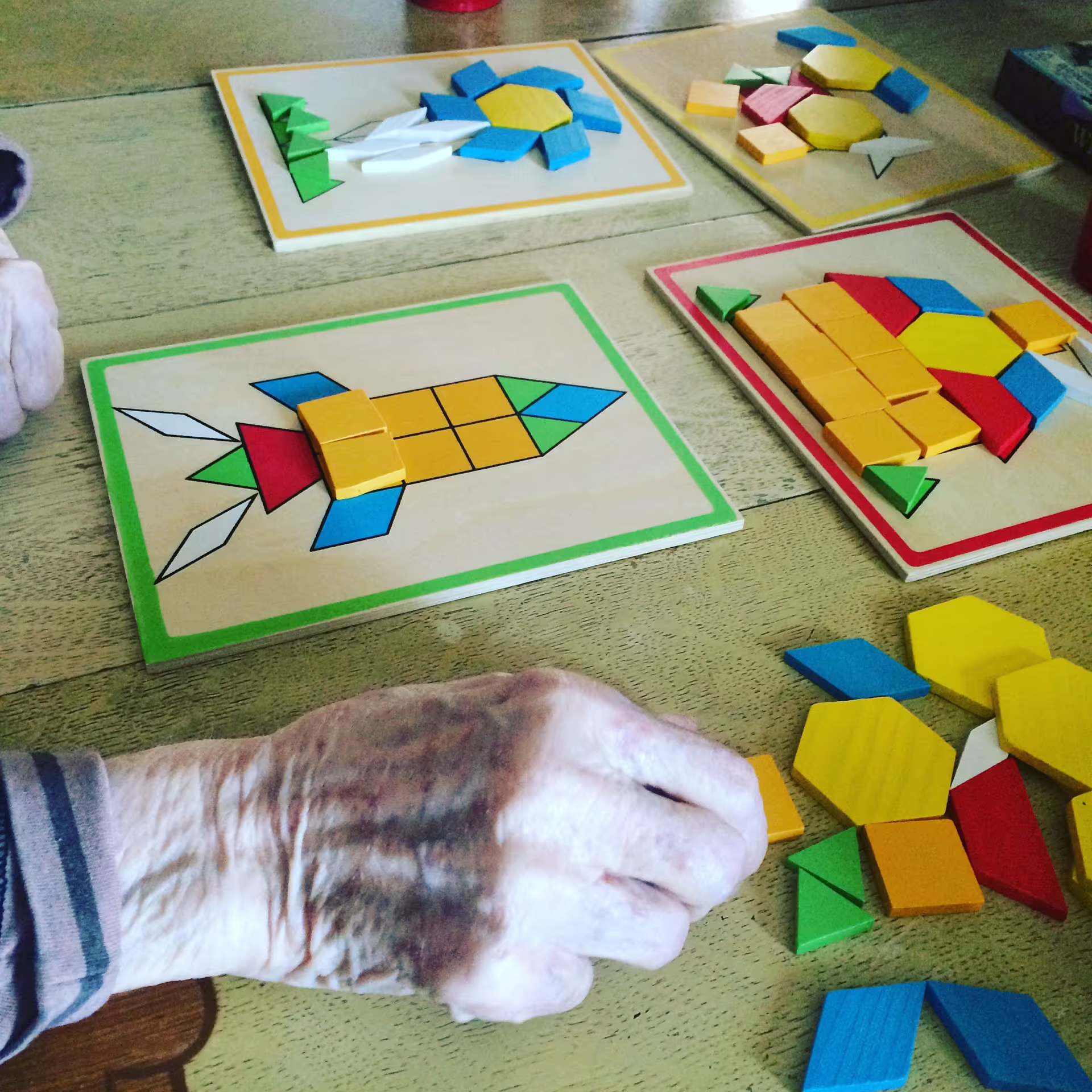
Activities and outings are a clear strength: the facility runs a broad schedule that includes live music performances (noted as occurring twice weekly by several families), games, Wii, library and bowling trips, Walmart and community outings, and special events such as dances. This programming appears to support socialization and an active lifestyle for many residents; several families reported measurable improvements in mood and mobility after admission.
Operational patterns show both strengths and some recurring concerns. Positive operational features include strong owner involvement, accessible family communication, and an intimate setting that supports individualized attention. At the same time, reviews reveal variability in staff morale and retention, which can affect day-to-day consistency. A number of accounts raise sanitation or odor-control inconsistencies and occasional maintenance or cosmetic needs in parts of the house. There are also descriptions of uneven activity participation for some residents and intermittent inconsistencies in meal assistance and portioning.
More serious operational questions that families should explore during a tour include medication-management procedures and protocols for residents with wandering or dementia-related behaviors; several reviewers raised concerns about how behavioral issues are managed. Additionally, there are occasional notes about administrative communication, billing or reimbursement questions, and the impact of limited admissions/waitlists on placement timing.
Practical suggestions for prospective families: observe the facility during an activity period, ask about staffing ratios across shifts and staff turnover, request written medication-management and dementia-care protocols, review recent inspection or licensing records, and sample mealtime service. Overall, Angel House presents a model of intimate, activity-rich assisted living with many families describing noticeable improvements in residents’ well-being, while also showing operational variability that merits direct inquiry during a visit.