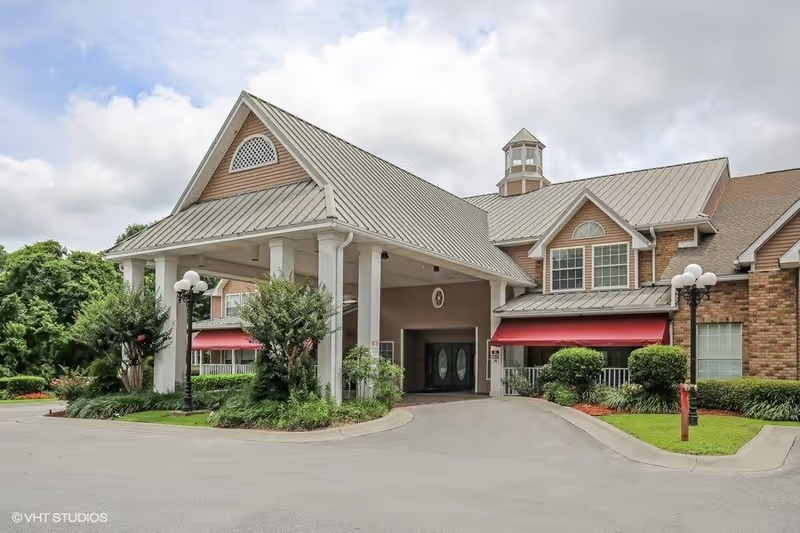
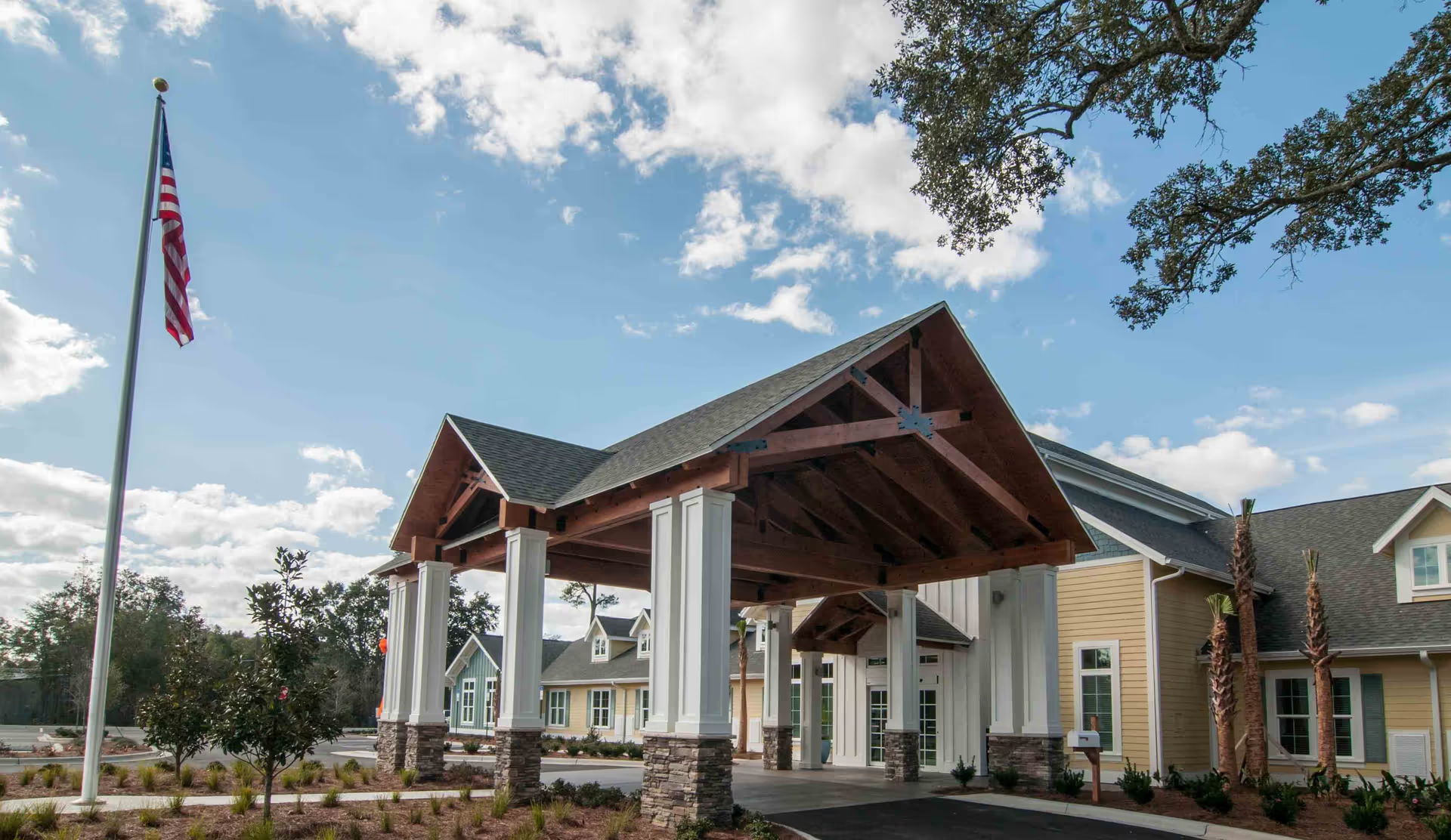
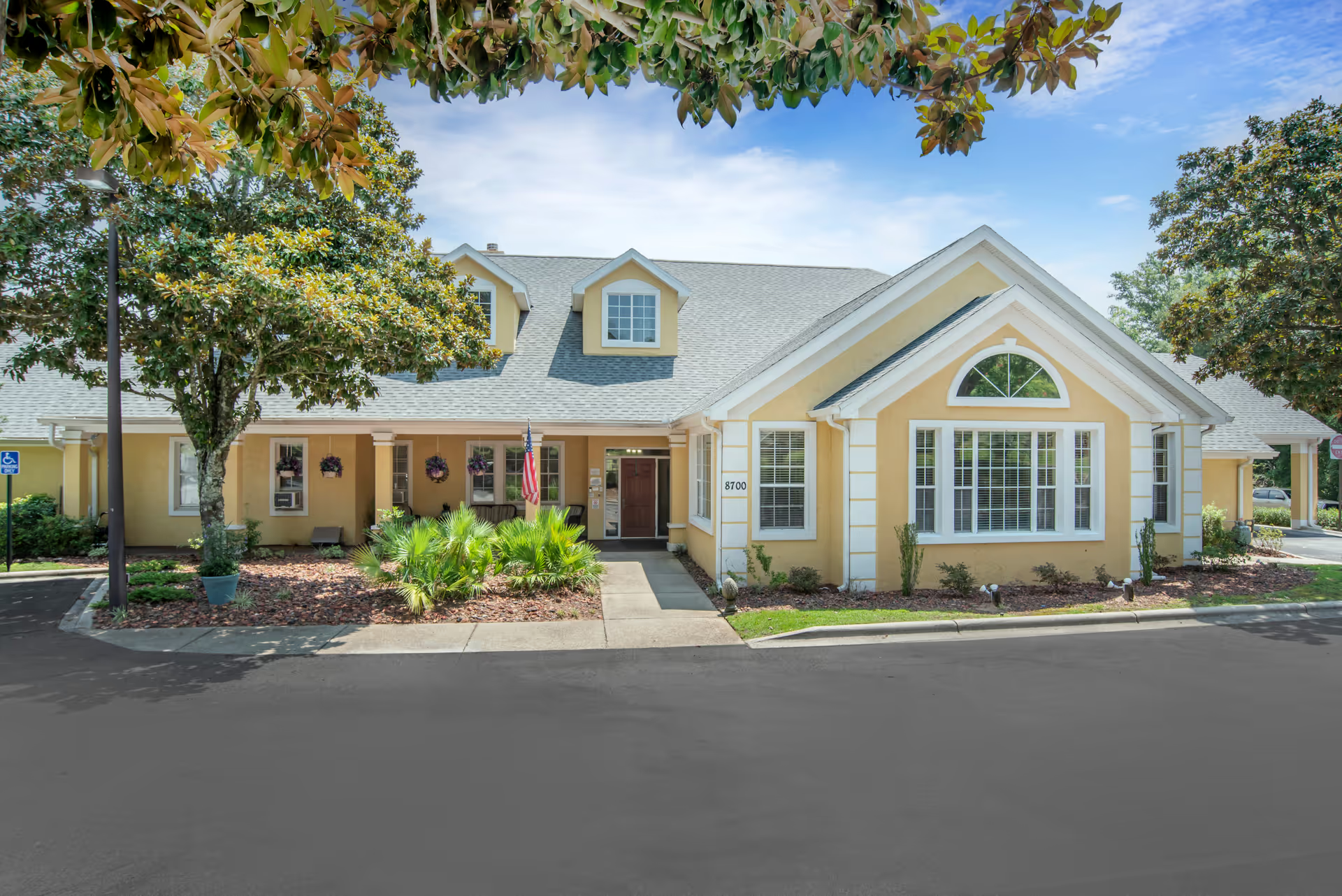
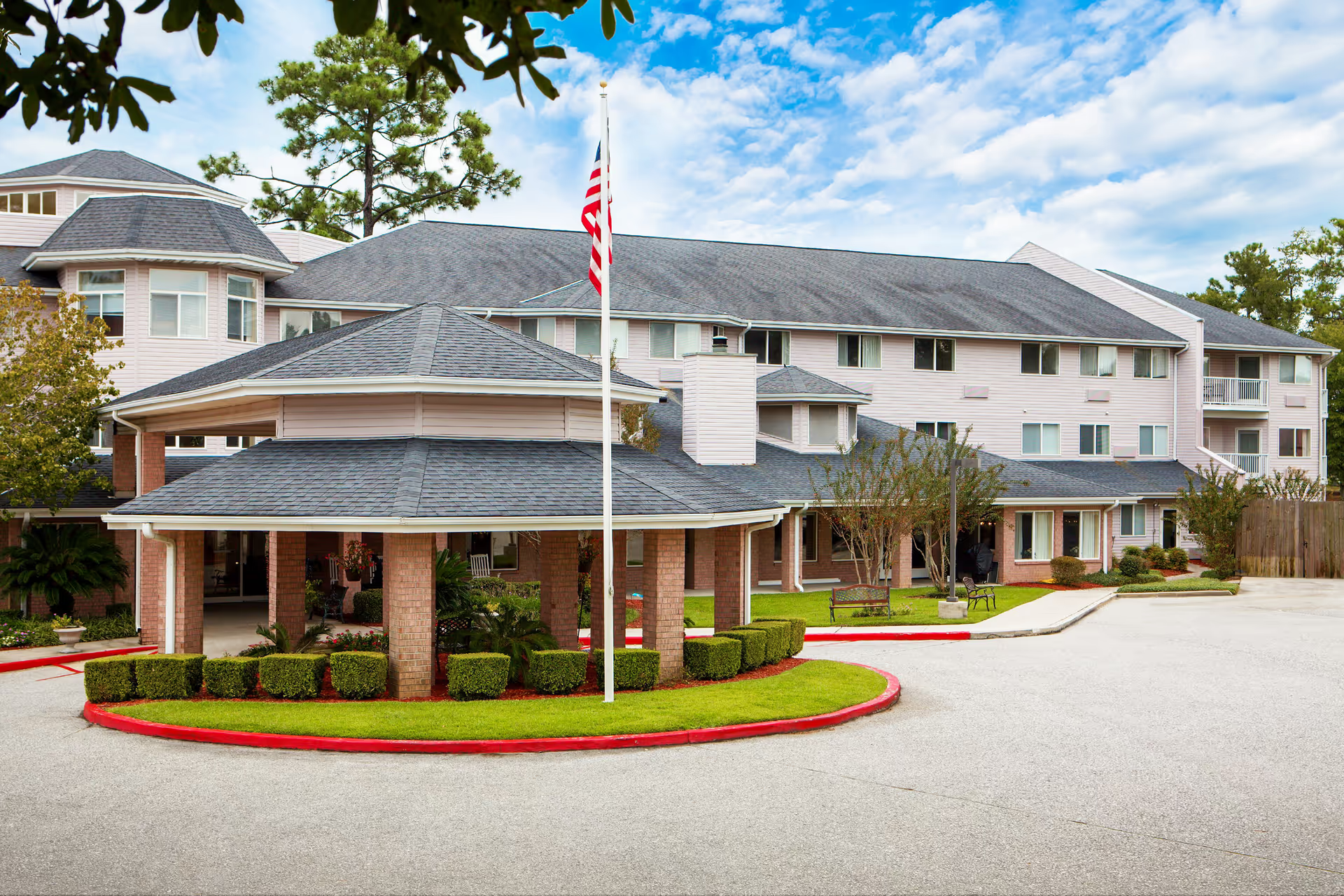
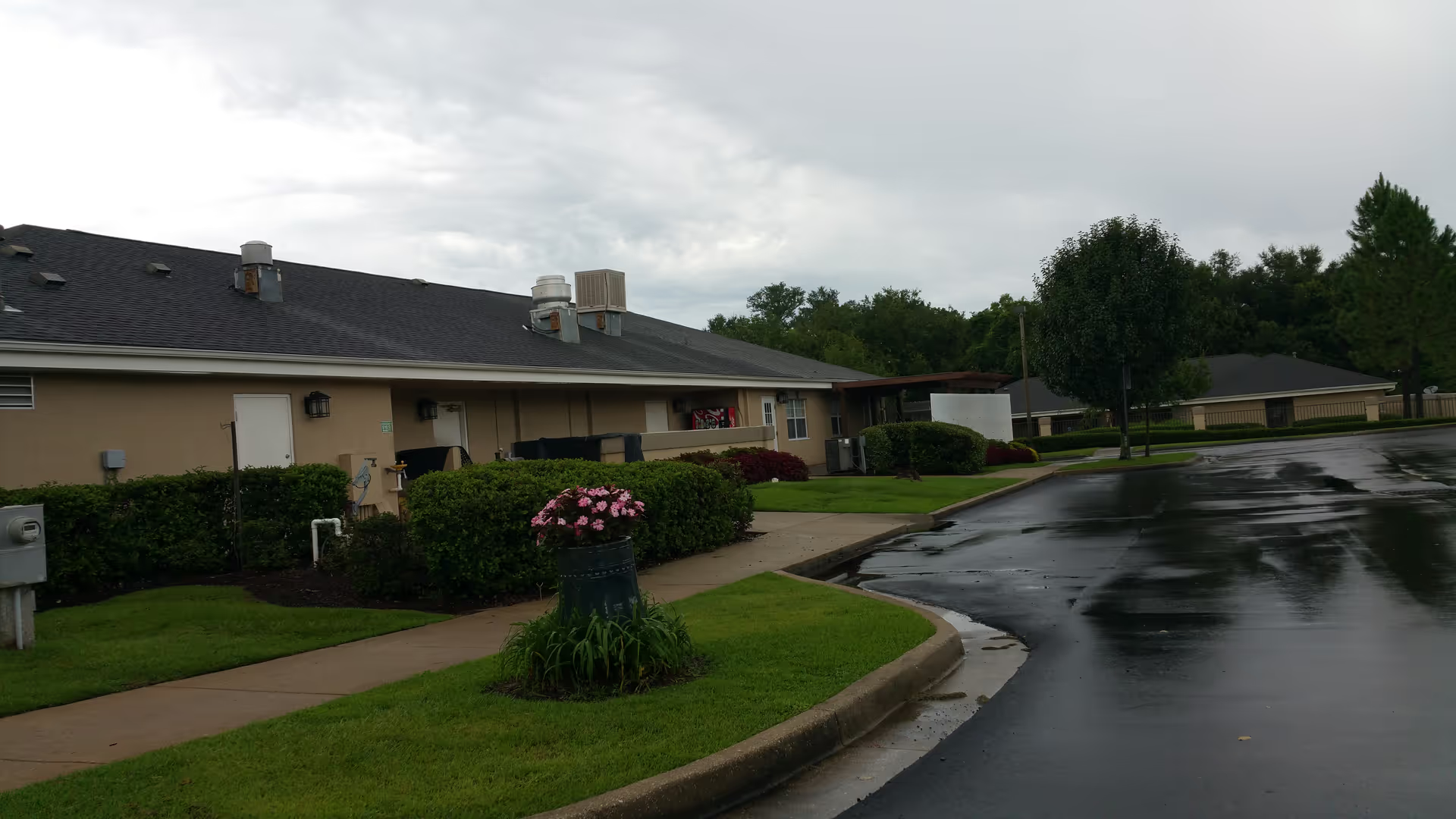
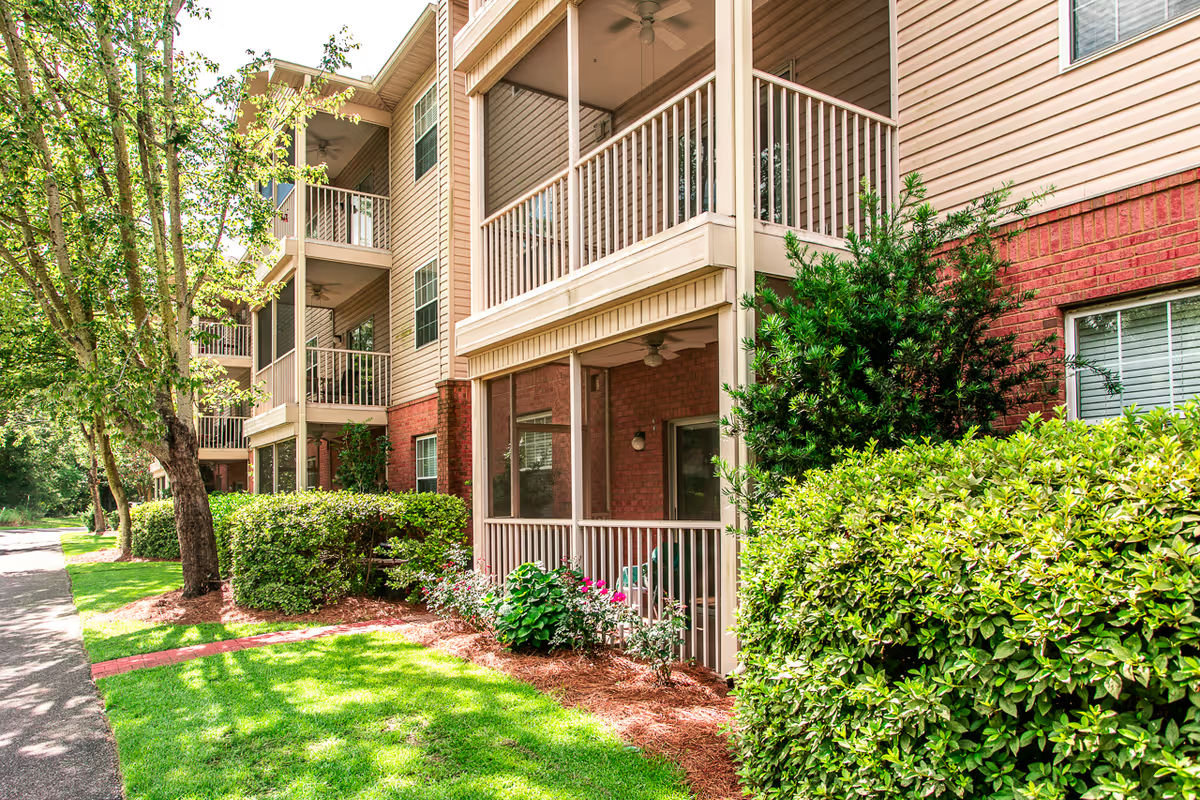
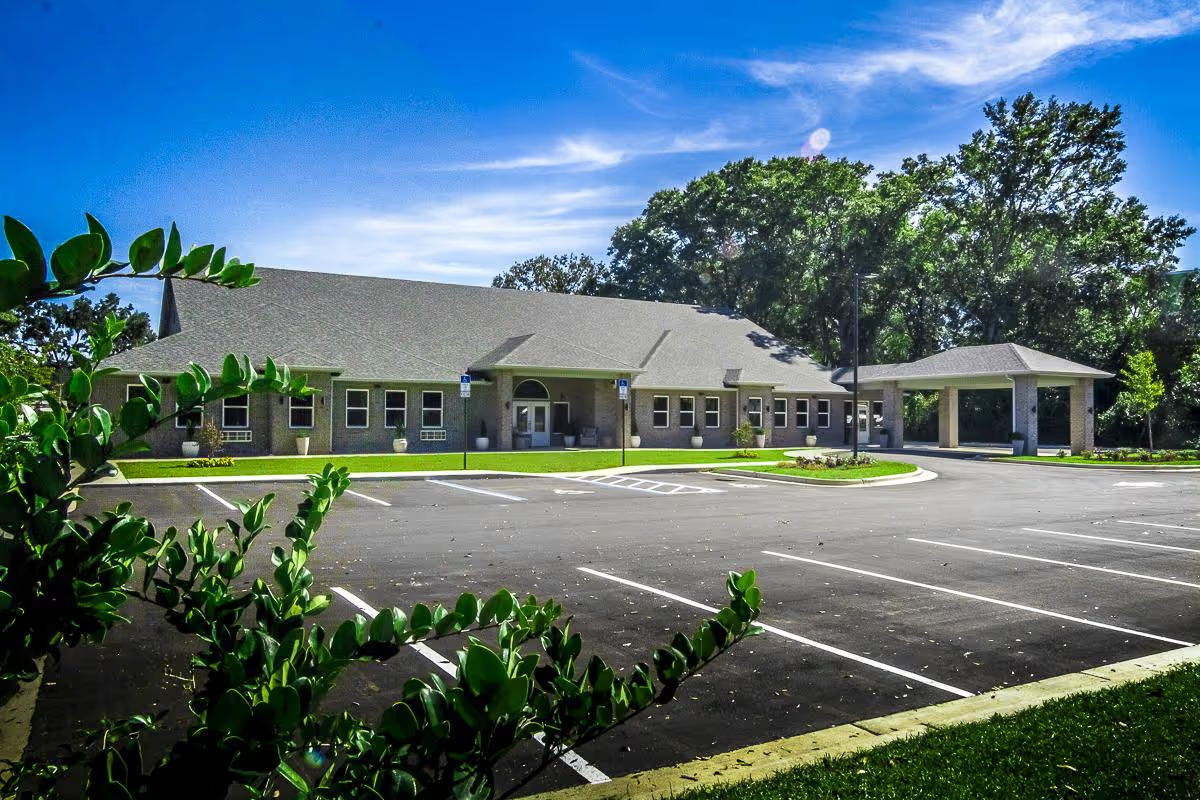
The Blake at Pensacola presents as a relatively new, upscale senior living community with a resort-like environment and extensive amenities. Commonly cited strengths include attractive, well-maintained interiors and grounds, spacious apartments with kitchenettes, and numerous shared amenities such as a courtyard, piano lounge, theater, salon, and on-site therapy areas. Many families describe a bright, social atmosphere with active communal dining and a variety of events and outings. The activities program and its leadership receive frequent praise for creative programming and resident engagement.
Clinical services and day-to-day caregiving evoke mixed but specific impressions. Positive accounts emphasize attentive caregivers, helpful nursing staff, an on-site nurse practitioner, and effective physical-therapy/rehab support that has helped residents regain mobility. At the same time, a persistent theme across feedback is thin staffing: understaffing, turnover, and use of inexperienced workers are associated with variability in how consistently care tasks are completed. Consequences described include delays in clinical responsiveness, inconsistent medication-management practices, and gaps in laundry and personal-belongings handling. Memory-care competency is described as strong in many instances but uneven in others, indicating variability in dementia-specific training or staffing continuity.
Dining and daily programs are another area of divergence. The facility’s restaurant-style dining, varied menu, and dietary accommodation capabilities are frequently praised, including friendly servers and special event meals. Conversely, some families report inconsistent meal quality and execution; a subset described food that did not meet specific dietary needs or expectations. Activities are plentiful and often well delivered, but there are also reports of schedule changes, equipment-maintenance delays (for example audiovisual repairs), or planned events that did not proceed as scheduled, which can reduce program reliability for some residents.
Operational and management patterns are nuanced. Several reviews commend new or responsive leadership, problem-solving by administrators, and improved communication after management changes. Other accounts describe perceived administrative unresponsiveness, billing and fee-dispute challenges, contract inflexibility, and a sense that financial priorities sometimes compete with staffing investments. There are also isolated but serious concerns raised about privacy controls and missing belongings; these have led to allegations that families should verify security and property-management protocols during a tour.
Taken together, the Blake offers many features potential residents and families value: modern facilities, strong hospitality-style amenities, an active social environment, and pockets of highly engaged clinical and activities staff. Prospective residents and decision-makers should balance those strengths against the recurring operational themes — especially staffing levels, consistency of clinical and housekeeping services, medication and belongings-management practices, and billing transparency. Practical next steps would be to request current staffing ratios, sample care plans for similar-level residents, recent maintenance logs, dining menus and dietary accommodation procedures, a copy of the standard resident contract, and references from families whose loved ones have similar care needs (including memory-care residents) before committing.