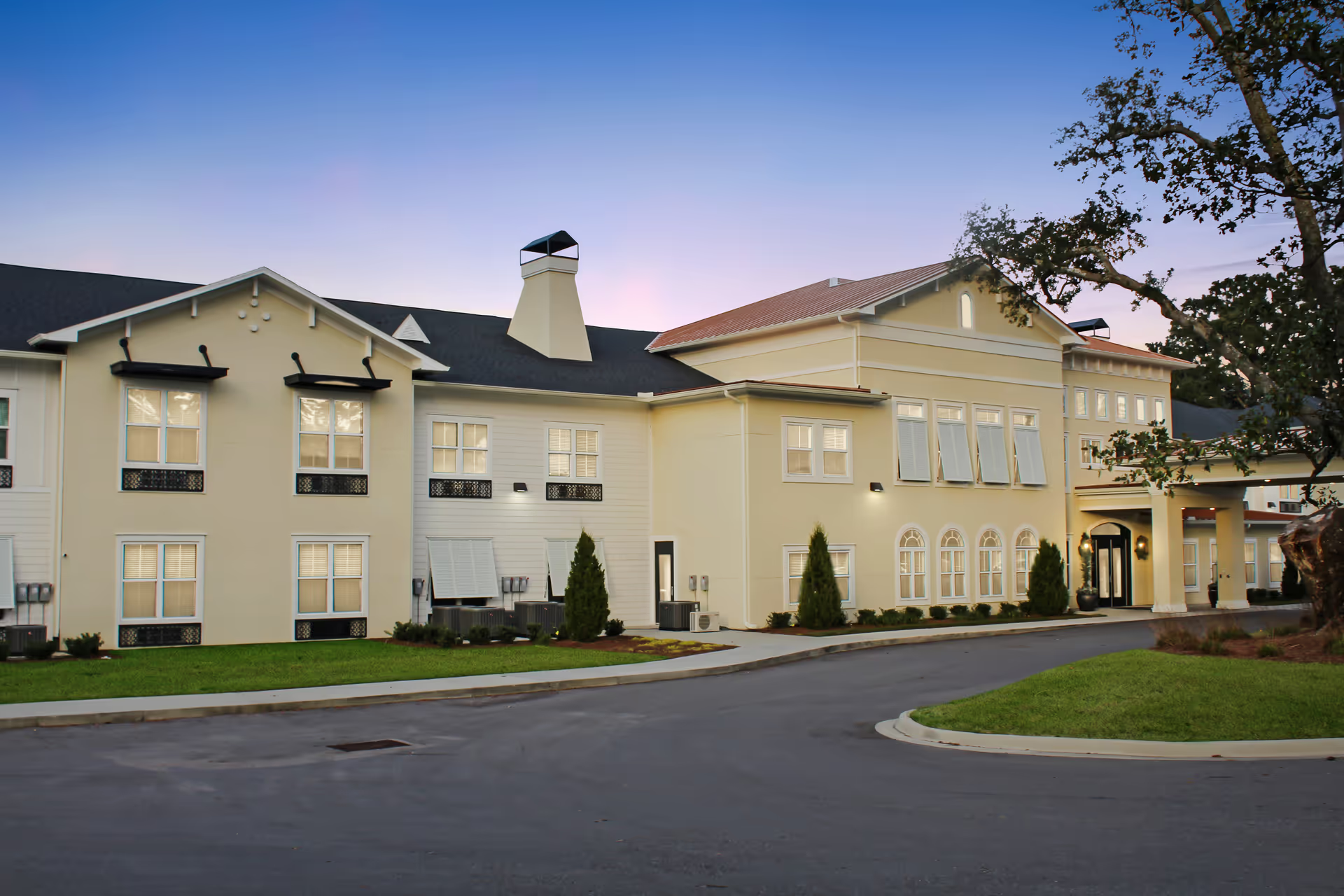
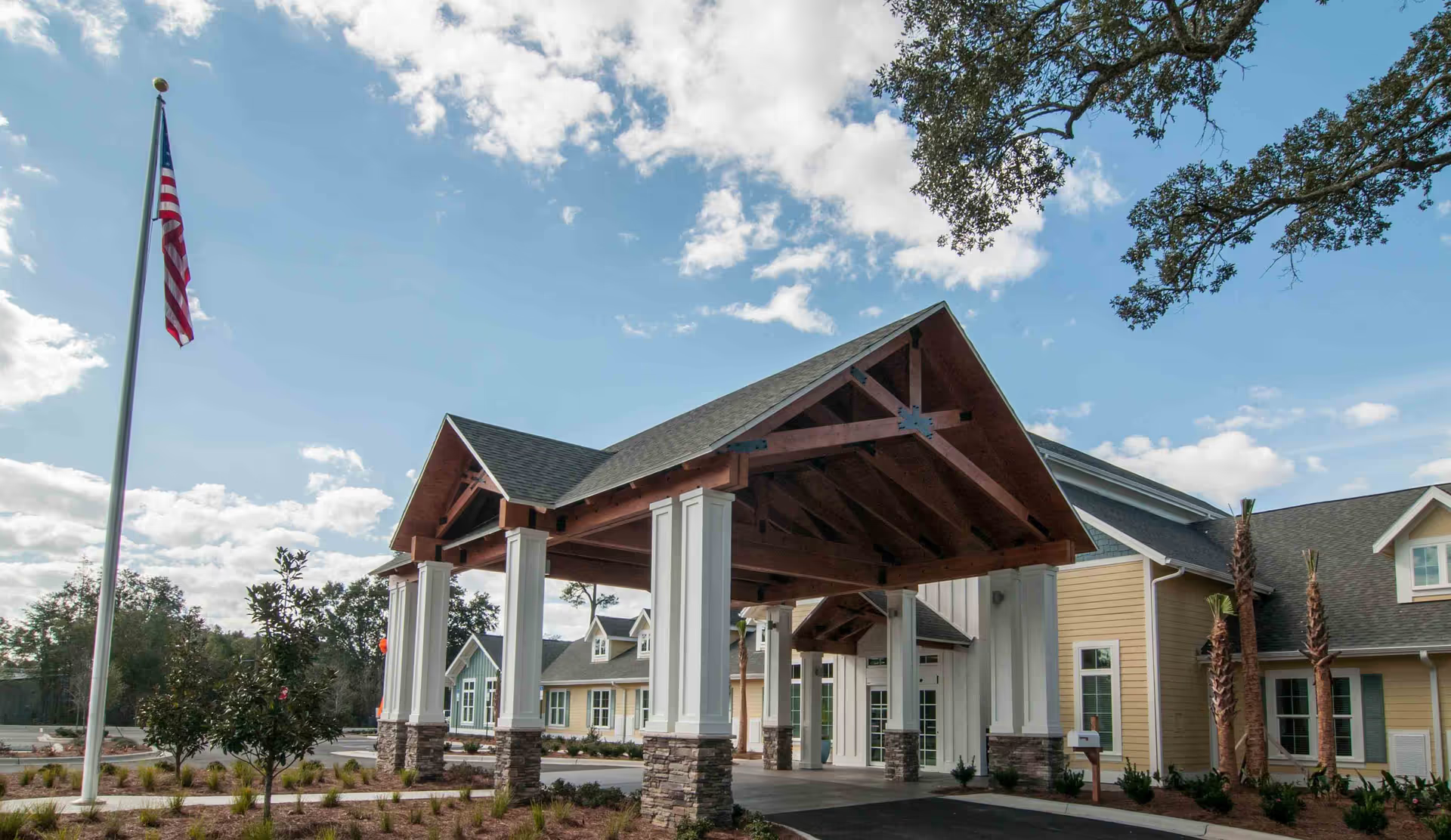
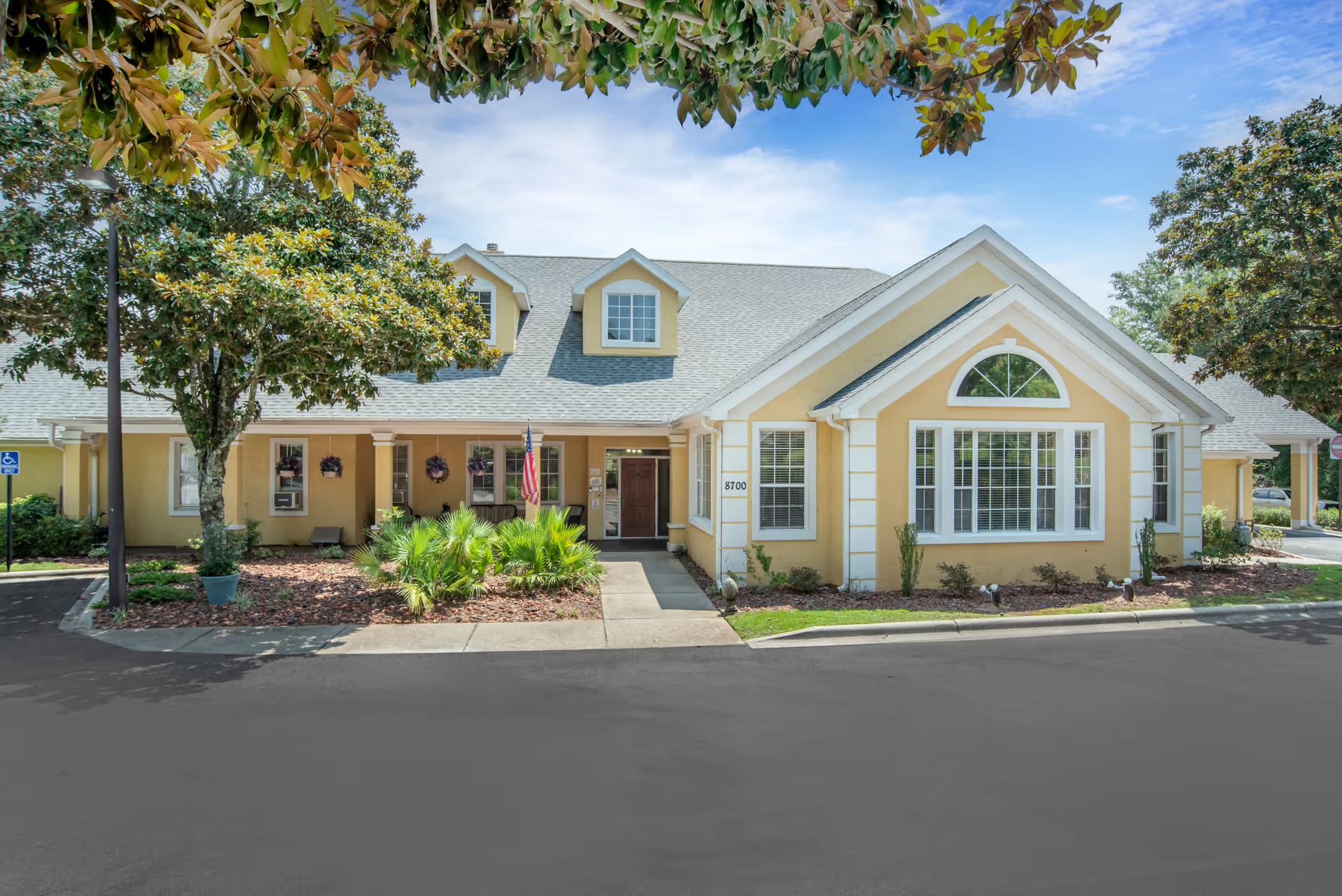
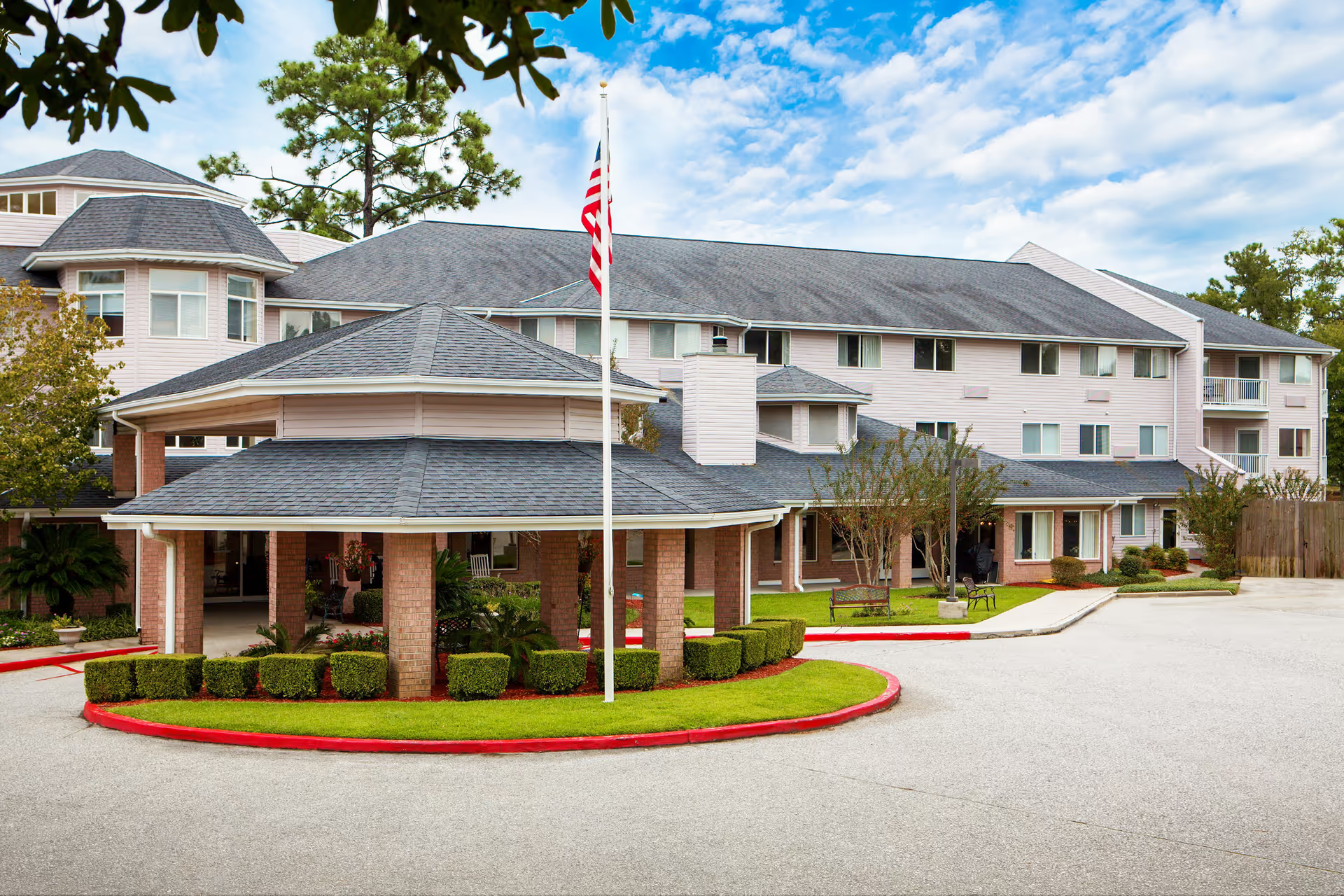
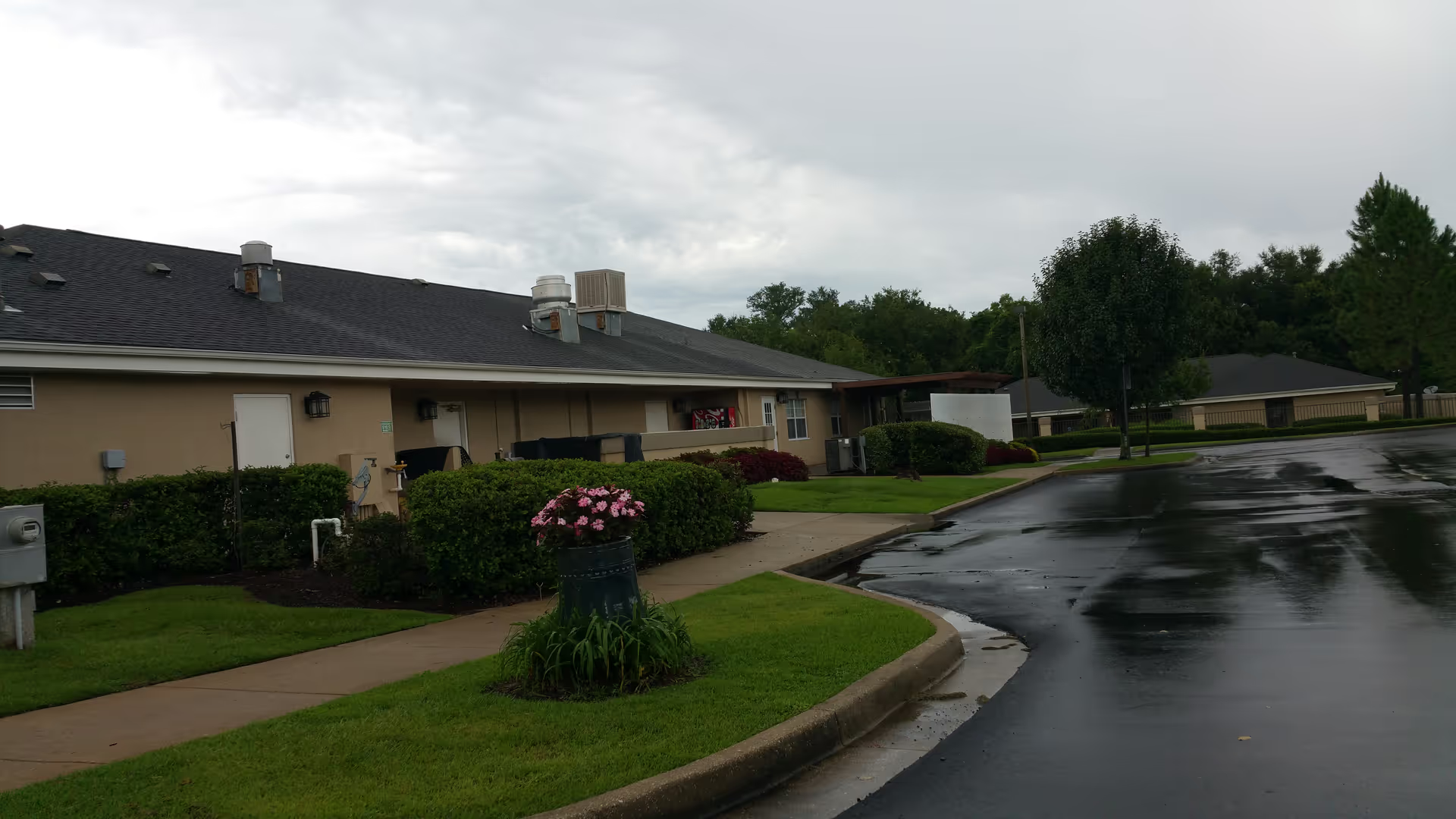
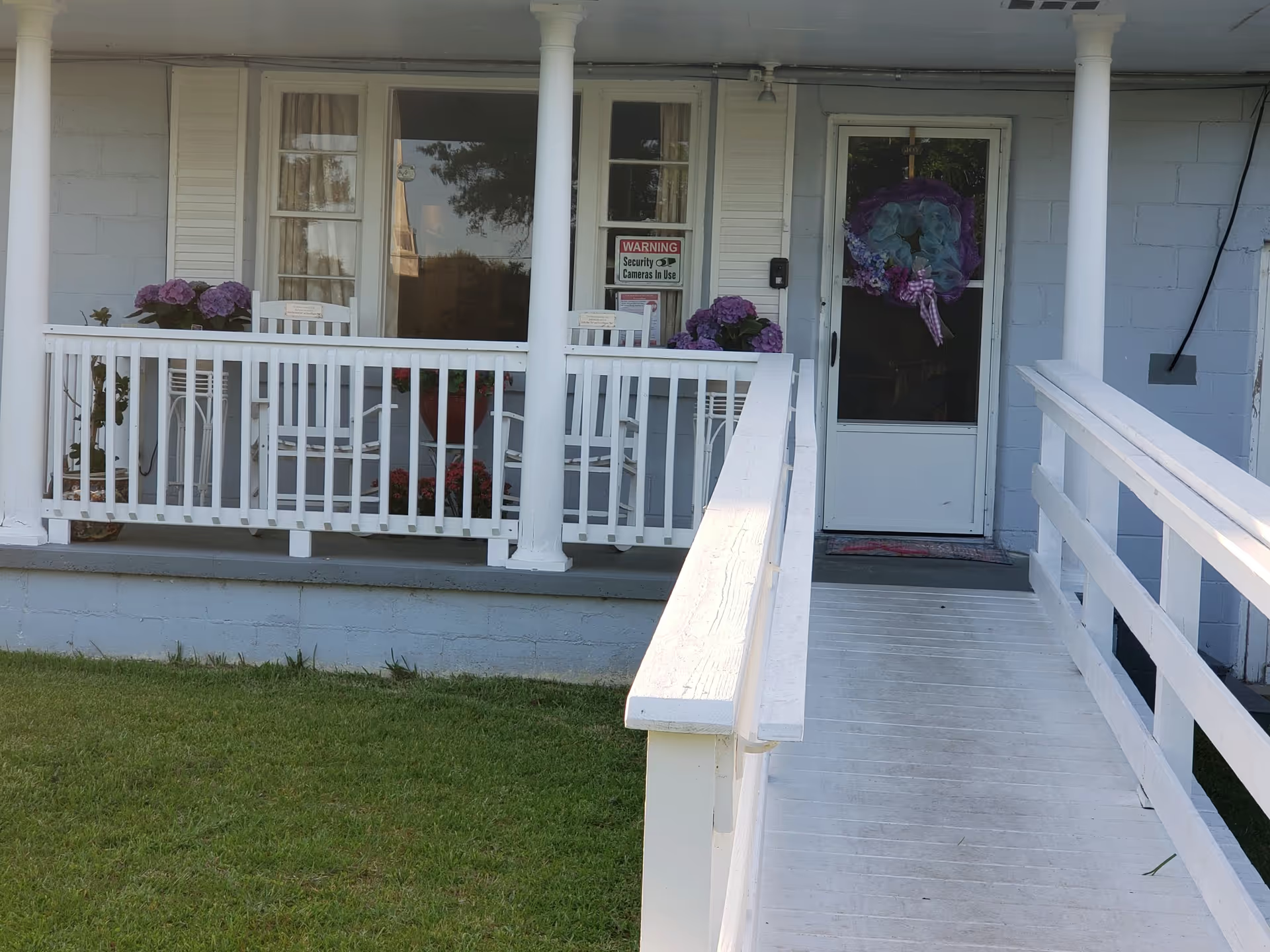
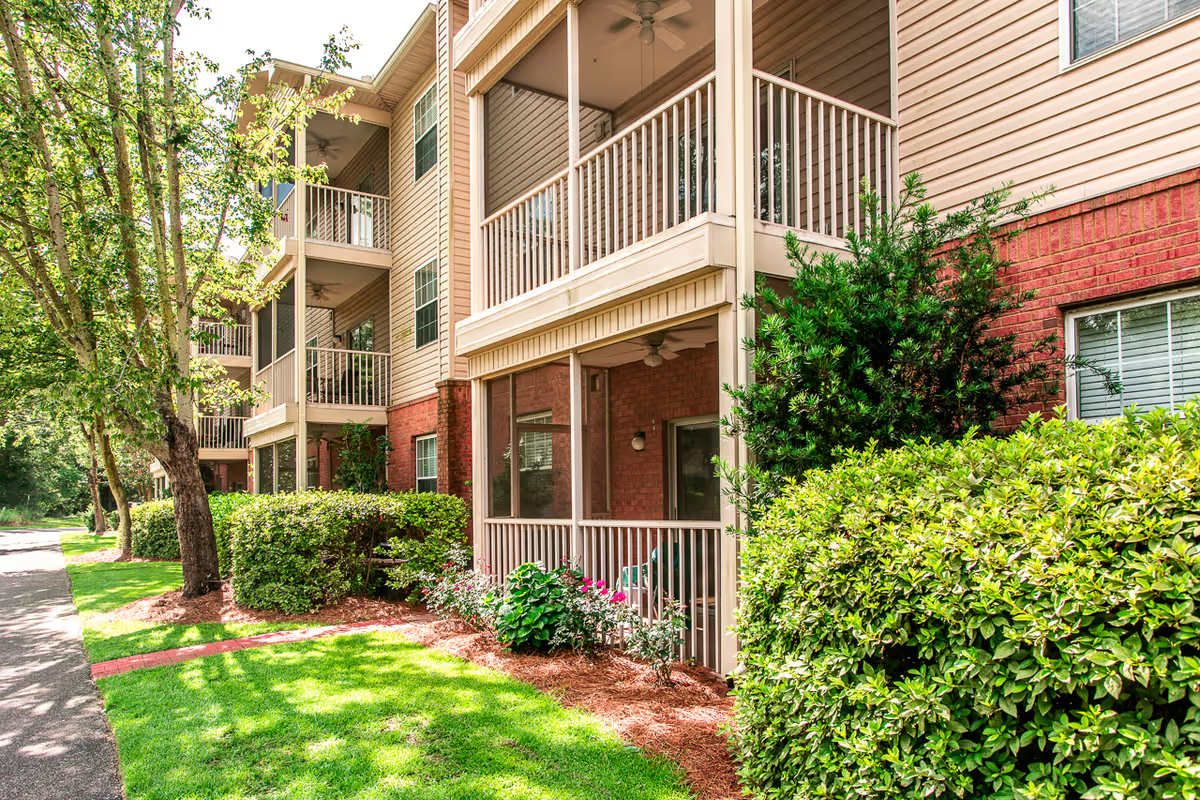
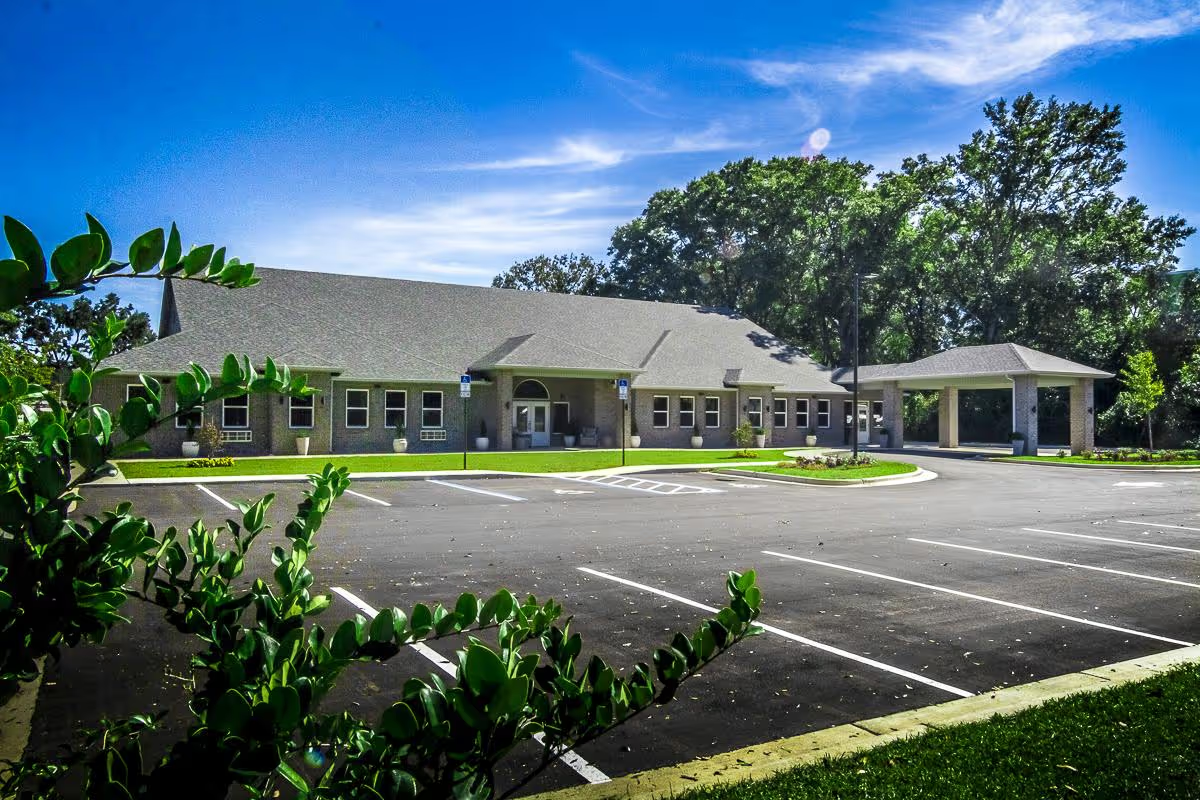
The Waterford at Carpenter's Creek elicits a broad range of experiences but several consistent themes emerge. Many families and residents praise the facility's warm, home-like atmosphere, noting compassionate nursing and caregiving staff, a welcoming front desk and activities team, and a generally clean, well-maintained campus with attractive outdoor spaces. The community offers apartment-style living with in-unit features, weekly housekeeping, on-site salon services, and an on-site therapy/rehabilitation program. It also provides restaurant-style dining three times daily, scheduled transportation, flexible short-term lease options, and visible infection-control measures.
Care and staffing are frequently described as strengths when the team is fully staffed: med techs and nurses are often characterized as attentive, responsive to medical changes, and willing to engage families. The presence of 24/7 nursing oversight and multiple care levels supports residents with escalating needs. However, reviewers also describe variability in staffing levels and staff experience. That variability manifests as delayed assistance, longer waits for baths or medication, and uneven clinical assessment in some cases. These operational inconsistencies suggest prospective families should ask specific questions about current staffing ratios, clinical oversight, and handoff procedures during tours.
Dining and activities are a major draw, with many residents enjoying the social dining room, frequent activities (bingo, crafts, Wii bowling, fitness, chapel services), and outings when scheduled. At the same time, meal quality and menu management are inconsistent in reviewers' accounts: praise for restaurant-style meals coexists with complaints about saltiness, limited menu variety, and occasional meal-service errors. Dietary accommodations and menu consistency appear to be an operational area that can vary over time; families should clarify therapeutic diet availability and how substitutions are handled.
Facility upkeep and services are generally described positively — prompt routine maintenance, weekly apartment cleaning, and attractive common areas — but there are repeated notes of maintenance follow-through problems, occasional water/AC leaks, and localized sanitation or odor concerns. Accessibility is mixed: many units are comfortable and apartment-like, yet some rooms are small or not fully configured for larger mobility devices, and building layout can create long walks to activity spaces. Pest-control concerns and cleanliness of some common surfaces were also raised and warrant inspection during a visit.
Management and administrative practices produce polarized impressions. The marketing and admissions staff receive repeated praise for helpfulness and responsiveness, and flexible leasing options are available. Conversely, families report inconsistent communication, unresolved maintenance or housekeeping requests, surprise billing and charge disputes, and in a few cases serious allegations including theft or financial misconduct. Those latter claims are significant; prospective residents should review contract language carefully, request written explanations of fees, and ask about grievance and auditing procedures.
Overall, Carpenter's Creek may be a good fit for families seeking a community with an engaged activities program, visible nursing presence, apartment-style living, and a warm staff culture when the team is stable. The key cautions are operational consistency: verify current staffing levels, clinical-monitoring practices, meal-diet accommodations, maintenance responsiveness, and billing transparency during an in-person visit. Asking to speak with current families, touring multiple unit types, and requesting recent inspection or staffing reports can help assess whether the facility's strengths are being sustained at the time of move-in.