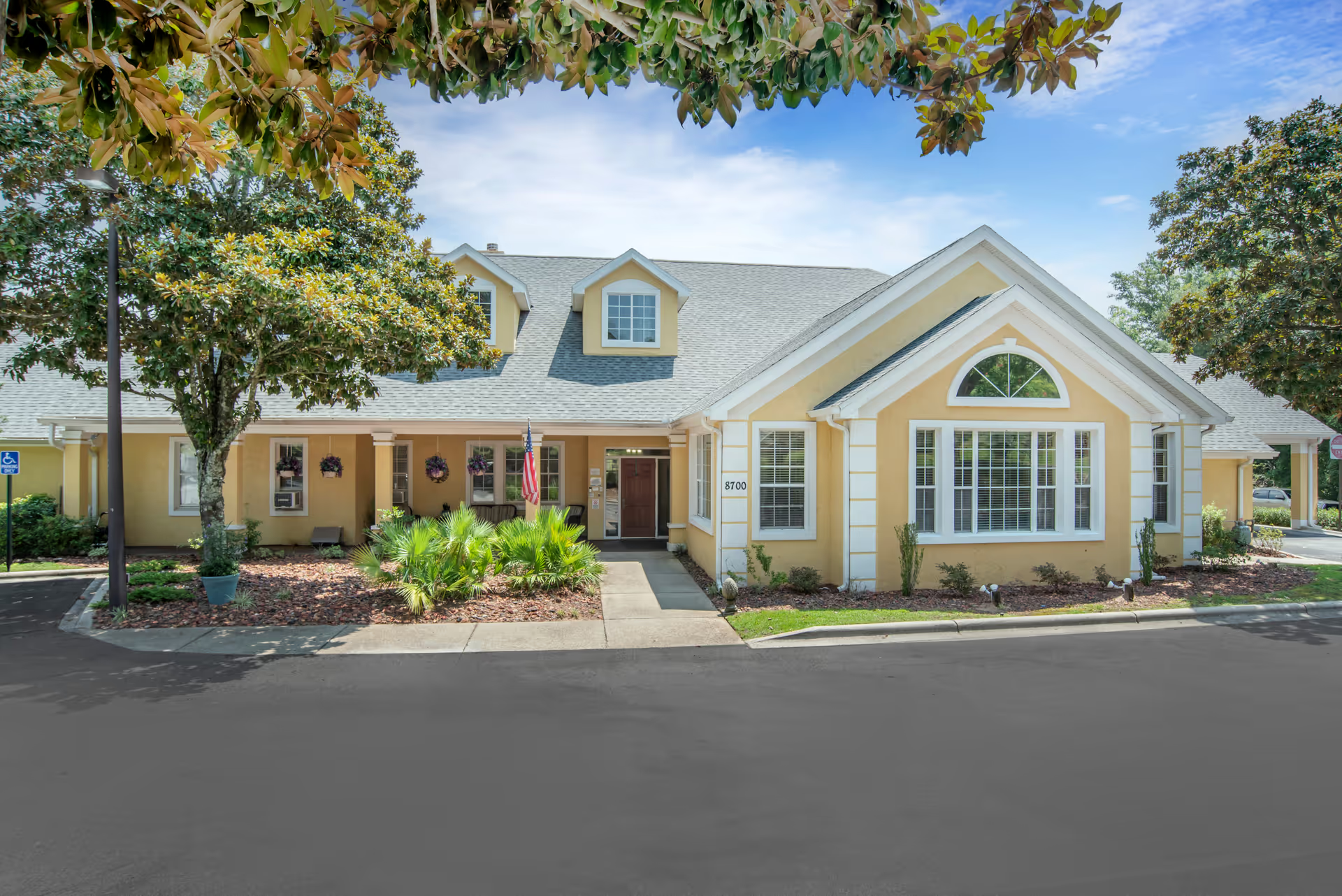
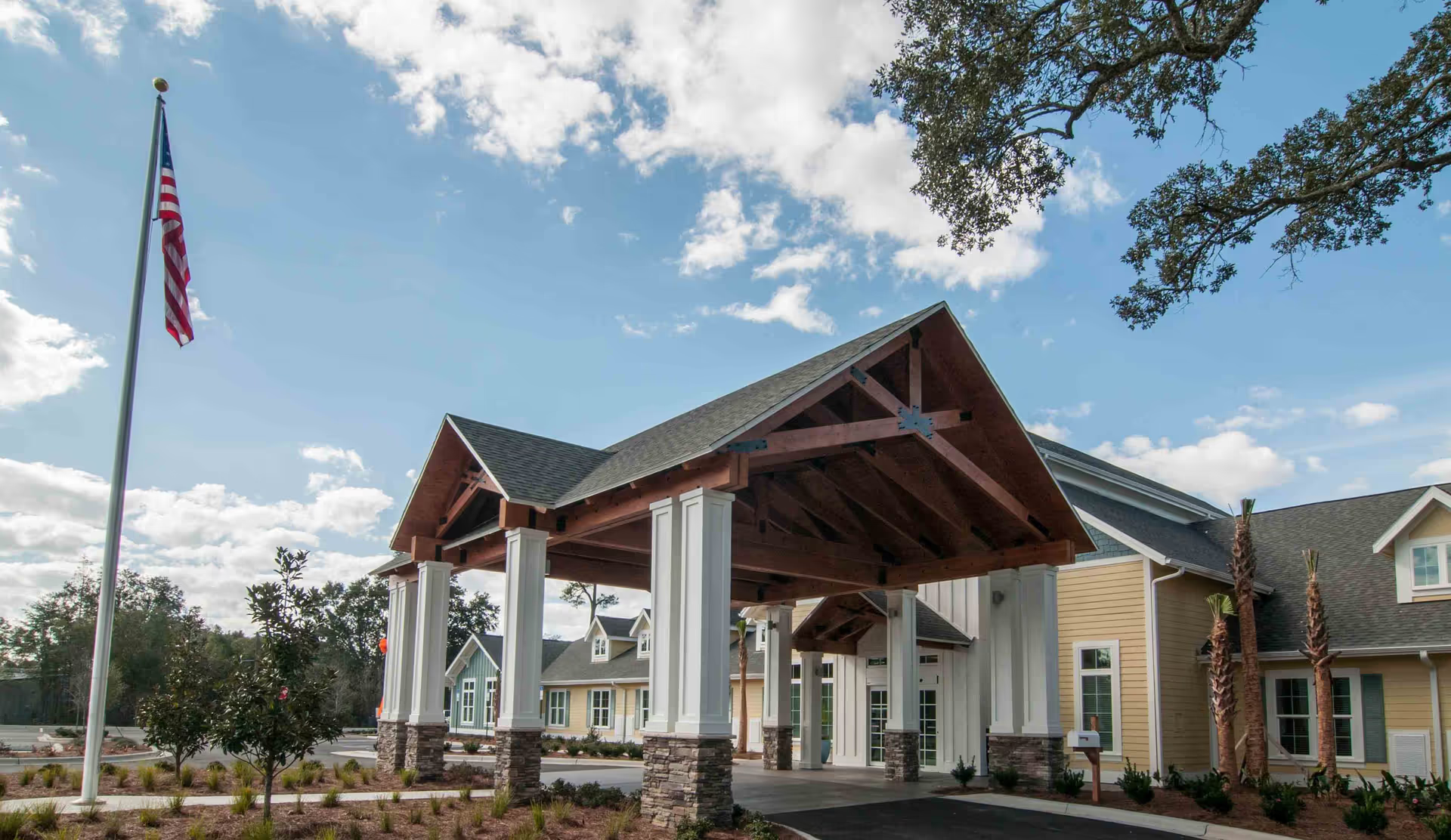
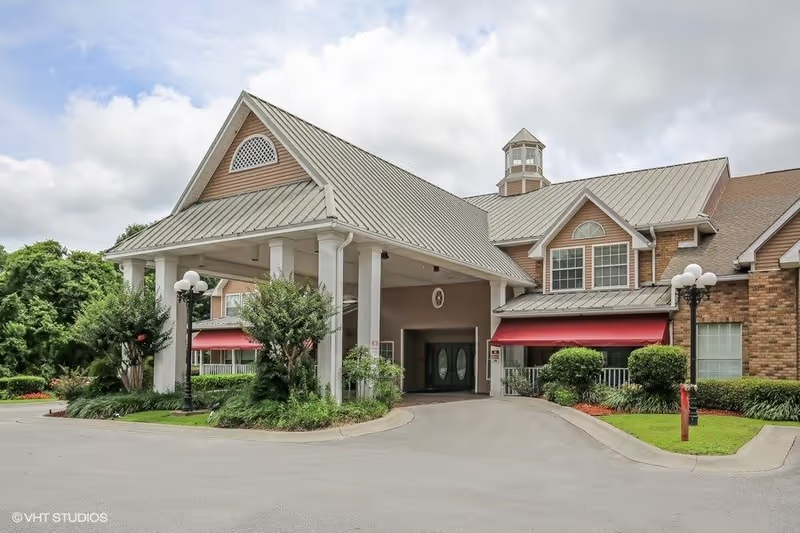
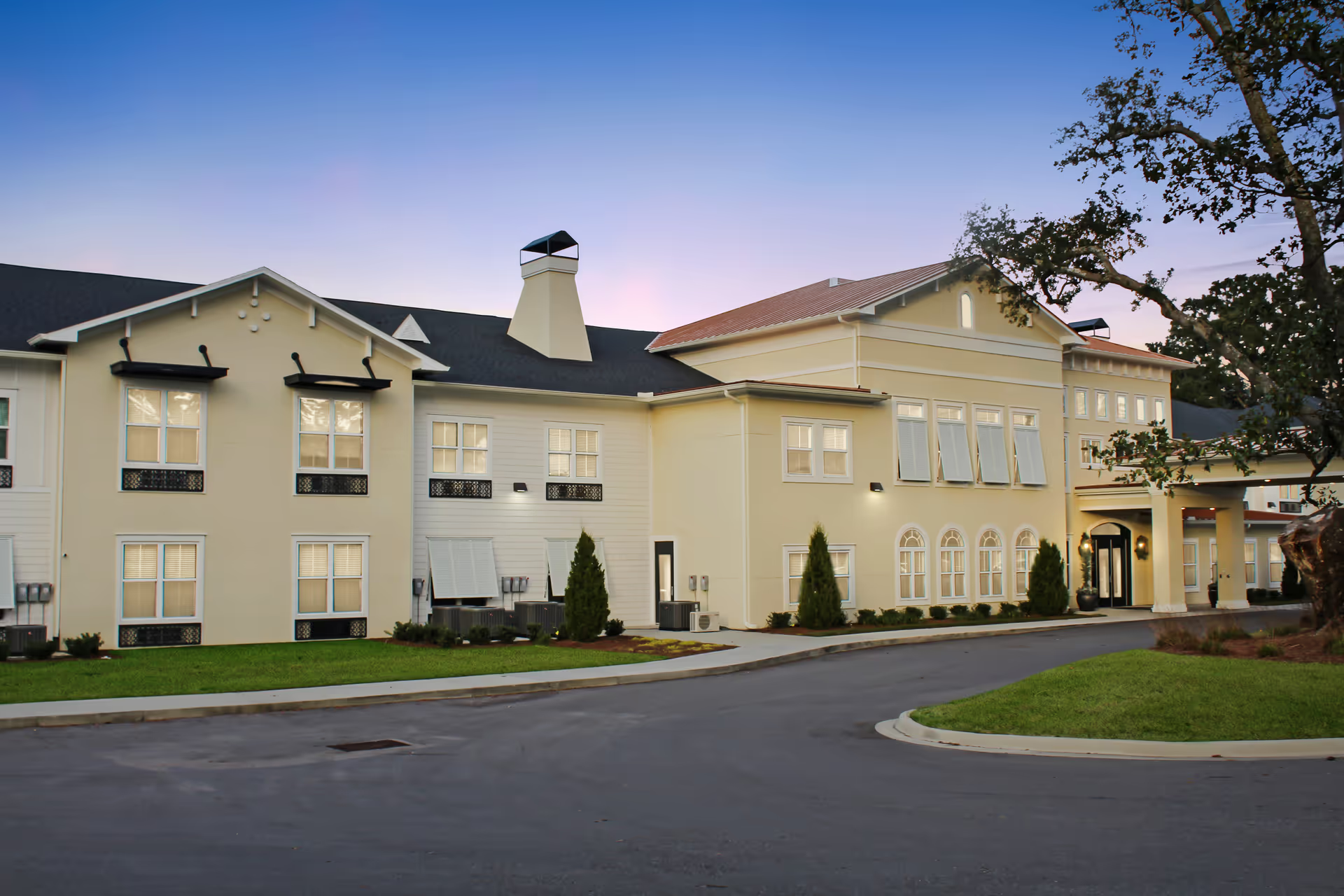
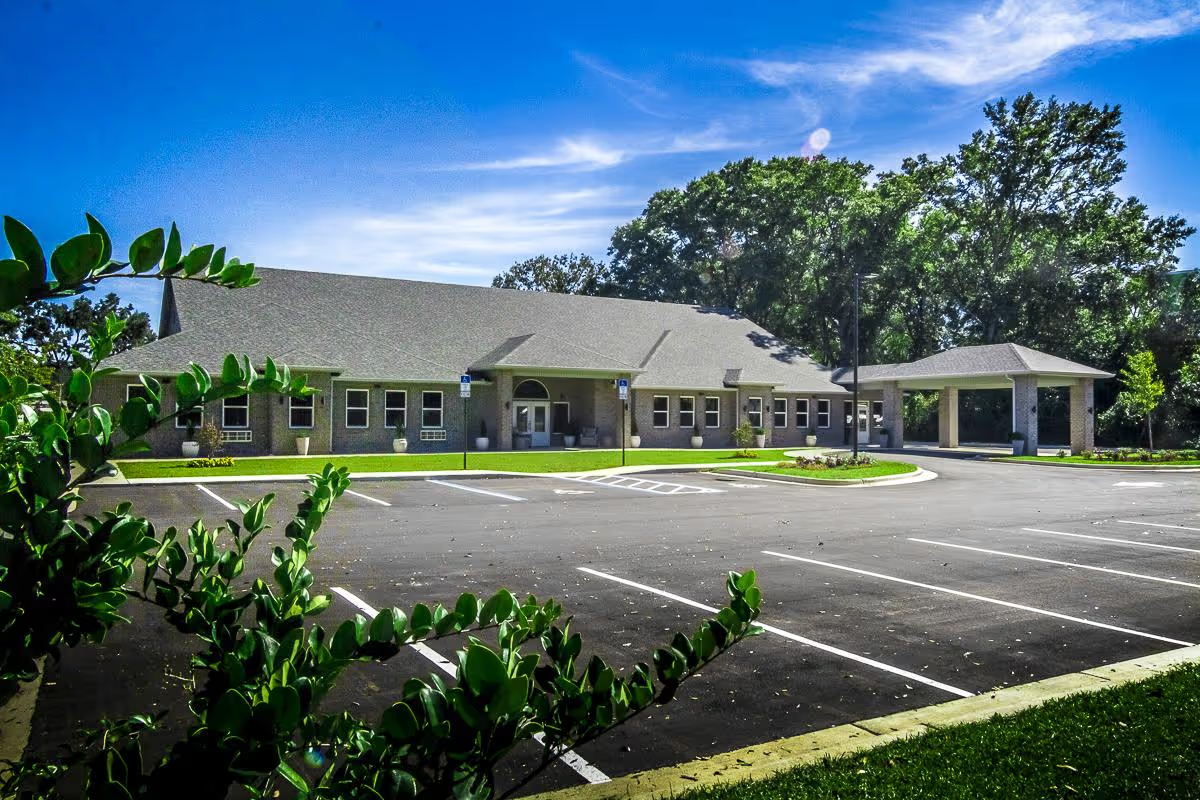
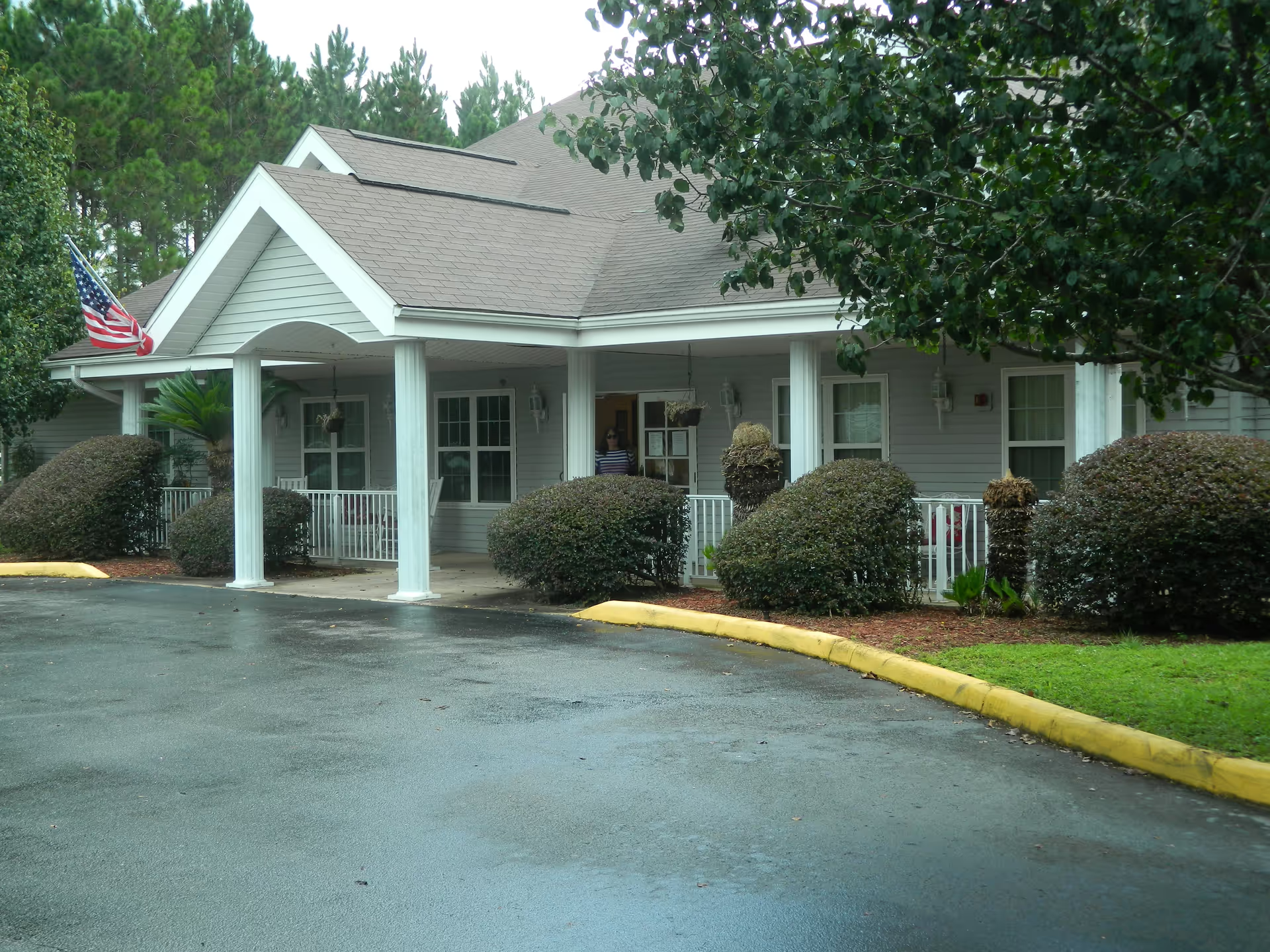
University Pines presents as a broadly active independent-living community with a strong emphasis on social programming and resident engagement. Reviewers consistently describe an abundance of scheduled activities — exercise classes, games, clubs, arts and crafts, and frequent offsite trips — and an involved activity staff that helps create a lively atmosphere and ease social transitions for new residents. The campus layout and communal spaces (large bright dining room, atrium areas, patios and walking trails) support frequent interaction and socialization.
Staffing and direct-care characteristics are a clear strength in terms of interpersonal relationships: many families and residents describe staff as warm, attentive, and familiar by name, and praise front-line teams in culinary, maintenance, transportation, and housekeeping. At the same time, operational pressures are evident. Multiple notes point to staffing shortages and management turnover that have reduced service availability at times (fewer offered activities, delayed meal service, or limited housekeeping). The community is positioned as independent living rather than assisted care — there is limited on-site nursing — so prospective residents who require frequent clinical oversight should consider that gap.
Dining is a focal point of community life. When fully staffed and operating in the dining room, food and service receive frequent praise (chef-led menus, restaurant-style presentation). However, reviewers also document inconsistency: meal quality and timeliness have suffered during kitchen staffing interruptions or lockdown periods, and some families described cold or delayed deliveries and diminished menu variety at times. Those variations have affected perceived value for certain residents and families.
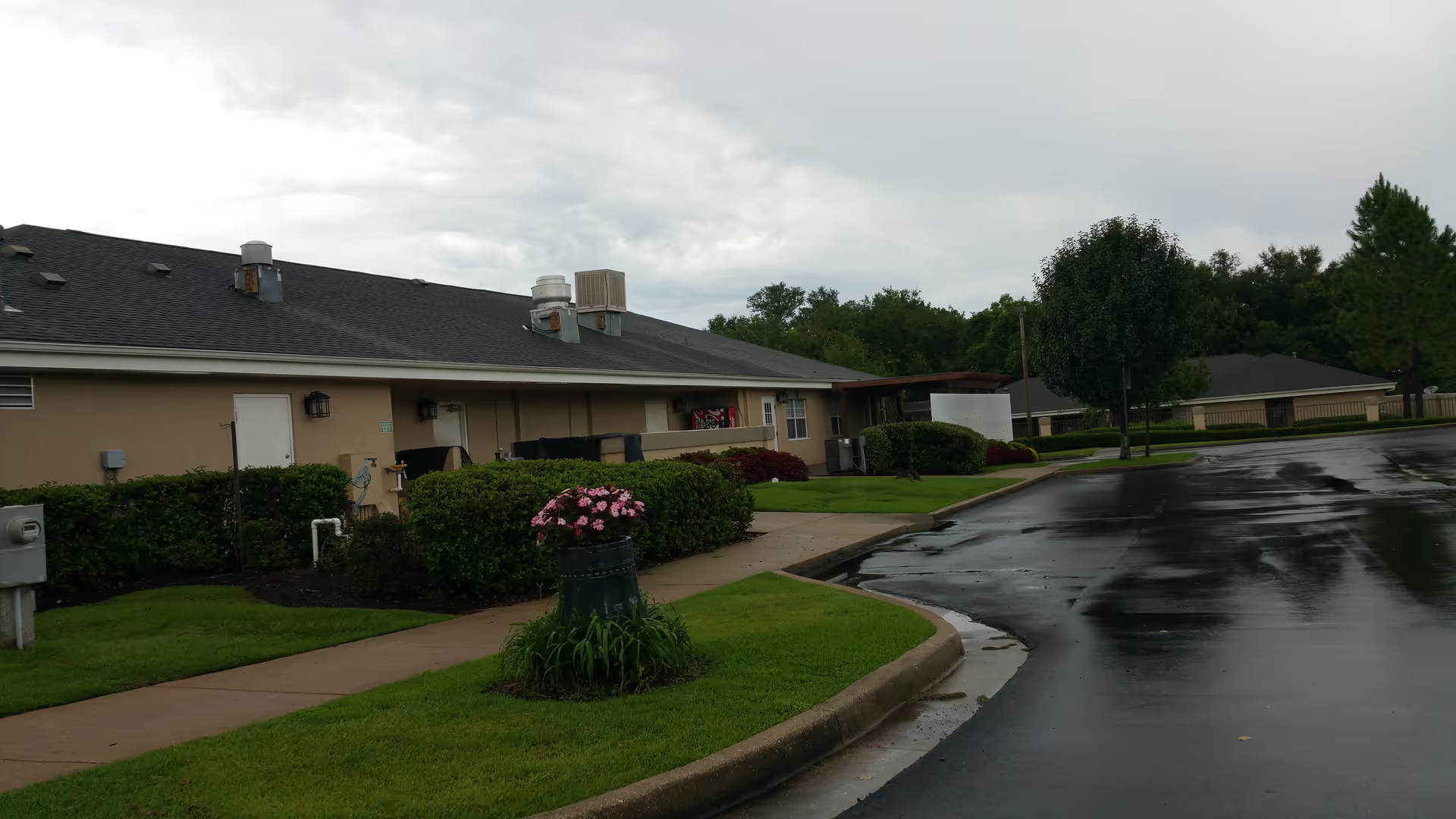
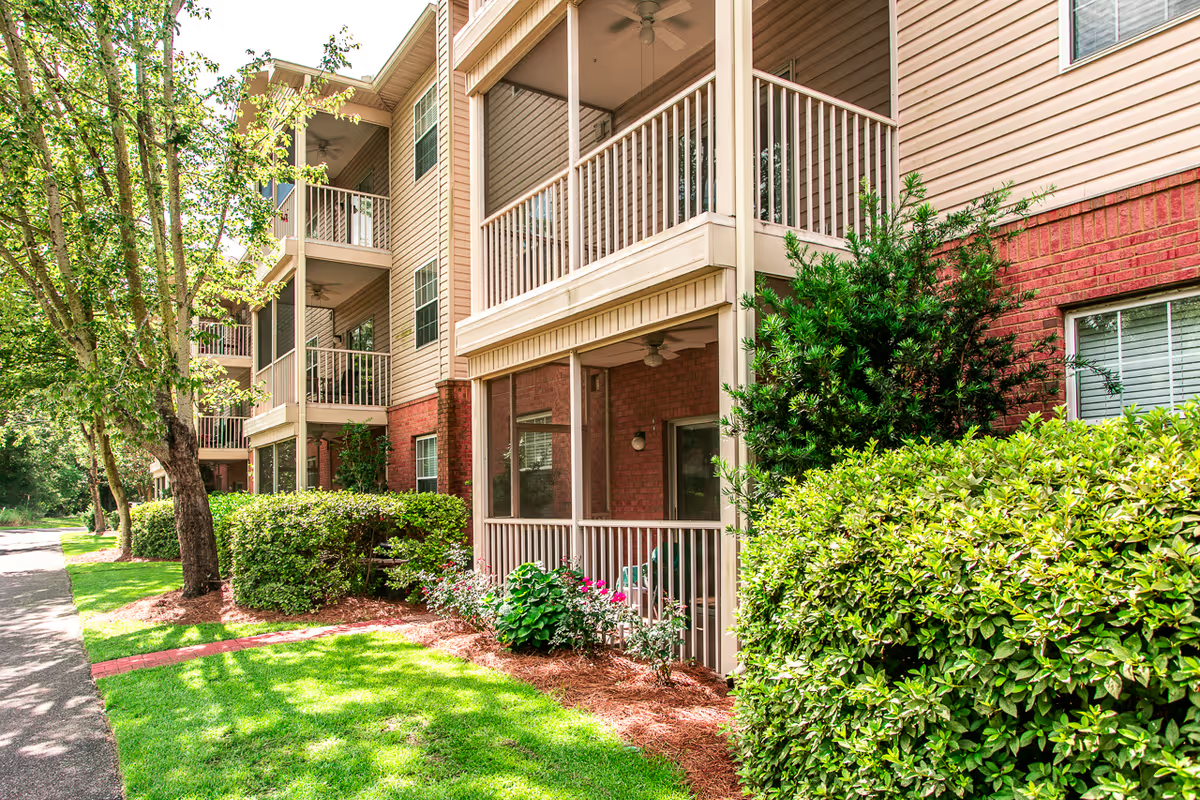
Facilities and amenities are generally described as bright, clean, and well appointed, with a range of apartment sizes (studios through multi-bedroom) that include patios, balconies, or kitchenettes. On-site amenities such as a salon/barbershop, library, chapel, fitness area, and community bus add convenience. Nevertheless, recurring operational concerns appear in facility-related feedback: pest-control issues in some units and common areas, occasional flooding or leaks, and limited elevator capacity in heavier-use periods. Housekeeping and linen-change practices are described inconsistently across reports, with some residents receiving reliable weekly service and others experiencing gaps.
Management, policies, and transparency are another mixed area. Tours, admission staff, and move-in assistance are frequently praised for being informative and welcoming. Conversely, reviewers note management turnover, intermittent communication lapses, and occurrences where fee or deposit terms were not fully anticipated by families. Additional operational risk areas raised include gaps in medication-management documentation and questions about infection-control practices during outbreaks; these warrant direct inquiry during any decision process.
Overall pattern: University Pines is often described as a warm, activity-rich independent-living community with strong social amenities and many residents who are satisfied with staff and lifestyle. At the same time, there are repeated indications of operational strains — staffing variability, occasional maintenance and pest-control problems, inconsistent meal-service continuity, and limited clinical services — that can affect day-to-day experience. Prospective residents and families would benefit from an in-person inspection of specific units, direct questions about current staffing and clinical supports, clarification of housekeeping and dining policies, review of entry/security controls, and a careful reading of contract and fee disclosures before committing.