Community Care Center elicits highly polarized experiences: many families and short-term rehab patients praise the facility for strong therapy services, compassionate caregivers, and responsive administrative leadership, while other accounts describe persistent operational shortcomings that have direct clinical and quality-of-life implications.
Care quality is uneven. Positive accounts emphasize attentive nurses and aides, timely response to hypoglycemia and other acute needs, effective PT/OT programs that support measurable rehabilitation gains, and inclusive care-planning conversations involving family members. Conversely, multiple reviews describe delays in clinical tasks such as medication administration, inconsistent wound and pressure-injury care, and delays in assistance with toileting and hygiene needs. These patterns point to variability in clinical follow-through and gaps in the consistency of nursing practice.
Staffing and staff conduct are recurring themes. Many reviewers identified individual staff who provided compassionate, above-and-beyond care and praised specific therapy and administrative personnel. At the same time, there are recurring descriptions of understaffing (notably on nights and weekends), long call-bell response times, inconsistent handoffs between shifts, and variable communication tone. These factors contribute to family frustration and to situations where resident needs are delayed or poorly coordinated.
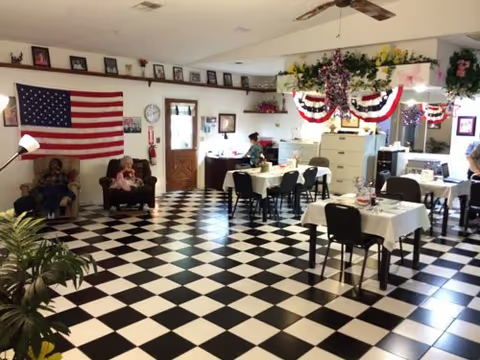
Dining and activities are a mixed picture. The facility receives credit for a meal program that can be above average with customizable choices, a daily refreshment cart, and pleasant social dining areas and outdoor patios. Activities such as bingo, church services, and organized social programs were appreciated. However, reviewers also reported inconsistent meal timing, occasional cold or late meals, and variability in activity variety and staffing for those programs.
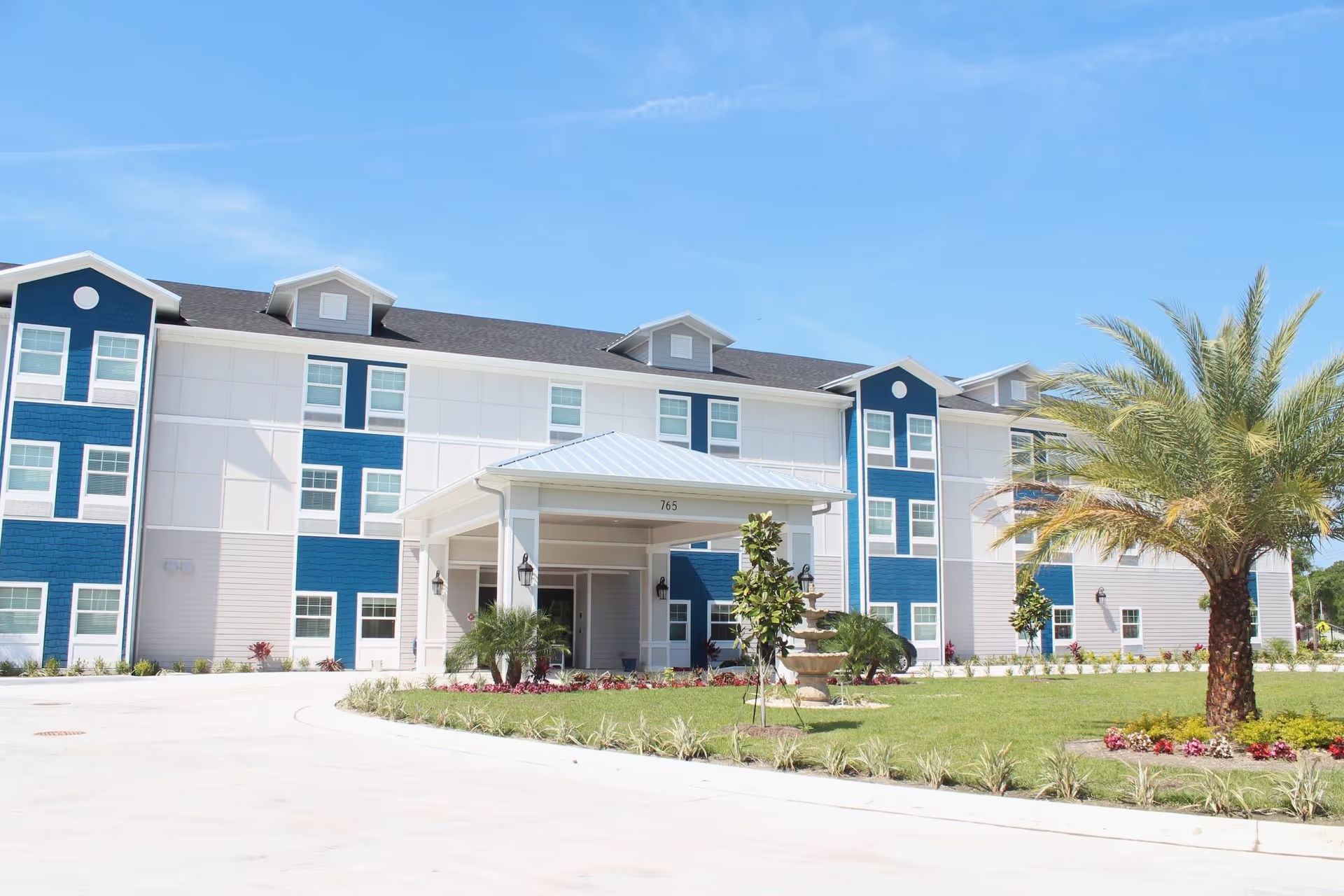
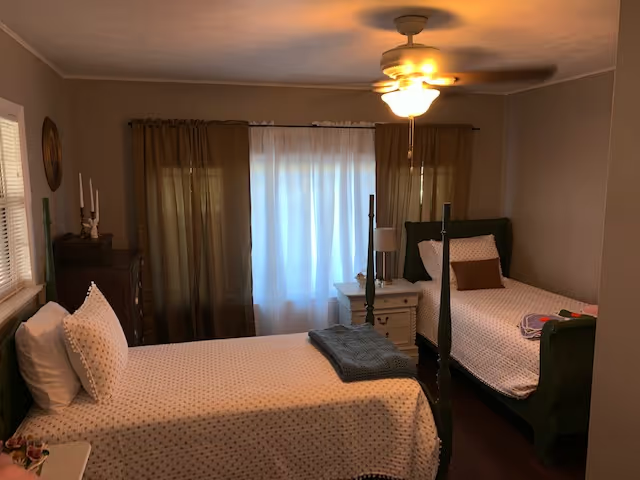
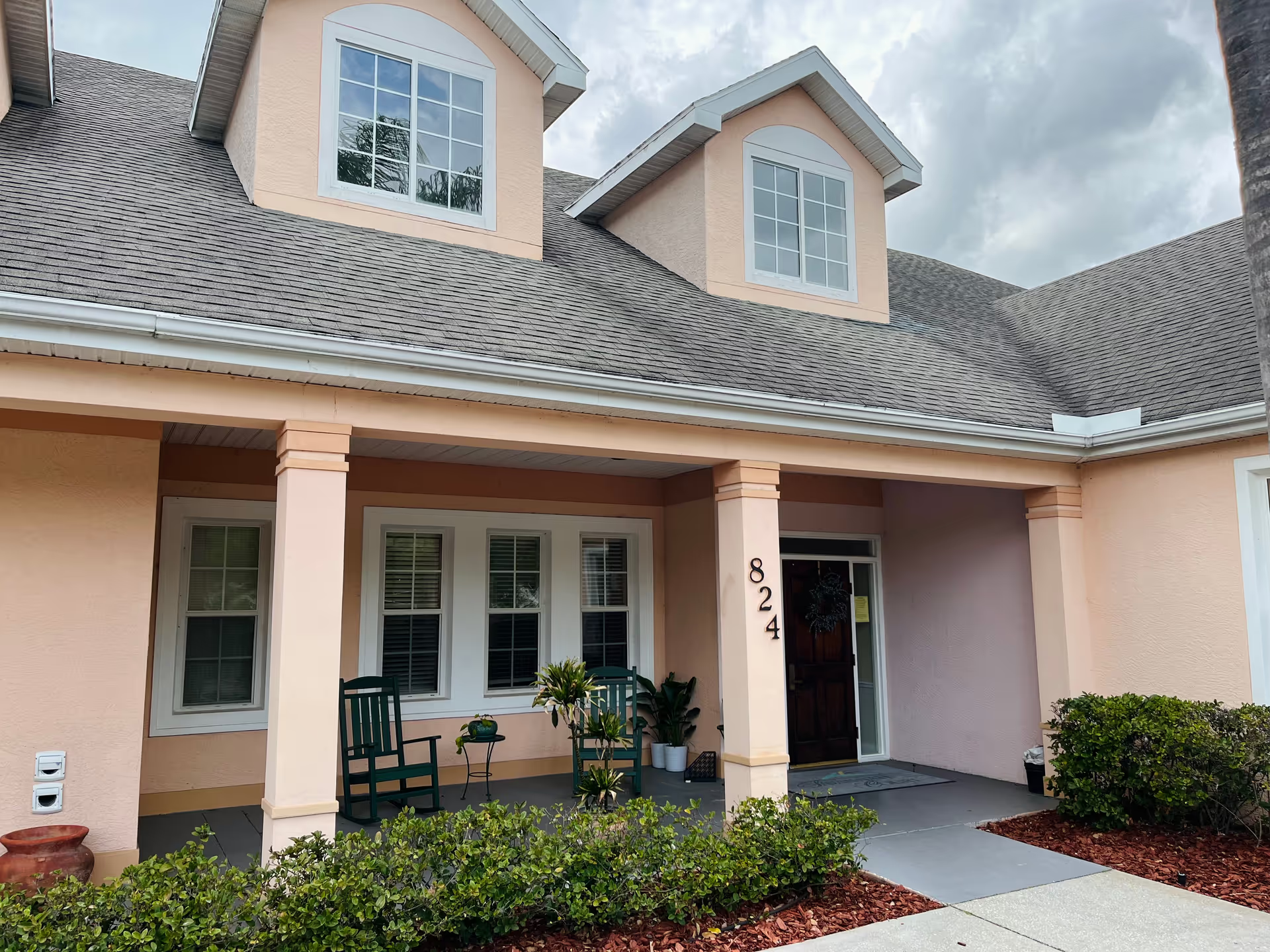
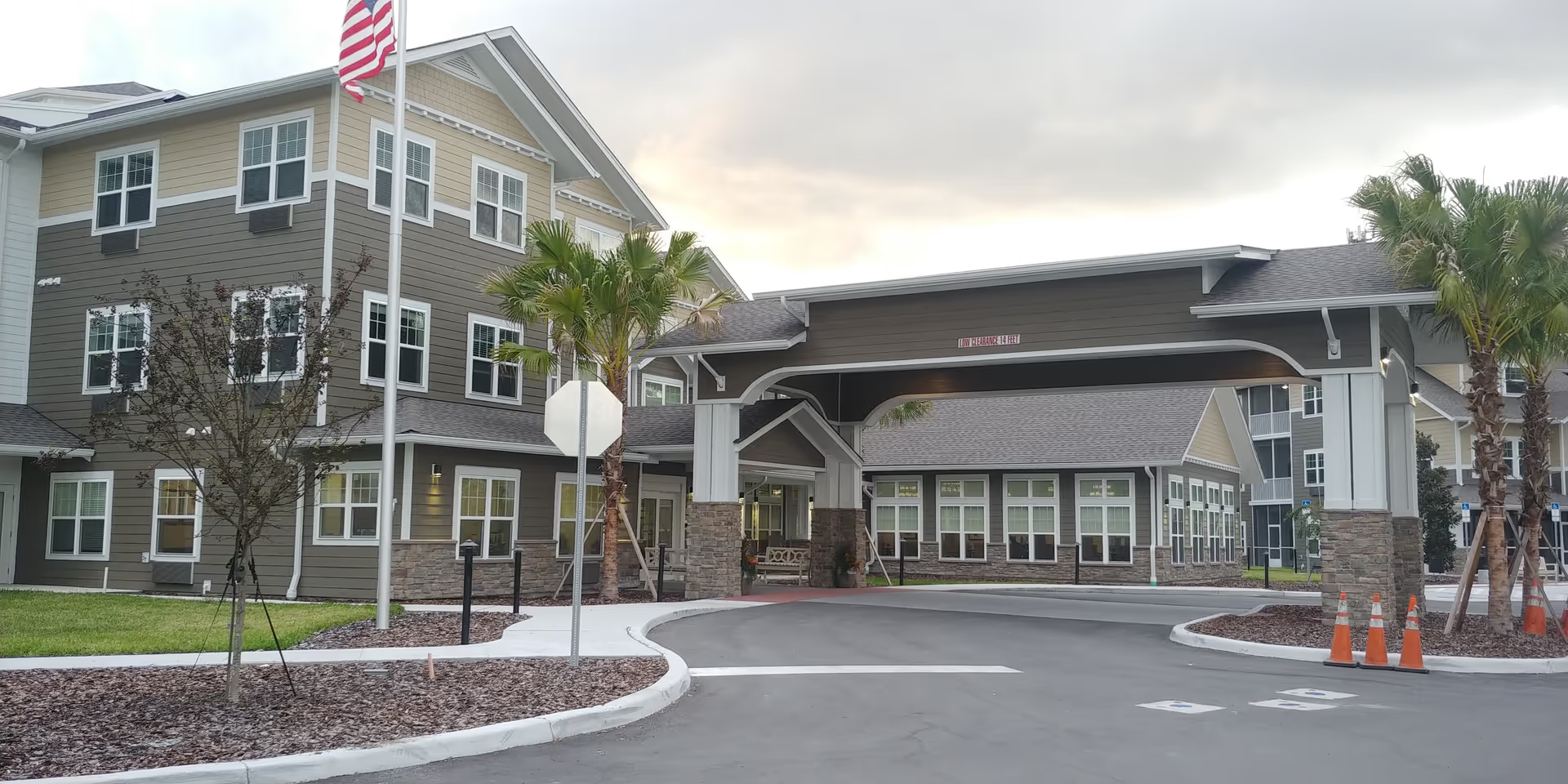
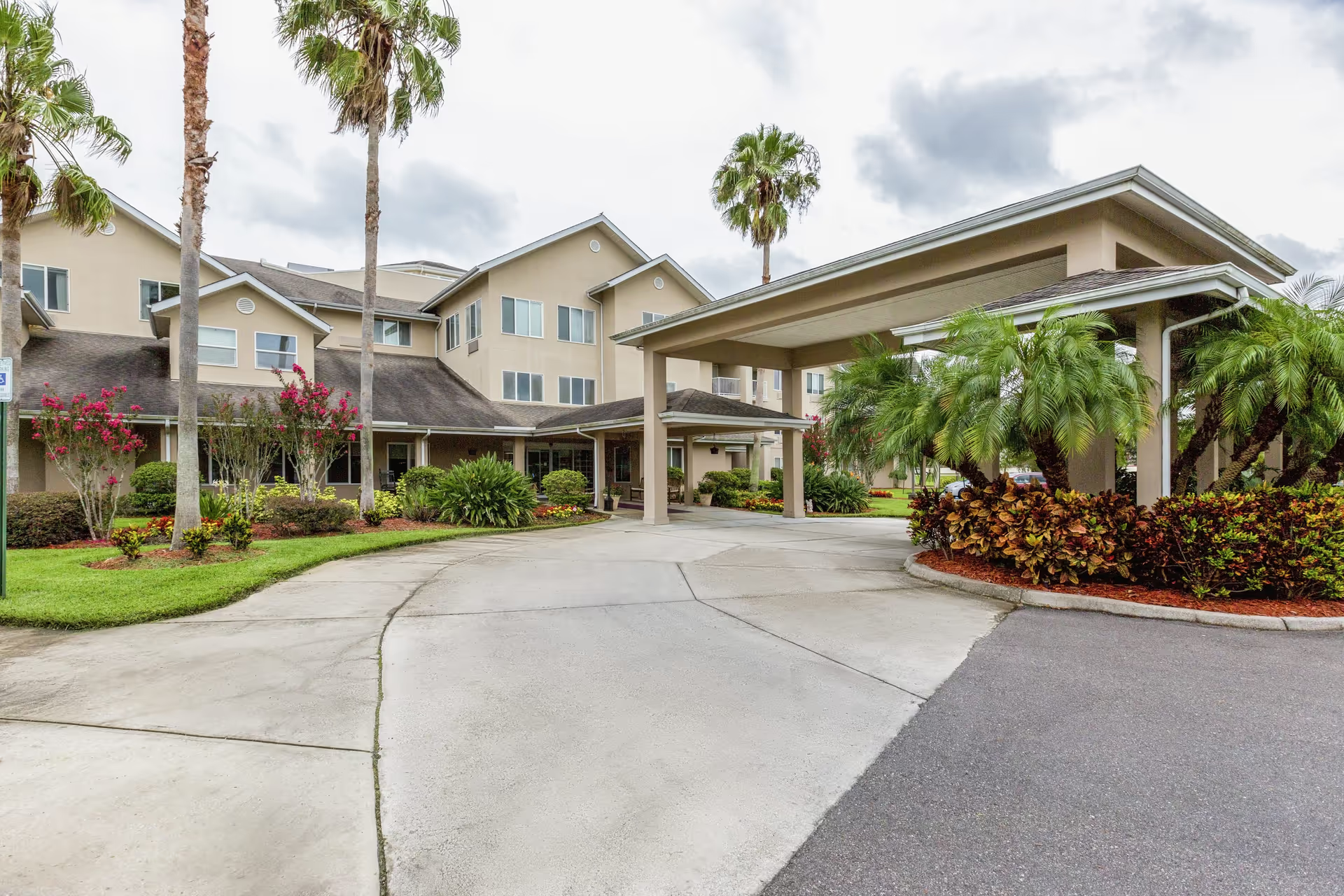
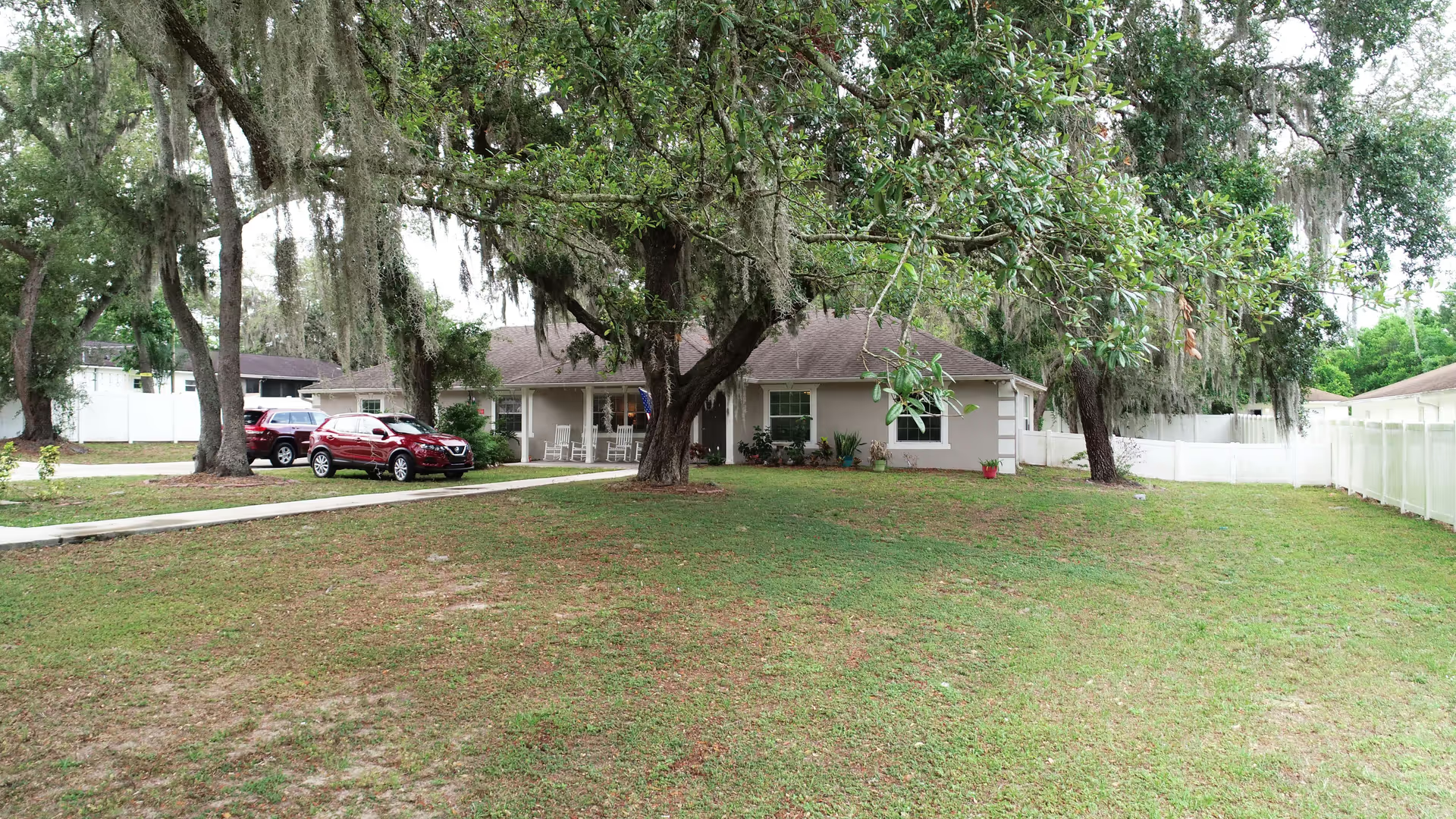
Facility condition and property management show a clear split. Several families describe clean, well-maintained rooms and common areas, while others report aging infrastructure, deferred maintenance (including problematic building elements), odor concerns in some areas, and lapses in routine sanitation. Laundry and personal-property management emerged as a consistent operational weakness: missing or delayed return of clothing and personal items, and allegations of theft in some accounts. Infection-prevention practices were raised as a concern in multiple reviews, including inconsistent PPE use and lapses that families linked to transmission events; there are also a small number of serious incident-related allegations that families cited.
Management and leadership perceptions vary. Some reviewers singled out the administrator and social-work team as accessible, responsive, and effective, and credited leadership with improving care and family communication. Other families described difficulty reaching administration, unclear billing or service explanations, and inconsistent follow-through on commitments (for example, delayed refunds or unresolved service claims). This variability suggests that leadership strengths exist but are not uniformly experienced by all families.
Overall patterns and practical takeaways: the facility appears to deliver strong short-term rehabilitation and certain person-centered services when staffing and leadership engagement are sustained. Persistent operational issues—particularly inconsistent sanitation, property-management failures, staffing shortfalls, clinical follow-through gaps, and infection-control lapses—create risk for poorer experiences among long-term residents and families less able to advocate on a daily basis. Prospective residents and families should arrange an in-person tour including observation of meal service and cleanliness, ask for current staffing ratios, inquire about infection-control protocols and laundry/property procedures, and request specifics about medication administration and wound-care schedules before making a placement decision.