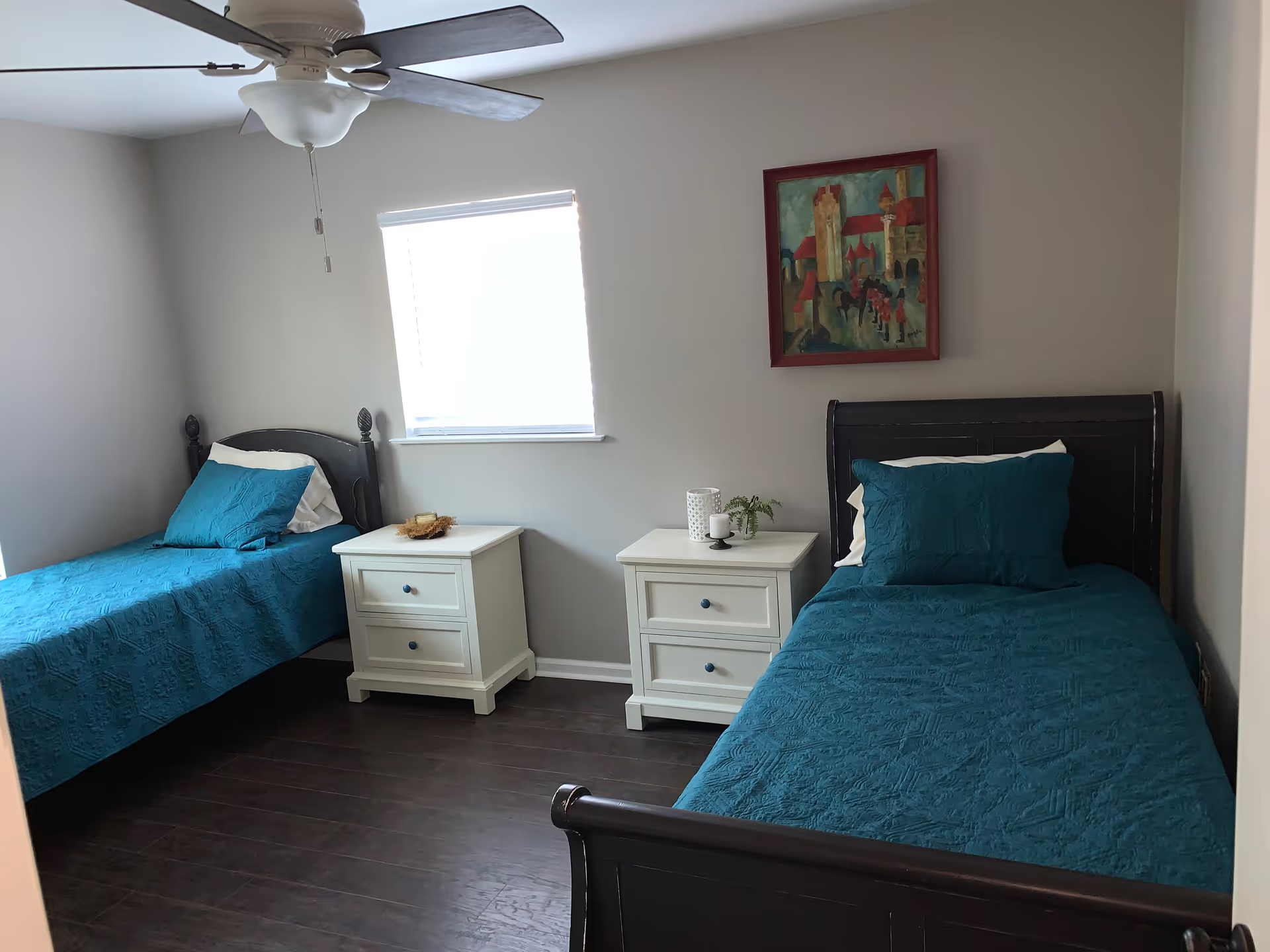
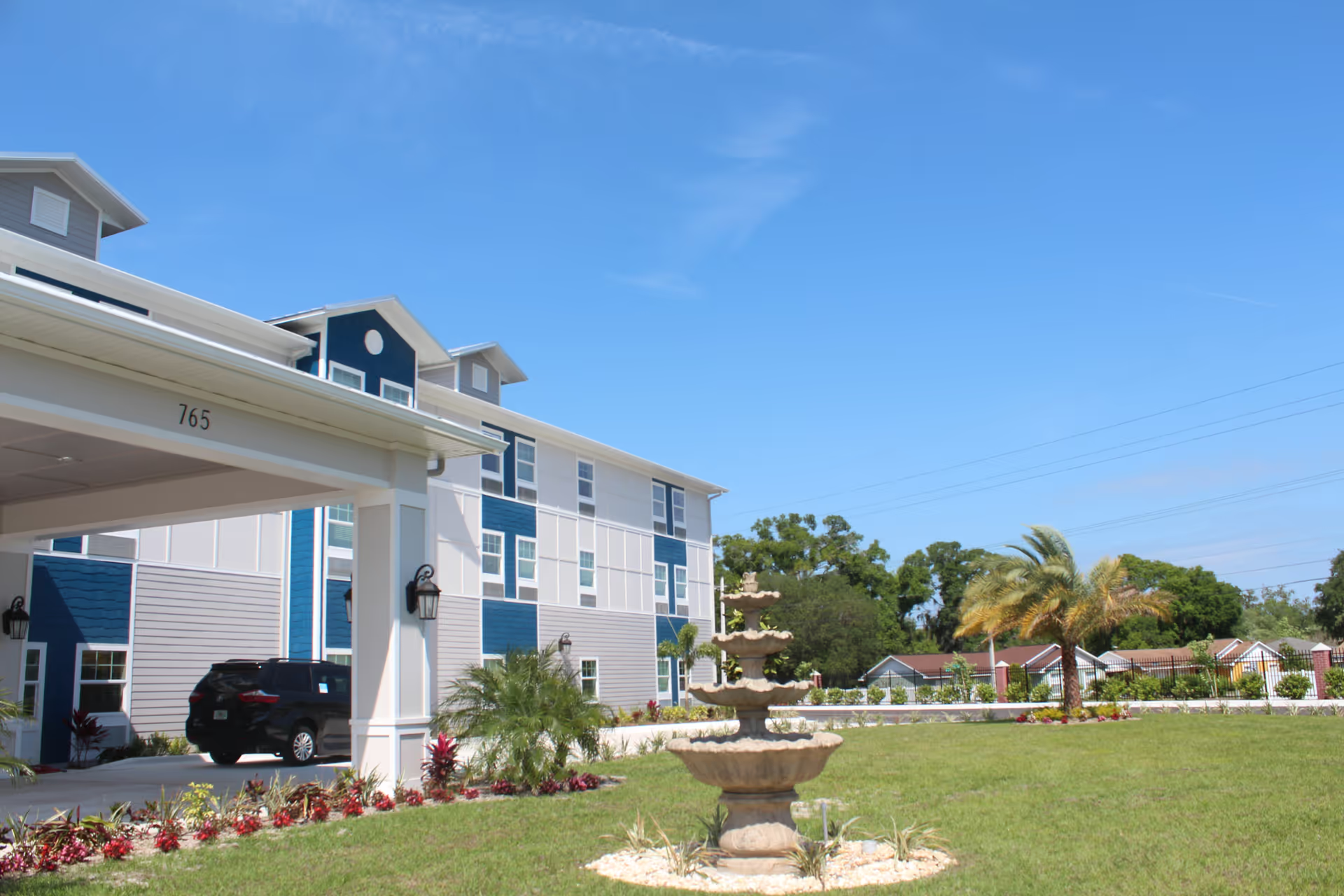
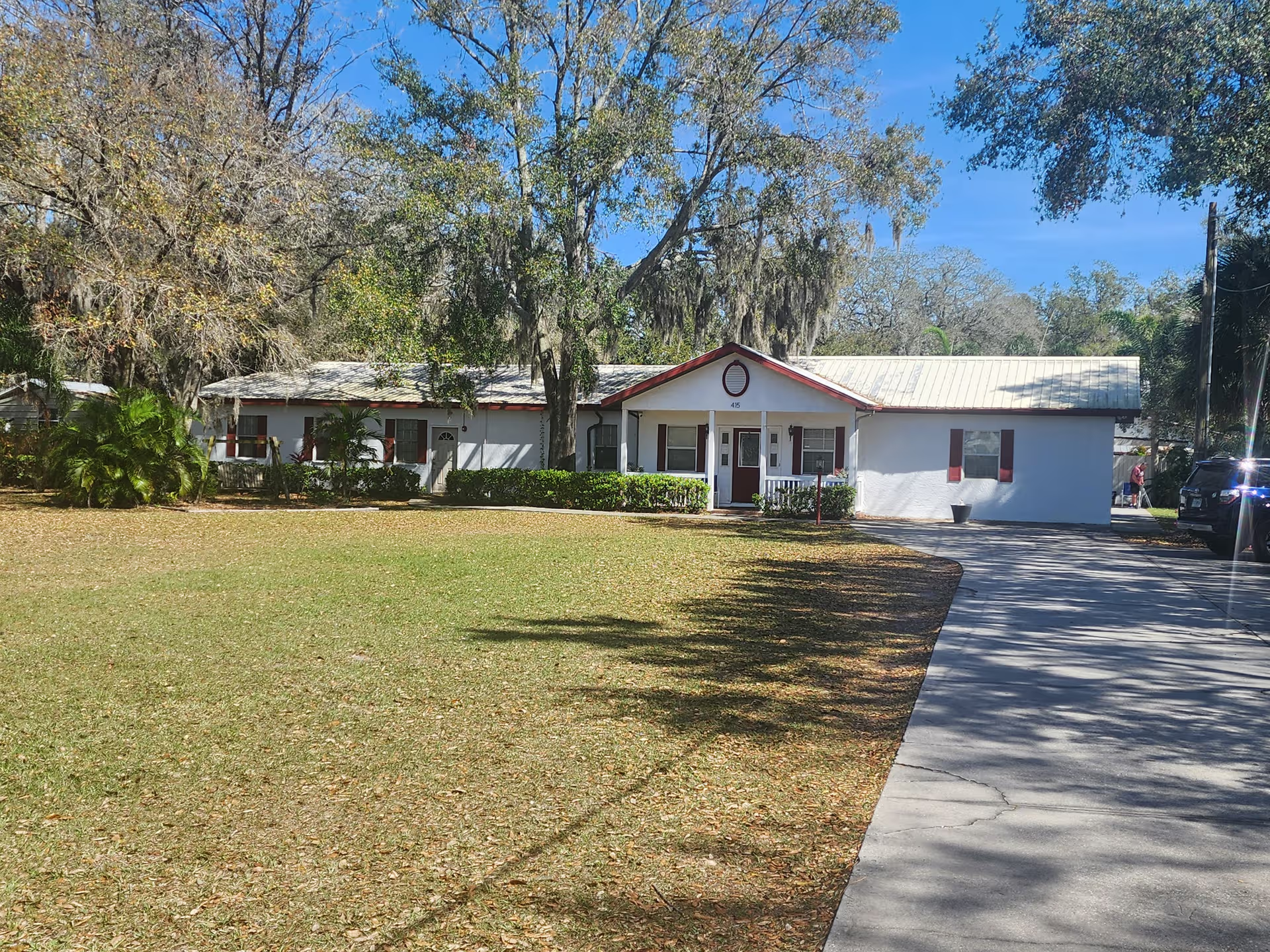
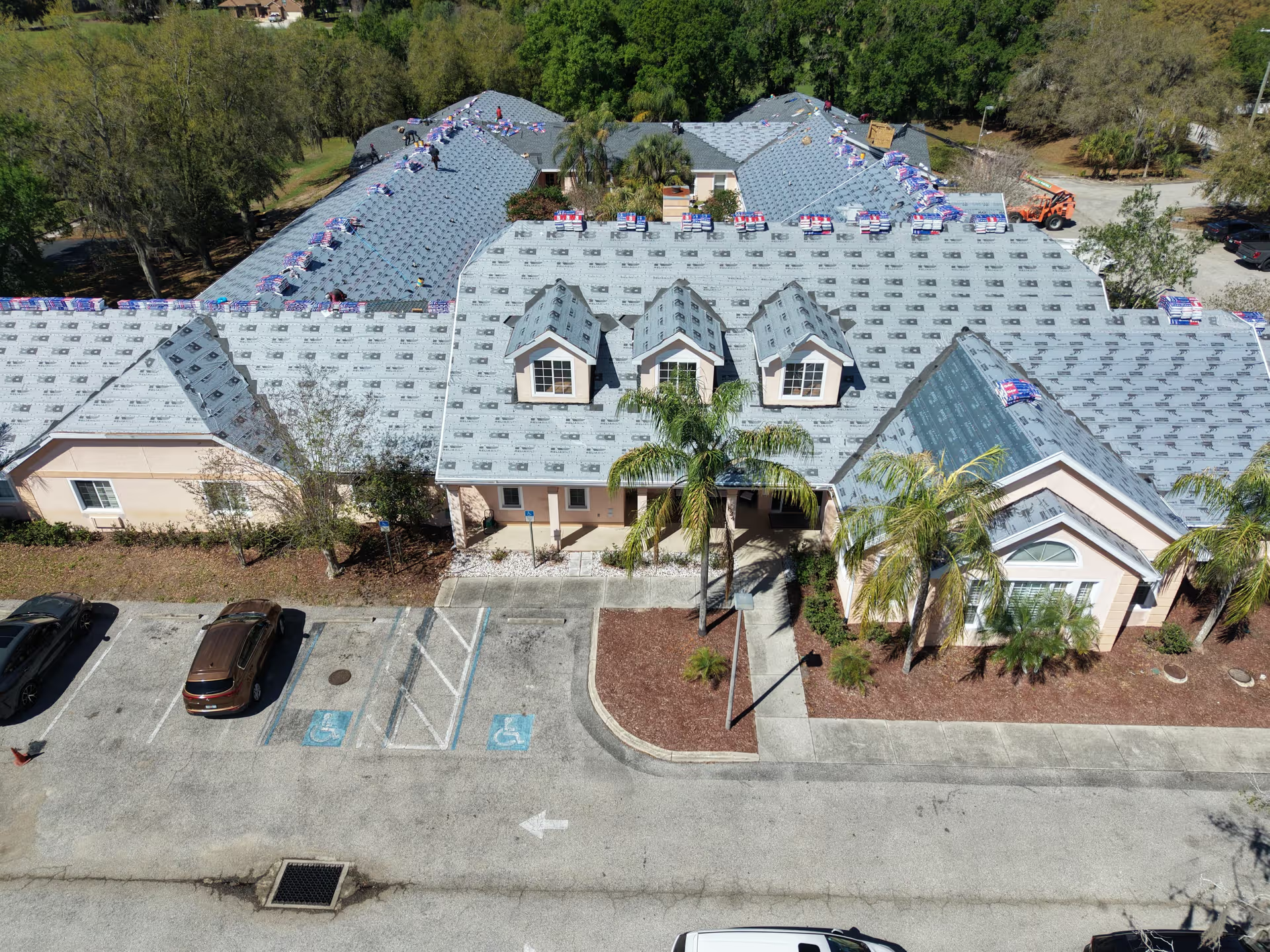
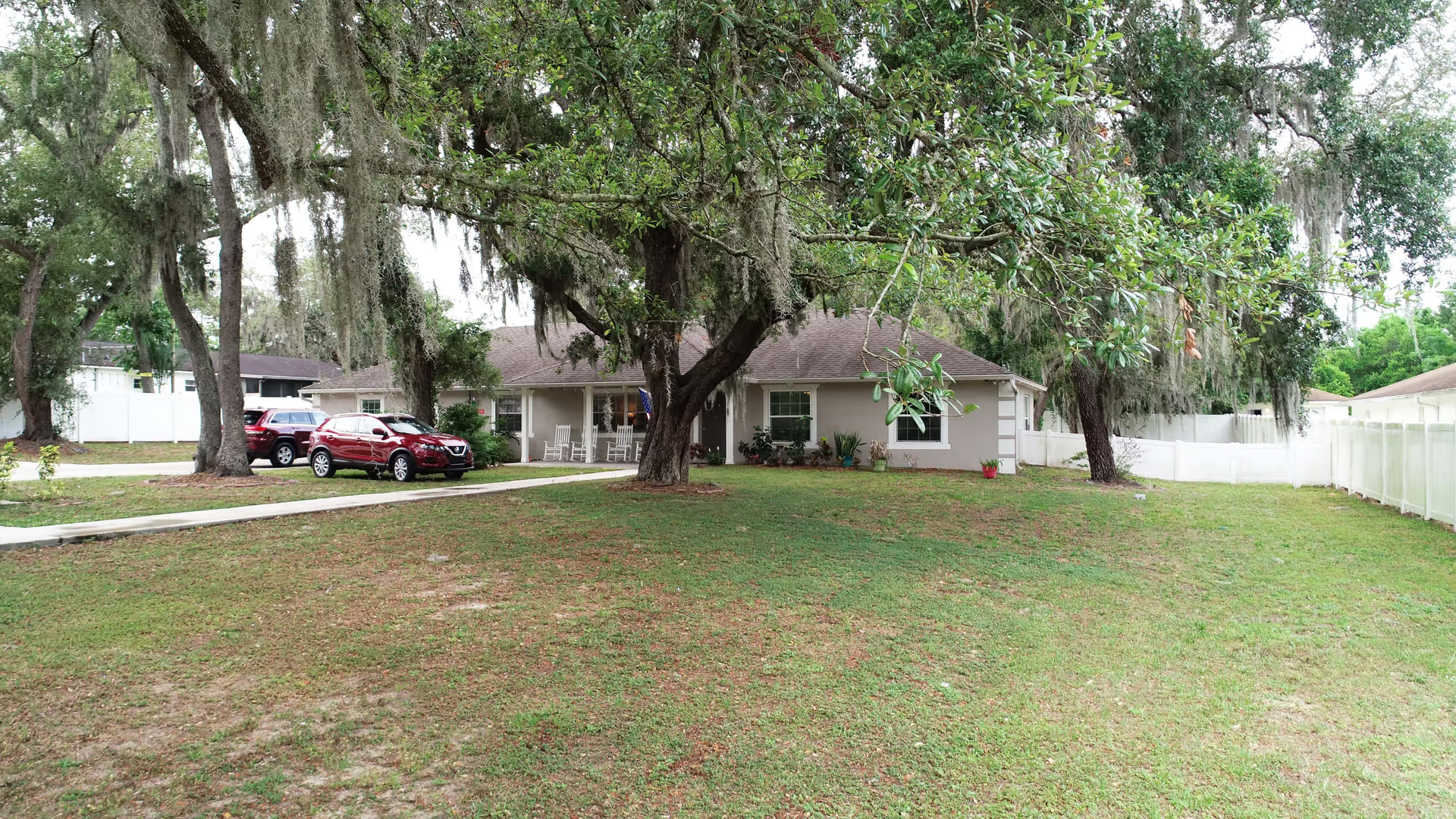
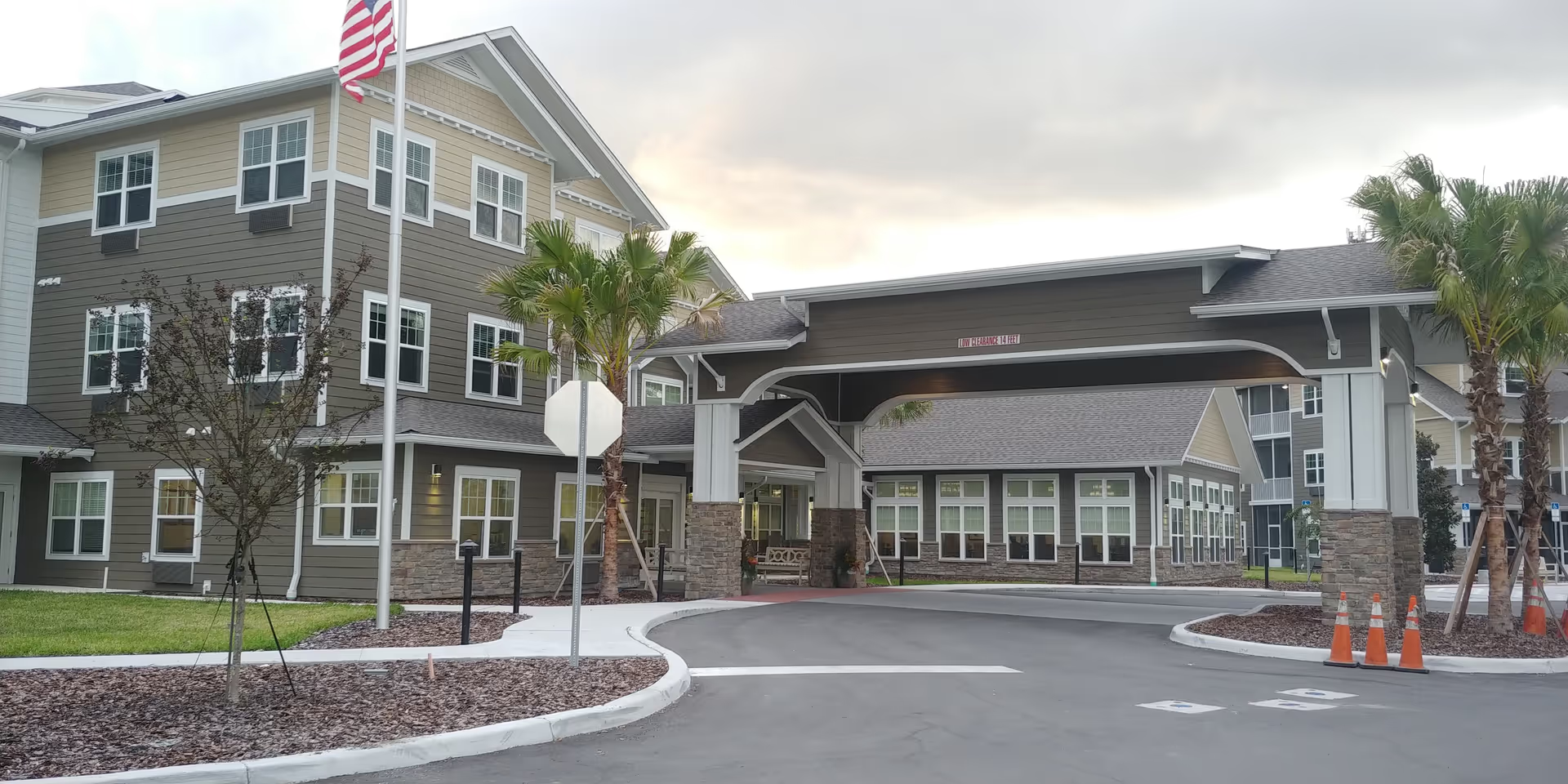
Heritage Oaks presents as a recently updated, smaller assisted living community with attractive common areas and an enclosed outdoor space. Many families and visitors describe a warm welcome, active programs, and a facility that feels bright and well maintained after renovation. The smaller scale is frequently cited as a strength because it can allow more individualized attention and closer therapy collaboration. The presence of on-site medical leadership is noted as an asset by several families and appears to be part of the facility’s identity.
Care quality assessments are mixed. Positive accounts emphasize attentive, prompt, and compassionate direct-care staff who provide peace of mind to families. Conversely, other accounts point to inconsistent clinical practices: examples include changes to medications communicated by phone, uneven glucose monitoring and a lack of formal diabetic meal accommodation, and concerns that medication administration and clinical decision-making are not consistently documented or communicated. These issues suggest variability in medication-management protocols and chronic-condition monitoring that prospective families should clarify before admission.
Staff and management receive generally favorable remarks about responsiveness and kindness from some team members; specific caregivers are highlighted as standout contributors. At the same time, reviewers describe variability in staff competence and responsiveness across shifts, along with instances where family members experienced a more confrontational communication style. Multiple comments indicate pressure to use the facility’s in-house medical resources; families advising to retain an external primary care relationship implies limited flexibility in some care-planning practices.
Dining and activities are often described positively — the community offers daily programming and a social environment that many residents enjoy. However, there are operational areas to review: dietary accommodations for conditions such as diabetes may be inconsistent, and there have been supply issues (for example, linens and towels) that point to room-for-improvement in housekeeping and supply-chain processes.
Safety and suitability are mixed themes. Some reviewers praise memory-care security and a safe environment in designated units. Others caution that the facility may not be equipped for residents with higher-dependency needs; concerns noted include fall-prevention processes and transfer safety. Families evaluating Heritage Oaks should assess unit-level capabilities, staffing ratios at different times of day, and specific fall-prevention and transfer protocols relevant to their loved one’s needs.
Bottom line: Heritage Oaks shows clear strengths in physical environment, daily programming, and the presence of engaged staff and medical leadership, particularly after renovation. At the same time, there are recurrent operational concerns—medication-management consistency, chronic-condition monitoring, supply reliability, and variable staff performance—that prospective residents and families should probe during tours and care-planning discussions. Confirming specific clinical protocols, provider-choice policies, and unit-level staffing and safety measures will help determine whether this community is an appropriate fit for a particular level of need.