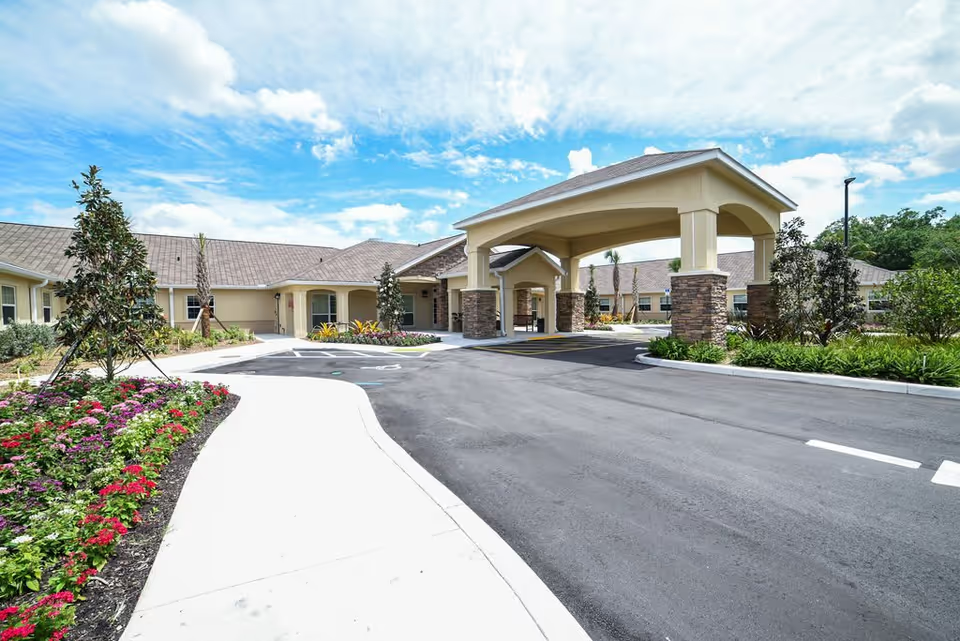
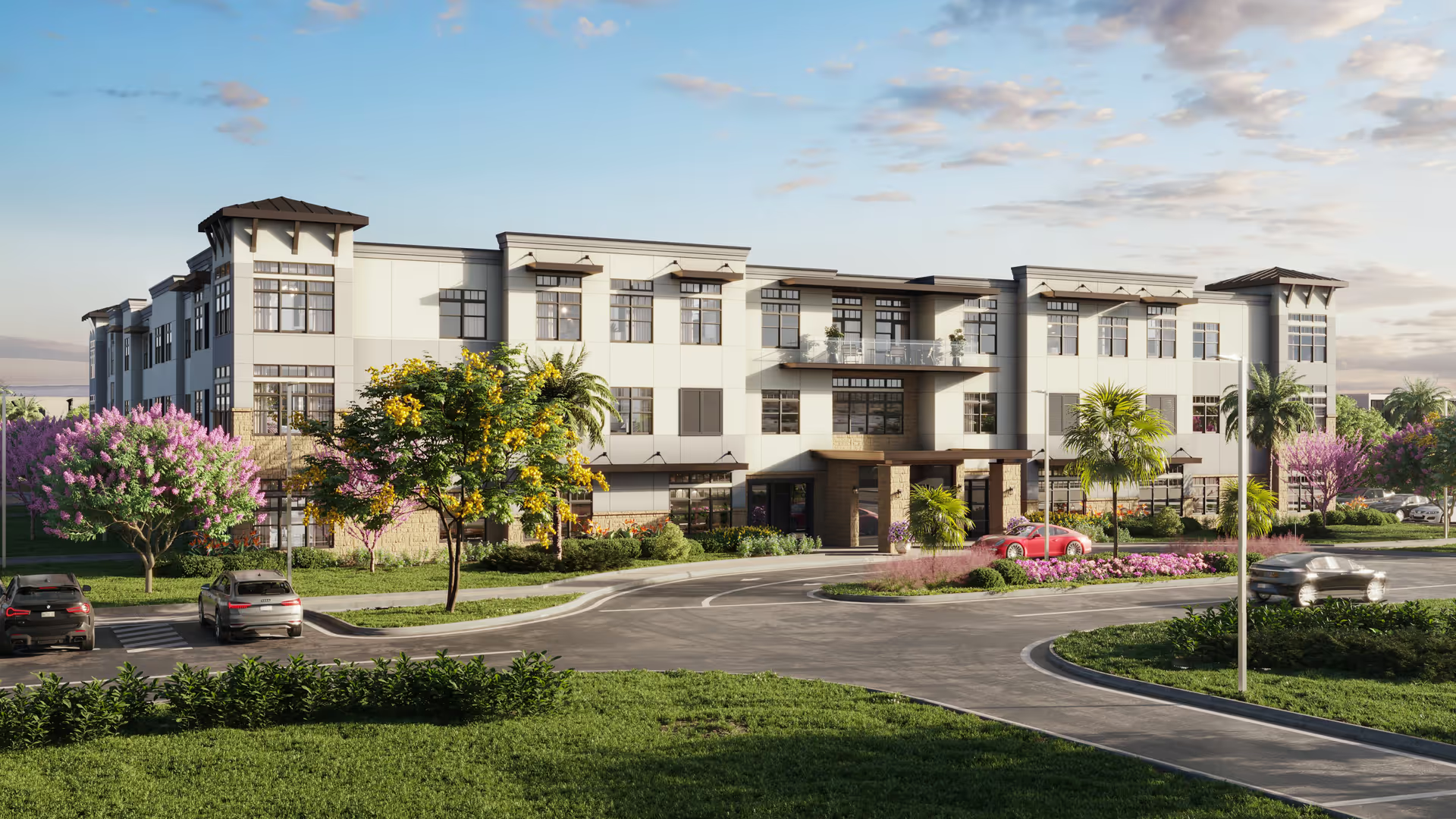
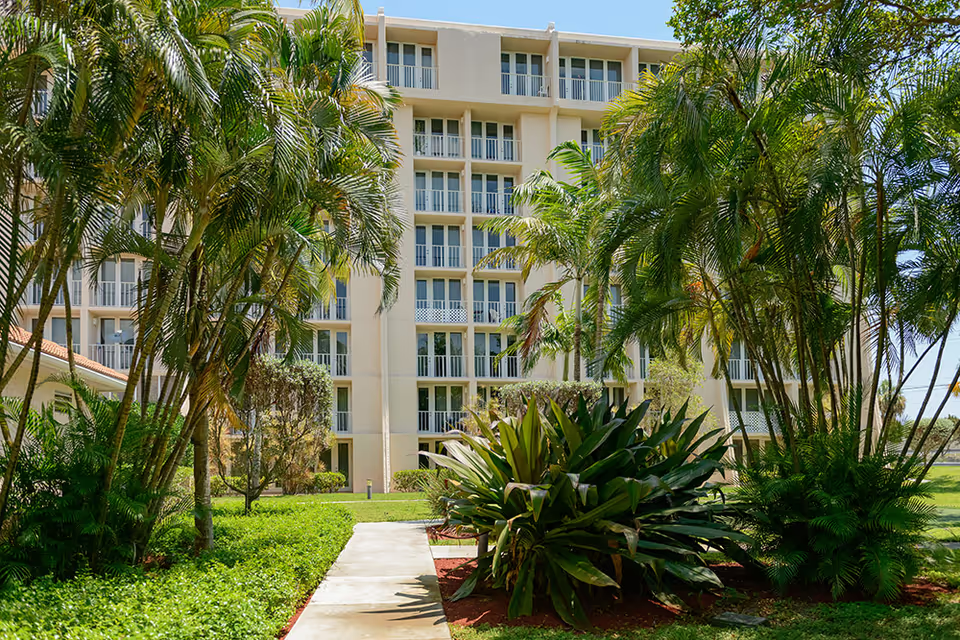
Covenant Village presents as a large continuing-care retirement community with many strengths in its independent-living side: spacious, well-equipped apartments, attractive landscaping, extensive on-campus amenities (pools, gyms, libraries, arts and woodworking spaces), and a broad calendar of social, creative and spiritual programs. Residents and families frequently cite an active social atmosphere, robust arts and music offerings, plentiful off-campus trips, and a sense of community that supports social engagement and friendship formation. The campus offers multiple dining venues and convenient on-site services (salon, barber, transportation), and many visitors praise the bistro and coffee-shop service in particular.
Clinical and rehabilitative services present a mixed picture. Physical therapy and rehabilitation staff receive consistent praise and several families describe strong, measurable recovery outcomes. At the same time, reviewers point to uneven performance in skilled-nursing and long-term care settings — issues that include medication-management inconsistencies, gaps in diabetic care, missed scheduled therapies, and variability in nurse responsiveness. Several accounts describe substantive care-related concerns that led families to escalate questions; these underscore a clear distinction between the generally well-regarded independent-living and therapy experiences and the more variable experience within higher-acuity care units. Prospective families should verify unit-level staffing, clinical oversight, and protocols for medication administration and respiratory/CPAP support.
Staff and management impressions are similarly mixed. Many reviewers praise individual staff members (admissions, activities, certain nurses and therapists) for being compassionate, helpful and effective; some administrators and front-line staff are singled out for excellence. However, there are recurring themes of inconsistent professionalism, communication breakdowns with families, aggressive or high-pressure sales tactics during admissions, and concerns about discharge planning and billing transparency. Staffing shortages — especially on weekends or in specific shifts — are repeatedly mentioned and are tied to delayed responses to personal-care needs and call bells.
Dining and activities are overall strengths, but not uniformly so. The community offers multiple dining formats and a take-away option; the bistro and grill often receive favorable comments while the main formal dining experience and meal temperature/assistance have mixed ratings. Activity programming is broad and active: fitness classes, creative arts, Bible study, clubs, live entertainment, and seasonal shows are well represented and commonly cited as contributors to resident wellbeing.
The physical campus combines modernized independent-living areas with older, more institutional-feeling buildings in places. Grounds, pools and public areas are generally well maintained, but the spread-out layout and long walking distances can create accessibility challenges for residents with limited mobility. Financial considerations are also prominent: buy-in and life-contract terms can be substantial, private-room charges may be added, and several families describe billing disputes or confusion about contract details.
Overall, Covenant Village may be a very good fit for people seeking an active independent-living environment with strong activity programming, attractive amenities, and quality rehabilitation services. At the same time, the variability in skilled-nursing care, staffing consistency, family communication, and billing transparency suggests prospective residents and their families should conduct targeted due diligence: tour both independent and higher-acuity units, ask for current staffing ratios and weekend coverage, review medication-management and emergency-response protocols, clarify private-room and buy-in costs in writing, and seek references from recent residents in the specific care level under consideration.