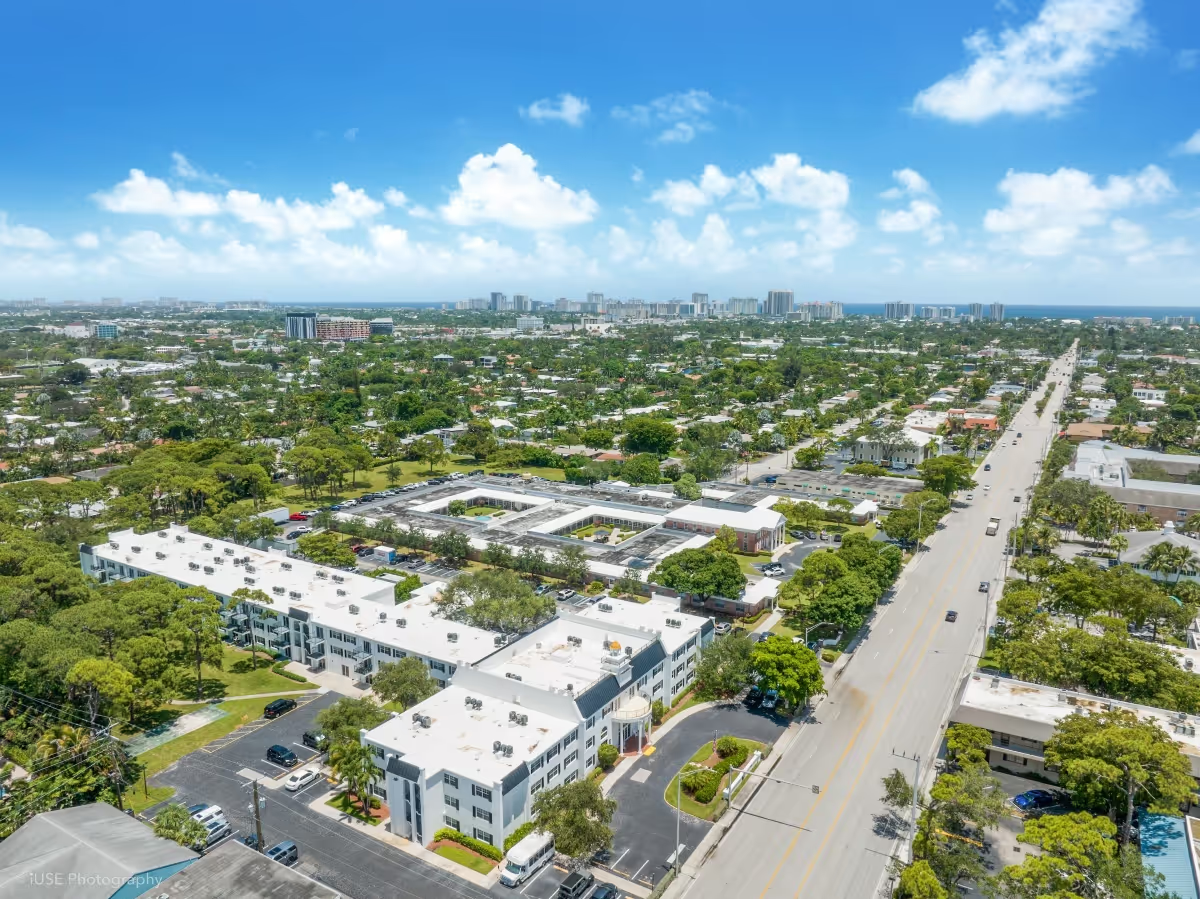
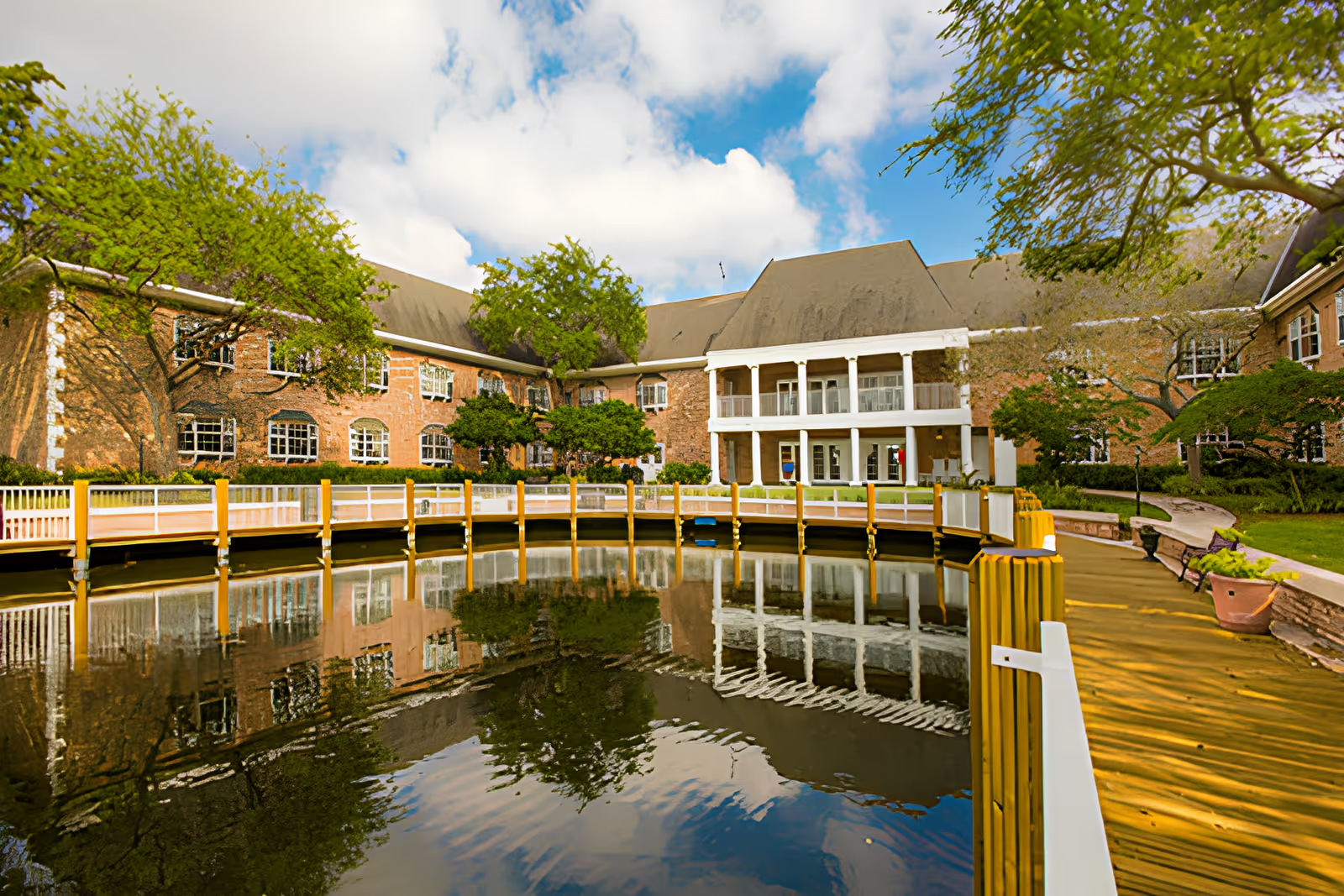
Green Life presents a mixed picture across several operational dimensions. Positive comments emphasize a caring, engaged front‑line staff and on‑site management that many families find communicative and supportive. Reviewers consistently praise the facility's programming — including a wide range of activities, organized outings, an exercise room and classes — and note accessible grounds for daily walks, spacious activity areas and homelike common spaces. Dining receives favorable mention in many accounts for healthy options, ongoing meal improvements and availability of snacks throughout the day.
Care quality appears variable. Numerous accounts describe attentive, compassionate caregivers and staff with experience in mental‑health and short‑term recovery support; these reviewers report residents responding well to the environment. At the same time, there are documented concerns about responsiveness and incontinence‑care follow‑through in some situations. Families should weigh the pattern: strong direct care in many cases, coupled with intermittent delays or communication gaps in others.
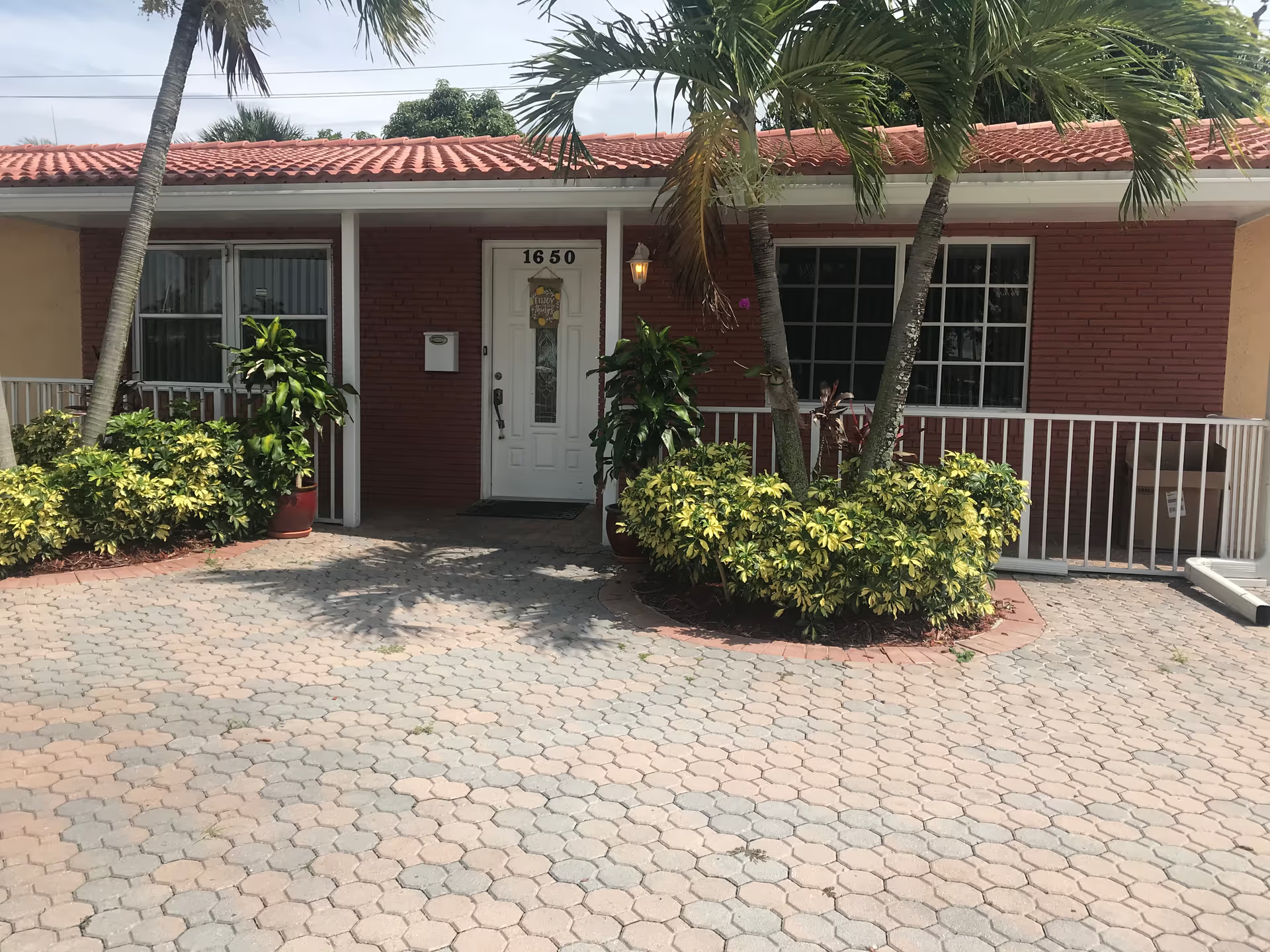
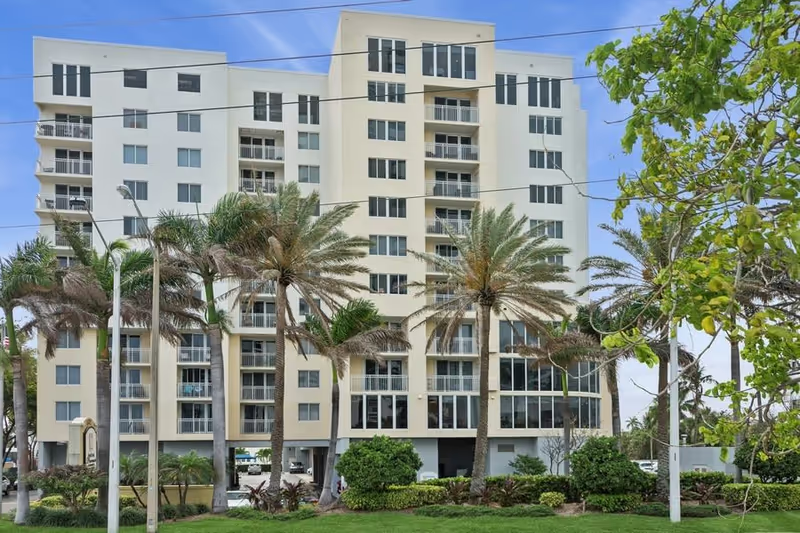
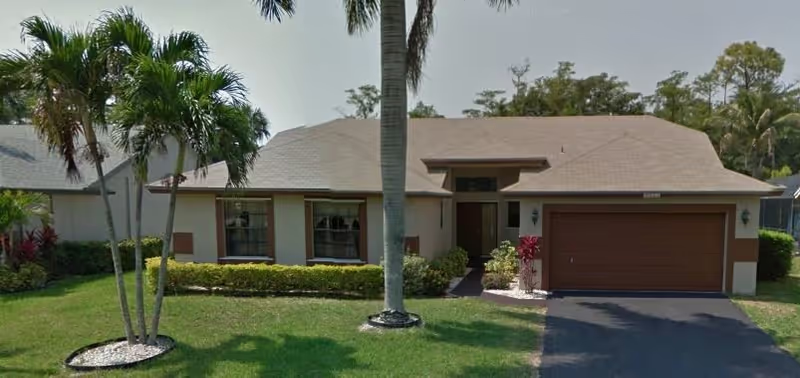
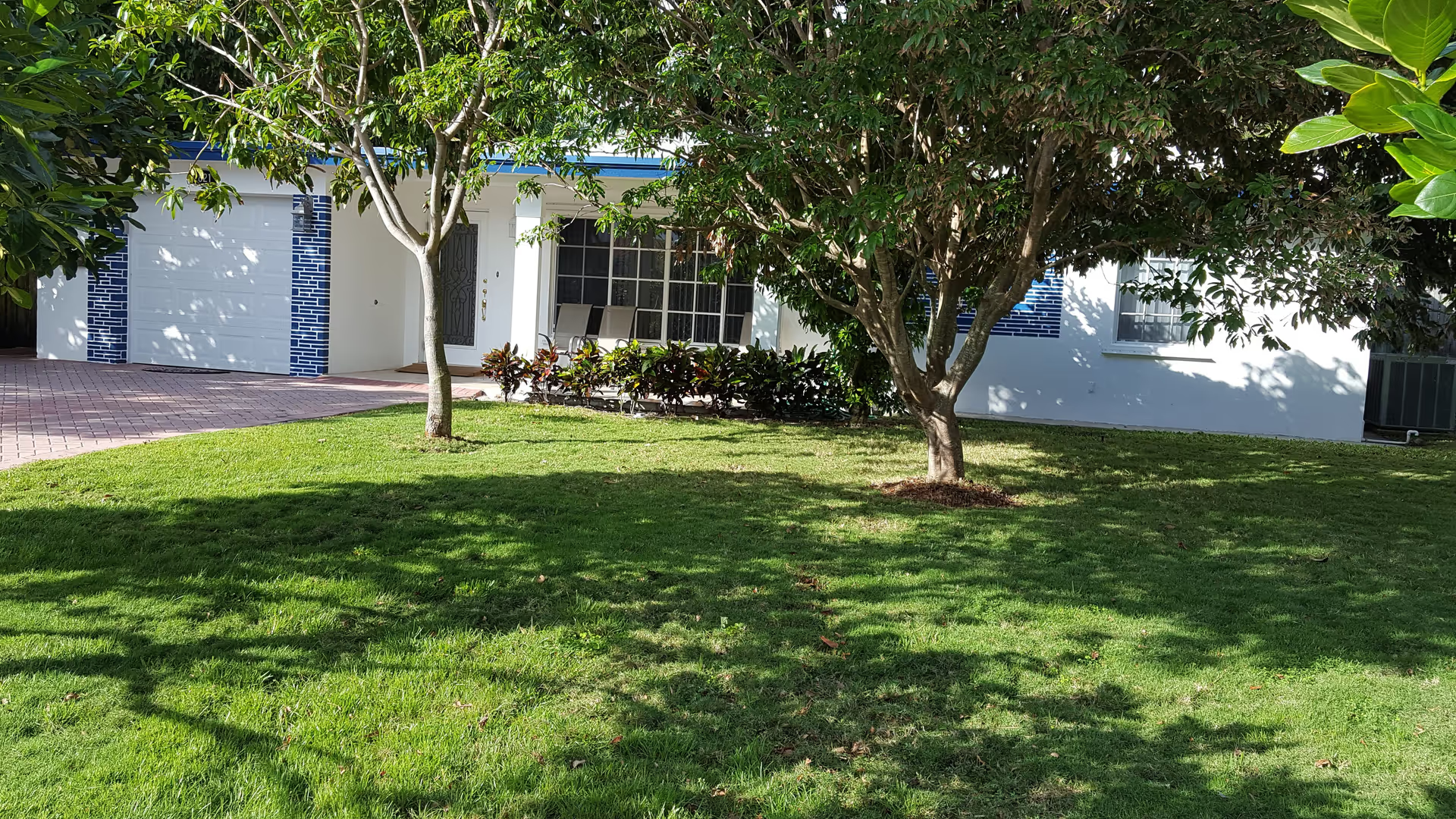
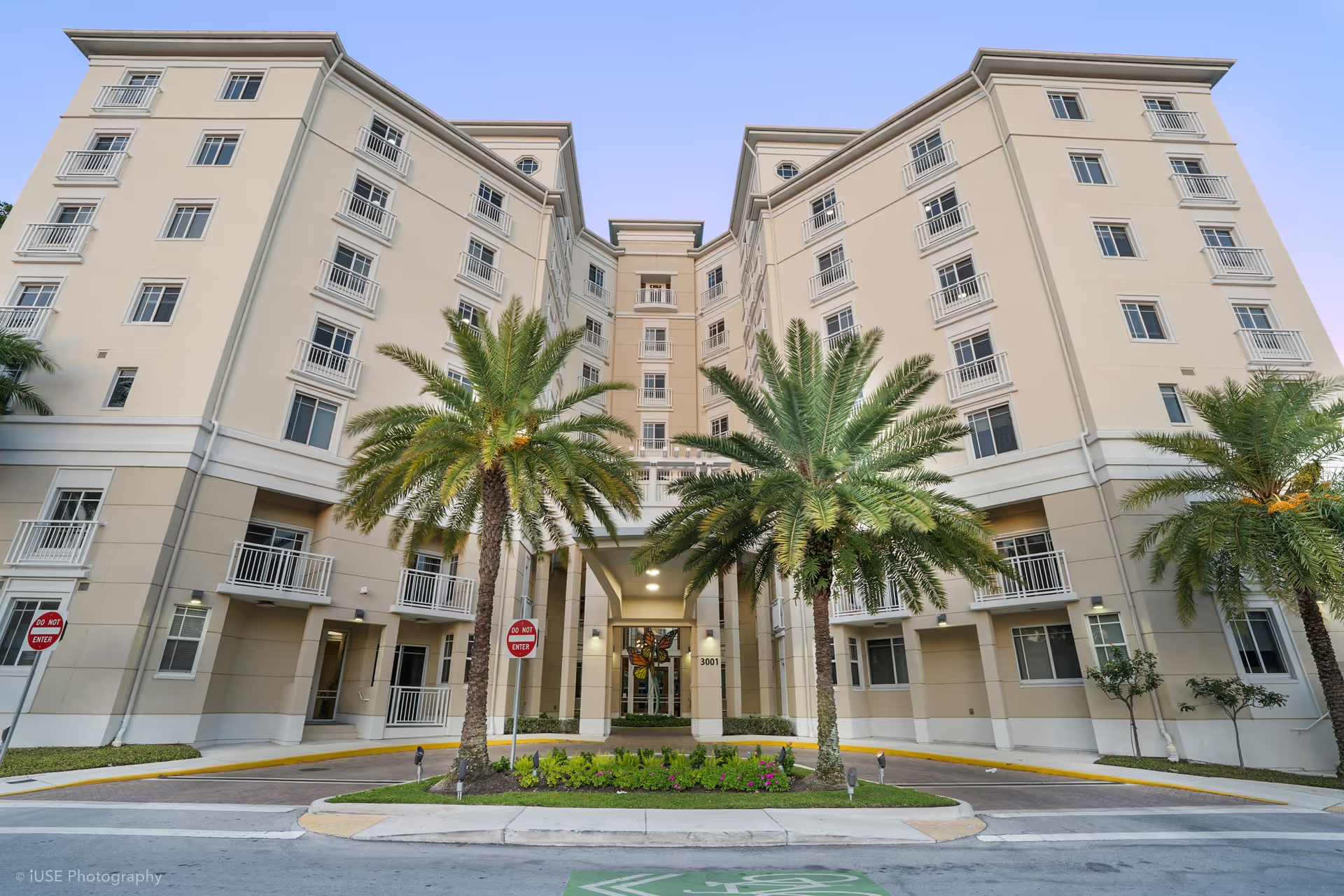
Facility condition and accommodations are reported inconsistently. Several reviewers describe a bright foyer, maintained exterior, and comfortable, light‑filled private rooms after recent updates. Conversely, other accounts describe darker rooms, areas that feel more institutional than residential, and sanitation or odor concerns in particular units or at certain times. There are also persistent remarks about limited private‑room availability and instances where shared or hospital‑style arrangements did not match expectations for assisted‑living privacy.
Management and operational practices are a central area of divergence. Some families commend visible leadership and recent improvements led by the on‑site manager; other families describe difficulties obtaining timely responses from ownership, and express concern about billing and insurance‑related practices that felt opaque or pressuring. In addition, there are serious individual claims — including allegations of missing personal items and incidents that prompted police or insurance involvement — which point to weaknesses in property‑security controls and escalation procedures.
Notable patterns: the strongest, most consistent positives relate to staff engagement, therapeutic competence (especially for mental‑health and recovery needs), activity programming, and certain recently updated areas of the facility. The recurring weaknesses concern sanitation and odor control in some areas, privacy and room‑allocation practices, transparency around billing/insurance, and variability in management responsiveness and staff professionalism.
Recommendation: prospective residents and family members should schedule an on‑site visit during activity hours to observe staff–resident interactions, inspect specific rooms and bathroom arrangements, and confirm the level of privacy available. Ask management for current licensing and inspection records, written policies on resident property security and billing/insurance procedures, and examples of recent corrective actions taken for sanitation or staffing concerns. These steps will help clarify whether the facility's strengths align with an individual resident's priorities and risk tolerance.