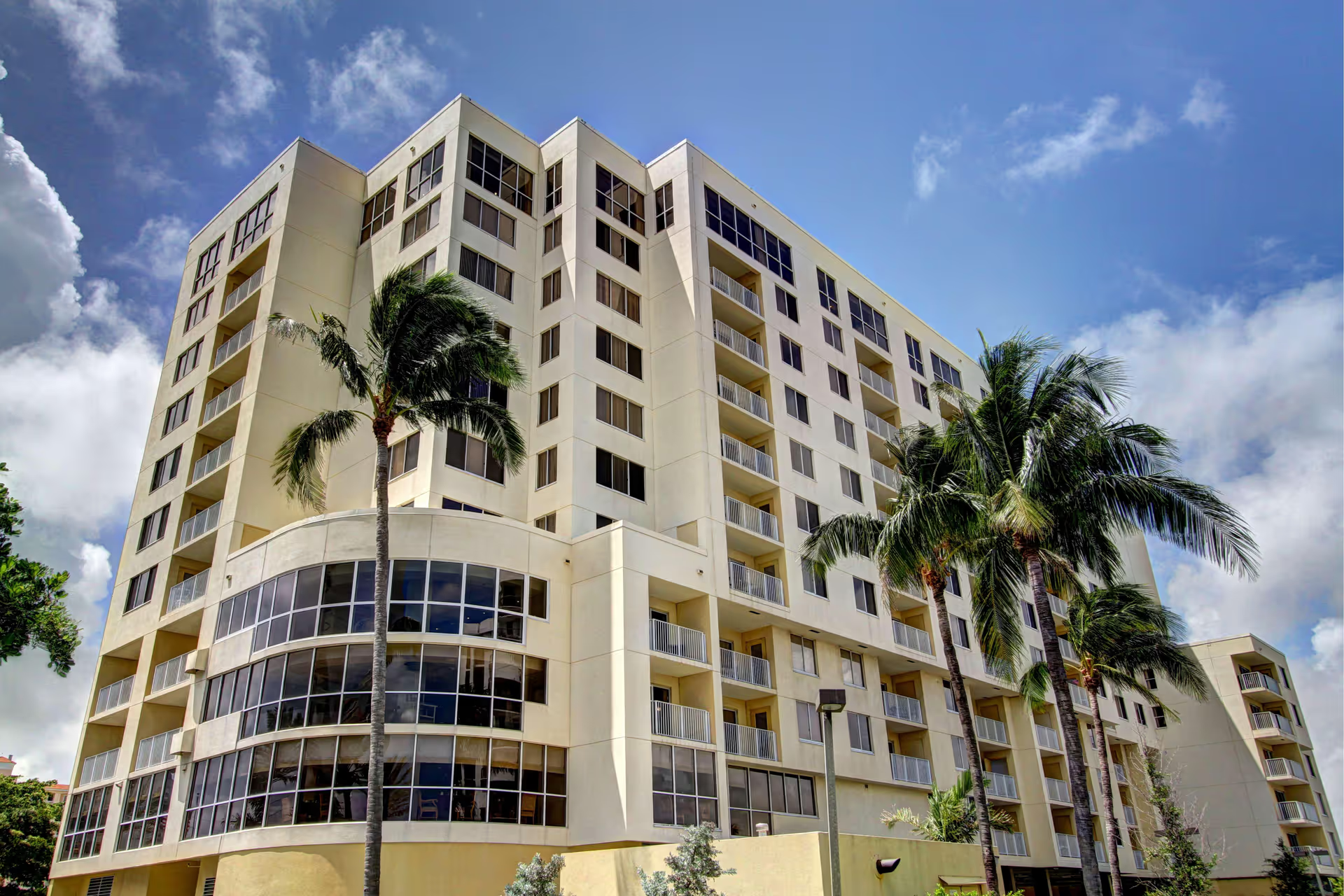
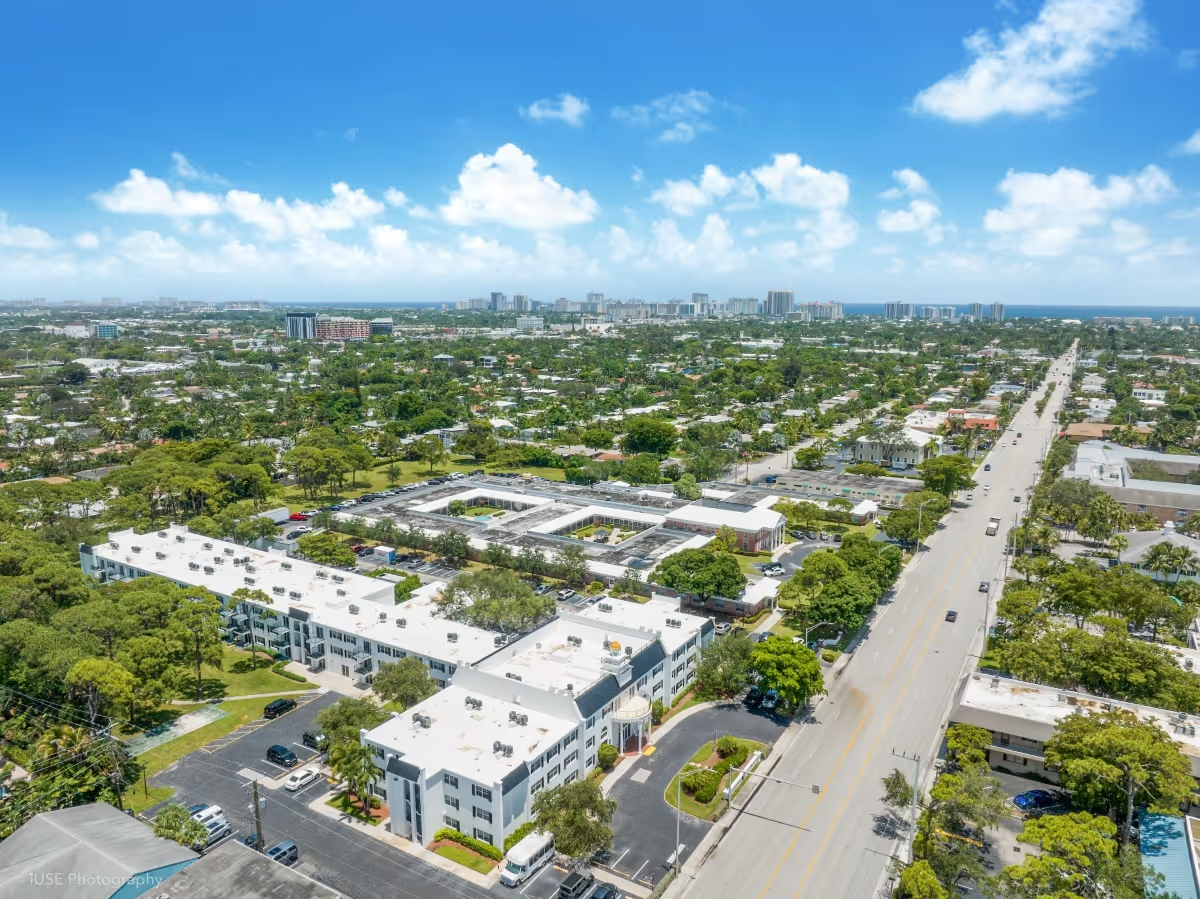
The Court at Palm Aire presents a mixture of clear strengths and recurring operational concerns. Physically, the community is frequently described as recently renovated, well maintained and attractive: residents and visitors note spacious, updated apartments (including large closets and balconies), clean common areas, and amenities such as a heated pool, theater, salon, library, card room, and on‑site laundry on every floor. The dining rooms and social spaces are often characterized as pleasant, and several accounts praise a varied menu with three meals daily and an active social dining environment.
Activity programming is a consistent strength. Reviewers highlight a broad and engaging schedule — lectures, fitness classes, bingo, movie nights, musical performances, wine tastings, and organized outings — and credit the activities leadership for creating an energetic community life. Transportation services for medical appointments and group dinners, as well as occasional move‑in incentives and guest accommodations, further support resident engagement and family access.
Clinical and caregiving experiences are mixed. Many families commend individual caregivers, therapists, and nursing staff for being attentive, compassionate, and responsive; onsite therapy and rehab personnel receive specific praise where present. However, other accounts describe inconsistent staffing levels, delays in attending to call lights or personal needs, and gaps in overnight clinical coverage. There are also repeated concerns about medication-administration processes and coordination with pharmacies, which some families reported as affecting continuity of clinical care.
Dining and housekeeping show variability in execution. While the dining program and select meals are praised, others describe inconsistent food quality and meal-delivery problems, including changes in delivery fees and service models that families perceived as diminishing value. Housekeeping and maintenance are generally seen as strengths in common areas, but isolated sanitation and maintenance issues in some resident units and the guest suite have been raised.
Management and operations are an important area of divergence. Positive notes include helpful admissions staff, accommodating sales leadership, and examples of management support during transitions. Conversely, multiple accounts point to administrative follow-through problems — lost paperwork or deposit handling, slow or unresponsive communication from leadership, and policy changes perceived as reducing service levels. Security and resident-asset protection are also cited as a concern in several narratives, including claims of unauthorized access and missing personal items; these raise questions about lock and access-control practices.
Overall, The Court at Palm Aire appears to offer strong amenities, social programming, and many instances of caring staff and clinical competency. Prospective residents and families should weigh those positive elements against the pattern-level issues some accounts describe: inconsistent staffing and clinical processes, variable dining and unit maintenance standards, management responsiveness, and security practices. Visiting in person, reviewing current staffing and medication policies, asking about overnight clinical coverage, and discussing recent changes in fees and services with administrators will help determine whether the community’s present operations align with a given resident’s needs and expectations.