Overall impression: Reviews reflect a facility with strong veteran-centered culture, many devoted direct-care staff, and consistently positive experiences around daily life and activities. Families and visitors commonly cite compassionate, attentive aides and nurses, individualized care, clean and bright living spaces, and robust programming aimed at engaging residents. The dining program and rehabilitative services also receive repeated praise for quality, variety, and therapeutic value.
Care and staff: A major strength is the dedication and professionalism of direct-care personnel. Numerous accounts highlight staff who go above and beyond, respectful interactions, and aides who provide one-on-one attention. Physical therapy and individualized care plans are available and appreciated. However, there are recurring operational concerns about consistency of personal-care assistance — especially bathing and toileting support — and occasional delays in responding when multiple residents require attention simultaneously. These patterns point to variability in day-to-day care delivery rather than uniformly poor practice.
Dining and activities: The facility offers a varied menu with rotating cycles and generally well-reviewed meals described as plentiful and tasteful. Activities appear comprehensive and veteran-focused, with crafts, bingo, karaoke, social teas, and frequent group programming that contributes to a family-like atmosphere. Volunteer involvement and community events are reported as strong contributors to resident engagement.
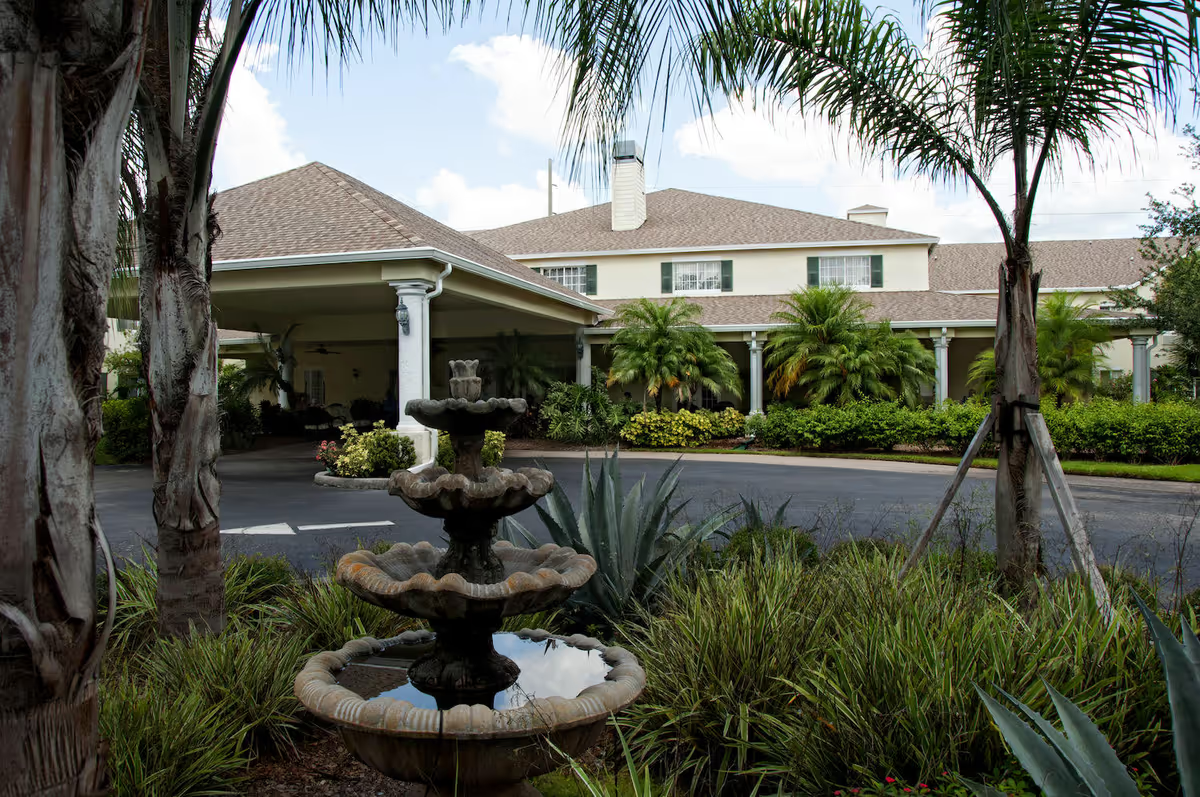
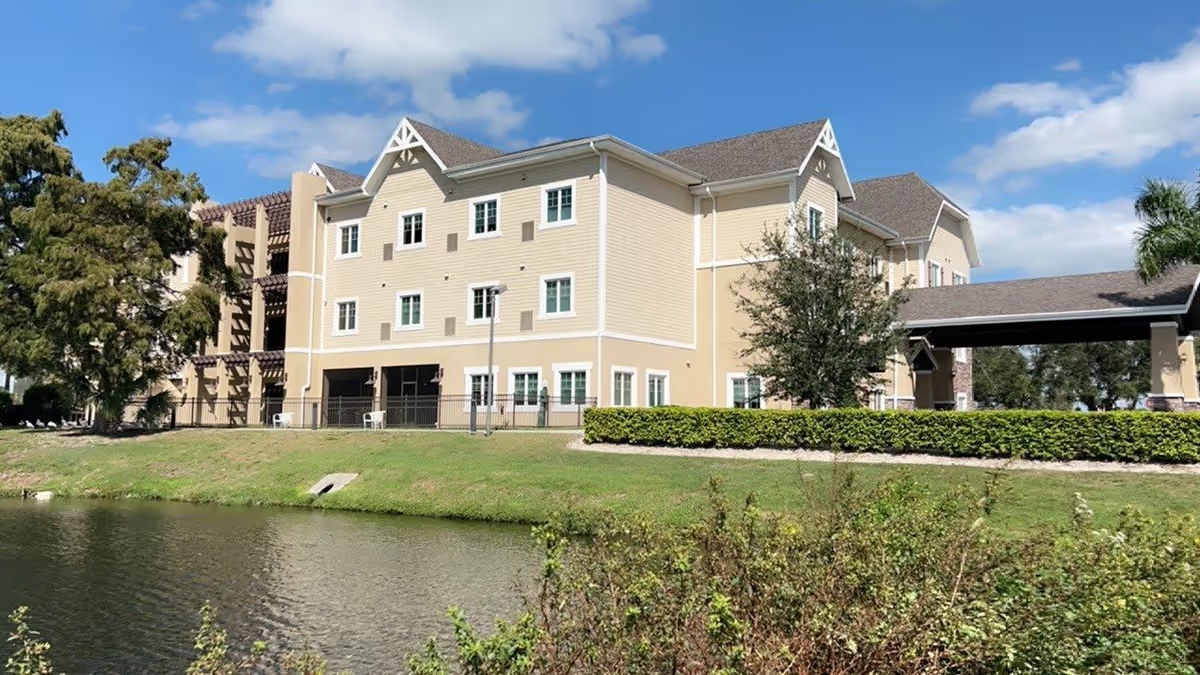
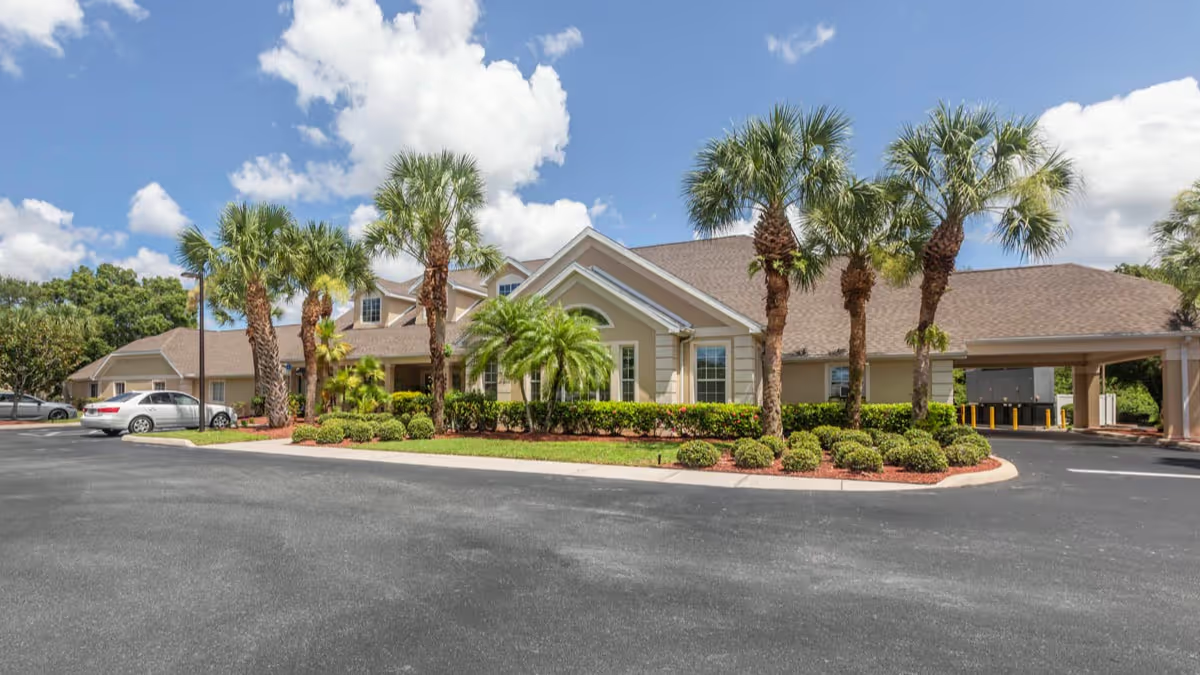
Facilities and housekeeping: Many reviewers emphasize that common areas and resident rooms are clean, well-maintained, and decorated to honor veterans. At the same time, some comments indicate sanitation and odor concerns in particular areas and inconsistencies in cleaning protocols. Laundry service and room upkeep are often noted positively, but the presence of isolated housekeeping lapses suggests opportunities to standardize cleaning procedures and monitoring.
Management and communication: Several reviews praise frontline staff while expressing frustration with administrative responsiveness and leadership conduct. Specific concerns include perceived unprofessional behavior by leadership, decisions interpreted as financially driven, and dissatisfaction with follow-up after incidents. Communication gaps are also noted at the reception/visitor level and in phone-system reliability, which can impede family contact and tour coordination. There are mentions of reliance on agency staff and associated costs; staffing variability appears linked to some care-consistency issues.
Notable patterns and risk areas: The overall tenor is positive for direct resident care and daily life, but recurrent themes suggest operational weaknesses that merit attention: standardizing personal-care assistance and toileting protocols, formalizing housekeeping/cleaning checks, improving administrative transparency and responsiveness, and addressing phone and reception access. A small number of serious claims — including concerns following a resident's death and allegations regarding leadership conduct — were raised; those items point to the need for clear incident-review processes and proactive family communication.
Recommendation: Prospective residents and families should weigh the facility's strong direct-care culture, activity offerings, and clean environment against the documented variability in certain operational areas. Ask administrators about current staffing models, agency use, cleaning protocols, incident-review and family-notification processes, and examples of recent improvements to ensure alignment with your expectations for consistency and oversight.