Overall impression: Lexington Manor elicits a broadly positive response for its day-to-day resident experience, with frequent praise for the caregiving team, social programming, and dining environment. Many families and residents describe a warm, family-like atmosphere where staff know residents by name, provide personalized attention, and facilitate a full activity calendar. At the same time, several operational weaknesses recur across accounts and appear to affect continuity of care and service reliability.
Care and staffing: Strengths center on compassionate, attentive caregivers and a number of long-tenured employees who contribute to a consistent, relationship-driven model of care. Reviewers frequently identify individual staff members and leadership who support smooth move-ins and ongoing resident needs. Counterbalancing that, there are repeated indications of inconsistent staffing levels, elevated turnover, and periods of low morale that have affected responsiveness. These staffing fluctuations are associated with delays in assistance, occasional medication-administration concerns, and lapses in care coordination with families.
Dining and activities: The facility offers restaurant-style dining with three meals daily and a strong social program—live music, themed events, exercise classes, bingo, church services, and regular outings are commonly noted as highlights that contribute to quality of life. Many reviewers praise the dining room, meal presentation, and variety. However, others describe variability in meal quality, portioning, and service over time, suggesting that culinary consistency can be uneven depending on staffing and operational rhythms.
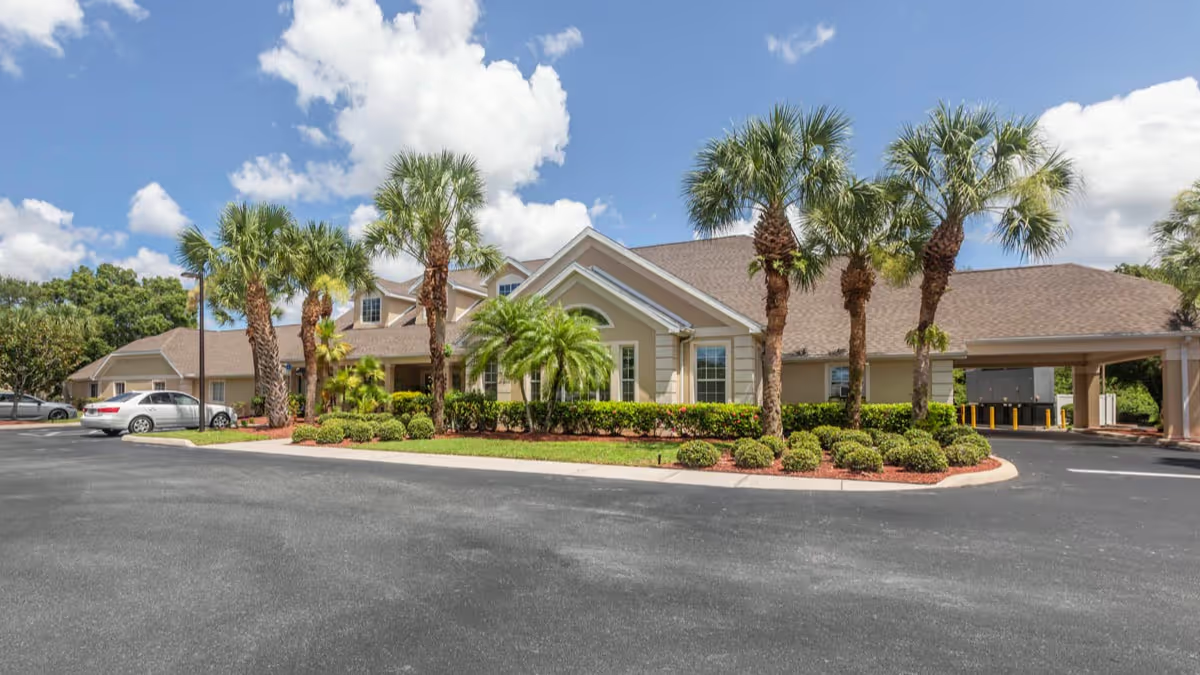
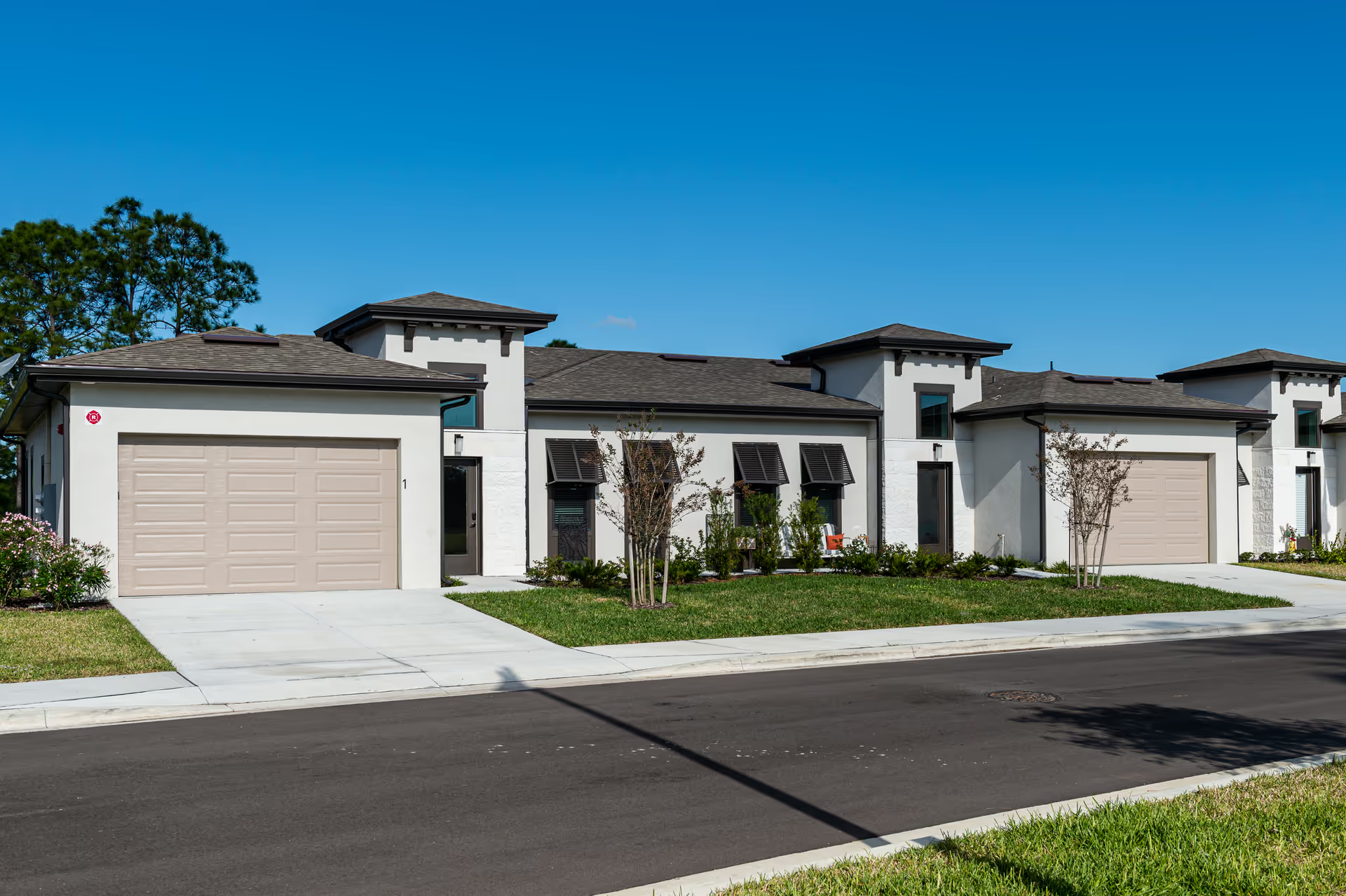
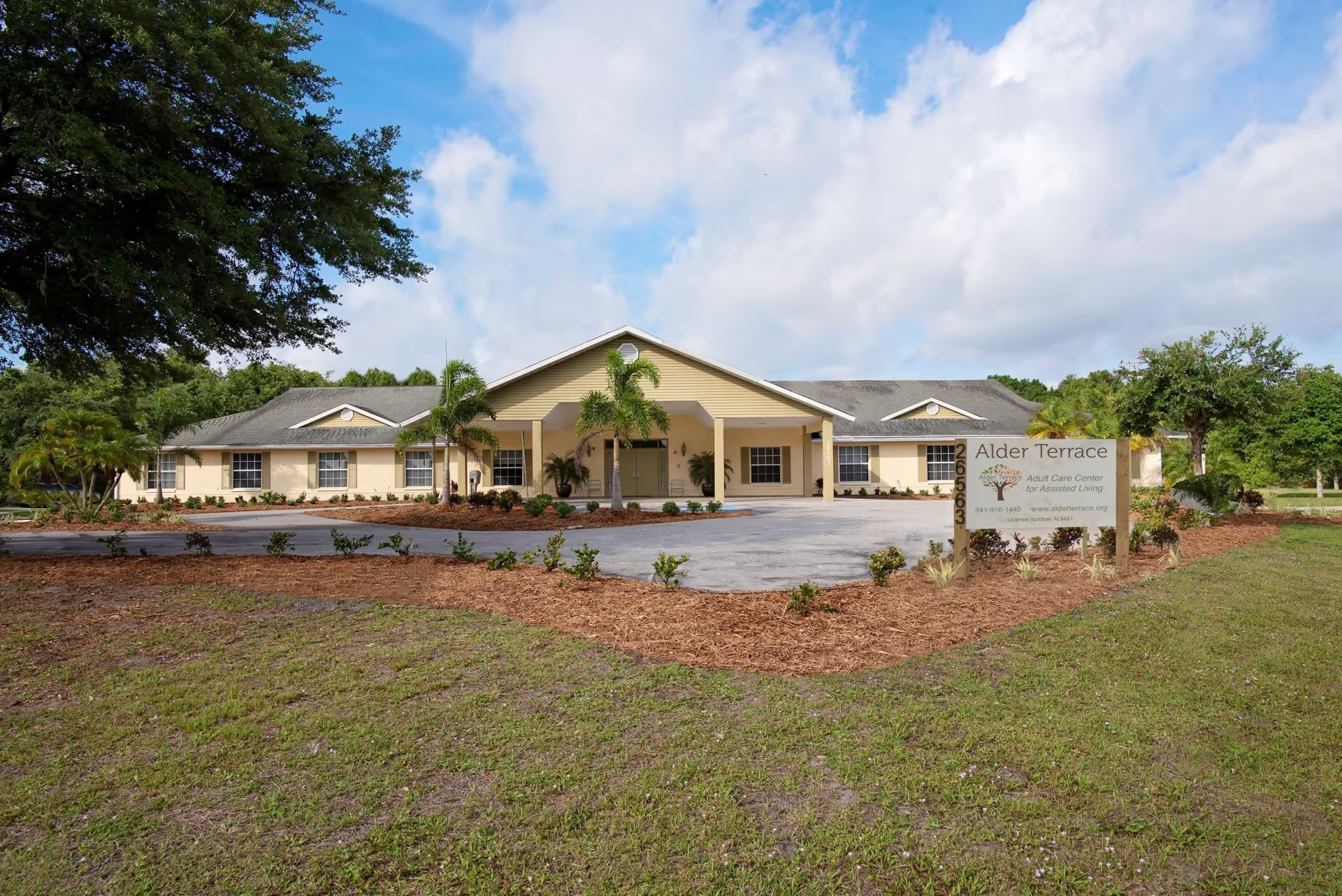
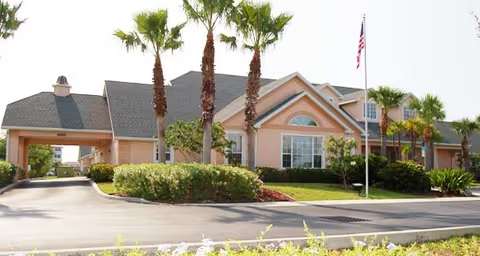
Facilities and services: Common strengths include clean, bright common areas, a front veranda, walking trails, a wellness center, salon services, and a library. Apartments and studios are described as hotel-like and well-maintained, though some units are characterized as smaller than expected and a few families noted an enclosed feeling in certain areas. Practical service issues were also raised: intermittent maintenance problems (for example, building systems), transportation reliability tied to staffing, and specific weaknesses in laundry and personal-item handling.
Management and patterns: Administrative staff and admissions/marketing personnel receive frequent positive mentions for being helpful and communicative; several families describe smooth transitions and attentive move-in coordination. At the same time, there are comments about management turnover and mixed messages to families that have caused distress in individual cases. When management and staffing are stable, reviewers report better overall experiences; when instability occurs, reviewers describe cascading effects on meals, housekeeping, transportation, and clinical coordination.
Who this fits: Lexington Manor is generally a strong option for prospective residents seeking an active assisted-living environment with robust programming, attentive direct-care staff, and restaurant-style dining. Families should weigh the facility’s strengths in social engagement, cleanliness (in many areas), and personalized staff attention against operational considerations: confirm current staffing levels, ask about medication-safety protocols and care-coordination practices, verify laundry and transportation processes, and tour the specific unit sizes to ensure the accommodation meets space expectations. For residents requiring higher-acuity cognitive care, assess the facility’s specialized services carefully, as reviews indicate this may be a relative limitation.