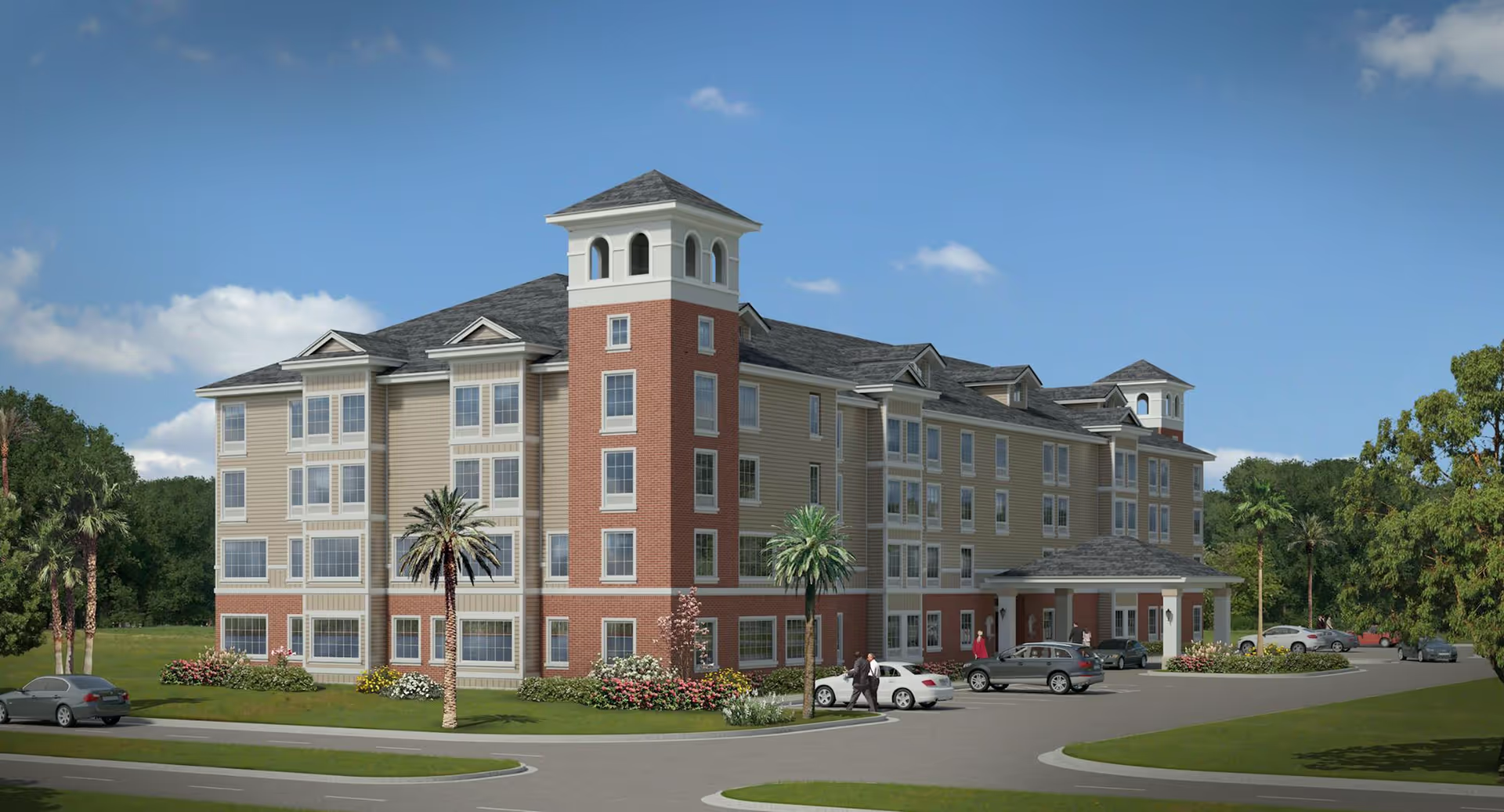
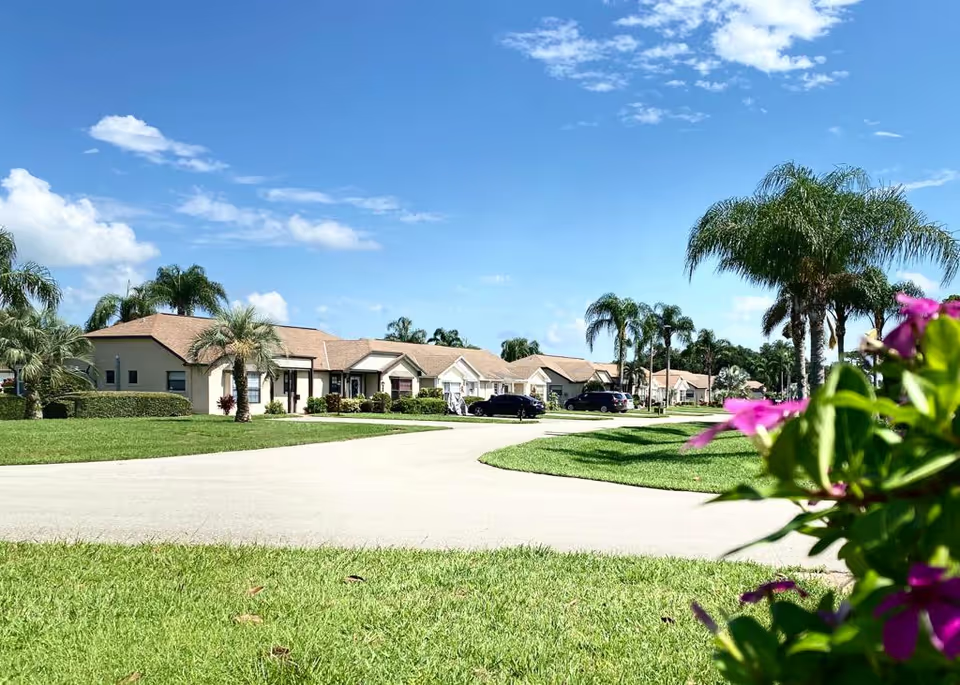
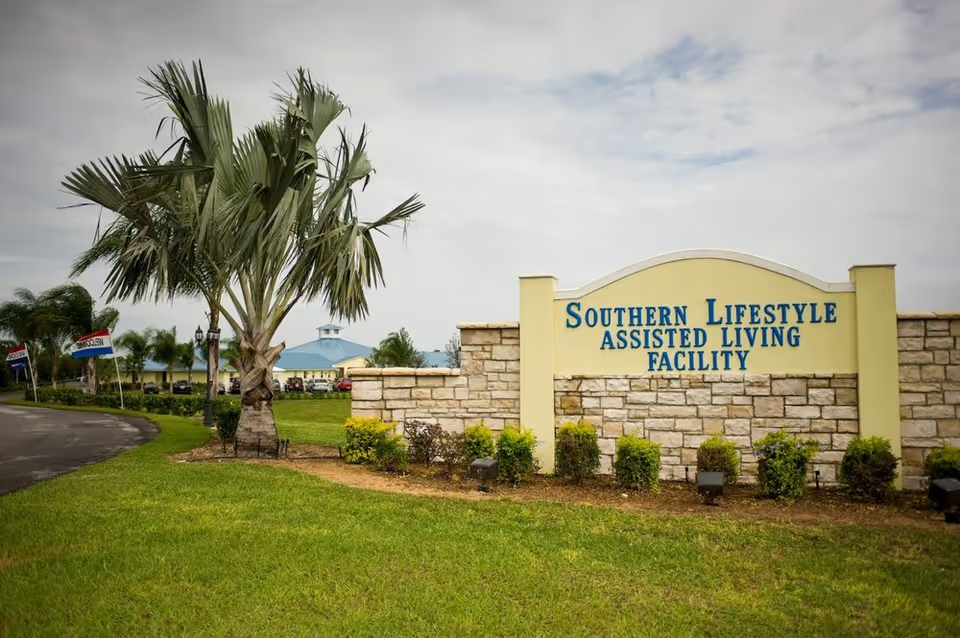
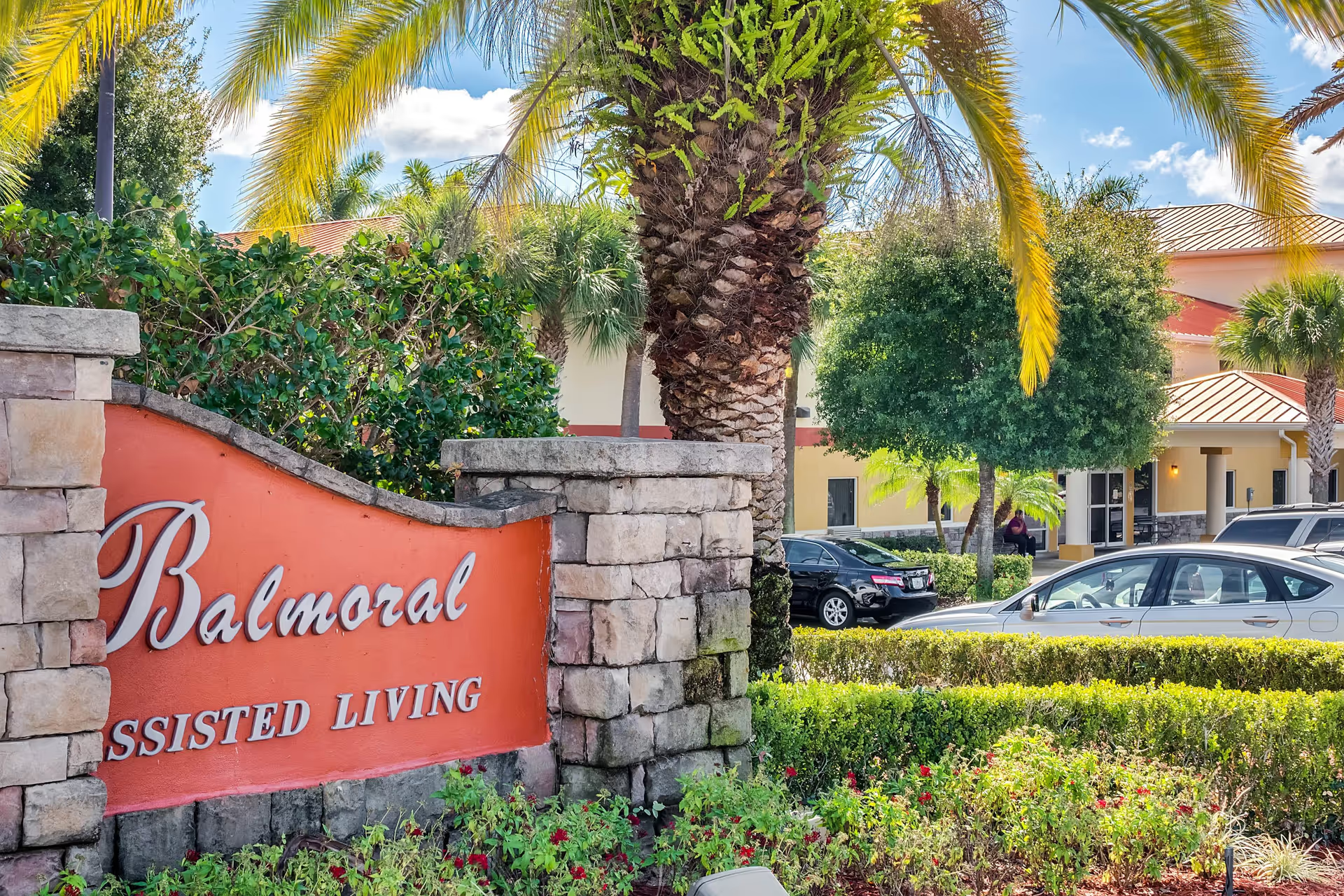
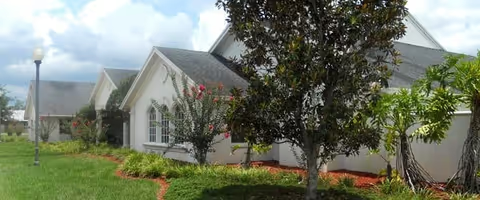
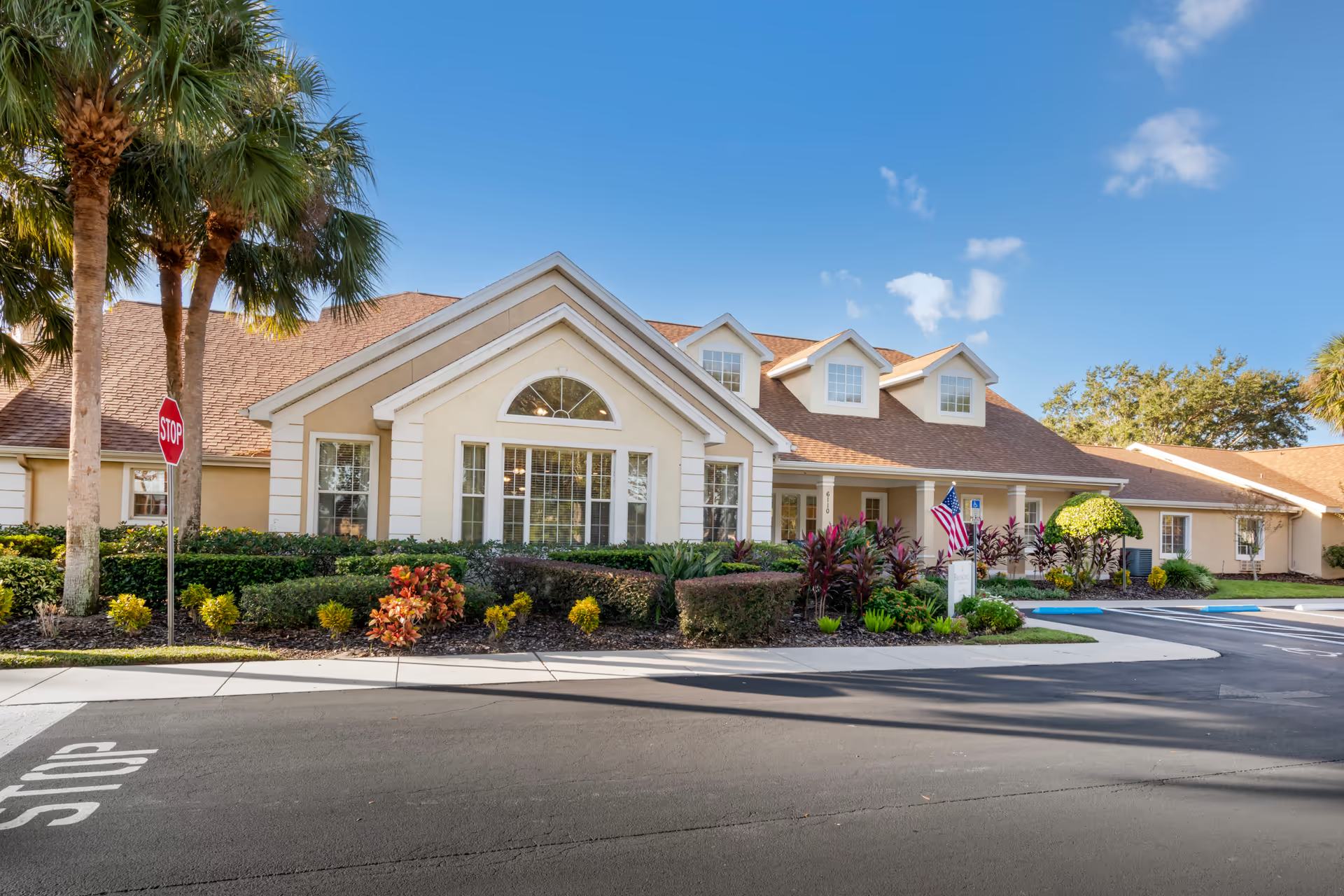
Sunny Hills ALF presents as a well‑appointed assisted living community with many features families commonly seek. Positive remarks emphasize bright, stylish public spaces, abundant natural light, and well‑kept grounds with outdoor seating, a gazebo and walking paths. Dining is frequently described as restaurant‑style with menu accommodations for dietary needs, and an on‑site beauty salon and other amenities support daily living. The facility offers a secure memory‑care unit with a nurse station and wander‑prevention measures, and many residents occupy spacious studios or apartments that include private bathrooms, in‑room showers, and typical in‑room conveniences.
Care and staffing are focal points in the reviews. Numerous accounts describe attentive, compassionate caregivers, individualized care plans, 24‑hour assistance, routine nighttime checks, and activity‑based approaches in memory care (music, puzzles, calming routines). Families frequently cite staff who go above and beyond, responsive nursing, and programming that supports social engagement—bingo, crafts, church services, exercise groups, outings, and creative workshops are commonly mentioned. Reviewers credit these offerings with improving residents’ mood, engagement, and daily functioning.
At the same time, there are notable areas of inconsistency that prospective families should evaluate. Several reviews raise concerns about staff conduct and competence in isolated but serious instances; relatedly, medication‑management processes have been questioned. There are also references to sanitation and pest‑control concerns and to variable cleanliness and maintenance across different units, which suggests uneven housekeeping and facility upkeep. Staffing levels and responsiveness are sometimes described as uneven, and a few accounts indicate variability in fall‑risk outcomes and emergency visits. Room configurations also vary: while many units are spacious with private baths, other rooms may share bathrooms or be smaller studio layouts.
Management and communication receive mixed feedback. Many families report positive, proactive communication and a sense that staff act in residents’ best interest; others report gaps in incident follow‑up and family notification. There are isolated, serious allegations that prompted external involvement and family removal of a resident—these should be treated as individual events but warrant careful inquiry during a tour. Prospective residents and families should request current information on staffing ratios, medication‑administration protocols, housekeeping and pest‑control schedules, recent corrective actions, and memory‑care routines.
Overall, Sunny Hills appears to offer a bright, activity‑rich environment with strong amenities and many satisfied families, while also exhibiting a pattern of variability in operational consistency. A focused visit, document review (care plans, staffing, incident reporting), and direct discussion of any specific clinical concerns will help determine whether the facility’s strengths align with an individual resident’s needs and risk profile.