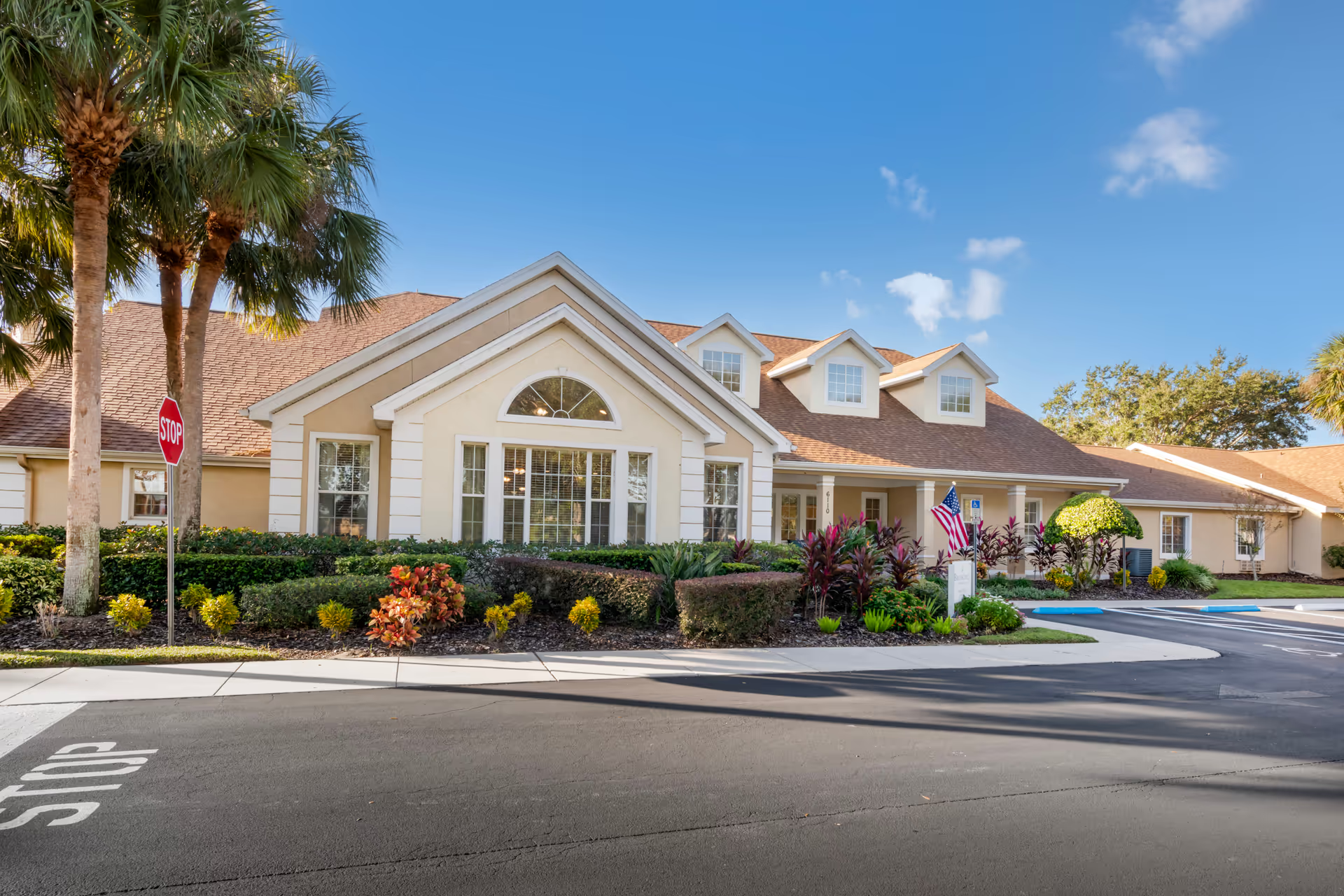
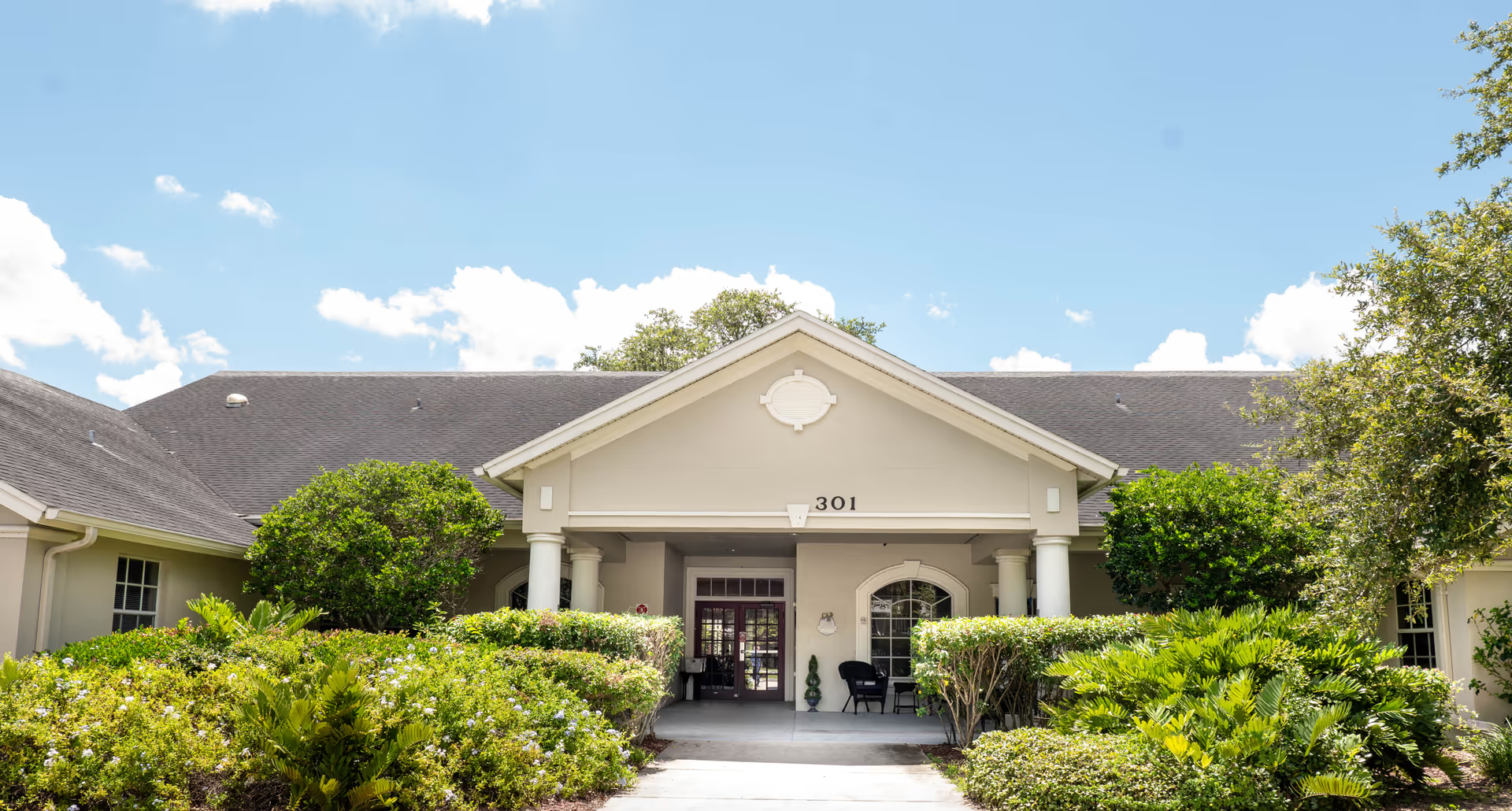
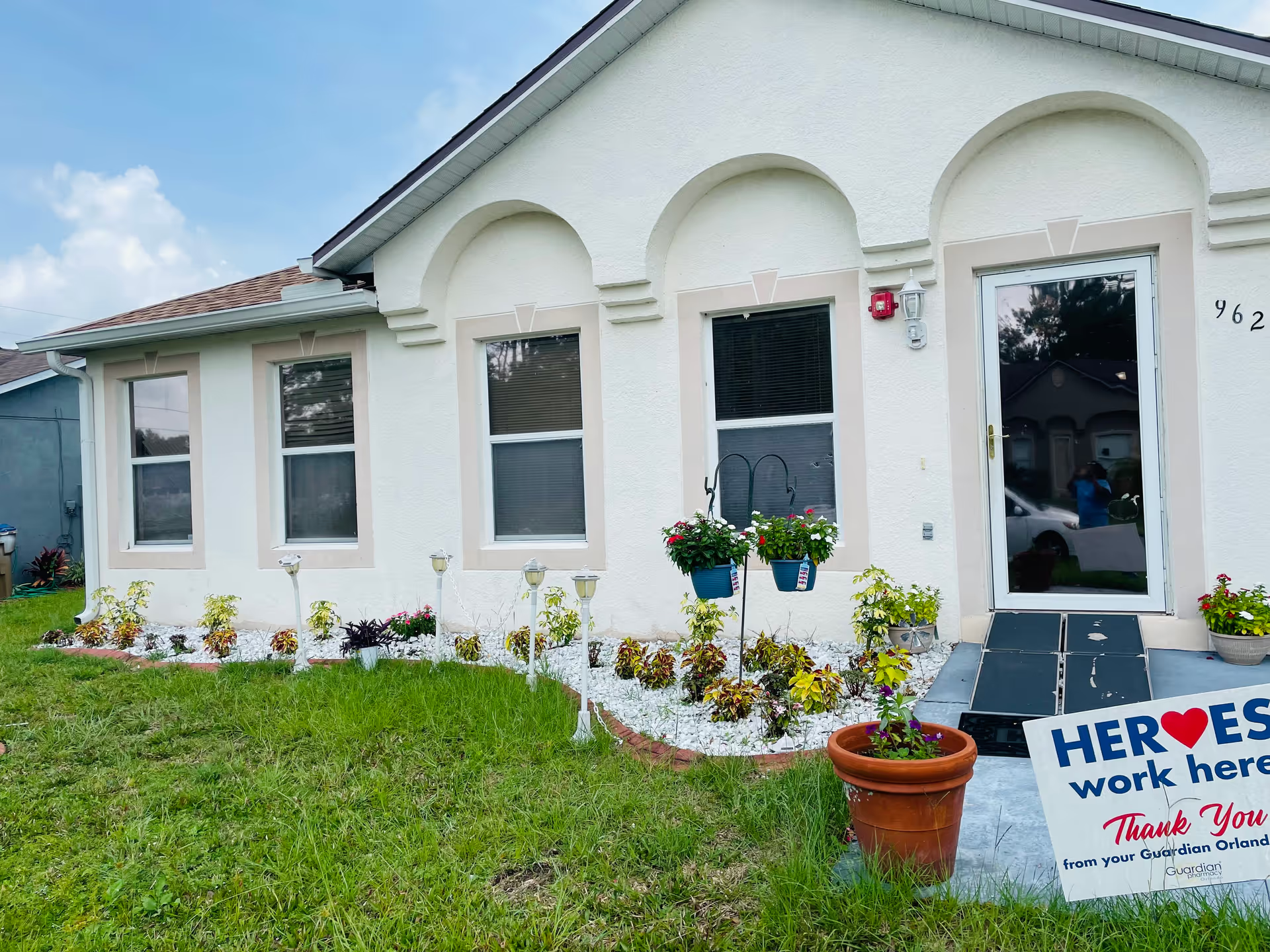
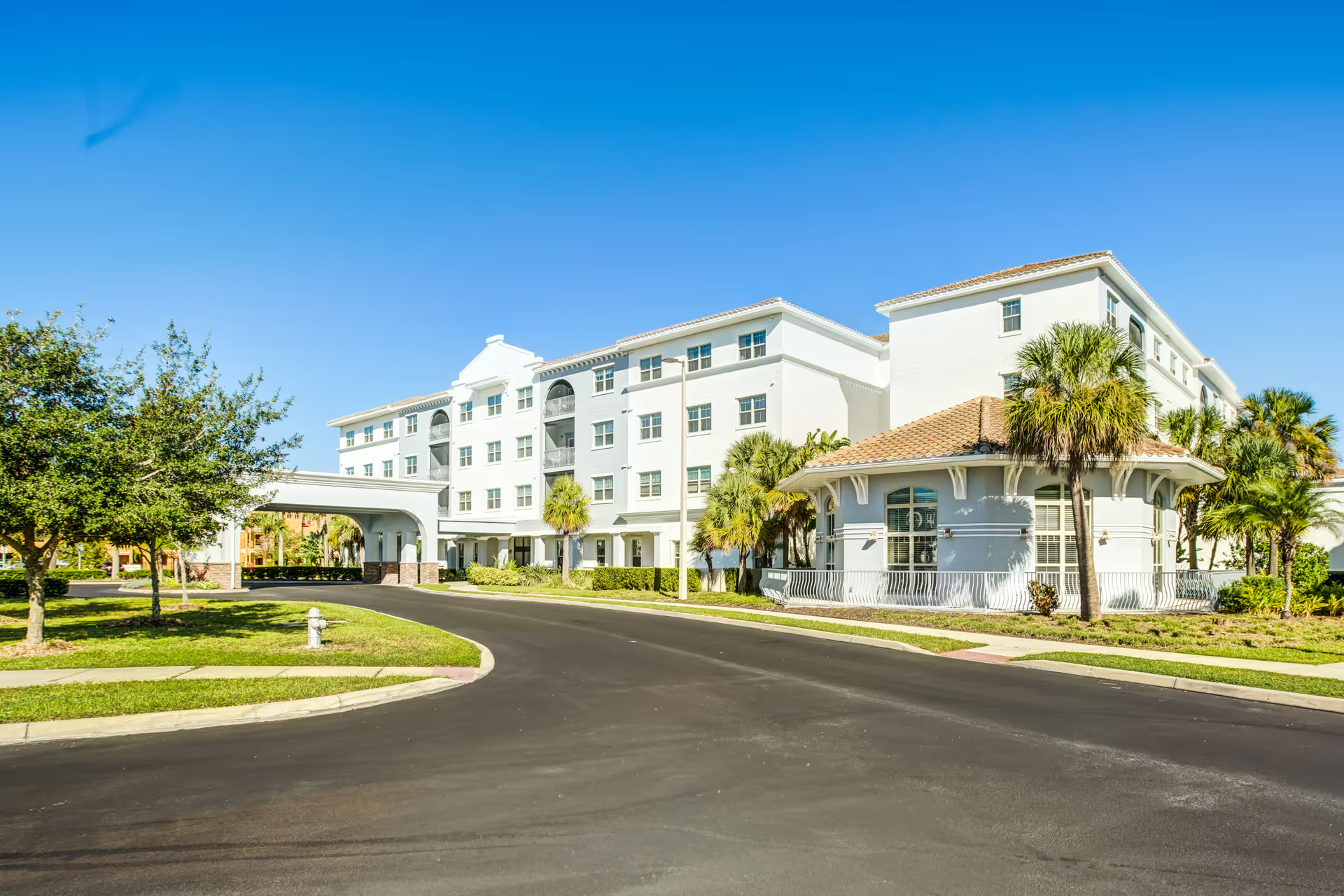
The Club at Lake Wales presents as a small, residential-style senior community that many families perceive as warm and family-focused. Strengths commonly noted include compassionate front-line caregivers, reliable night-shift routines, and visible nursing oversight. Several families highlighted individual leaders and staff who communicate well, assist with transitions, and create a welcoming admissions and touring experience. The facility’s courtyard and common areas are frequently described as attractive and well maintained, contributing to a home-like atmosphere for residents.
Clinical and care-related experiences are mixed. Many reviewers praise attentive daily care, timely medication administration, and staff willingness to assist with personal needs; others describe significant concerns about medication-management processes, including errors and supply lapses that suggest gaps in pharmacy coordination or internal medication controls. Dementia-care outcomes also vary: the community offers memory-oriented activities and social programs that engage some residents, yet several families expressed concern about staff interactions and training when caring for residents with cognitive impairment. Weight loss and depressive symptoms were described in isolated cases, indicating a need for closer clinical follow-up and interdisciplinary care planning for vulnerable residents.
Dining and activities receive both positive and critical remarks. The community runs a steady calendar of activities—bingo, memory games, arts and crafts, music programs, holiday parties and family events—that support social engagement and a sense of belonging. However, menu variety and meal quality appear inconsistent: while some families praised the food and dining atmosphere, others described repetitive or limited offerings, suggesting uneven culinary oversight or constrained kitchen resources. Activity continuity has been affected at times by turnover in programming staff, which can reduce predictable engagement opportunities for residents until positions are stabilized.
Facility operations and management demonstrate notable strengths and weaknesses. Admissions and many on-site staff members are described as helpful, empathetic, and communicative; maintenance and housekeeping are often commended for keeping common areas pleasant. Conversely, several families described administrative and financial issues that caused distress—examples include large, unexpected rent increases, opaque communication about room reassignments, and perceived lack of corporate follow-through on grievances. Communication lapses were also cited in response to incidents (for example, delayed responses over weekends), pointing to gaps in after-hours escalation and family follow-up procedures. Cleanliness is generally acceptable in shared spaces, but isolated sanitation concerns in resident rooms indicate inconsistency in housekeeping protocols.
Overall, the Club at Lake Wales appears to offer a supportive, small-community environment with many engaged staff and meaningful social programming. Prospective families should weigh the facility’s strengths in personalized caregiving, communal atmosphere, and visible nursing presence against operational concerns around medication control, dementia-care consistency, food-service variability, weekend staffing, and administrative transparency. Visiting the community, meeting nursing and activities staff, reviewing medication and grievance protocols, and clarifying financial/room-assignment policies would help families assess fit and risk for a particular resident.