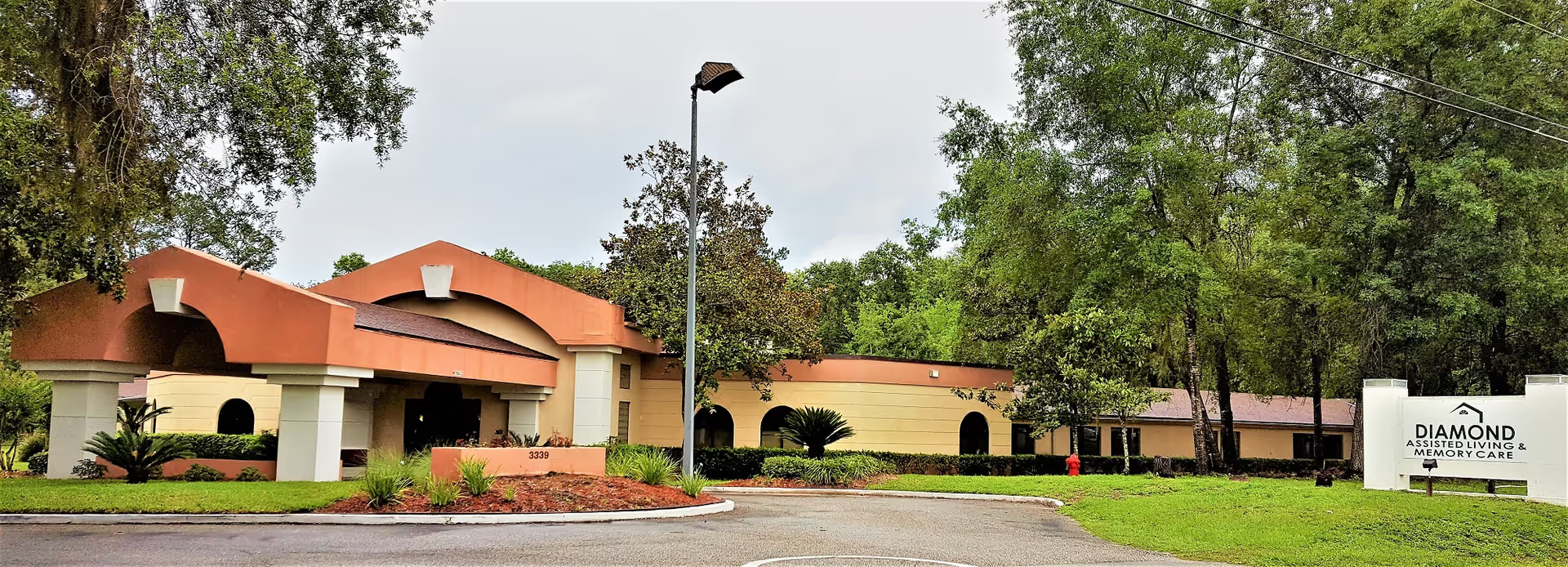
Overall impression: Reviews describe a facility with consistently praised frontline caregiving and mixed operational experiences. Many comments emphasize caring, compassionate staff who provide attentive, individualized support; specific staff and leadership figures were named positively, and long-term resident associations suggest continuity for some families. At the same time, several operational and policy concerns—principally around infection-control decisions, visitation restrictions, and recent ownership change—temper the overall view.
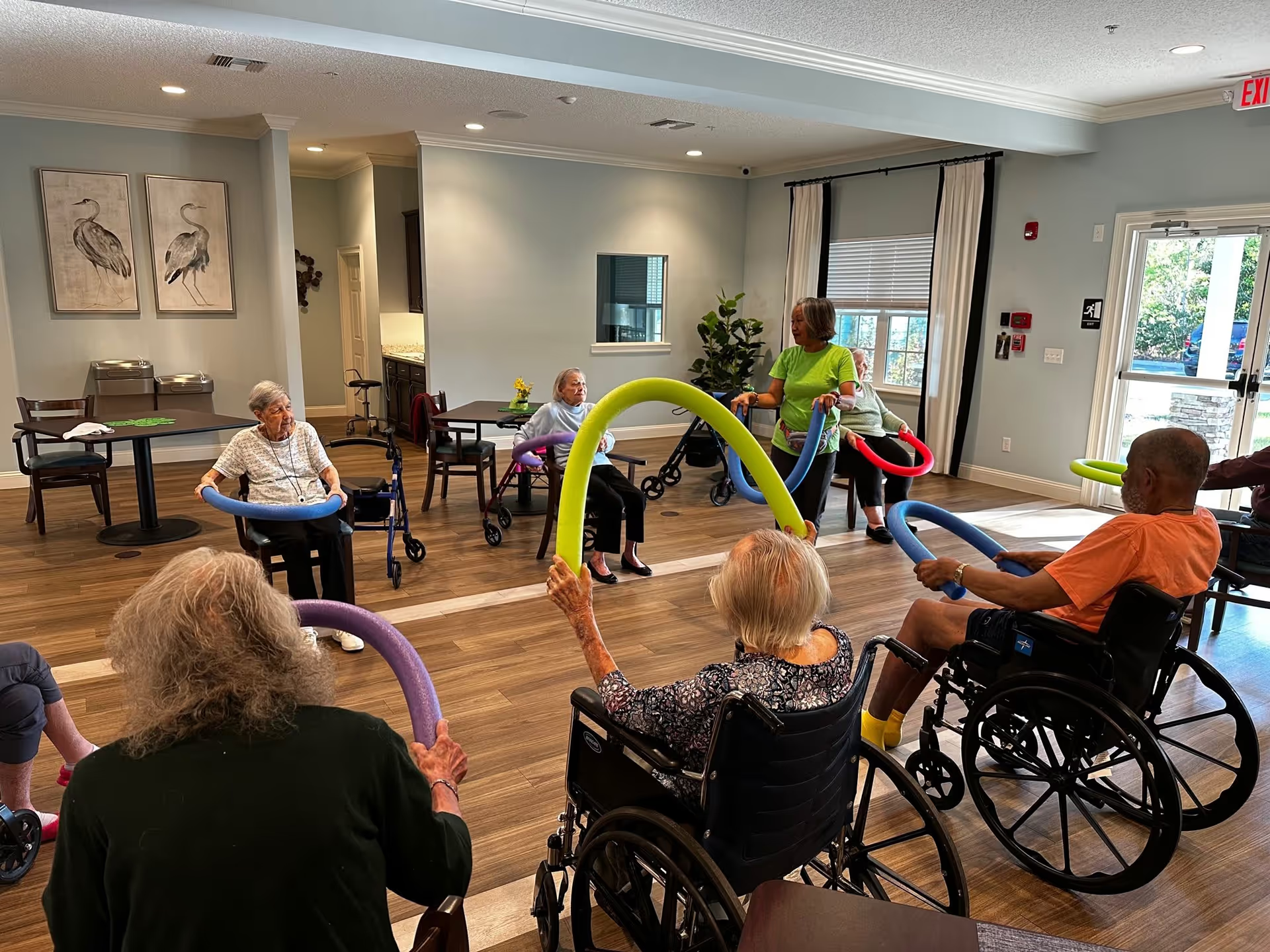
Care and staff: Care quality is a clear strength in the feedback. Staff are repeatedly characterized as compassionate, attentive, and willing to accommodate resident and family needs; families cited personalized attention and administrators who will "cater to needs." A named staff member was highlighted for being particularly accommodating, and multiple comments referenced dependable, compassionate caregivers. These observations indicate strong day-to-day caregiving relationships and generally positive staff–resident interactions.
Dining and activities: Dining was specifically mentioned in a positive way, with lunches enjoyed by residents and families. There is limited detail about the breadth of activities or facility amenities in the available comments, but the ability for residents to return to "normal life" after restrictions were lifted suggests that outings and external activities are part of the program when policies allow.
Facilities and infection control: The facility implemented restrictive measures (including limits on visitors and bans on items such as flowers) during infection-control events; these policies were perceived as burdensome by families and were linked to emotional strain among residents. Reviewers also reported that, despite strict measures, viral transmission still occurred. Taken together, the comments imply an operational gap between restrictive infection-control policies and their effectiveness, and they point to a need for clearer, evidence-based protocols that balance infection prevention with resident psychosocial needs.
Management and leadership: Feedback about leadership is mixed. Some reviewers described the owner as friendly and engaged, while others expressed concern about a recent ownership transition and perceived prioritization of financial considerations over resident-focused priorities. This divergence suggests that management changes have created uncertainty for some families; prospective families should ask about current leadership priorities, staffing stability, and any recent policy changes tied to ownership.
Notable patterns and recommendations: The principal positive pattern is strong, compassionate direct care and a history of long-term resident relationships. The principal operational pattern of concern centers on restrictive visitation policies, inconsistent infection-control outcomes, and the emotional impact of lockdowns on residents—combined with recent leadership changes that some perceive as shifting priorities. Prospective residents and families should weigh the facility's caregiving strengths against these operational issues, and consider asking administrators about current infection-control protocols, visitor policies (including any nonclinical bans), psychosocial supports used during restrictive periods, and how recent ownership changes have affected staffing and care priorities.