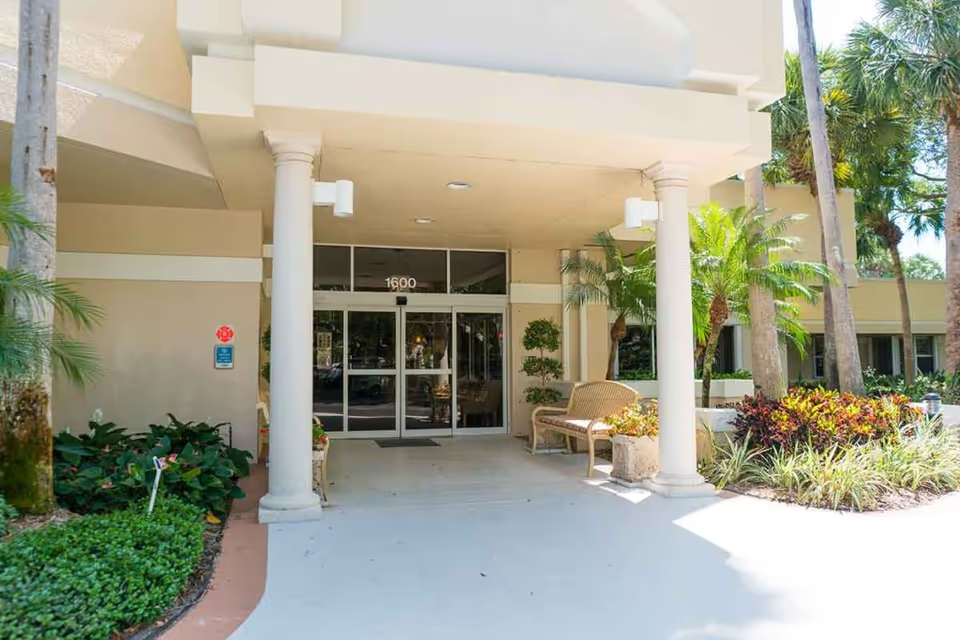
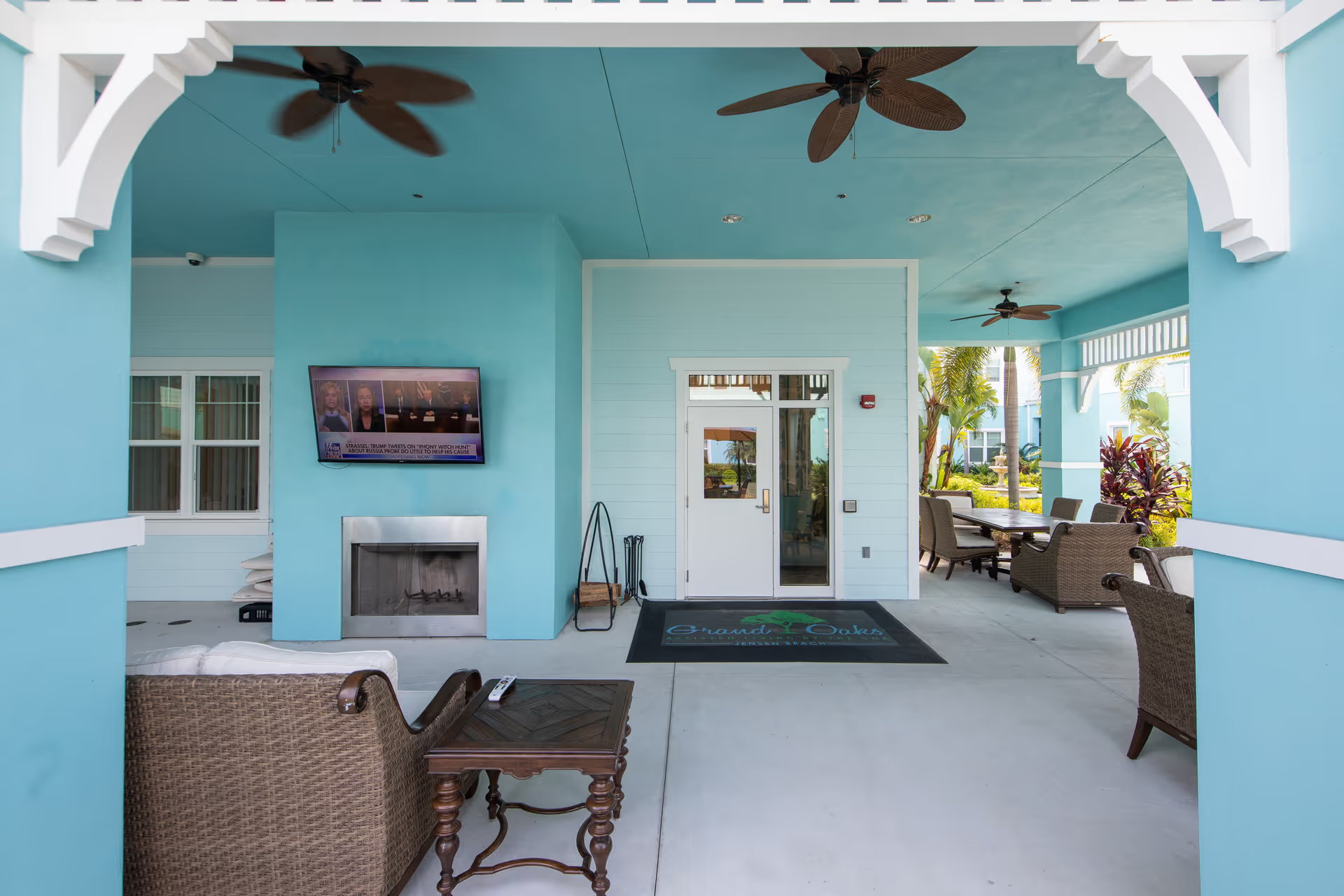
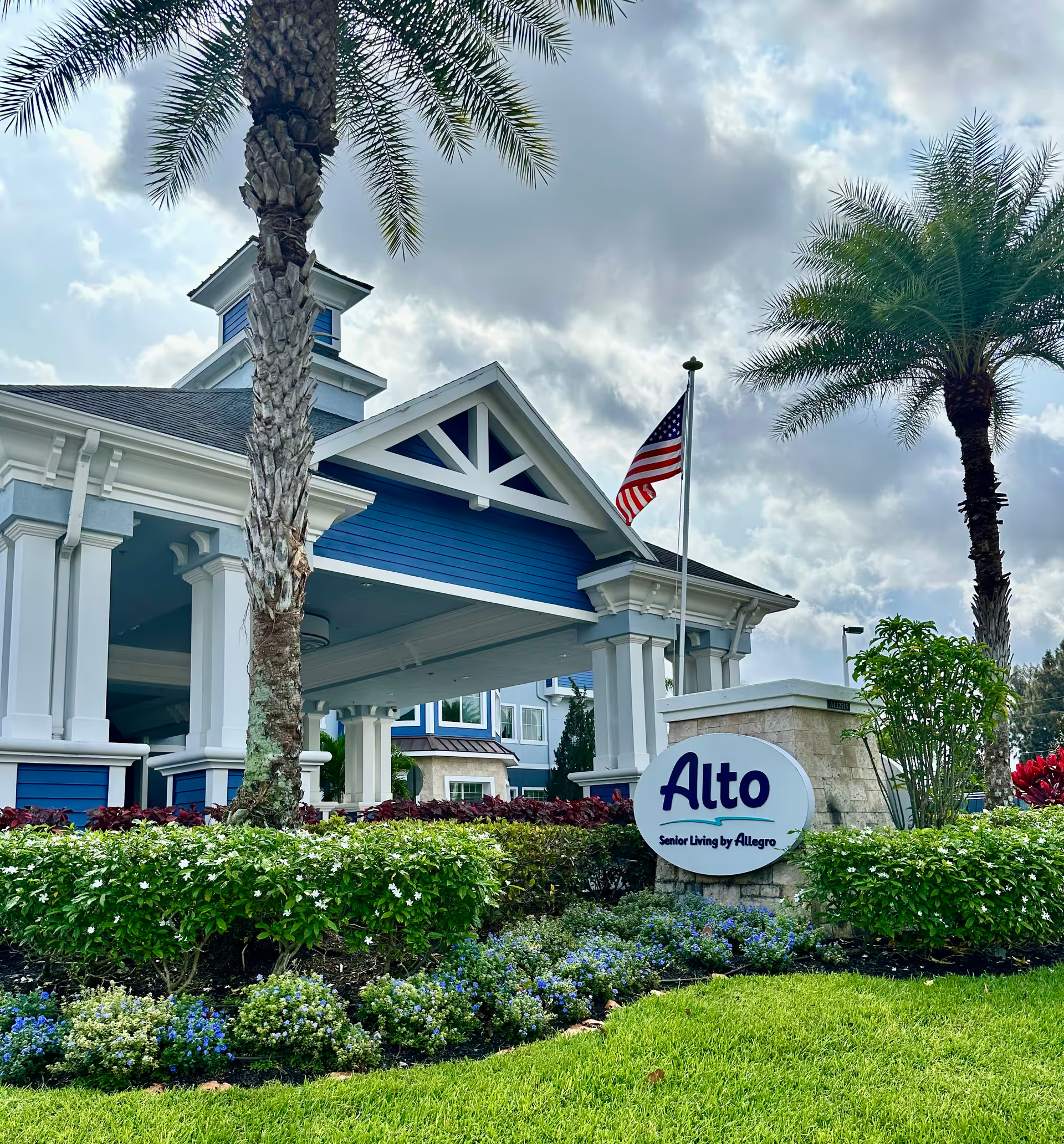
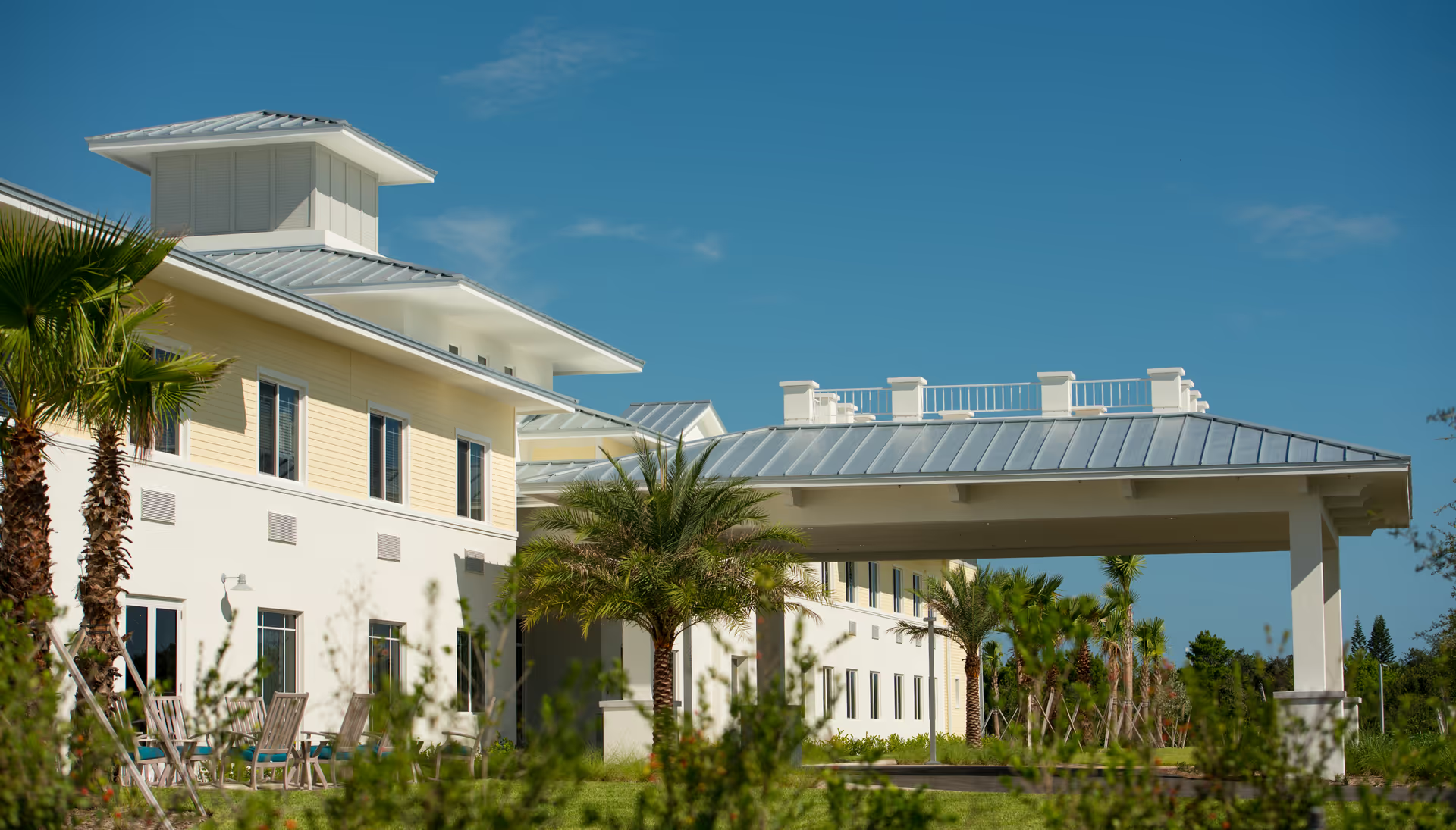
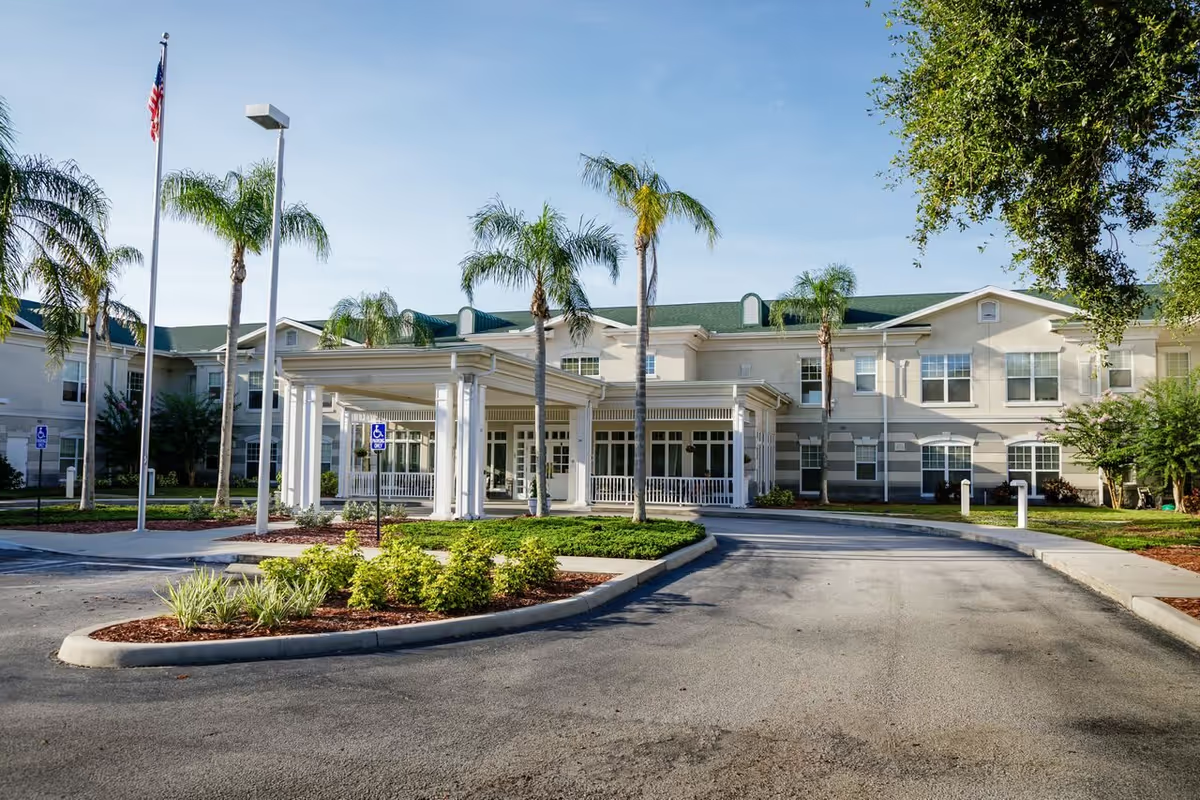
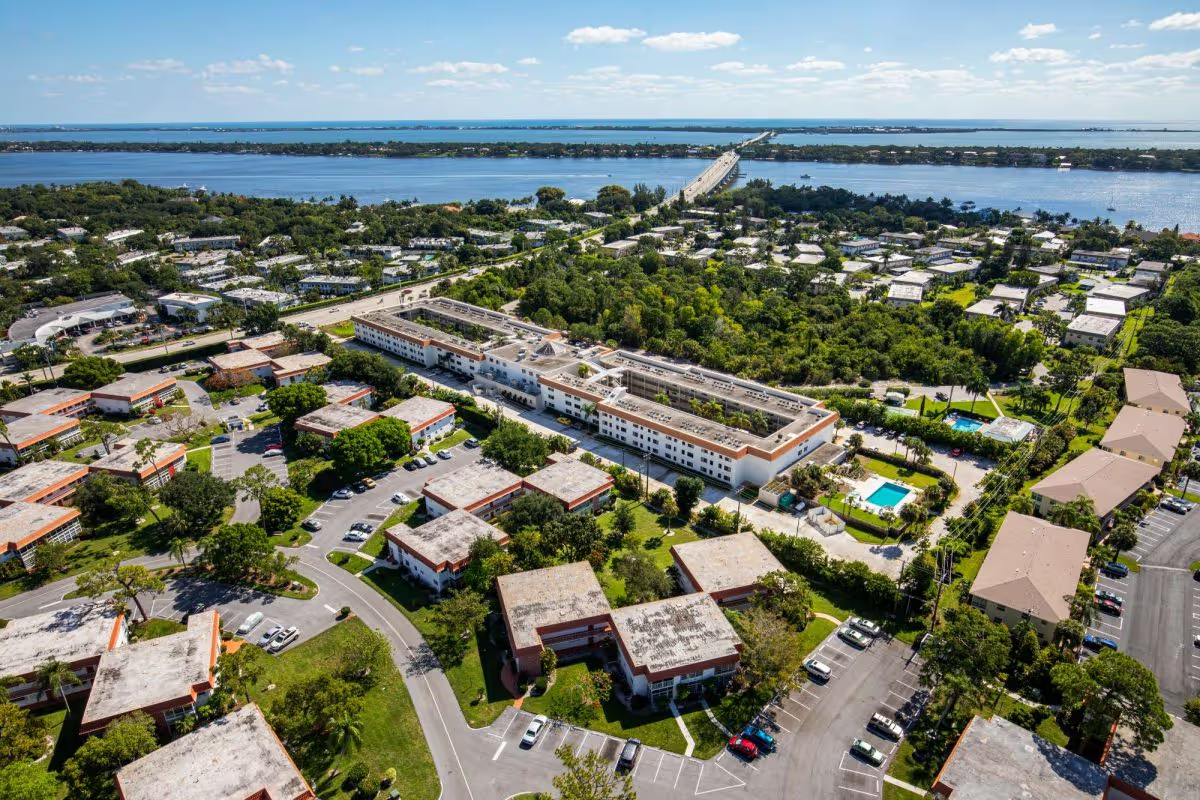
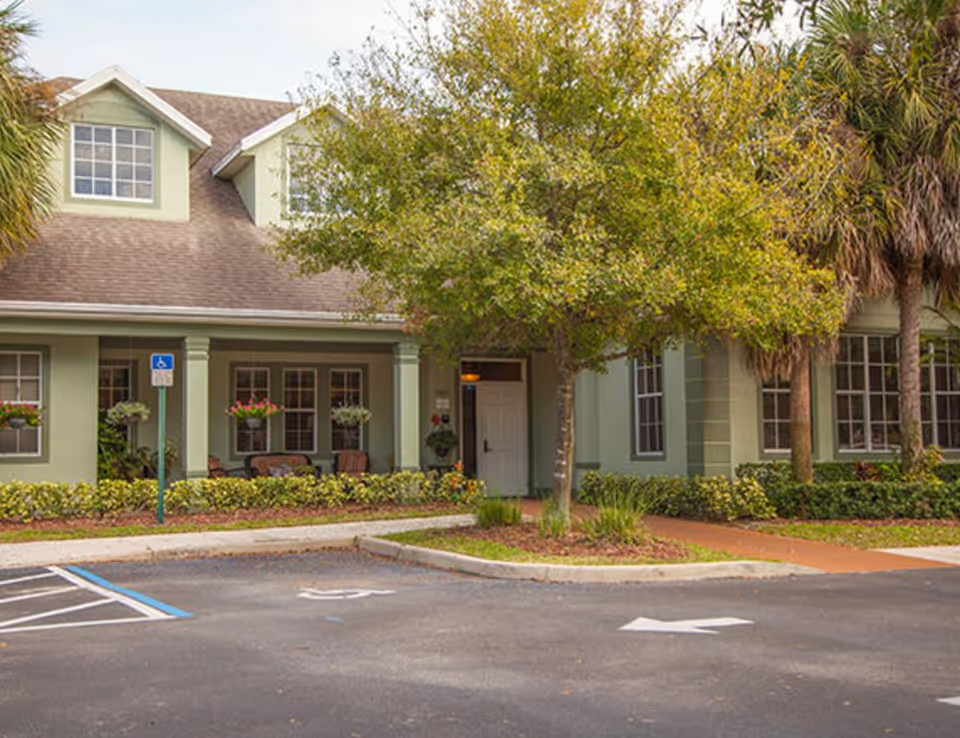
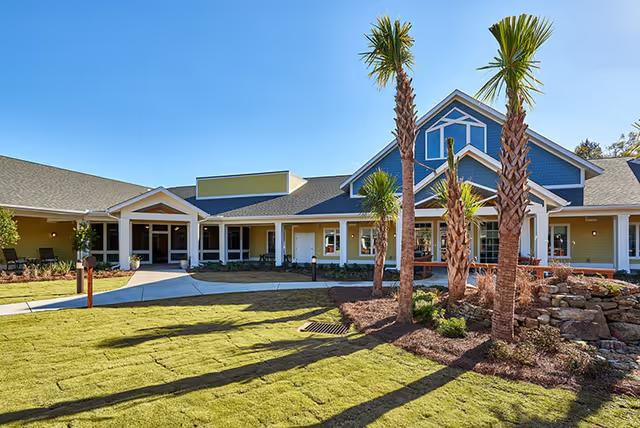
The Harrison of Stuart presents a generally well-appointed, resort-like environment with a broad range of amenities and an active social calendar. Reviewers consistently describe attractive, well-maintained interiors and outdoor spaces, regular happy hours, movie nights, live entertainment, and transportation for outings. The community offers multiple social and wellness options—salon services, fitness programming, courtyard access, and frequent group events—which many families find supportive of an engaging daily life.
Clinical and caregiving experiences are mixed. Numerous families praised attentive nurses and staff who provide personalized attention, continuity of caregivers, and appropriate accommodations such as pureed meals and on-site medication oversight. At the same time, there are recurring operational concerns: inconsistent staffing levels and turnover, variability in staff training (particularly in memory care and overnight coverage), and instances that suggest weaknesses in medication-management controls. Several narratives point to delays in post-fall response and gaps in communication with families following clinical incidents, indicating areas where emergency response and family notification protocols could be strengthened.
Dining and activities are strengths for many residents, with multiple accounts of nutritious, well-prepared meals, communal dining, and robust activity schedules that go beyond passive television. That said, others noted uneven meal quality over time, occasional menu declines, and inconsistent handling of dietary restrictions. Activities programming is broadly described as active and creative, but timing and accessibility of some events were described as early in the day or inconsistent for some residents.
Management and administrative practices show variability. Positive impressions of a family-like atmosphere coexist with complaints about administrative responsiveness: follow-up delays from marketing or management, front-desk communication lapses, and concerns about admission expectation-setting. Operational items cited include billing and discharge practices that families found unclear, and limited capability for residents who require higher-acuity rehabilitation or around-the-clock skilled nursing care. There are also specific facility-level concerns about environmental controls in parts of the memory-care unit (for example, HVAC inconsistencies) that prospective families should confirm during a tour.
For prospective residents and families: the community offers strong amenities, an active social life, and many staff who are described as caring and attentive. At the same time, ask targeted questions on your visit about staffing ratios (including overnight coverage), fall-prevention protocols and post-fall communication, medication administration processes, memory-care staffing and environmental controls, handling of dietary needs, and contract/billing policies (including discharge and end-of-stay charges). Verifying these operational details and requesting references from current families can help determine whether the facility’s strengths align with an individual’s clinical and social needs.