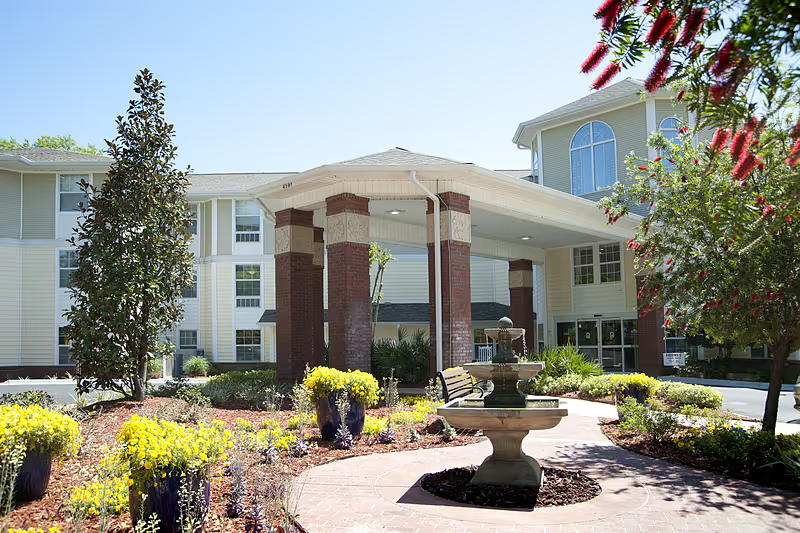
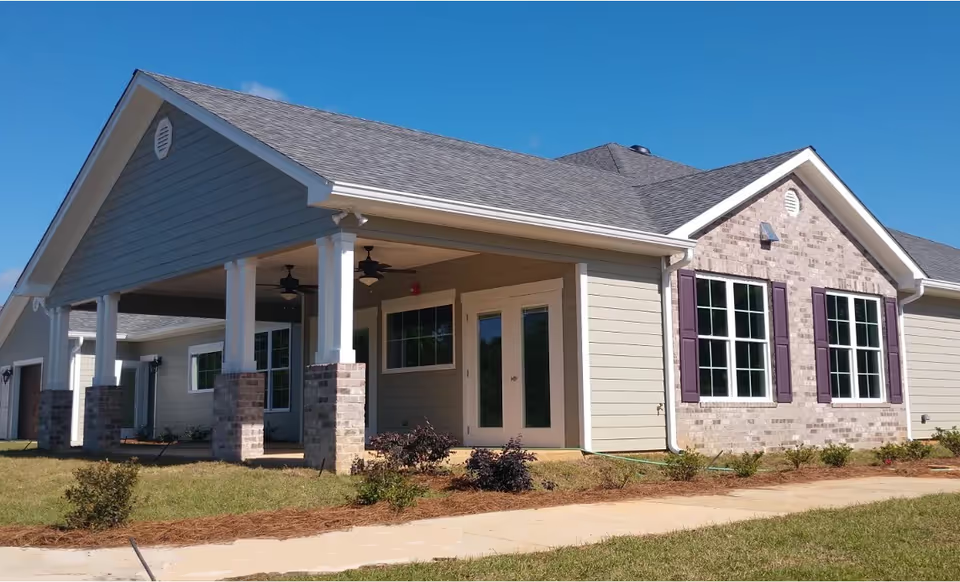
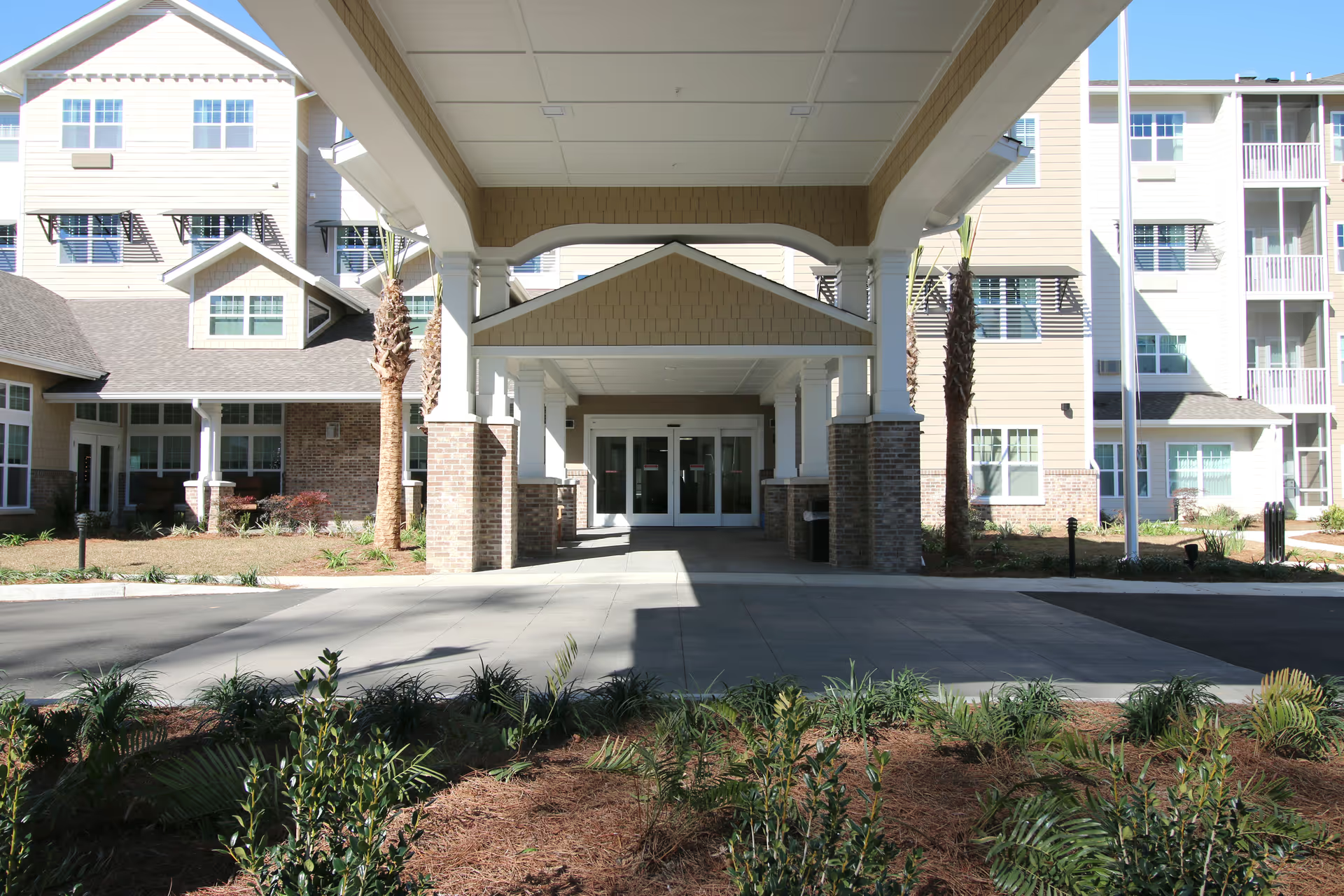
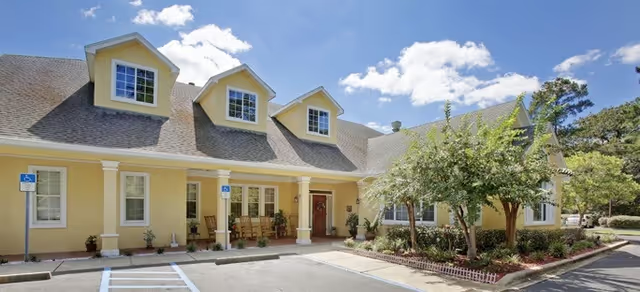
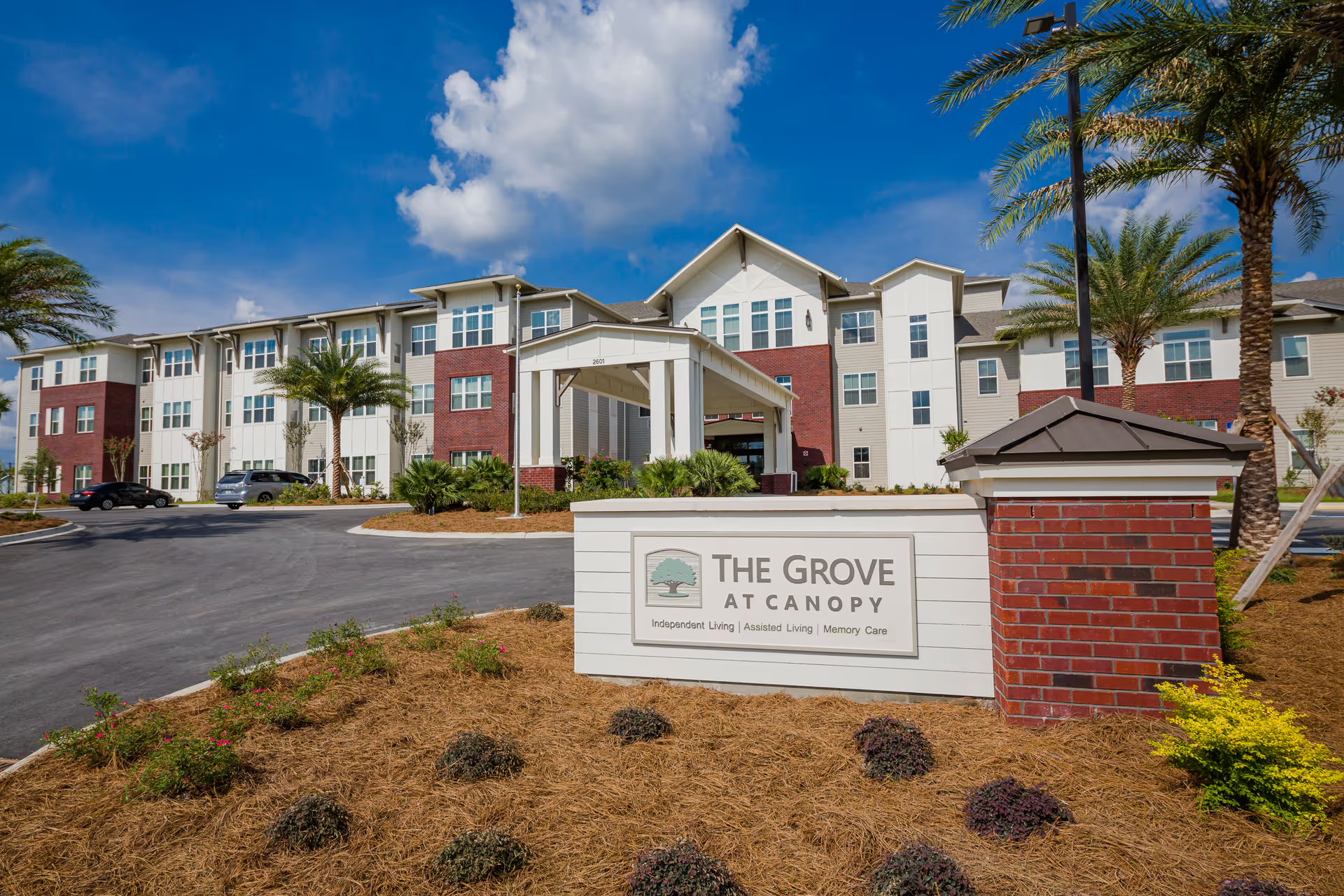
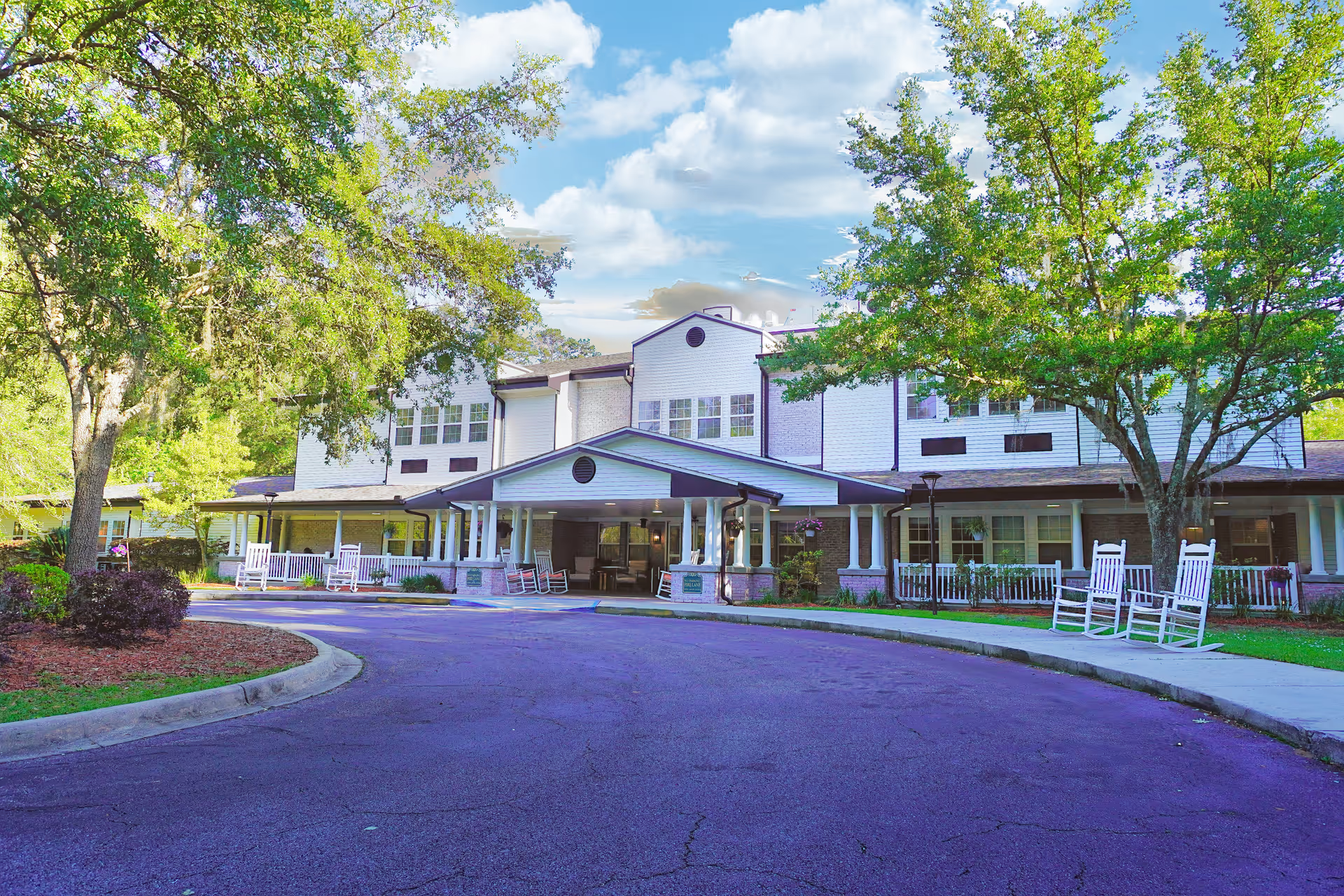
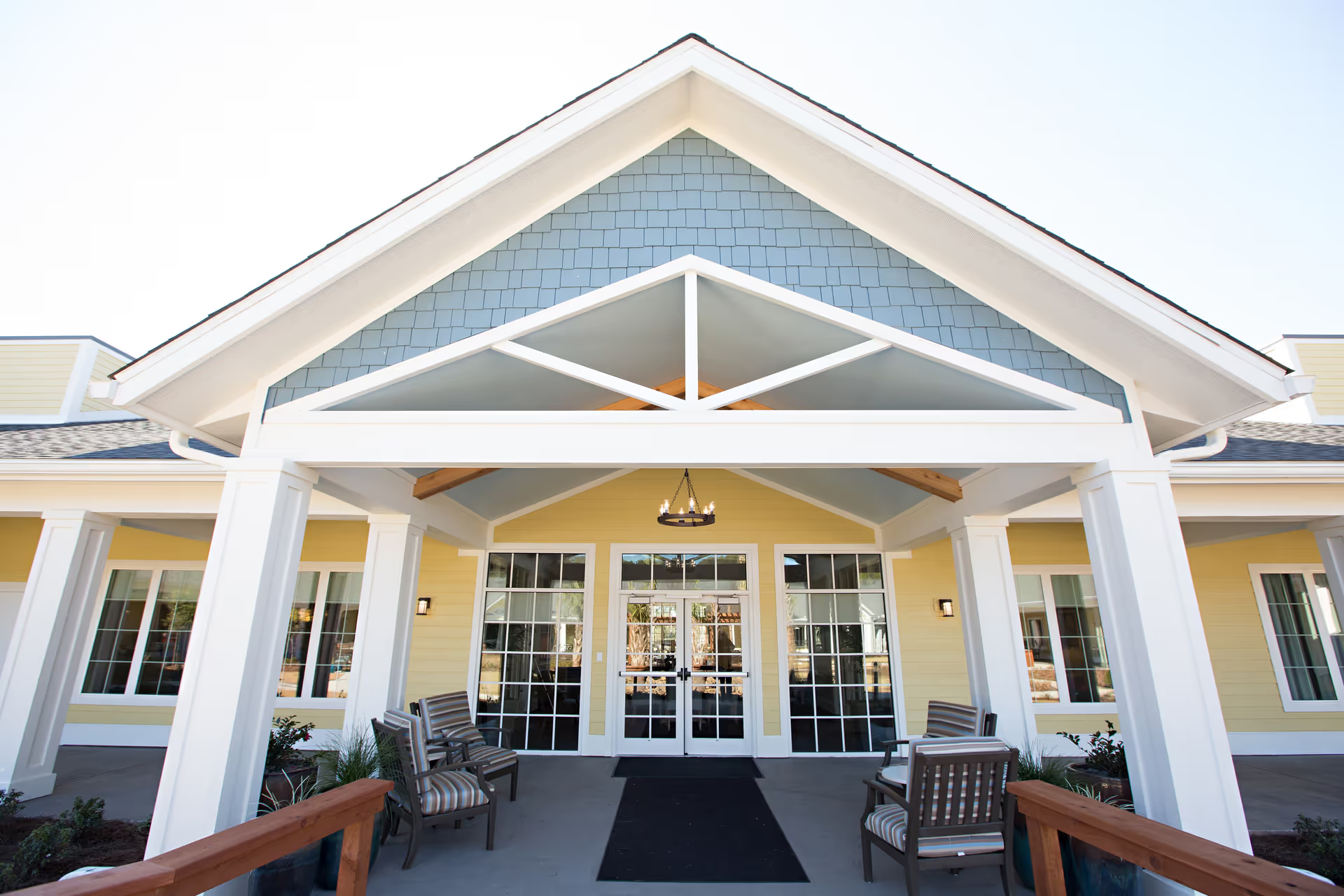
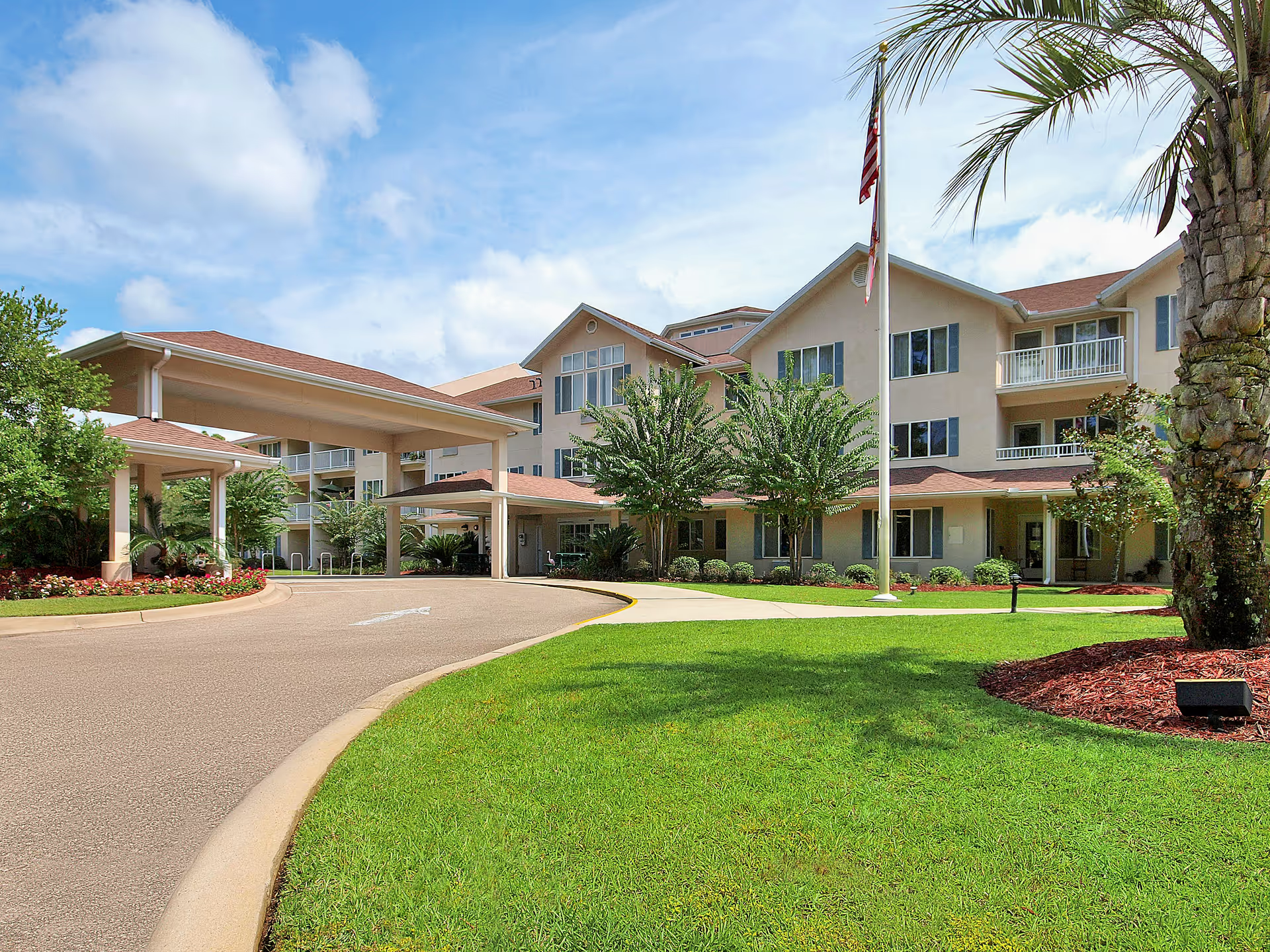
Azalea Gardens Assisted Living & Memory Care presents as a relatively new, small-scale community with several operational strengths that appeal to families seeking personalized memory-support and assisted living. The facility's physical environment is frequently described as attractive and thoughtfully designed: a new building with tasteful furnishings, an interior courtyard and water features, and an accessible, community-style layout. Many families praised the admissions process, citing a warm, responsive admissions team and clear pricing information that supported an easier transition.
Clinical and direct-care strengths are a prominent theme. Reviewers emphasize compassionate, Alzheimer-trained staff who learn residents' life stories and preferences, which supports individualized care. The community holds full nursing licensure and offers multiple levels of care, which reviewers linked to capable clinical oversight. Staff were repeatedly described as attentive and personable; when staffing is adequate, families reported strong relationships, consistent attention to resident preferences, and a high level of daily support.
Dining and programming are widely noted as positives. Meals are described as appealing and well-presented, supported by a dedicated dietary team. The activity program is characterized as robust and varied, with crafts, gardening, social outings, weekly luncheons, and cognitive supports in memory care. Educational sessions for families and emerging day-program options add to the offerings that support family engagement and resident stimulation.
However, a recurring operational pattern tempers the overall picture: staffing and operational consistency. Multiple reviewers described periods of understaffing, frequent turnover, and schedule instability that manifested as delays in routine tasks, inconsistent housekeeping and laundry service, and occasional limitations in activity or outdoor access. These operational weaknesses were also linked to communication gaps with administration in some instances. Specific sanitation and pest-control concerns were raised for select rooms, indicating an area requiring quality-control attention. Families also advised careful evaluation of the community's capacity for residents with higher-dependency or atypical dementia presentations (for example, Lewy Body Dementia), and noted there is limited availability for short-term or respite stays.
In summary, Azalea Gardens appears to offer strong person-centered memory-care programming, attractive facilities, and a family-oriented culture supported by clinically licensed oversight. Those considering the community should weigh these strengths against reported variability in staffing continuity, housekeeping consistency, and administrative communication. Prospective residents and families would benefit from direct questions about current staffing ratios and turnover, housekeeping and pest-control protocols, accommodations for more complex dementia needs, and availability of short-term stays before making a placement decision.