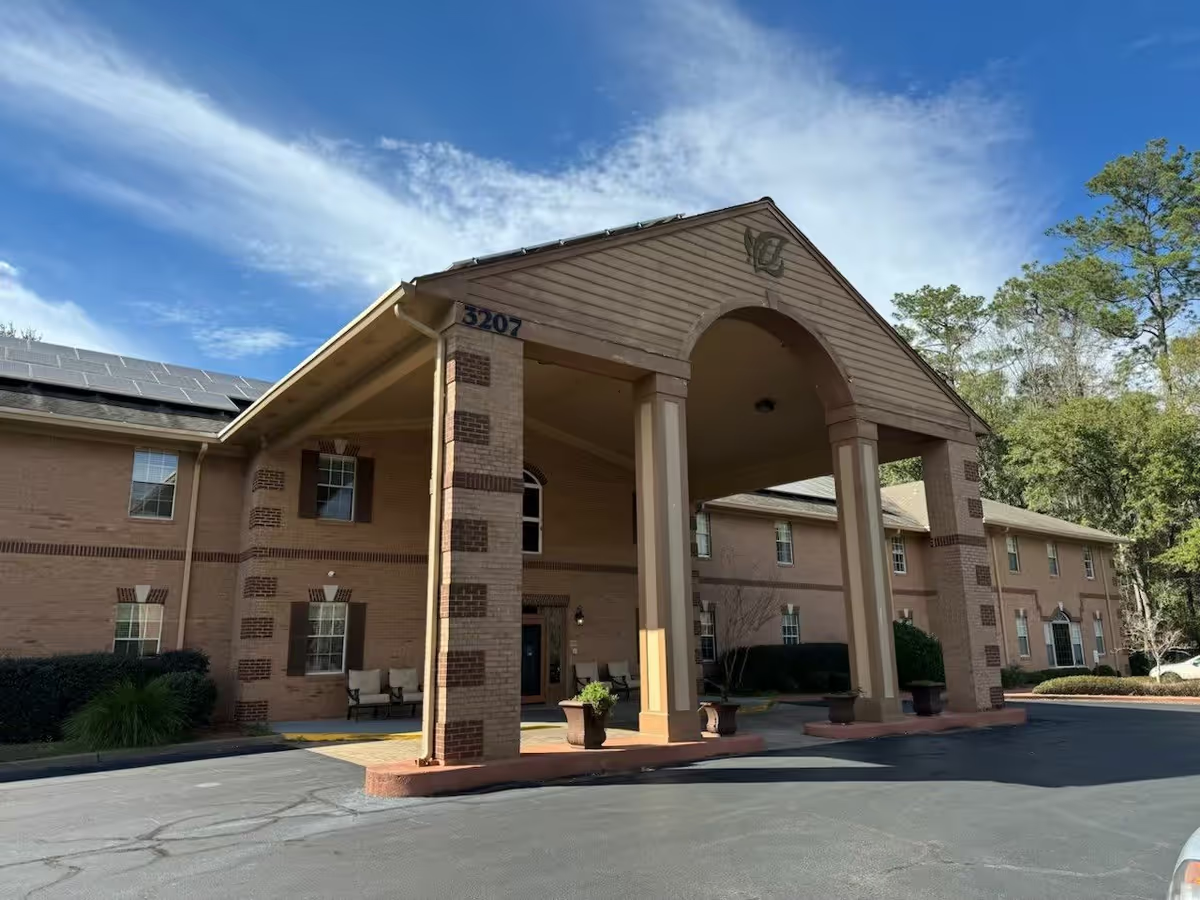
The Opal on Hermitage (Brookdale/Opal-managed) elicits a mix of strong praise and persistent operational concerns. Positive accounts center on the quality of interpersonal care: numerous families describe caregivers as kind, familiar with resident preferences, and genuinely engaged. Visitors and residents commonly praise the warm, small-community atmosphere, responsive maintenance team, and a generally clean, well-kept environment. Dining is frequently described as restaurant-style with hot, appealing meals and a varied menu when operations are functioning normally. Activity offerings — from gentle exercise to bingo, singalongs, and occasional animal visits — contribute to resident engagement and social opportunities.
Care quality appears variable. When staffing is adequate, reviewers describe professional, gentle nursing and attentive day- and night-shift caregivers who build rapport with residents and support individualized preferences. However, several accounts point to delays in attending to resident needs (slow call-bell response) and inconsistencies in clinical follow-through, including medication-administration practices and limited availability of bathing/showering assistance. A few family accounts raise concerns about skin integrity and incontinence-care delays; these indicate the need for stronger clinical oversight and staffing alignment to resident acuity.
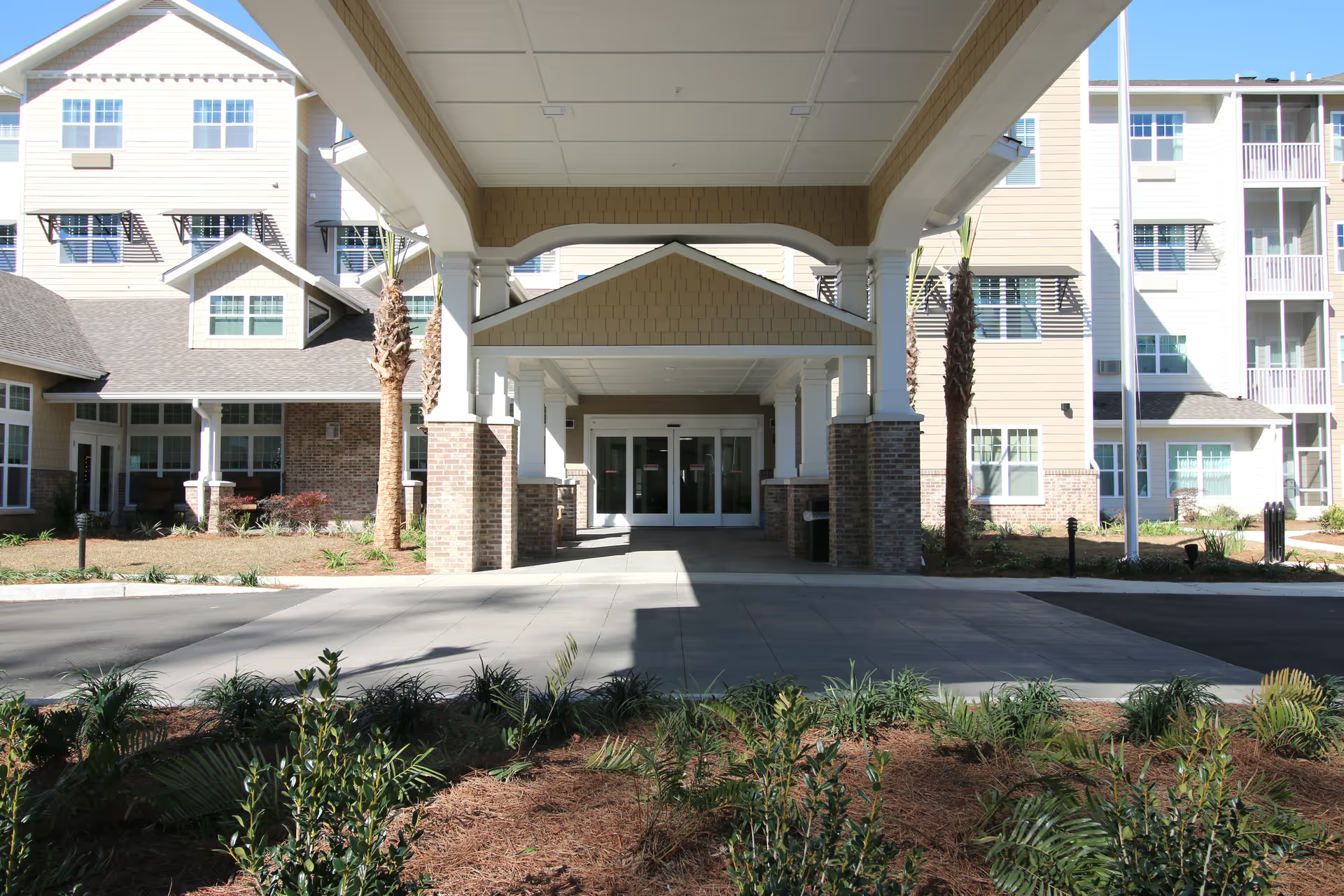
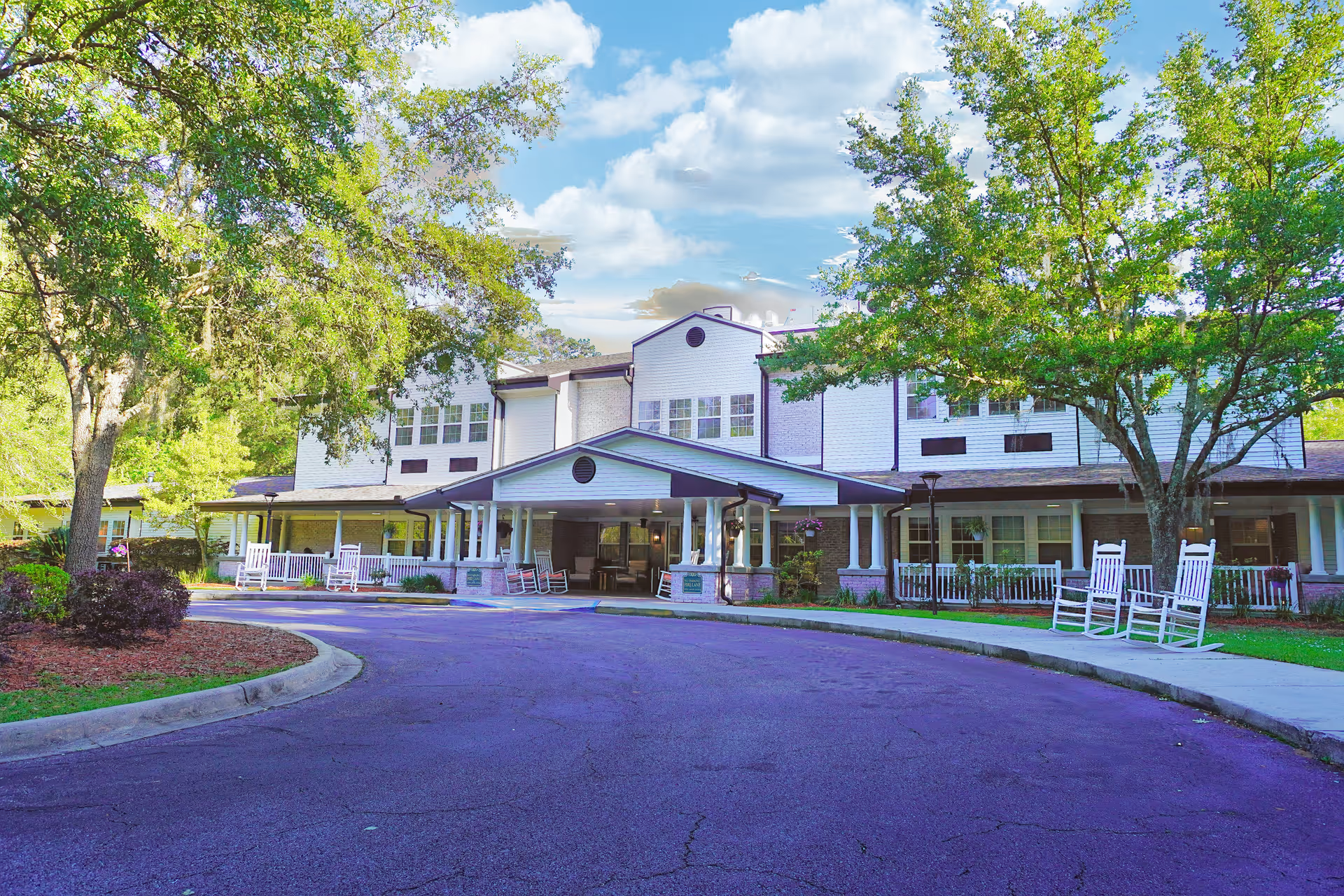
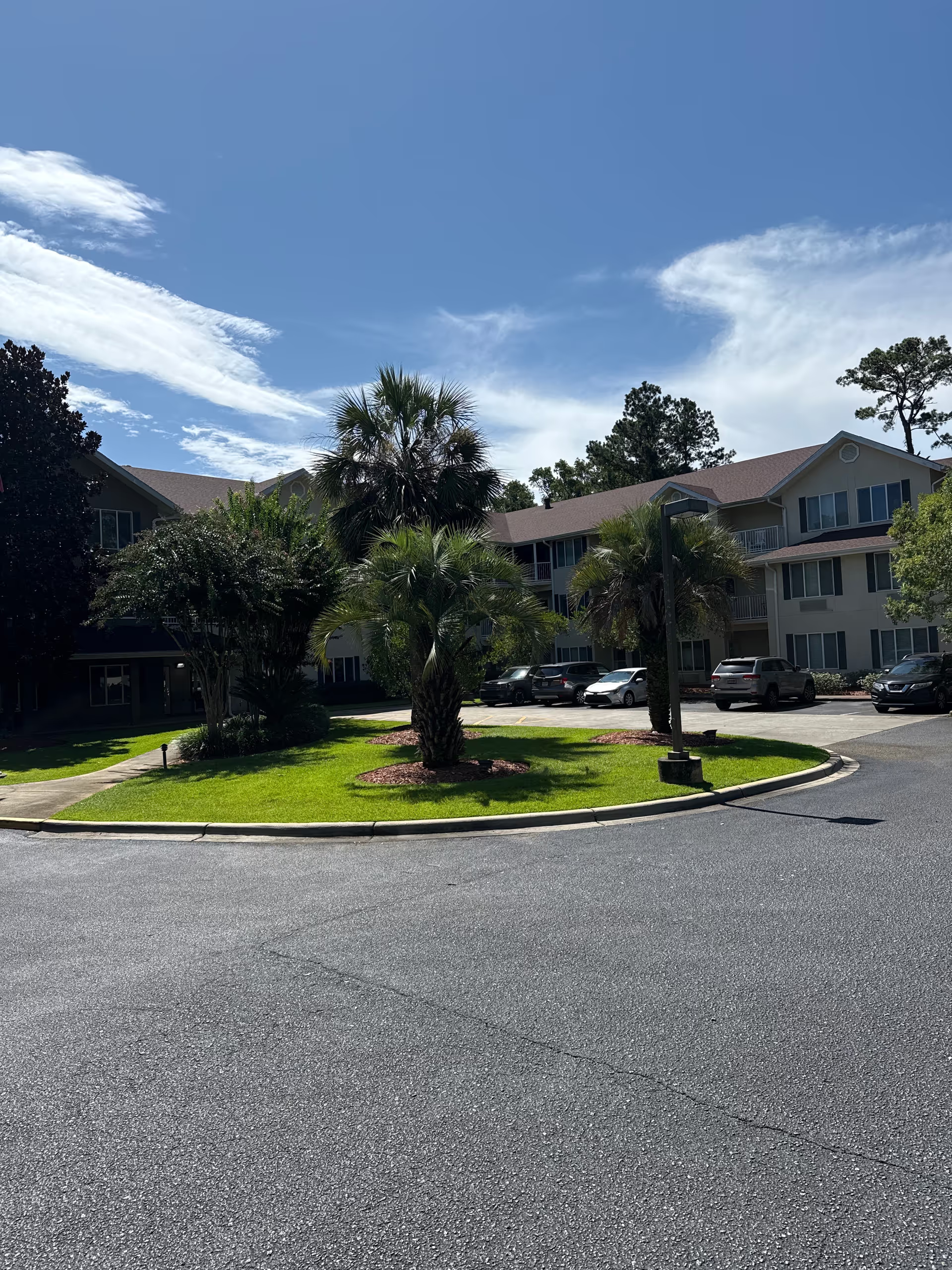
Dining and household services show strengths and weaknesses. Many reviewers appreciate the meal presentation, variety, and hot entrées; others describe small portions, occasional kitchen disruptions, and lapses in meal-service continuity. Housekeeping and sanitation are often credited to specific staff members who maintain common areas and rooms, but there are recurring notes about inconsistent room cleaning, odor concerns in some rooms and common areas, and gaps in routine housekeeping coverage. The facility's physical assets — attractive grounds, screened porches, updated flooring in areas, and a compact, home-like layout — are generally viewed positively, though some people find resident rooms small and floor plans segmented.
Operational and management patterns are a notable theme. Reviews reference high staff turnover, periodic changes in leadership, and anticipated ownership transitions; these dynamics appear to correlate with fluctuating service levels. Several families described billing and charge-reconciliation problems, including difficulties obtaining refunds and discrepancies on invoices, which constitute a serious administrative concern. Transportation availability is described as limited at times, and activity-program staffing can be inconsistent, reducing the predictability of scheduled engagement opportunities.
Implications for prospective residents and families: The Opal on Hermitage provides many of the relational and environmental qualities families seek in a small senior living community — compassionate staff, homelike atmosphere, appealing dining, and active grounds. At the same time, the facility experiences operational challenges that can affect daily living: variable staffing levels, inconsistent housekeeping and clinical follow-through, administrative billing issues, and intermittent service disruptions. Prospective residents should prioritize a direct conversation about current staffing ratios and schedules, medication-management protocols, bathing and incontinence-care procedures, housekeeping frequency, and billing practices. A tour that includes observation of mealtime service, activity programming, staffing presence on different shifts (including weekends and nights), and review of recent quality-improvement actions by leadership will help evaluate whether the facility’s strong interpersonal culture is matched by consistent operational reliability.