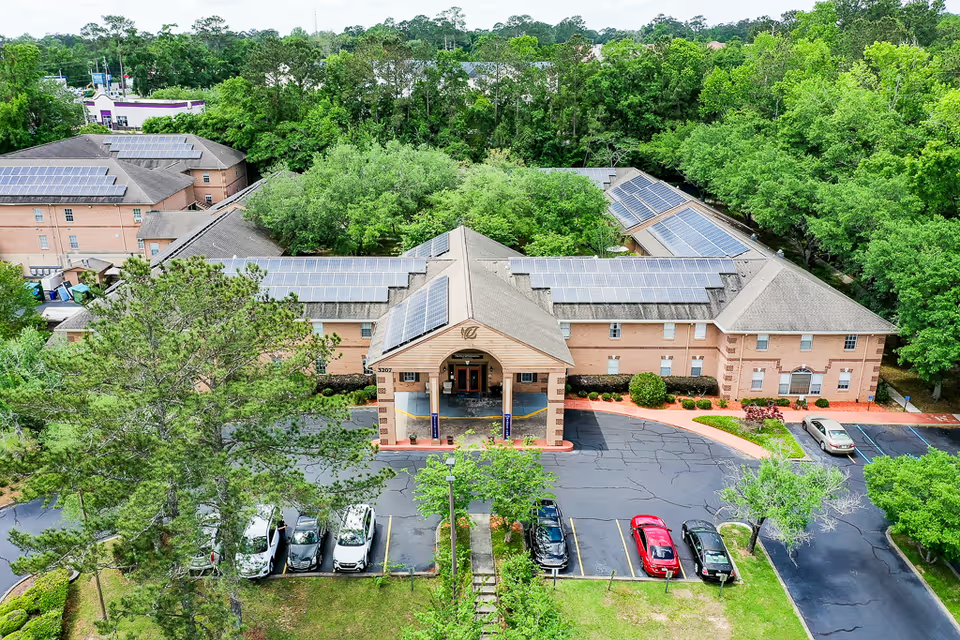
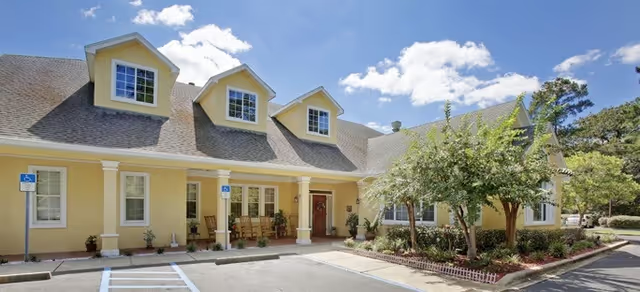
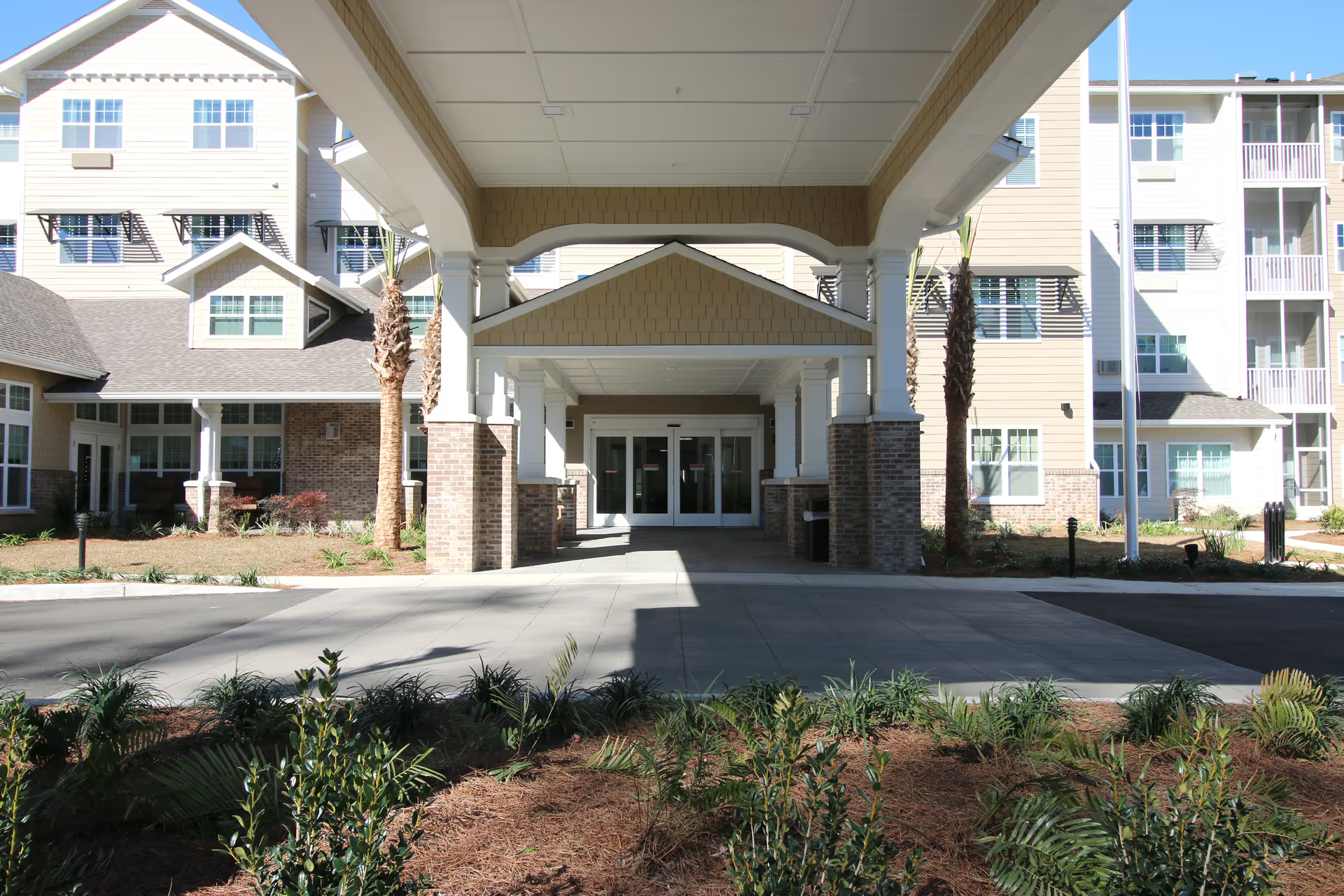
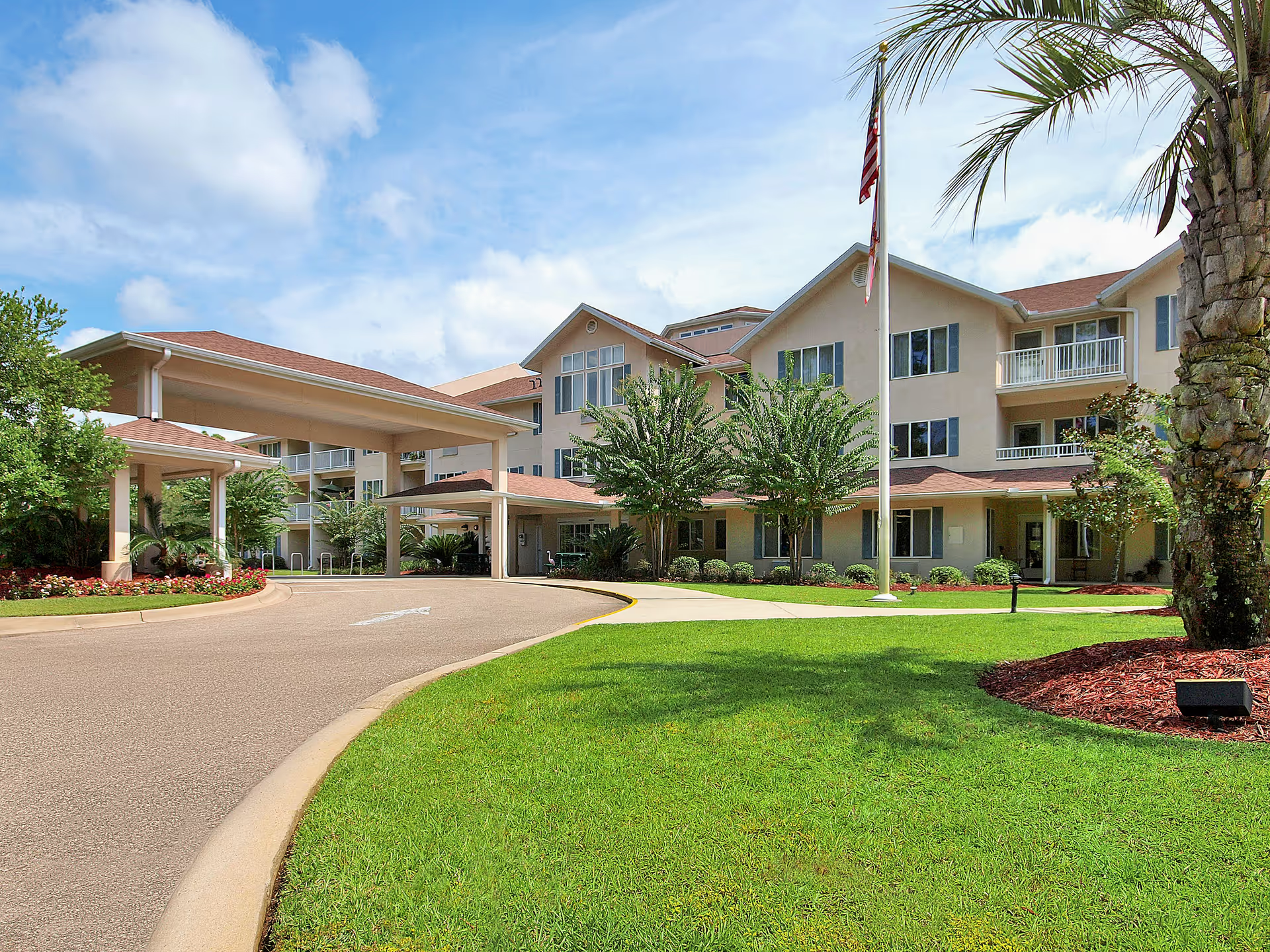
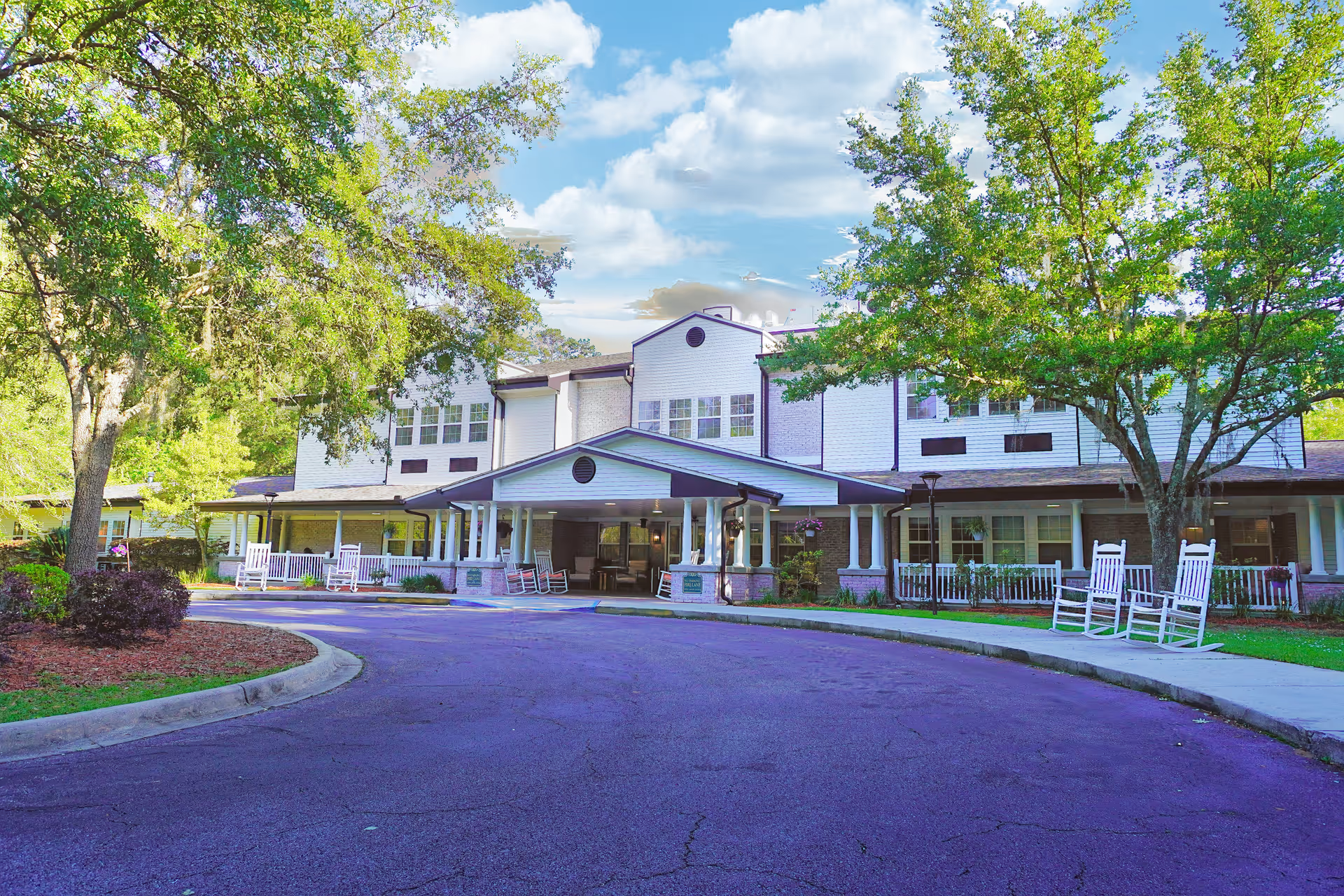
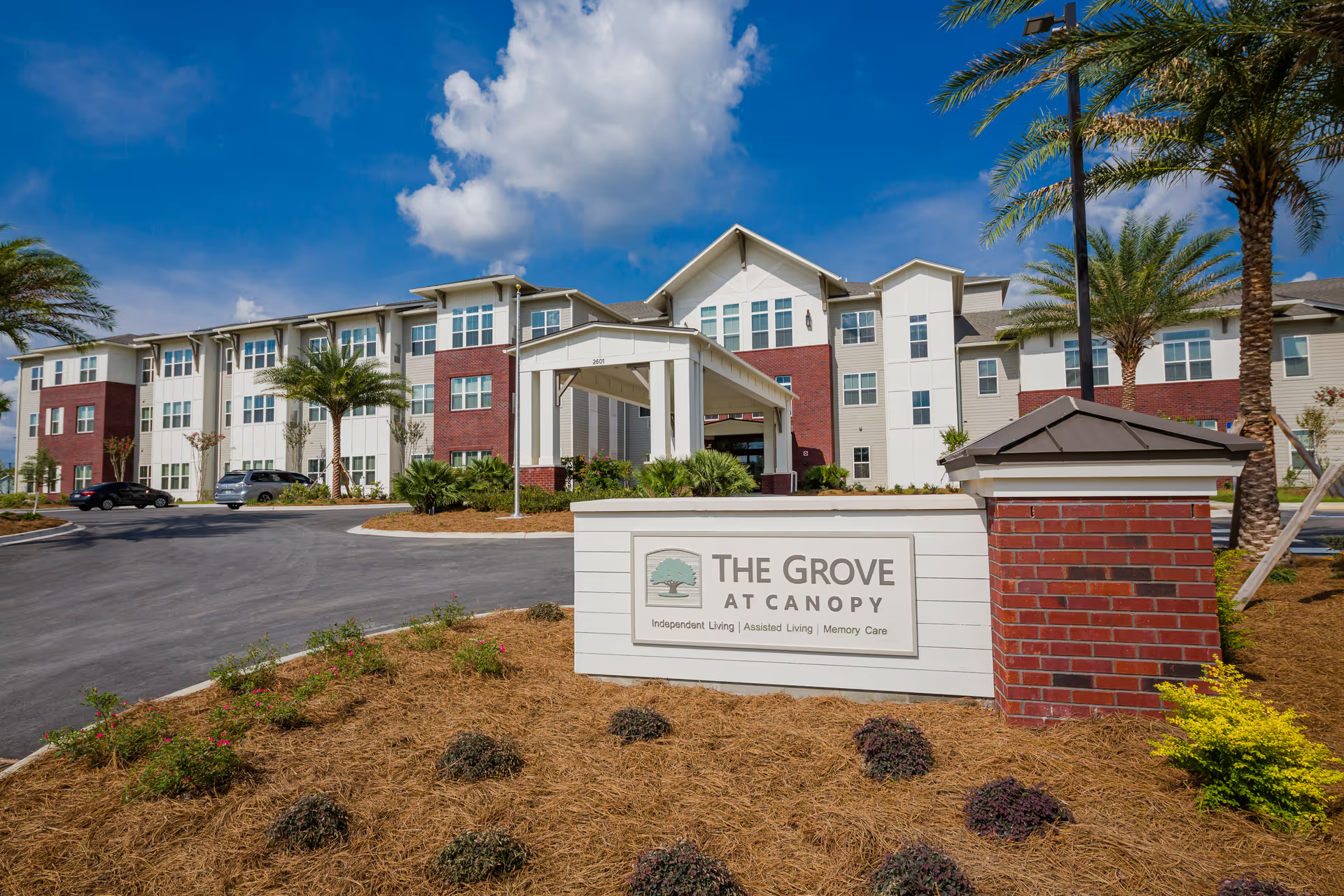
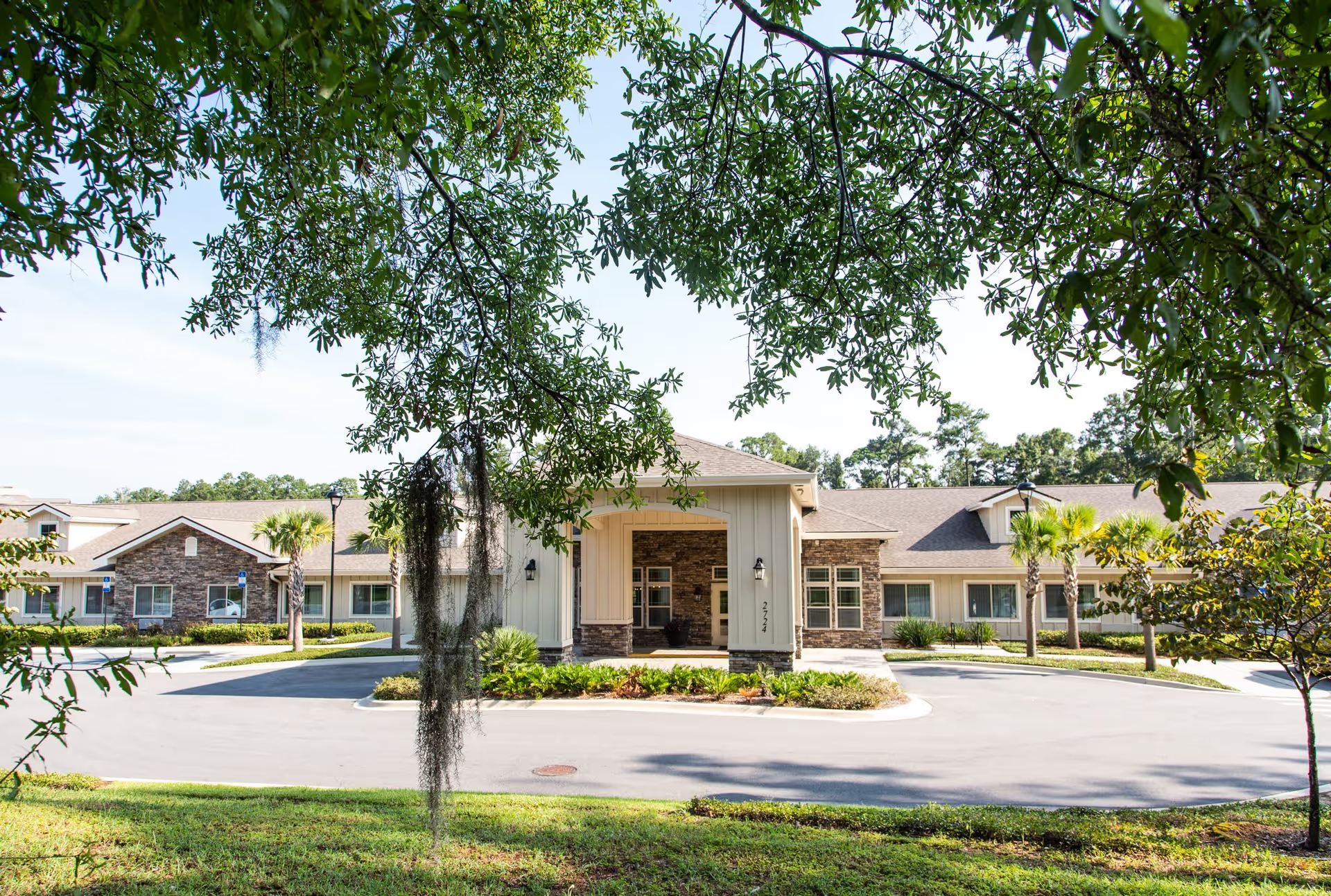
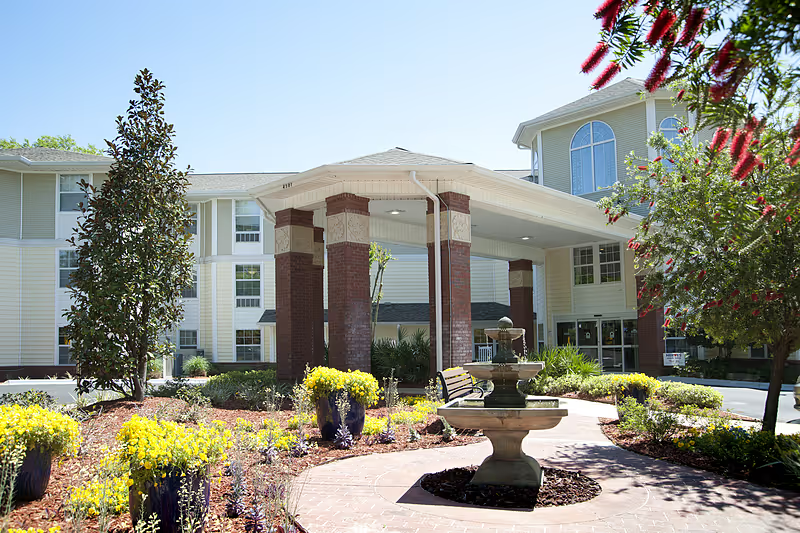
Overall impressions of the community are strongly influenced by frontline staff and programming. Many families and visitors described caregiving teams as compassionate, attentive, and familiar with residents’ names; multiple staff members and department leaders received specific praise for responsiveness and dementia-care knowledge. The facility commonly provides on-site nursing coverage across shifts, on-site therapy services, and a high staff-to-resident ratio that families find reassuring. Admissions and concierge staff are often described as welcoming, and first impressions are helped by bright, airy common areas, a hotel-like aesthetic after renovations, and a secure courtyard and dog-walking area.
Dining and activities are recurring strengths for many reviewers. The community operates a flexible dine-anytime model with 24/7 dining availability and many accounts of attentive dining-room service and accommodated dietary needs. Reviewers frequently praised a robust activities calendar — bingo, outings, crafts, religious services, salon and movie-room programming — and an active social atmosphere highlighted by a well-attended daily happy hour. These programmatic offerings are often cited as supporting resident engagement and socialization.
At the same time, reviewers identified a set of operational weaknesses that recur across accounts. Call-button response times and variable staffing levels produced wait times and perceptions of inconsistent responsiveness. Several families described challenges with administrative communication and follow-up, including difficulty getting timely callbacks or resolution of outstanding questions. Maintenance and housekeeping were generally satisfactory in many areas but intermittent issues were noted (carpet cleanliness, occasional leaks, window coverings missing), suggesting variability in facilities upkeep. A small but notable cluster of clinical concerns included inconsistent medication-administration practices and questions about pressure-injury prevention and incontinence-care responsiveness; these point to areas where clinical oversight and training could be strengthened.
Specific aspects of the physical plant and culture also emerged as mixed. Many appreciated apartment-style units with kitchenettes and private bathrooms, yet memory-care areas were described as constrained by an older converted-hotel layout with narrow hallways and smaller social spaces. A few reviewers raised concerns about laundry or personal-item handling and, in isolated cases, perceived lapses in staff professionalism; these are operational traits rather than systemic condemnation, but they underscore the importance of consistent staff training and accountability. Finally, while some families praised strong emergency planning, a few noted infrastructure reliability issues (for example, elevator or service outages during extreme weather), indicating variable resilience under stress.
In summary, the facility's principal strengths are its engaged caregiving teams, flexible dining model, active social programming, and bright, well-appointed common areas. Prospective residents and families should weigh these positives against recurring operational patterns: inconsistent responsiveness to call devices, variable administrative follow-through, maintenance variability, and limitations of the memory-care physical layout. Those considering the community would benefit from an in-person visit focused on call-response times, memory-care common-space dimensions, examples of clinical oversight (medication and wound/skin care protocols), and clear expectations for administrative communication and maintenance processes.