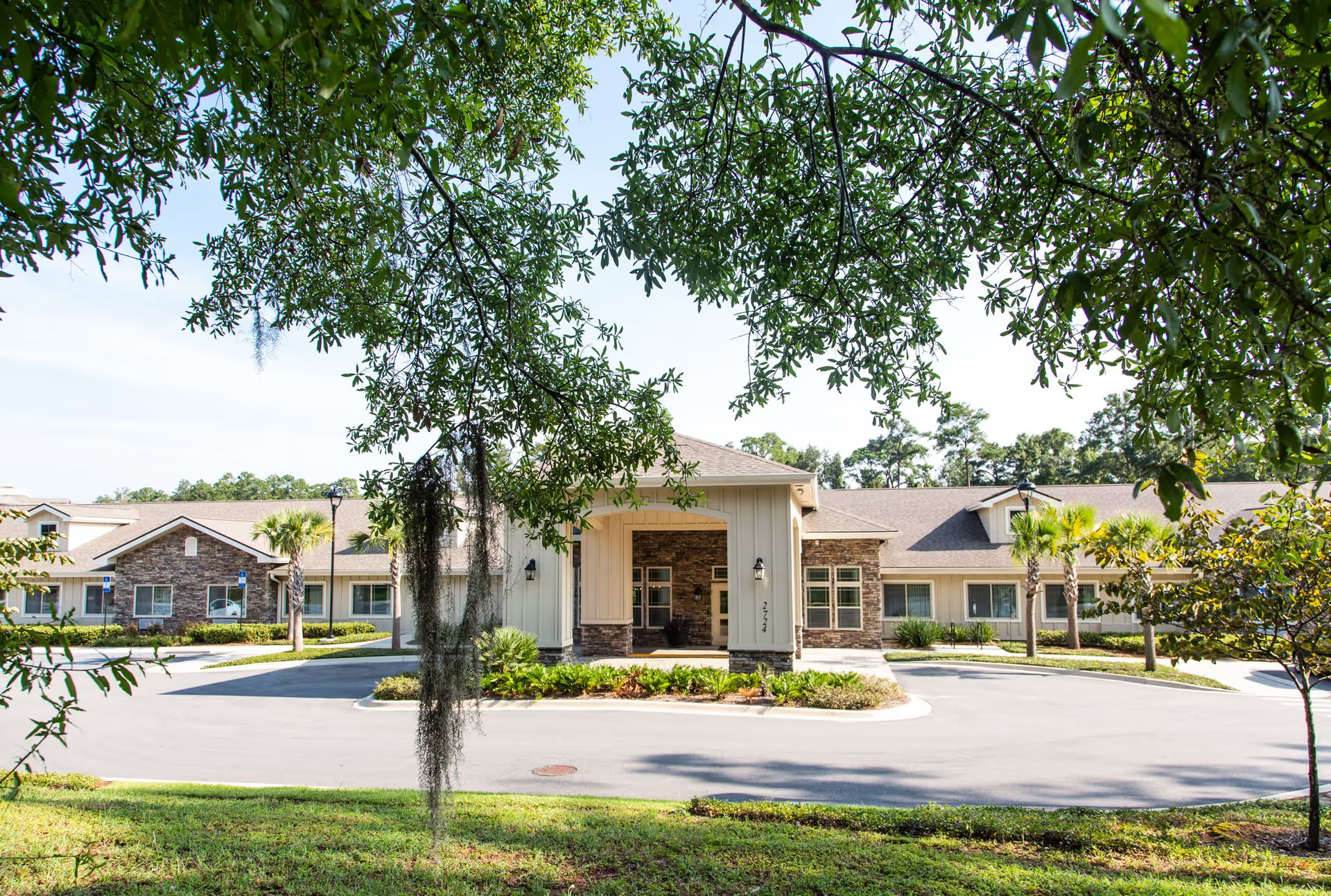
This set of reviews presents a mixed but clearly patterned picture. Many families and visitors emphasize the community's strengths as a dedicated memory-care provider: an attractive, single-level building with a large, well-used courtyard; an engaging activities program (including pet therapy and active leadership); and a staff culture described as compassionate and family-like. Multiple reviews cite individualized programming, strong person-centered approaches for dementia, and visible clinical skill in areas such as diabetes management. Several commenters also praised recent leadership attention and specific operational improvements implemented by new management.
Care quality is described positively in a majority of accounts, especially for residents with memory-loss needs. Reviewers frequently noted attentive, skilled nursing and individualized care plans. At the same time, a notable set of operational concerns appears repeatedly: medication administration and refill processes have been described as unreliable in some cases, and there are reports of delays or inconsistencies in assistance with feeding and continence care. A small number of serious reports — including concerns following a resident's death and instances where promised dementia-care supports were not delivered — highlight gaps in clinical-incident response and family communication that prospective families should examine closely.
Staff and culture receive strongly positive comments about compassion, resident engagement, and warmth; however, reviewers also point to high turnover and variability in staff training and experience. That variability is linked in the reviews to uneven day-to-day reliability: missed or late medication passes, intermittent activity coverage, and periods when housekeeping and laundry services did not meet expectations. Several reviews note tangible improvements after a management change, suggesting leadership and staffing decisions materially affect quality of care and operations.
Dining and environmental care are generally seen as strengths (many noted good meals, accommodating kitchen staff, and an immaculate, aesthetically pleasing environment). Yet parallel accounts describe cold food, lost belongings, and lapses in room-cleaning or laundry processes. Activities programming is often highlighted as a positive differentiator — lively socialization, creative programming, and frequent courtyard use — but at times reviewers reported inconsistency in schedule delivery or coverage gaps.
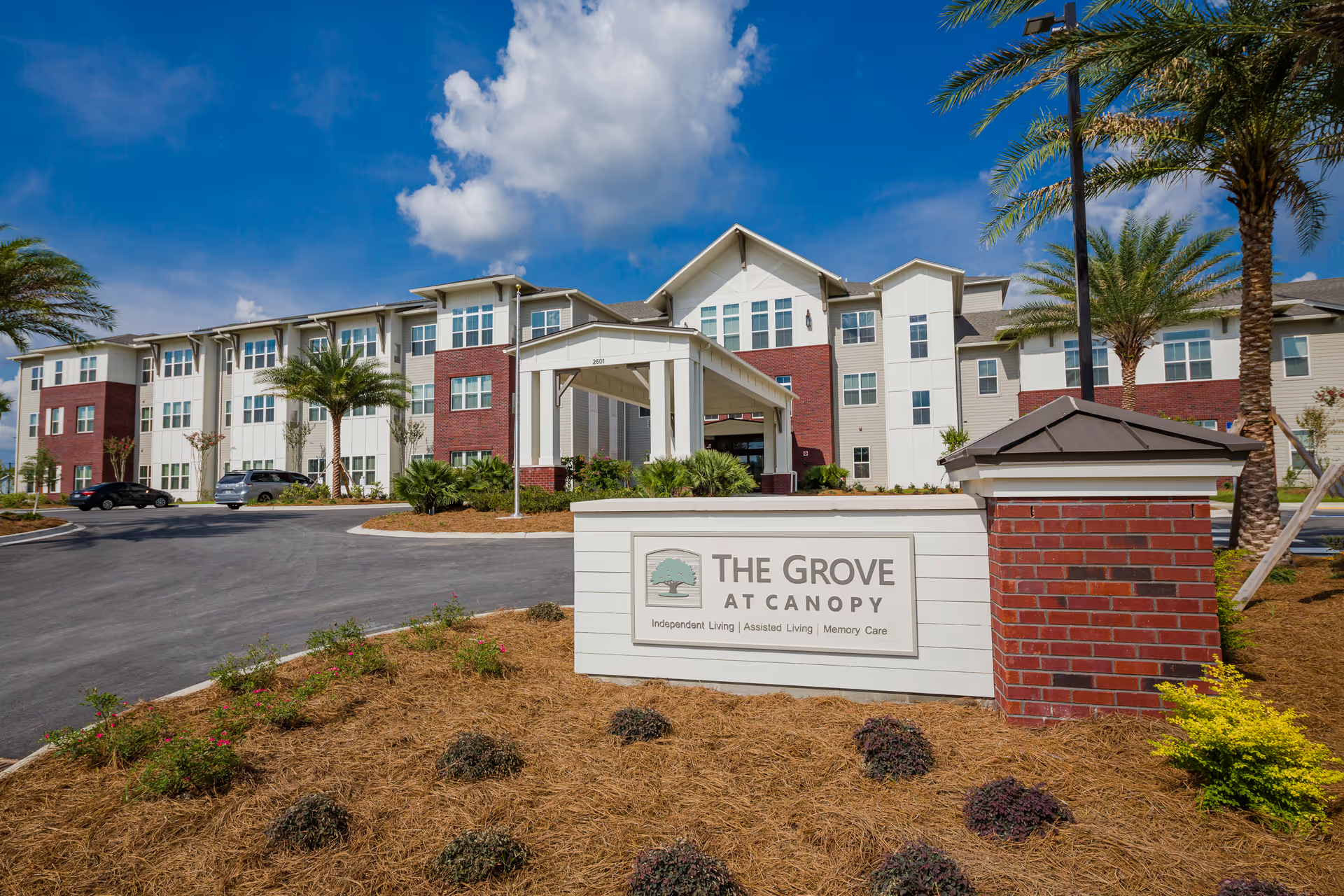
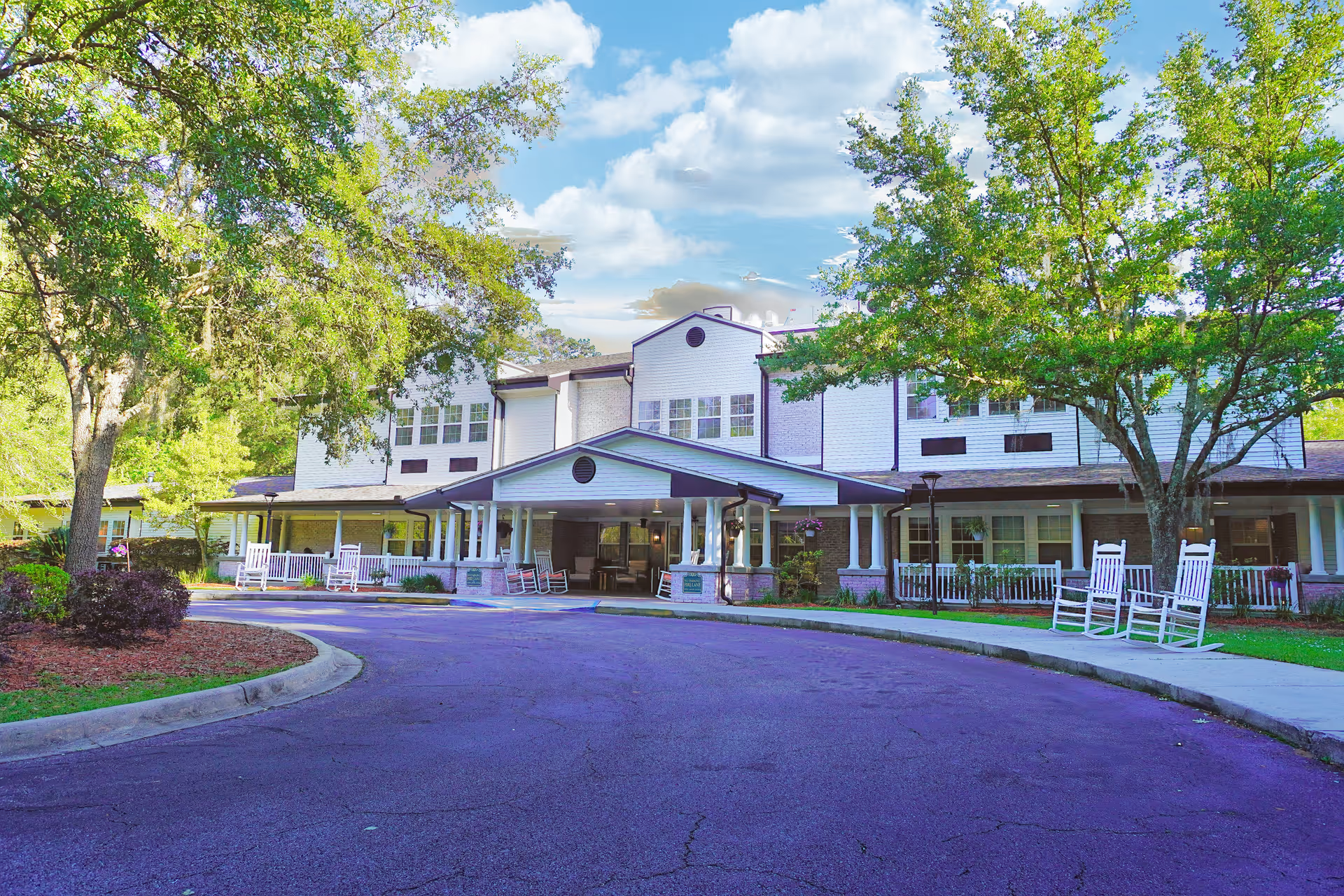
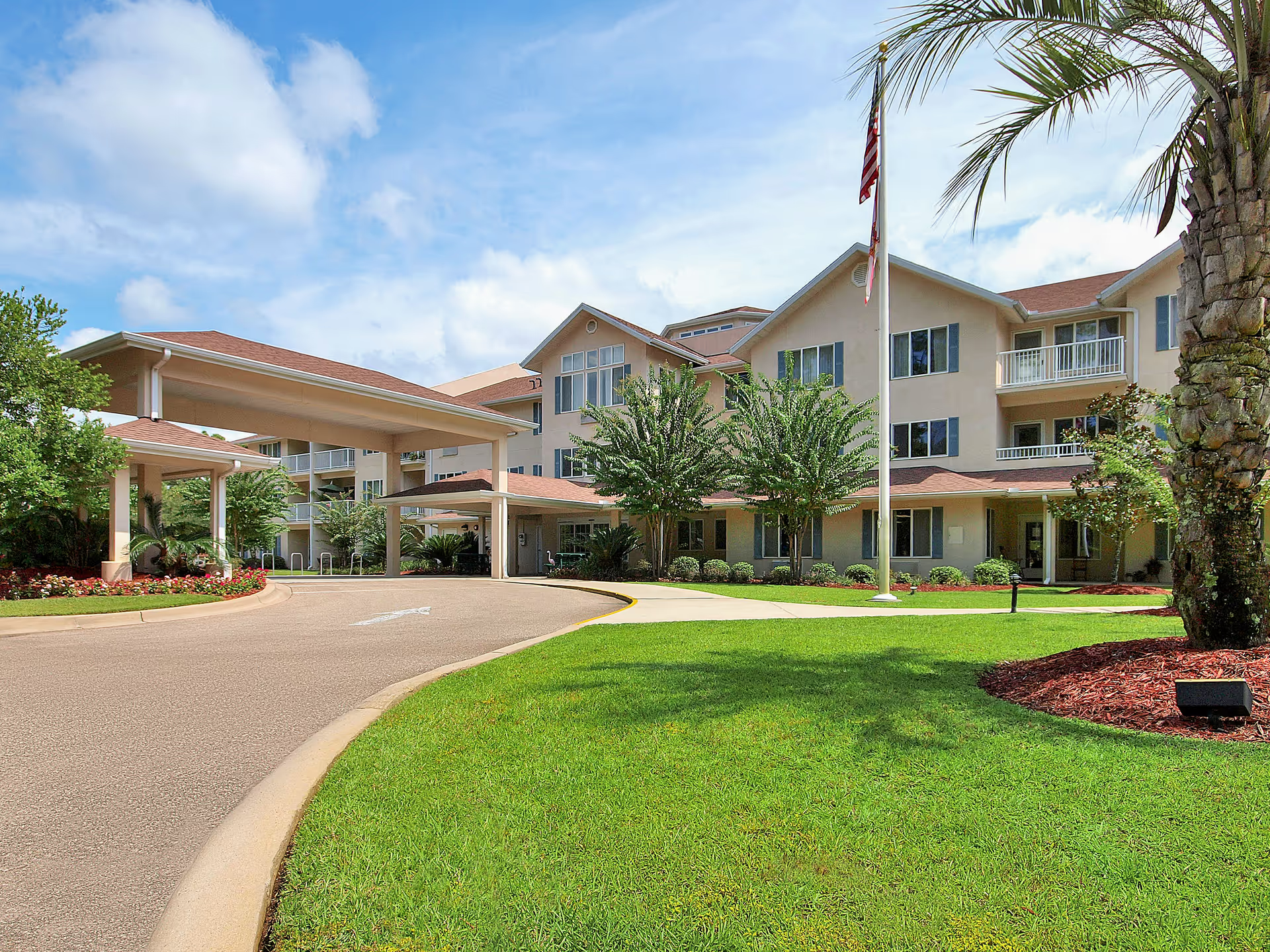
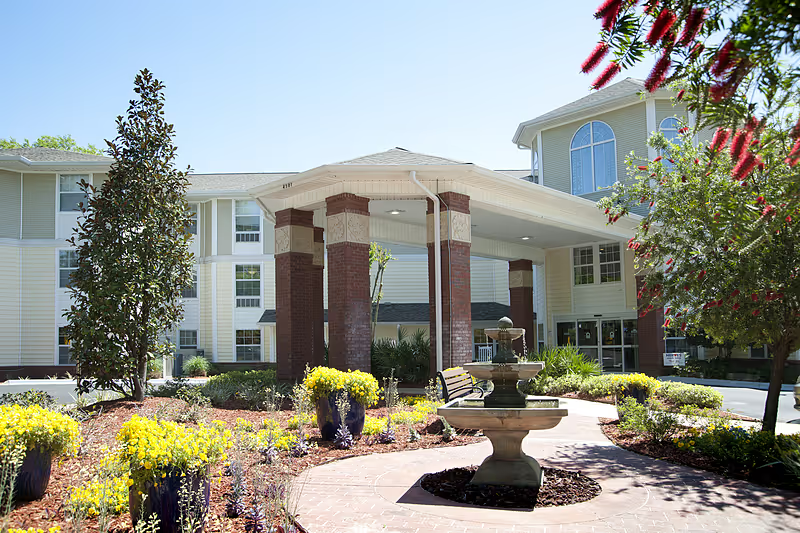
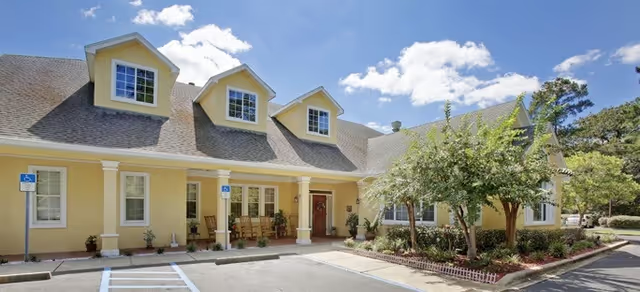
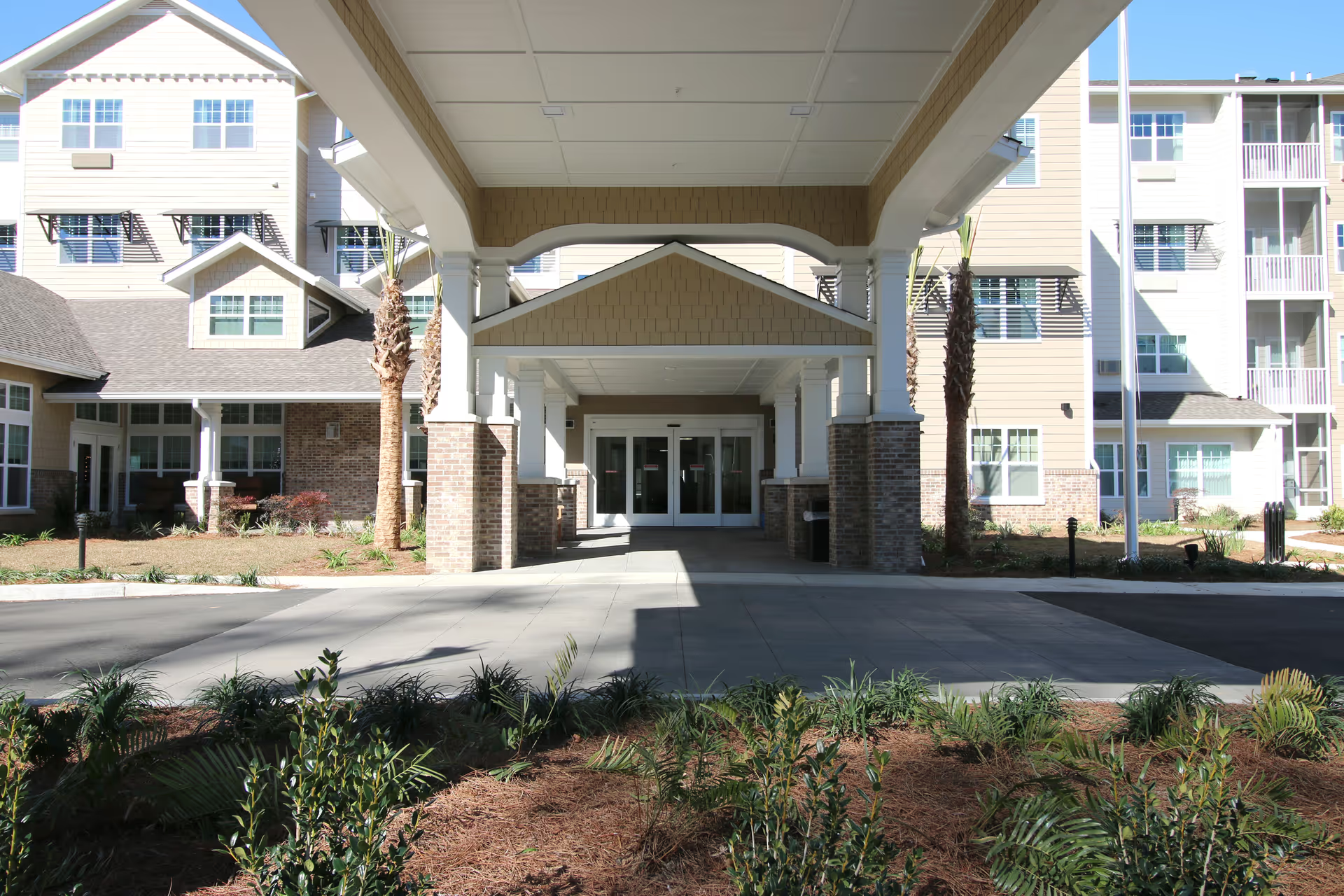
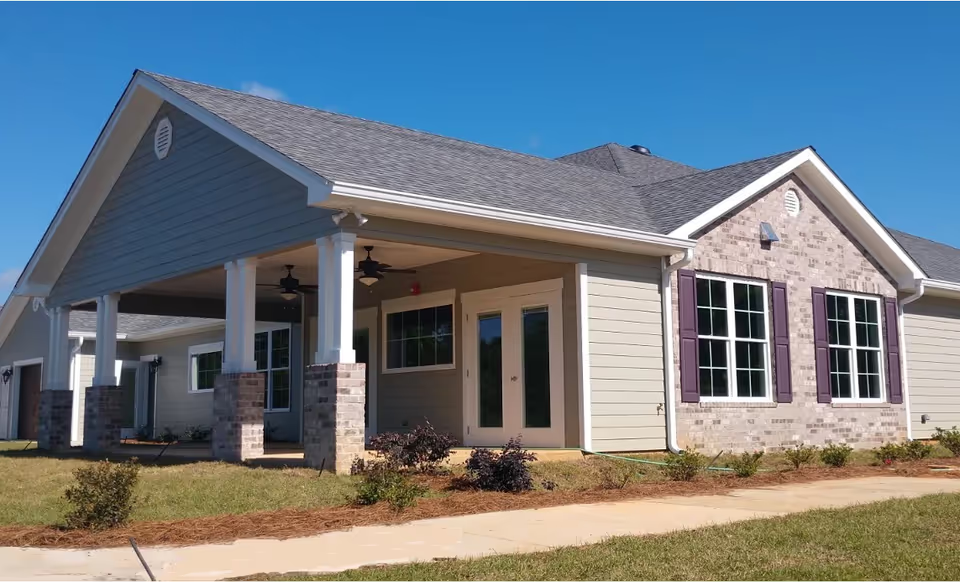
Facilities and location are consistently praised: the community is described as bright, well-kept, and designed for memory-care, with outdoor spaces and an accessible layout that families appreciated. Management reviews are mixed: several recent reports commend a proactive executive director and visible operational fixes, while other comments describe leadership instability, limited visibility of administrators in resident areas, and uneven communication with families.
Notable patterns for prospective families: the community offers many advantages for memory-care residents — specialized programming, attractive common spaces, and a caring staff culture — but operational consistency varies. Before deciding, visitors should (1) observe a medication pass or ask about medication-refill protocols, (2) ask for specifics on staffing ratios and turnover, (3) clarify housekeeping and laundry schedules, (4) review incident-response and communication policies, and (5) verify whether the community’s service mix matches the anticipated level-of-care needs. These steps can help reconcile the highly positive reports with the operational weaknesses some families experienced.