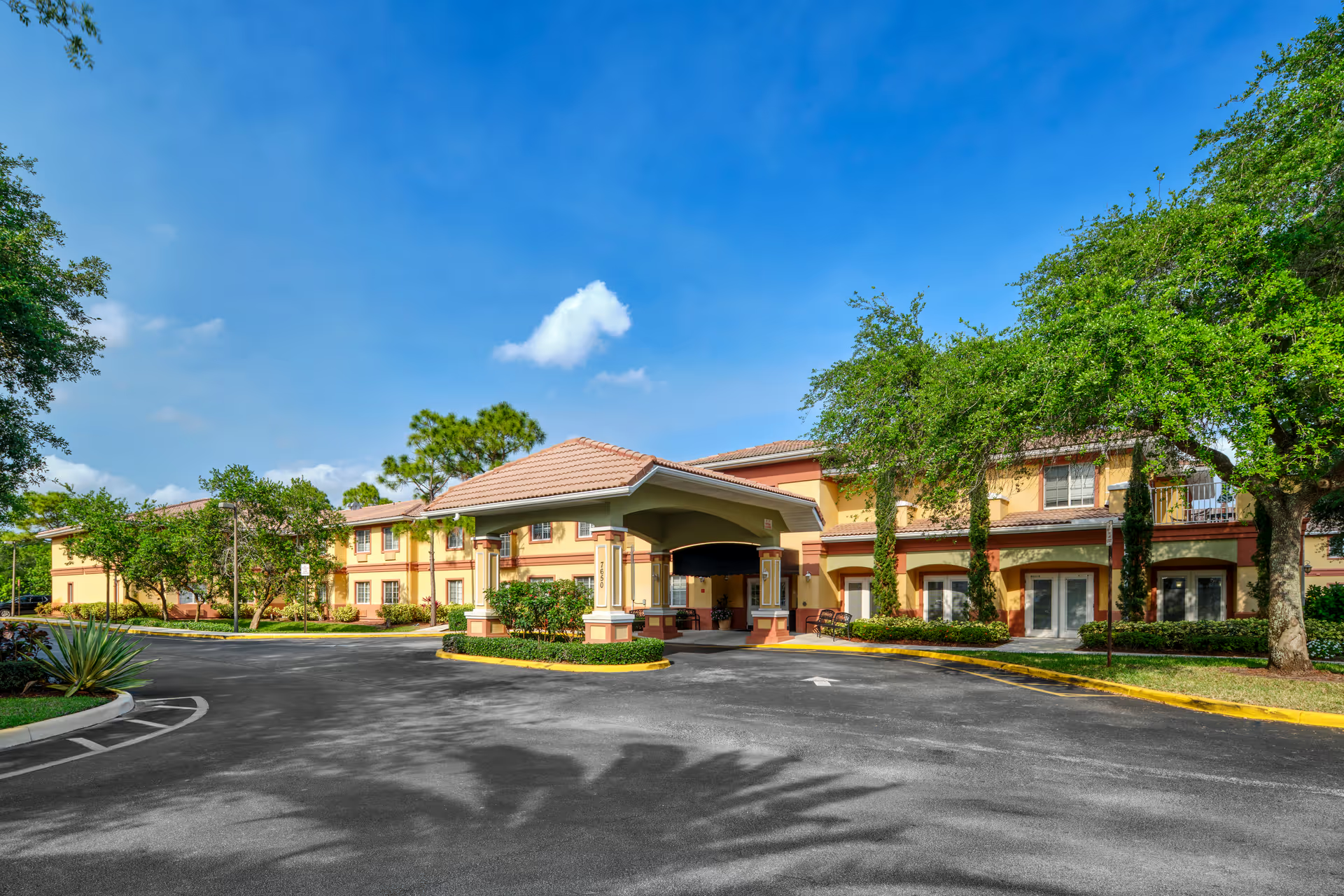
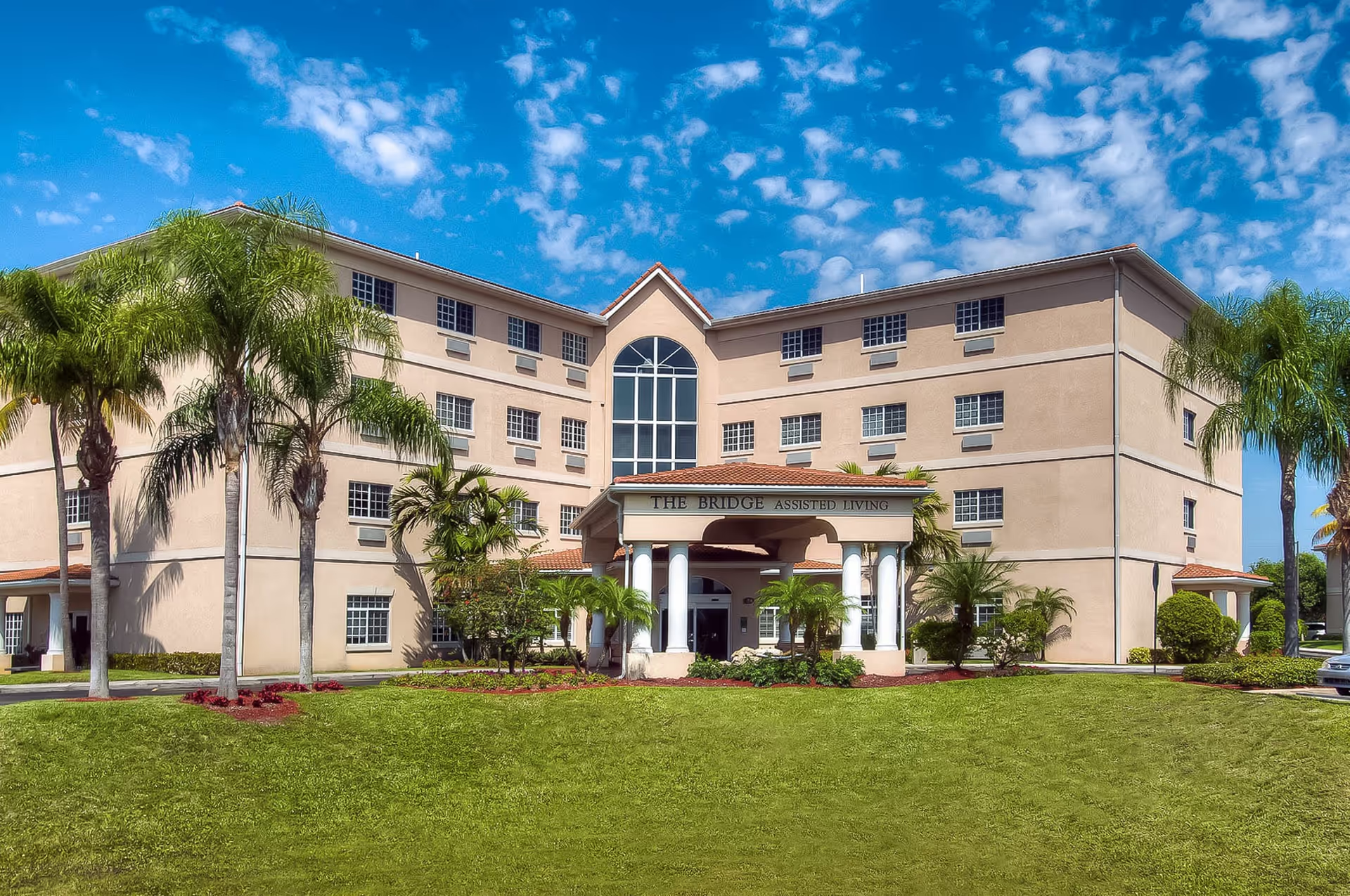
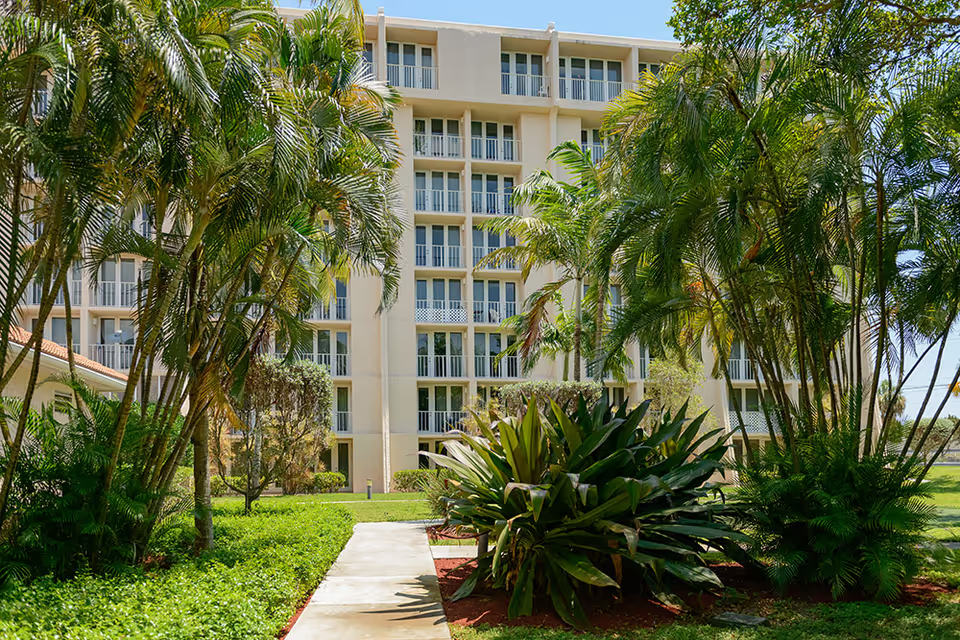
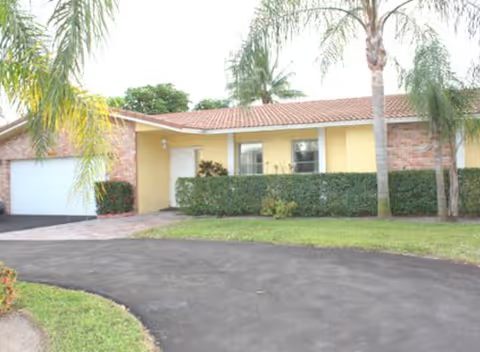
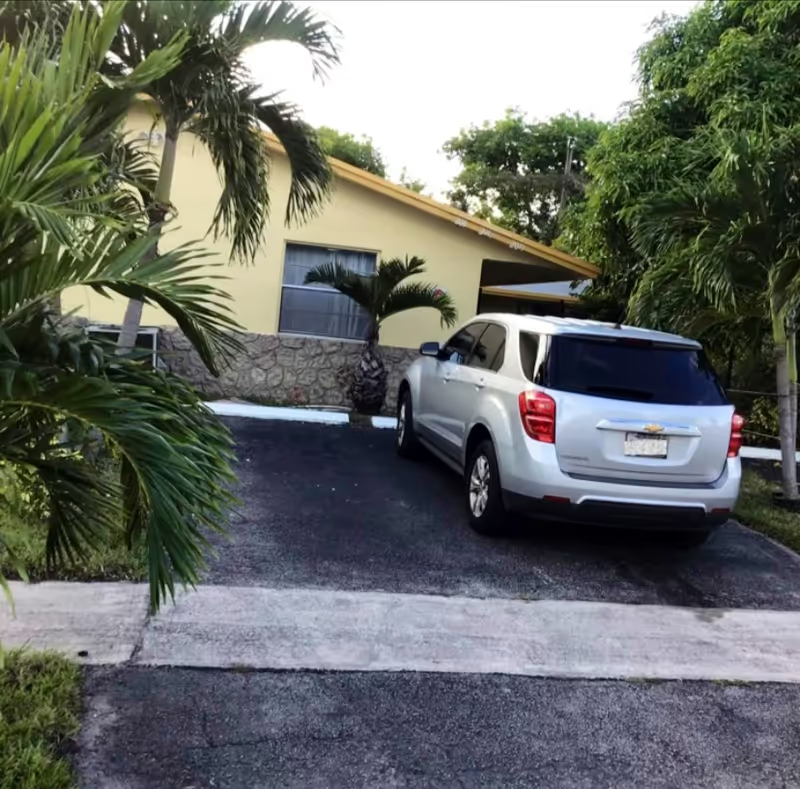
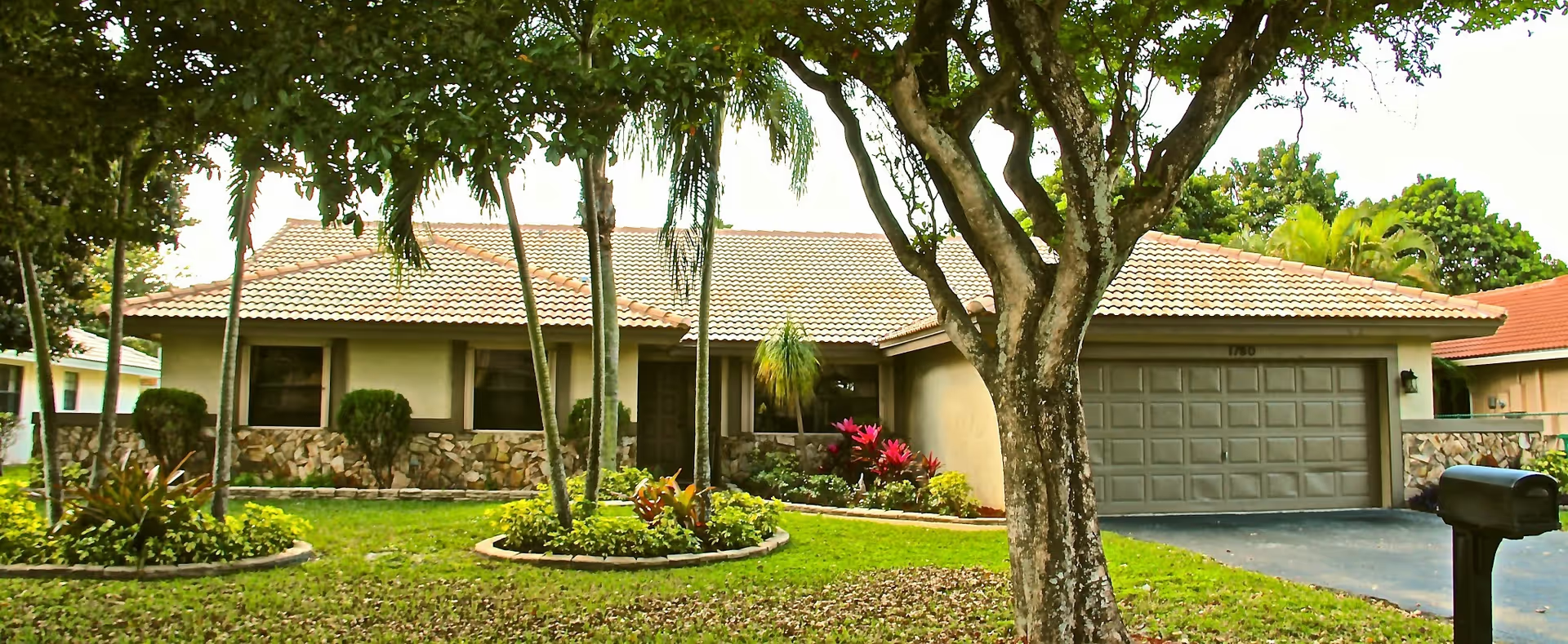
The reviews present a polarized picture of Active Senior Living Residence. On the positive side, many reviewers describe a small, family-run community with an inviting, home-like atmosphere. Staff and some administrators are repeatedly characterized as compassionate, knowledgeable, and accessible; specific leaders (for example, an administrator named Myra Perez‑Fliegler and staff such as Lynn Baird) receive praise for responsiveness and clear family communication. The dining area and garden view are often highlighted as pleasant features, and several residents and families describe home-style meals and an engaged, social communal dining experience. For some long-term residents the facility is perceived as safe, comfortable, and well maintained.
However, a distinct set of operational concerns recurs across other reviews. The most prominent theme is staffing: reviewers cite chronic understaffing or unpredictable staffing levels that translate into long waits for assistance, delayed responses to call lights, and inconsistent delivery of routine personal-care tasks. Related to these issues are complaints about incontinence‑care delays and broader sanitation concerns in some resident rooms and common areas. Several reviews also describe inconsistencies in meal quality and in the continuity of meal service, and a few raise pest‑control concerns and property-management gaps (missing clothing or personal items).
Facility infrastructure and safety practices are another mixed area. While common areas are described as bright and cheerful by some families, there are also reports indicating safety- and maintenance-related gaps (for example, handrail maintenance and general equipment oversight). Activity programming appears adequate for a small community but limited compared with larger facilities; reviewers who prioritize frequent, varied programming may find offerings sparse. Communication is generally highlighted as a strength when administration is responsive, but several reviewers report problems with phone responsiveness and inconsistent follow-through.
Notable patterns include a sharp divergence between very positive, long-term resident experiences and accounts of significant care lapses that prompted families to file formal complaints or move relatives out. A few reviewers referenced serious outcomes after periods of poor responsiveness, which suggests operational risks when staffing or management practices slip. Conversely, multiple accounts describe strong family‑staff relationships and a hands-on management style that can produce high satisfaction when consistently applied.
For prospective residents and families: the facility shows strengths typical of a small, family-operated residence—personalized attention, a social dining environment, and accessible leadership—but also displays recurring operational vulnerabilities, especially around staffing levels, timeliness of assistance, sanitation in some areas, and property management. An in-person visit focused on current staffing ratios, response-time metrics, sanitation protocols, pest-control documentation, and recent inspection or complaint history is recommended. Asking about recent ownership or management changes and speaking directly with current families can help gauge whether praised practices are sustained or if the negative patterns are persistent.