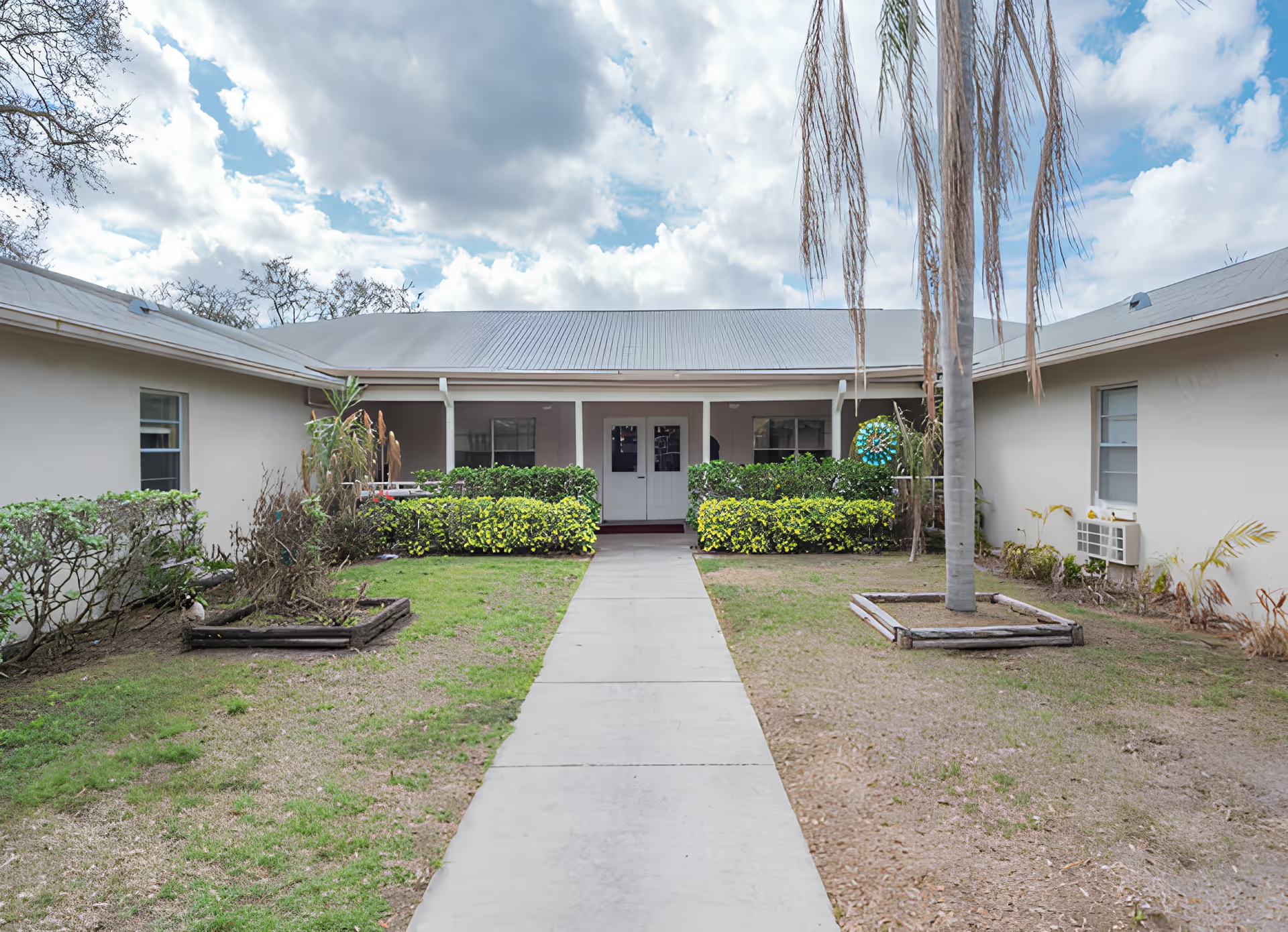
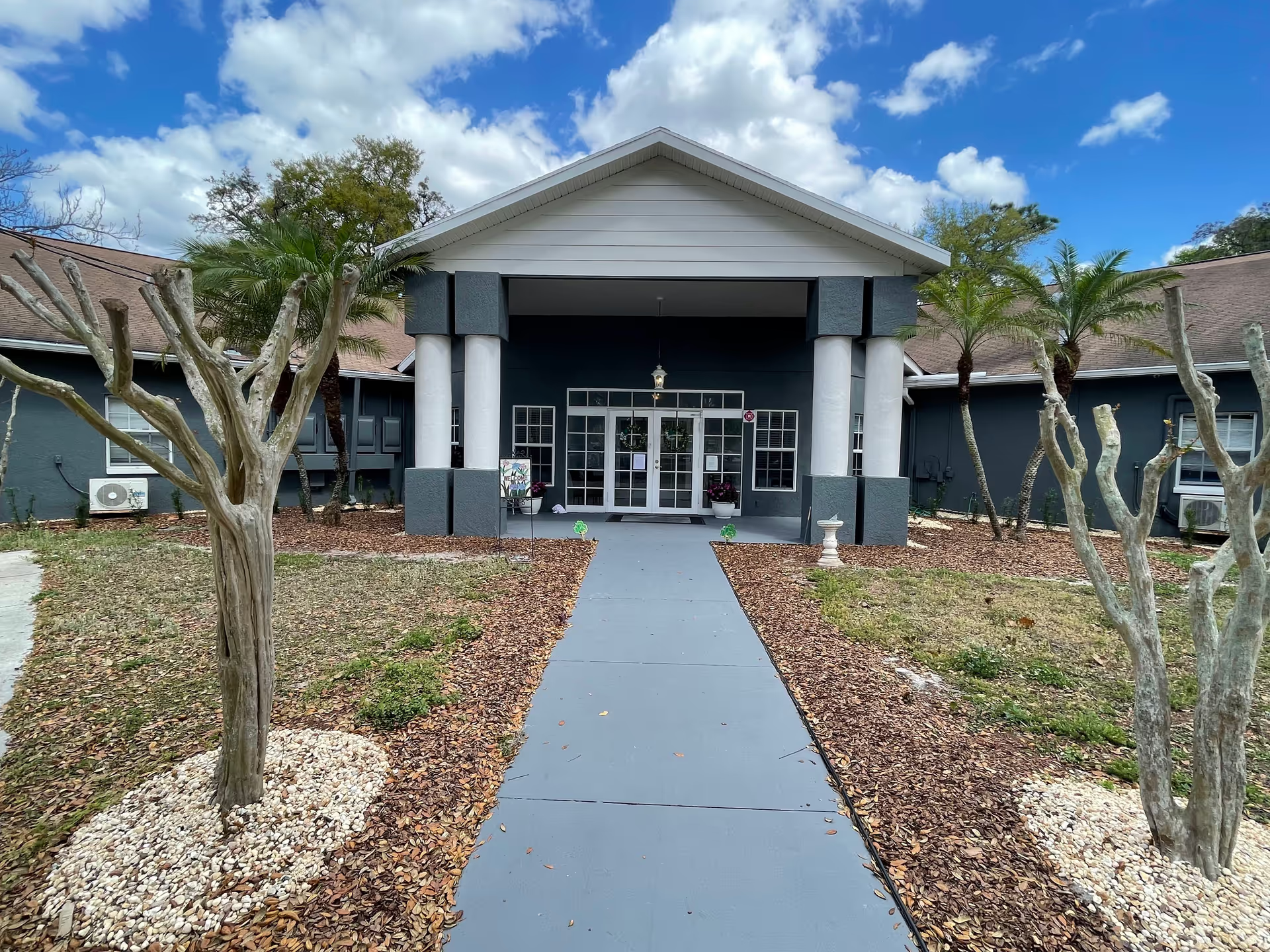
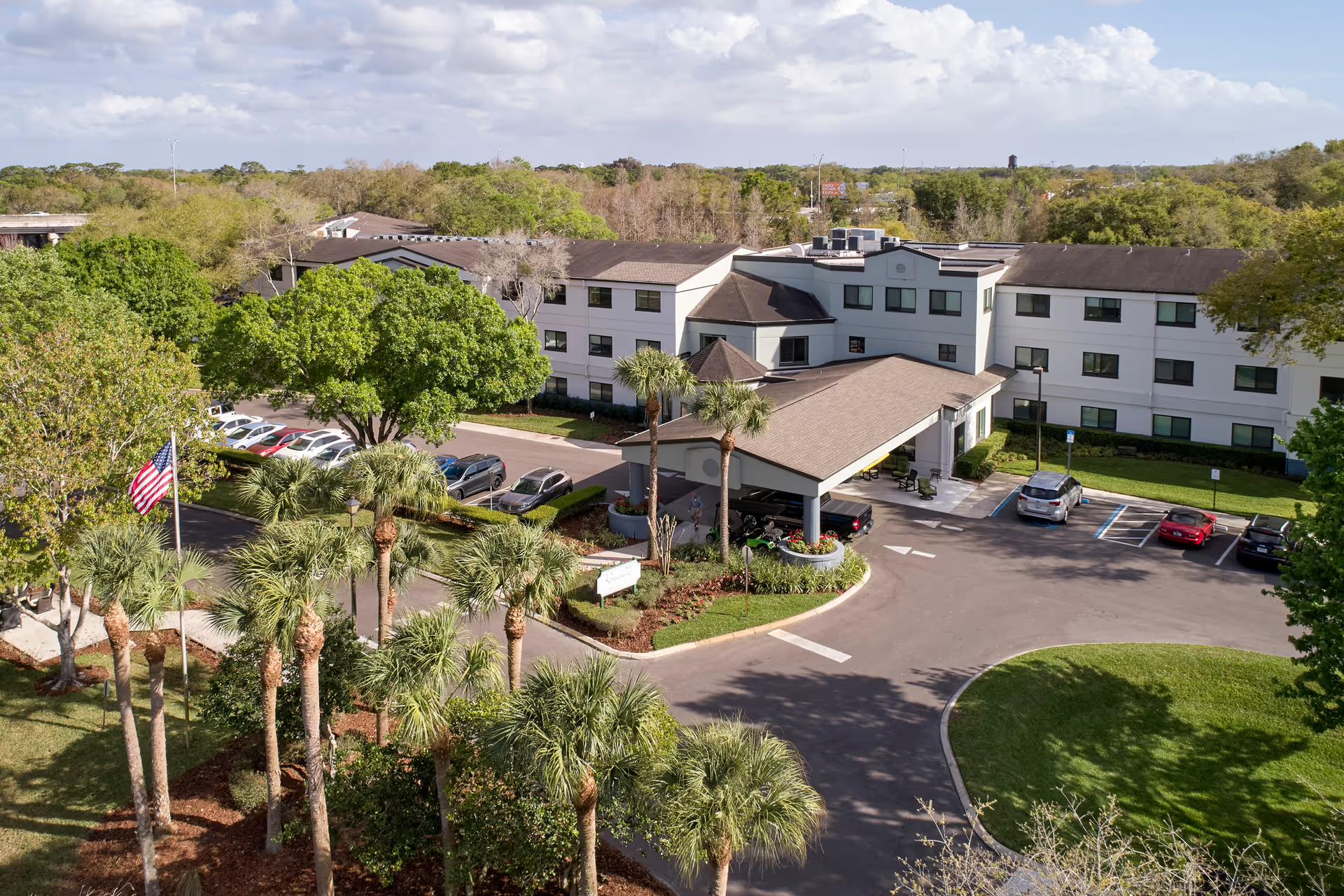
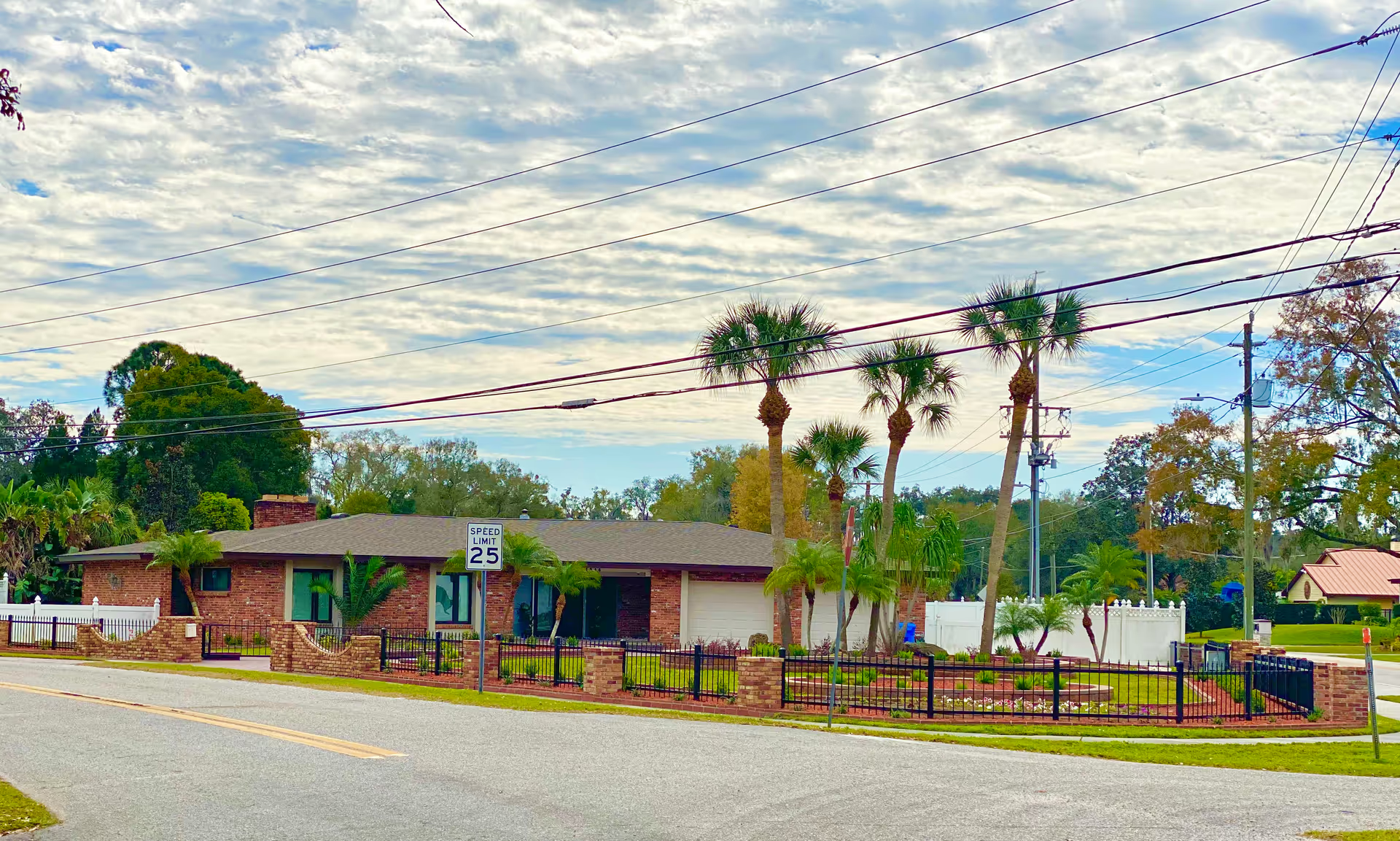
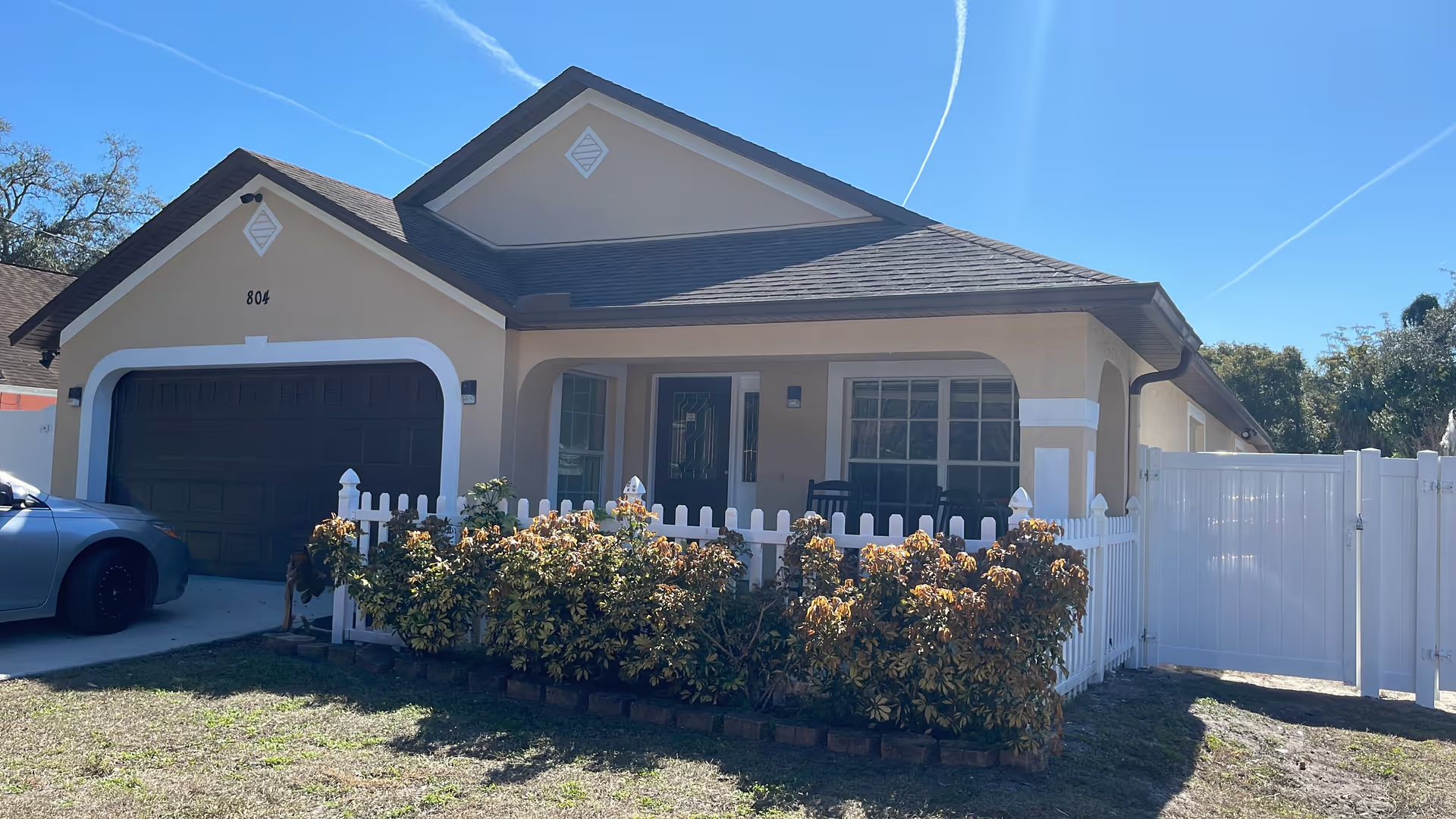
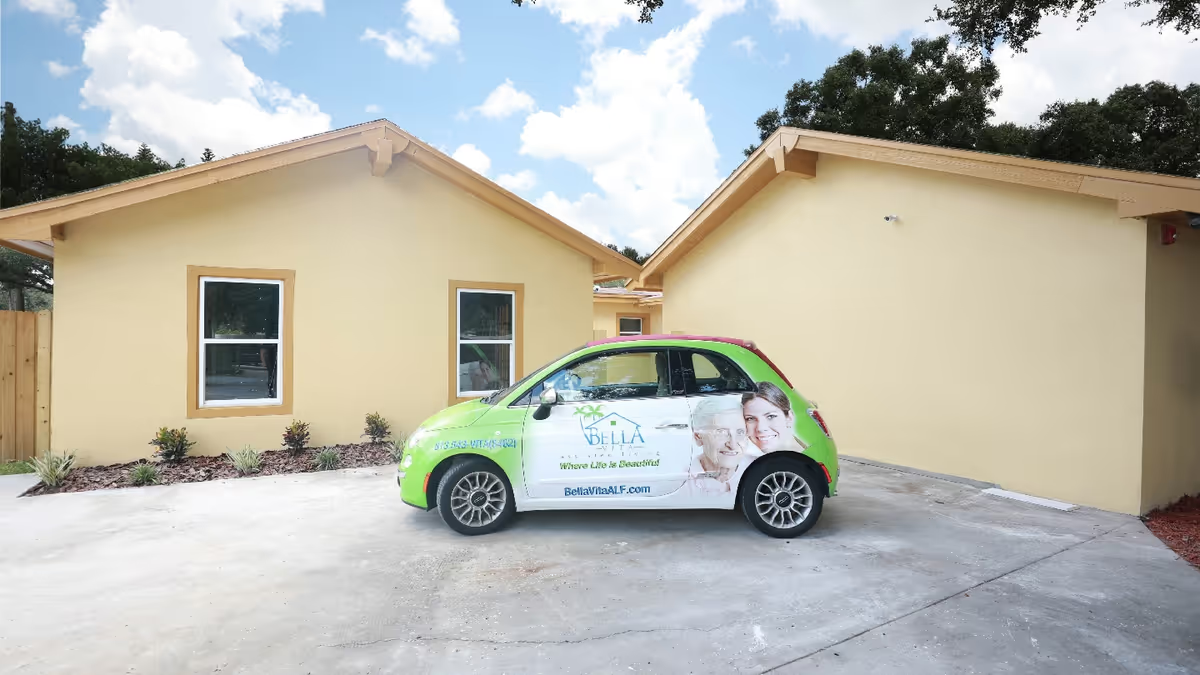
Reviews for this facility are mixed and identify both operational strengths and persistent weaknesses. Positive comments emphasize caring, knowledgeable staff members and a generally friendly atmosphere; several accounts describe staff who provide individualized attention, help with hospital transitions, and run routine errands for residents. The facility's outdoor/atrium dining area and some aspects of the dining service were described favorably by a portion of reviewers. At the same time, a number of reviewers described recurring operational and environmental concerns that would be material to prospective residents and families.
Care quality and staff: Many reviewers praised individual caregivers for compassionate attention and teamwork, including examples of staff facilitating hospital support and family relief. However, a substantial theme across reviews is inconsistent staff responsiveness and communication. Families described broken promises, delayed follow-through, and challenges obtaining clear updates. There are also multiple comments raising concerns about staff conduct and professionalism; these describe tone and responsiveness issues rather than documented clinical practices. In addition, reviewers noted gaps in supervision and clinical monitoring in some situations, which suggests the facility's policies and staffing patterns may not consistently meet higher-acuity supervision needs.
Dining and activities: Feedback on dining is polarized. Some reviewers positively rated meals and service, while others described low nutritional value and kitchen-management problems. Several reviews specifically reported that therapeutic-diet accommodations (for example, diabetic or low-salt diets) were not consistently available. Activity programming and transportation were also cited as areas of mismatch between marketing materials and on-the-ground offerings, with limited scheduled activities and transport services relative to promotional expectations.
Facilities and housekeeping: Multiple reviewers raised sanitation concerns in both resident rooms and common areas, as well as issues with linen management and odor in dining spaces. The building is frequently described as older and run-down, with deferred maintenance noted (damaged walls, limited furnishings, mattress placement, and intermittent TV or room equipment failures). Privacy is a recurring operational shortcoming; room-sharing configurations and minimal room-divider arrangements reduce privacy for residents. Reviewers also flagged limited indoor common-space amenities in some areas.
Management and safety systems: Several reviews point to weak operational follow-through — delayed return of personal items and medical equipment was described in at least one case, and there are statements raising family-safety and continuity-of-care concerns after clinical events. Infection-control practices were described as inconsistent by some reviewers. Taken together, these items suggest opportunities for management to strengthen quality controls around household operations, property management, clinical handoffs, and family communication.
Notable patterns and guidance: The reviews indicate a split between caregivers who provide meaningful, compassionate support and systemic issues that frustrate families and residents (cleanliness, maintenance, privacy, communication, and diet/activities). Prospective residents and families should weigh the positive reports about staff engagement against repeated operational concerns. Recommended pre-admission steps include an in-person tour focusing on room configurations and privacy, a review of infection-control and therapeutic-diet policies, direct questions about supervision levels and incident communication protocols, and clarification of how personal belongings and medical equipment are tracked and returned.