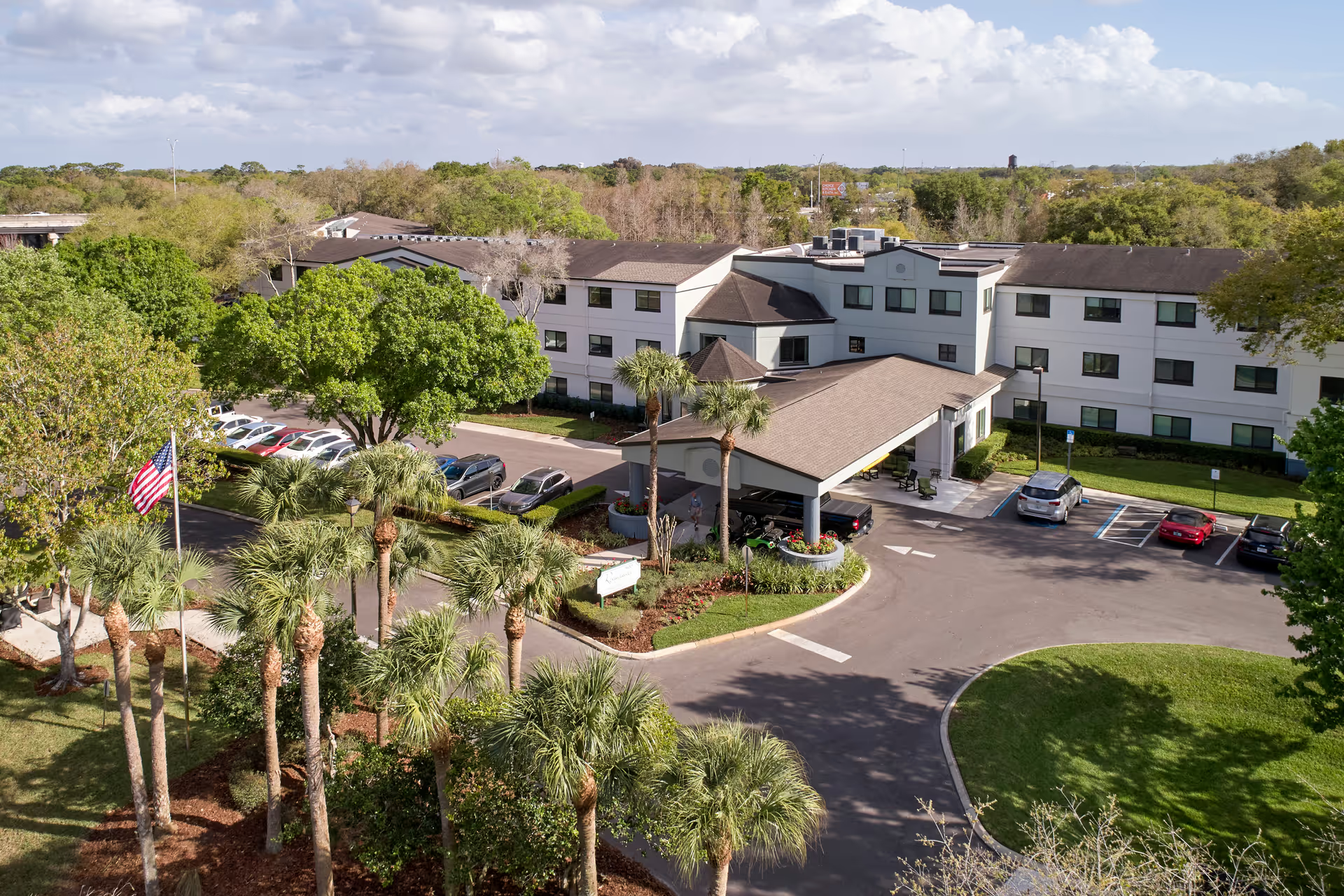
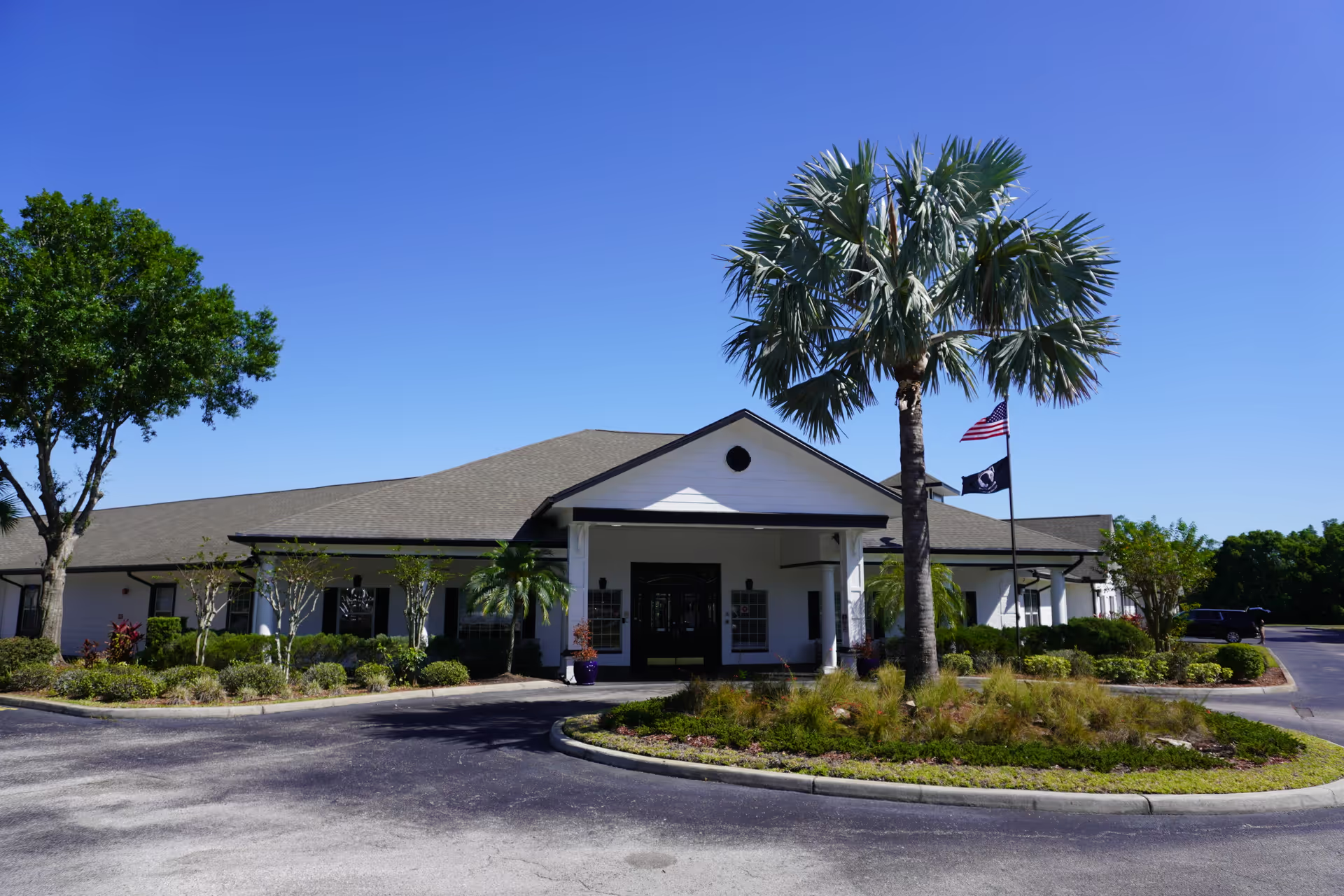
Overall impression: Elysian Gardens presents as a community with a pronounced emphasis on person-centered, family-style caregiving. Many families and visitors highlight consistent warmth from direct care staff, attentive leadership presence, and visible efforts to make residents comfortable. The facility is frequently described as clean and well-presented, with an atmosphere that many residents find reassuring and secure. Several reviews specifically praise the memory-care program and staff experience in managing residents with cognitive and behavioral needs.
Care quality and clinical concerns: Care quality appears to vary. Positive accounts emphasize compassionate caregivers, timely issue resolution by administrative staff, and reliable medication visits. At the same time, some reviewers raised more serious clinical concerns — including inconsistent wound and incontinence management and uneven nursing conduct. These comments suggest variability in clinical-practice consistency and communication with families. Prospective families should inquire about clinical staffing levels, wound/incontinence-care protocols, medication-administration procedures, and how the facility escalates and documents clinical concerns.
Dining and nutrition: Dining is a commonly cited strength. Meals are described as home-cooked, nutritious, and served in a pleasant dining room with attentive dining staff. Reviewers perceive good value in the meal program and note that dining staff often go beyond basic service to support residents. Prospective residents should confirm meal schedules, accommodations for dietary needs, and whether family-style dining or alternative arrangements are available.
Activities and social life: The community offers an active calendar and social programming that many residents enjoy — examples include bingo and other group activities that encourage time in common areas. However, there are reports of activity-staffing gaps (for example, activity leadership not always available) and interim reductions in programming. Families may wish to review the activity schedule, staff coverage, and how the program is maintained during staff transitions or renovations.
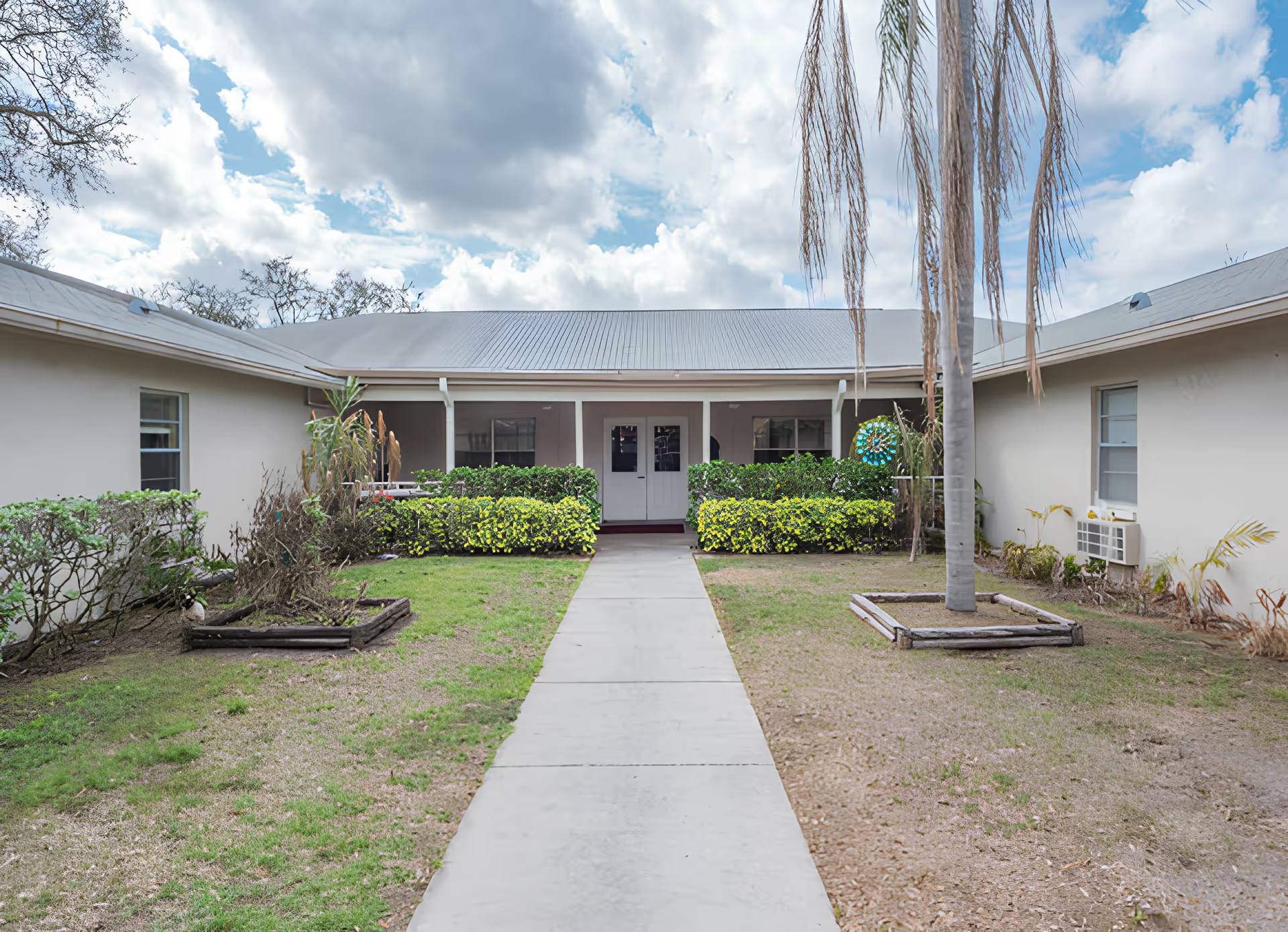
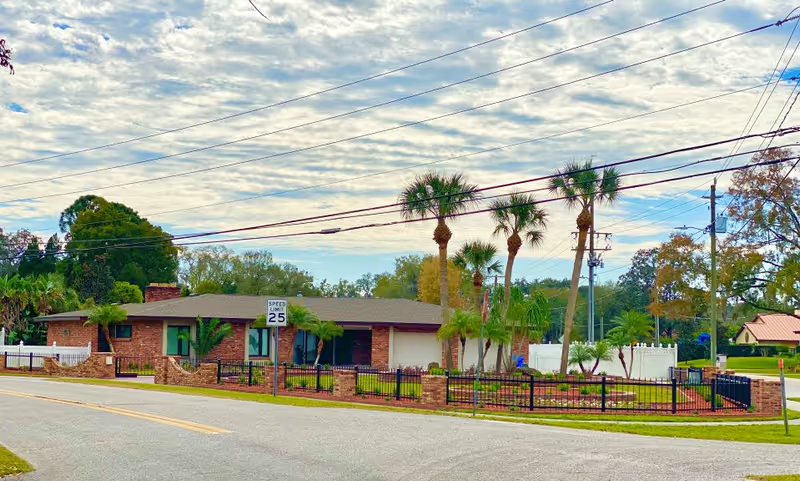
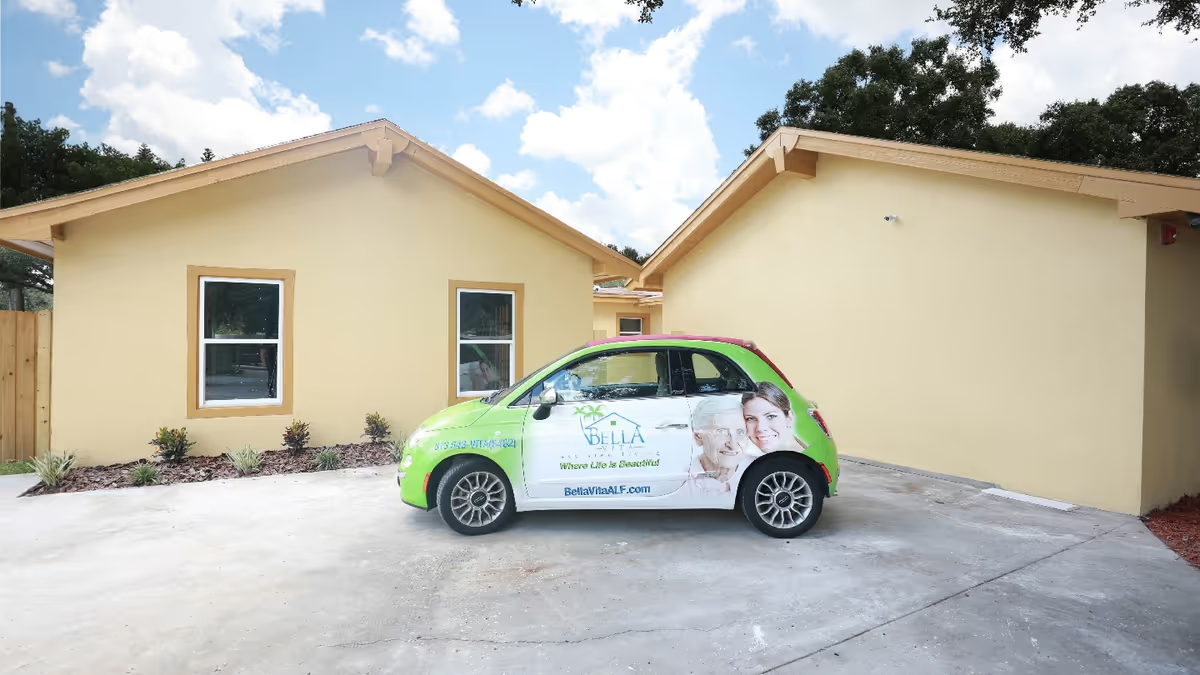
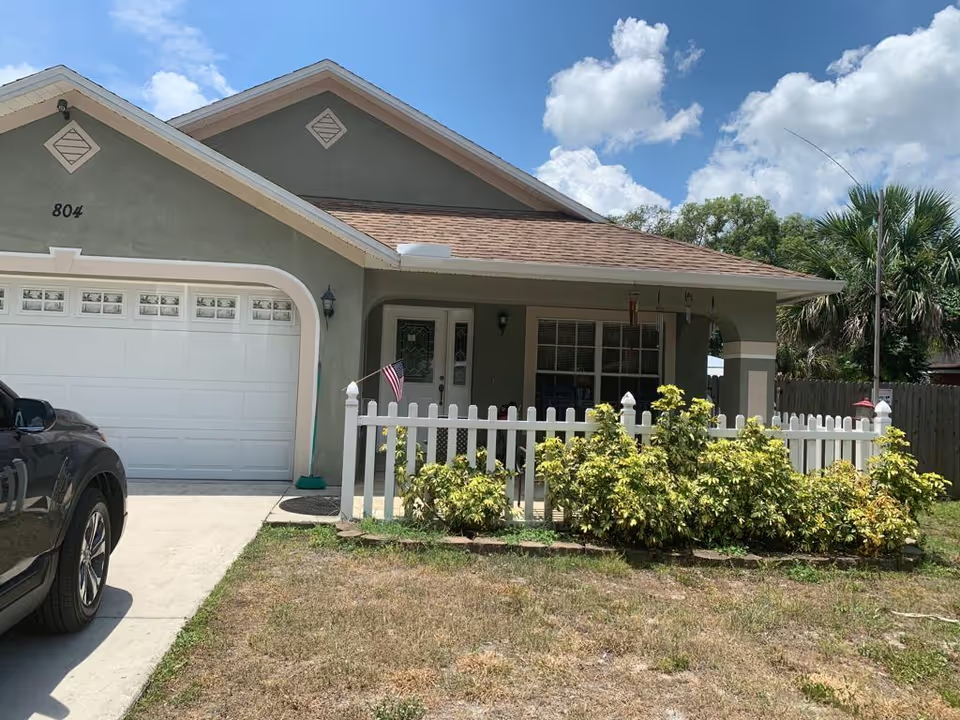
Facilities and amenities: Physical facilities are often described as attractive and well-maintained, with private rooms and en-suite bathrooms available (at a higher cost). The property is undergoing upgrades and expansion; some reviewers noted that outdoor amenities and certain repairs are still incomplete, and that restricted parking is an operational limitation. A recurring theme is odor and sanitation concerns in select common areas and surface coverings; management notes planned surface replacements in some areas. Prospective visitors should tour the specific living area, ask about timelines for renovations, and inquire about ventilation and pest-control measures if relevant.
Management and operational patterns: The community benefits from local, family-owned management and several reviewers report culture improvements under newer leadership. Strengths include responsive administrative staff, open family communication in many cases, and a team-oriented staff approach. Conversely, there is notable variability in staff conduct and communication—some families encountered unfriendly or unprofessional behavior and confusion over contact practices. There are also perceptions of high occupancy and occasional overcrowding-related strain. When evaluating placement, families should ask about staff-to-resident ratios, recent turnover, formal communication channels, and the process for raising and resolving concerns.
Bottom line: Elysian Gardens demonstrates many operational strengths—compassionate caregiving, strong memory-care experience, good dining, and a homelike atmosphere—paired with affordability relative to the services offered. However, variability in clinical consistency, intermittent sanitation/odor concerns, activity-staffing gaps, and ongoing facility work are recurring issues to probe. A thorough tour, direct questions about clinical protocols and staffing, and conversations with current families or ombudsmen will help determine whether this community’s current strengths align with a prospective resident’s specific care needs and preferences.