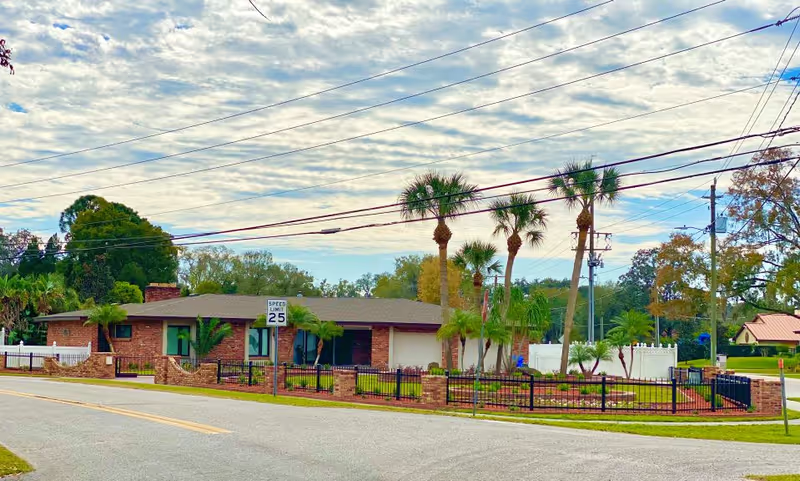
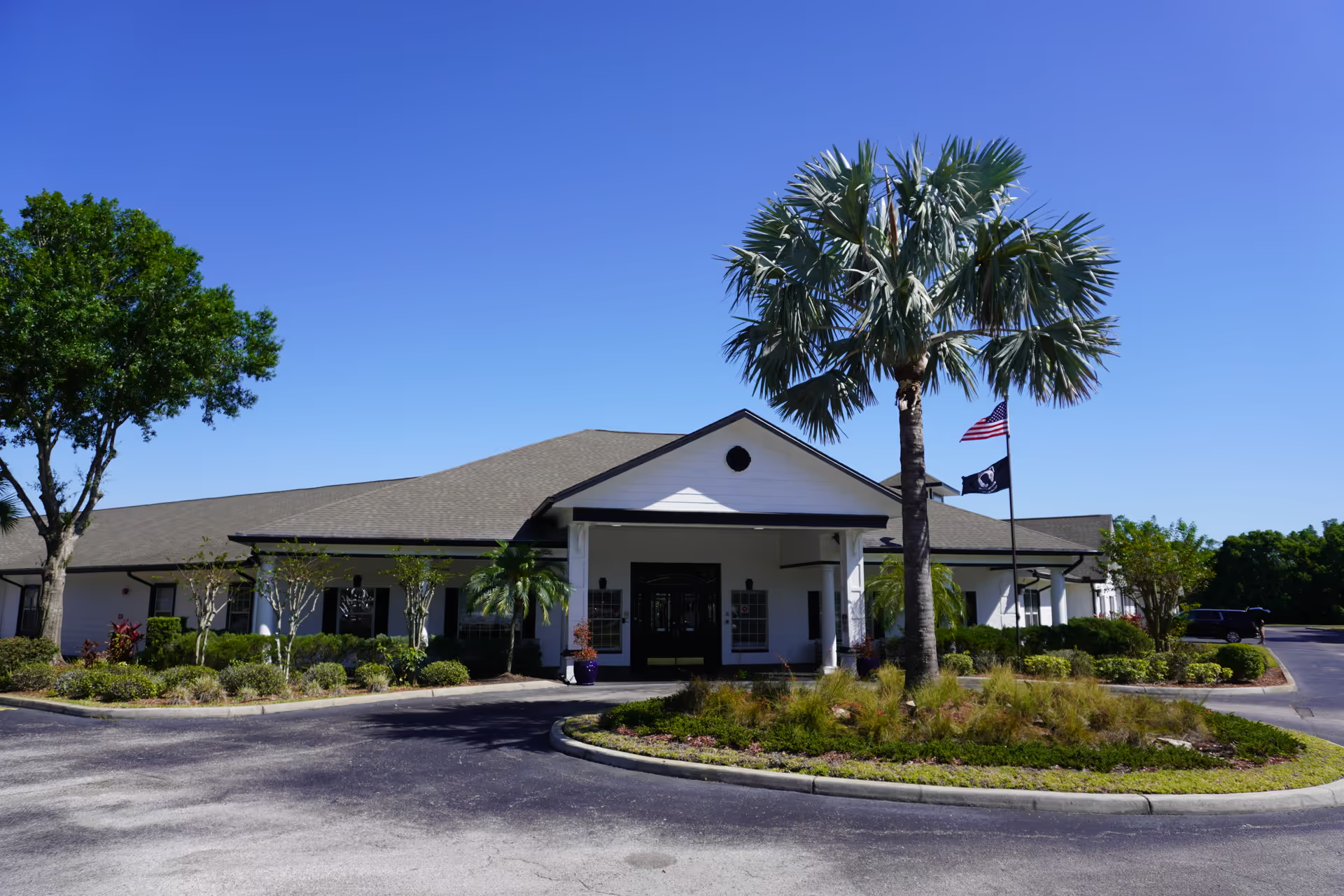
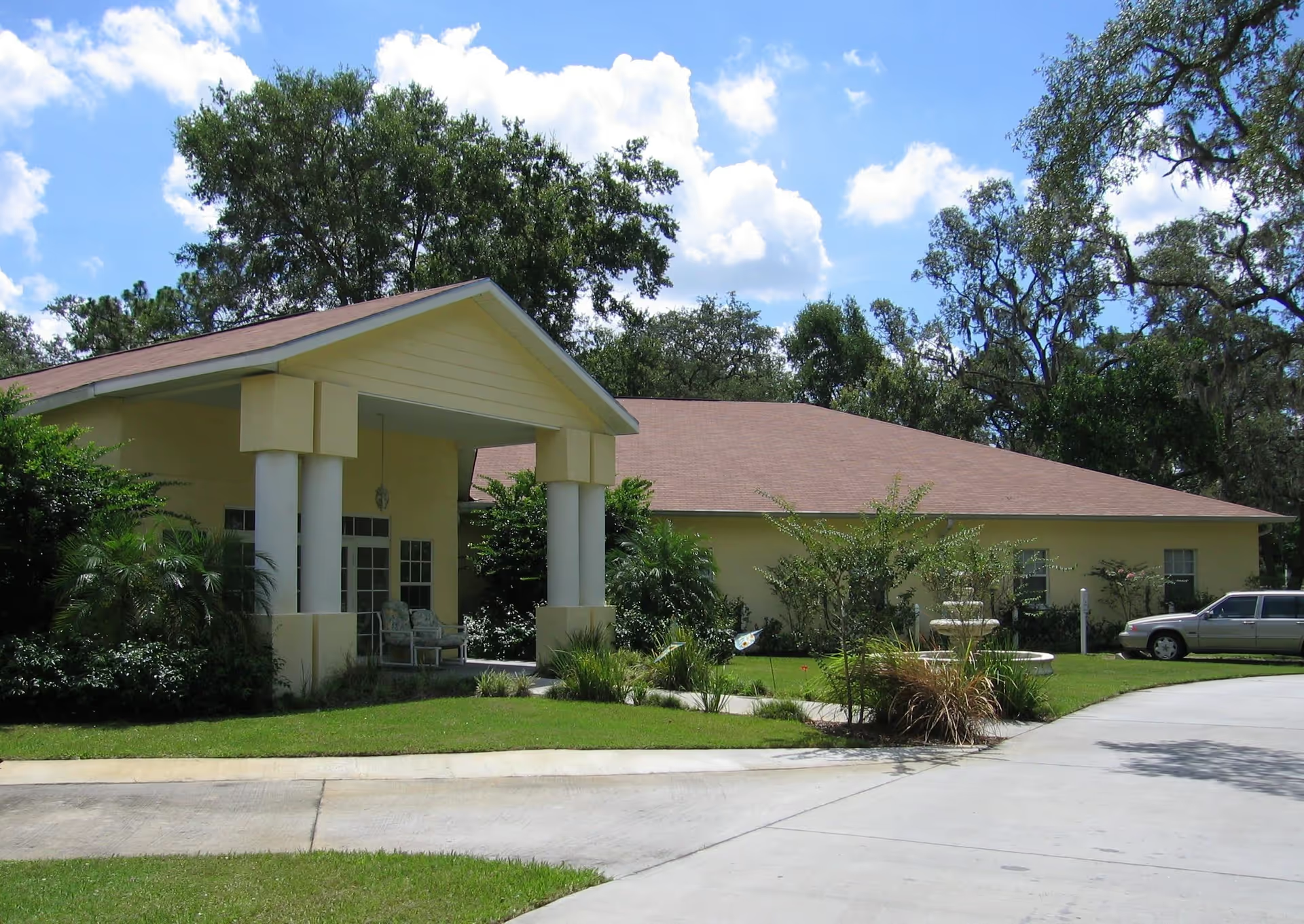
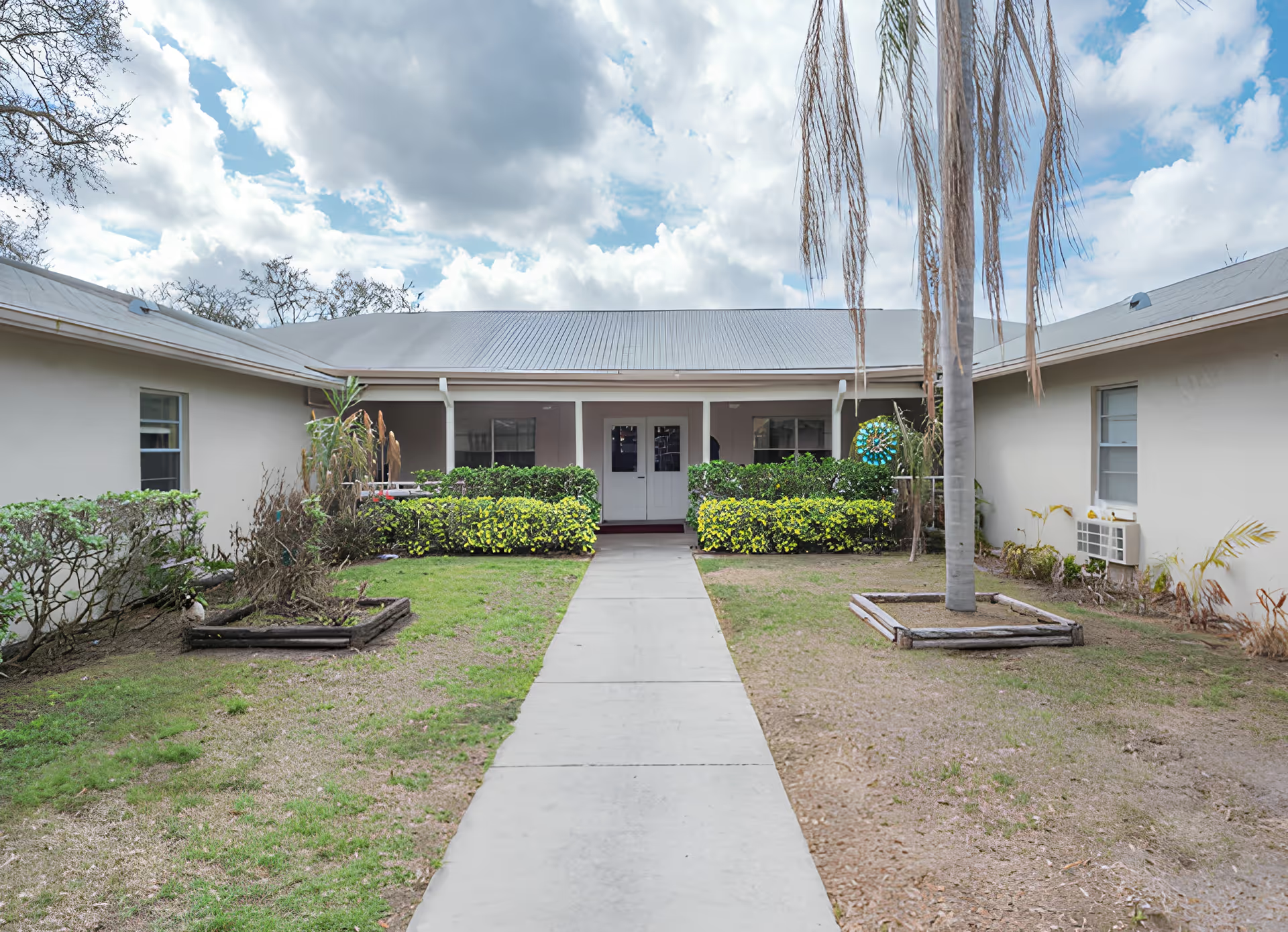
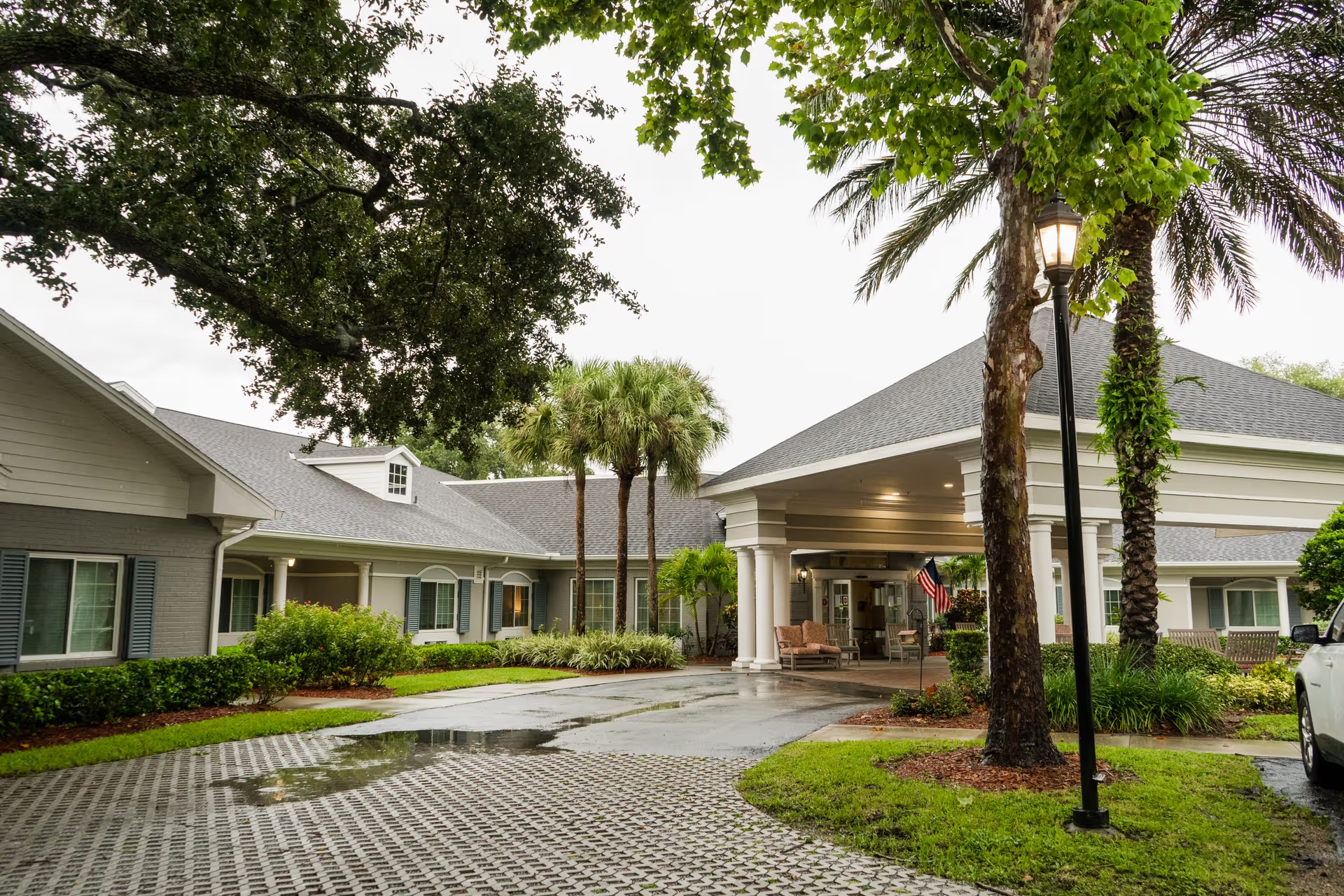
Renaissance North Tampa draws consistent praise for the quality of its frontline caregivers and the attractiveness of its physical campus. Across the reviews there is a strong theme of staff who are described as caring, personable, and effective at day‑to‑day resident interaction; families frequently single out individual aides, nurses, and activity staff for their compassion. The community’s grounds, public spaces, and many interior areas are regularly described as clean and well maintained, and the property offers a broad set of amenities (pool, salon, theater, fitness, cafe) and a clear continuum of care spanning independent living through memory care, with on-site therapy and seamless hospice transitions cited positively.
At the same time, operational and service-consistency issues appear repeatedly. Staffing levels fluctuate and, when short, create service delays in personal care, medication administration, and meal assistance. Several comments point to failures or inconsistencies in medication management; one isolated but serious medication-administration error is alleged, and families expressed concerns following that incident. Prospective residents should therefore ask about current staffing ratios, nurse coverage, and medication-safety protocols during a tour.
Dining and laundry/housekeeping are other mixed areas. Many residents and families praise the dining room experience and chefs at times, but an approximately equal number of accounts describe declining food quality, cold or delayed meals, menu variability, and dining‑service turnover. Laundry and housekeeping are generally described as responsive, but intermittent lapses and inconsistent laundering practices have been raised as operational gaps. Front-desk coverage and phone responsiveness are also inconsistent in multiple reports, which affects timely requests and family communication.
Activity programming and social life are seen as strengths for many independent and ambulatory residents: a wide calendar of classes, outings, live entertainment, and social events is available and frequently enjoyed. However, reviewers note the program can be less effective for residents with advanced dementia or higher-care needs, and COVID-era restrictions or staffing decisions have reduced the availability or continuity of certain offerings at times.
Management and business-practice themes are mixed. Some families find administration accessible and helpful, praising smooth move-in coordination and responsive leadership. Others cite business-office frustrations, enforced contract clauses, rate increases under new ownership, and uneven communication about services and billing. These operational and financial concerns often shape overall satisfaction as much as the quality of bedside care.
Bottom line: Renaissance North Tampa offers strong interpersonal care, an attractive campus, and a wide amenity set that many families and residents value. However, recurring operational tensions — variable staffing, dining consistency, housekeeping/laundry reliability, and business-office/communication issues — introduce measurable variability in the resident experience. Recommended questions for prospective residents and families: current staffing ratios by shift, medication-safety and incident‑reporting procedures, dining-service sample of menus and hot‑meal timing, laundry/housekeeping schedules, policies around contracted services and refunds, and recent leadership or ownership changes. These targeted inquiries will help determine whether the community’s strengths align with a given resident’s care needs and expectations.