The reviews reflect a strong consensus that Florida Senior Consulting provides high‑quality, family‑focused placement support. Reviewers consistently describe consultants as compassionate, knowledgeable, and effective advocates who reduce family stress and provide clear, patient communication. Consultants are credited with thorough research, personalized matching to appropriate assisted‑living and memory‑care communities, organized facility tours, and practical move‑day logistics. Specialized knowledge is noted repeatedly for memory care and Parkinson’s support, and several families highlighted timely hospital discharge coordination and ongoing post‑move check‑ins that helped maintain continuity of care.
Staff qualities associated with the consultant team are emphasized: high availability, emotional support for families, strong community relationships, and the ability to negotiate pricing or terms on behalf of residents. Reviewers also praised educational outreach such as seminars and appreciated assistance when coordinating with outside parties (lawyers, banks, out‑of‑town relatives). Many testimonials describe rapid placements that brought relief and increased peace of mind for families.
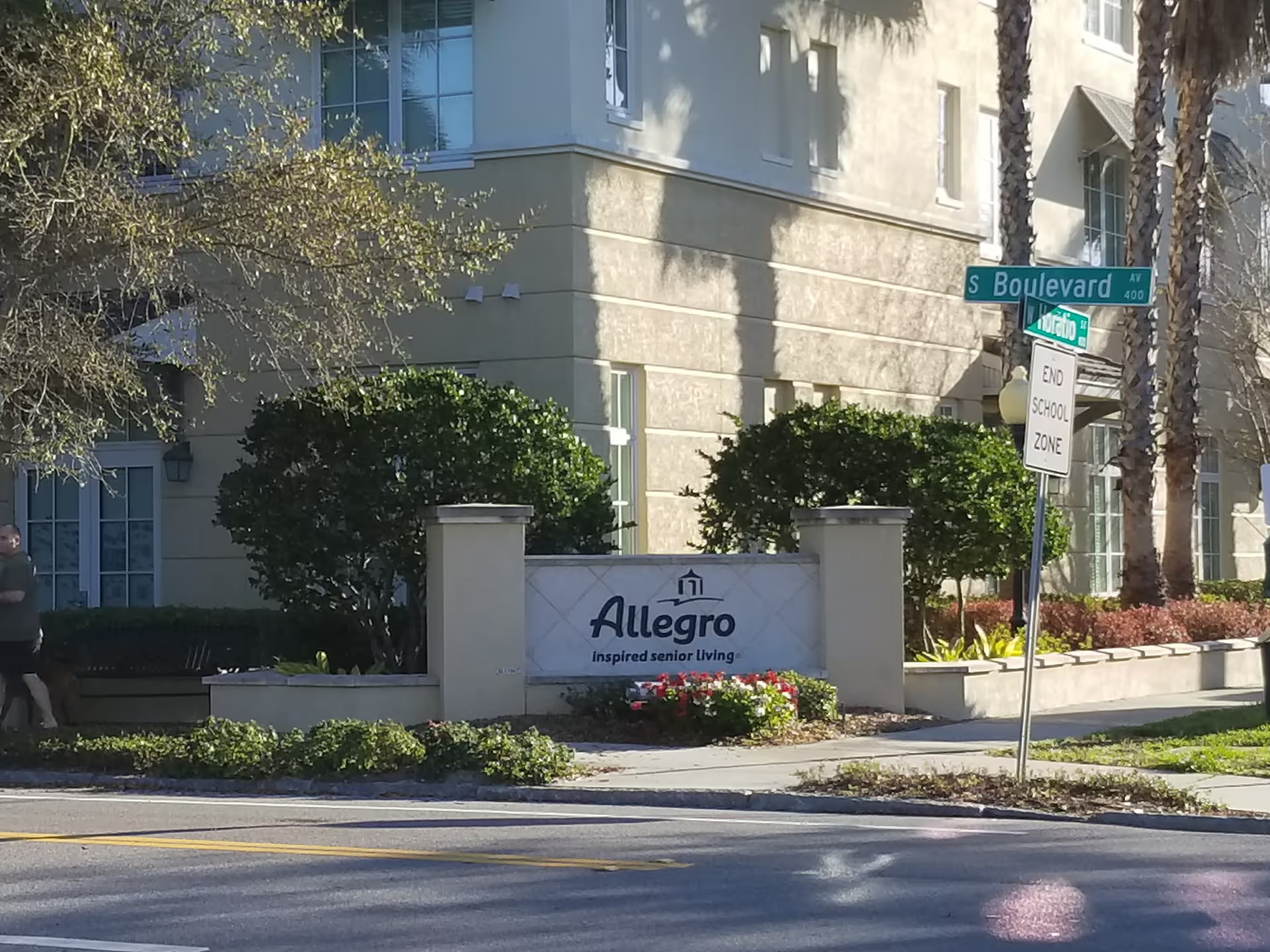
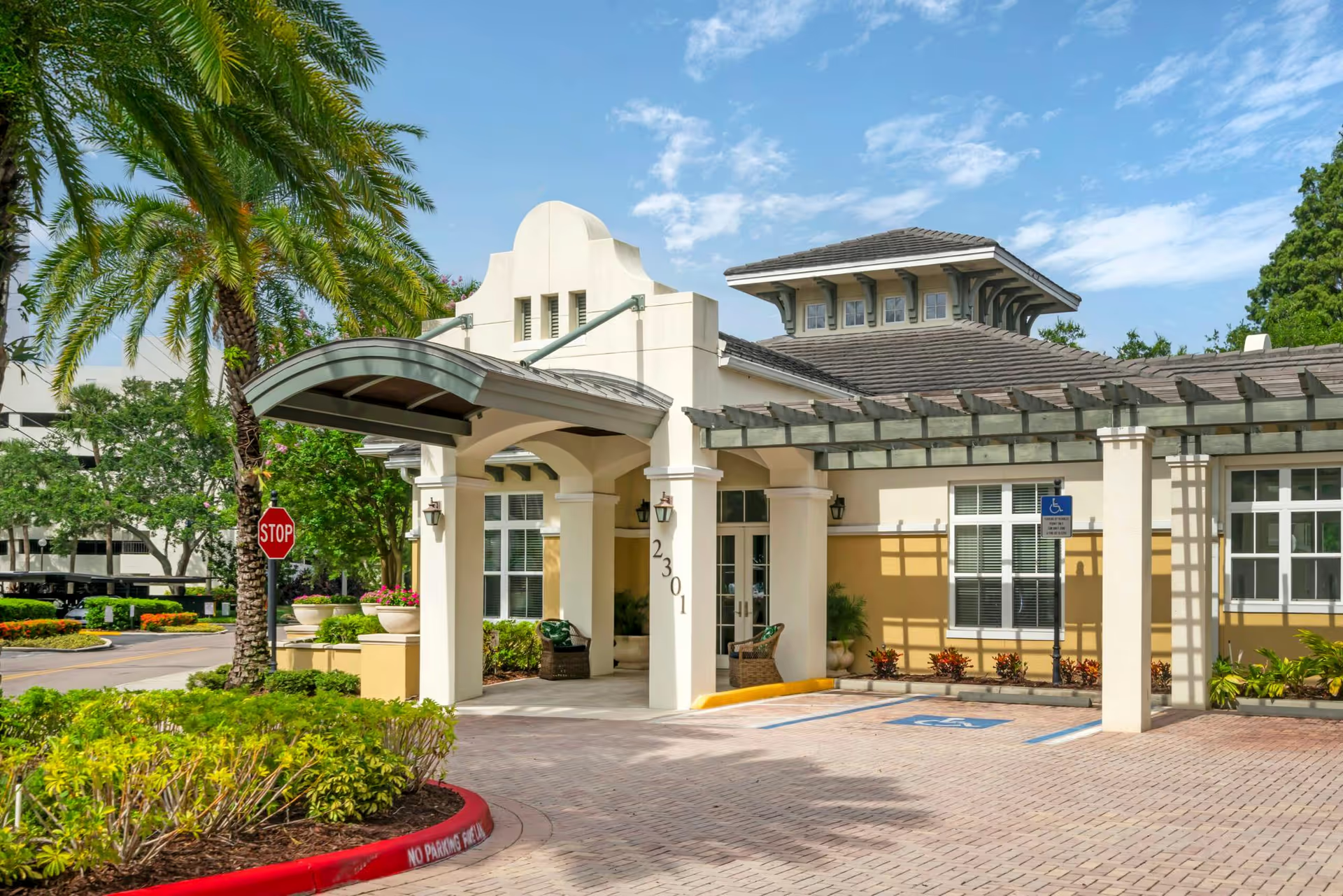
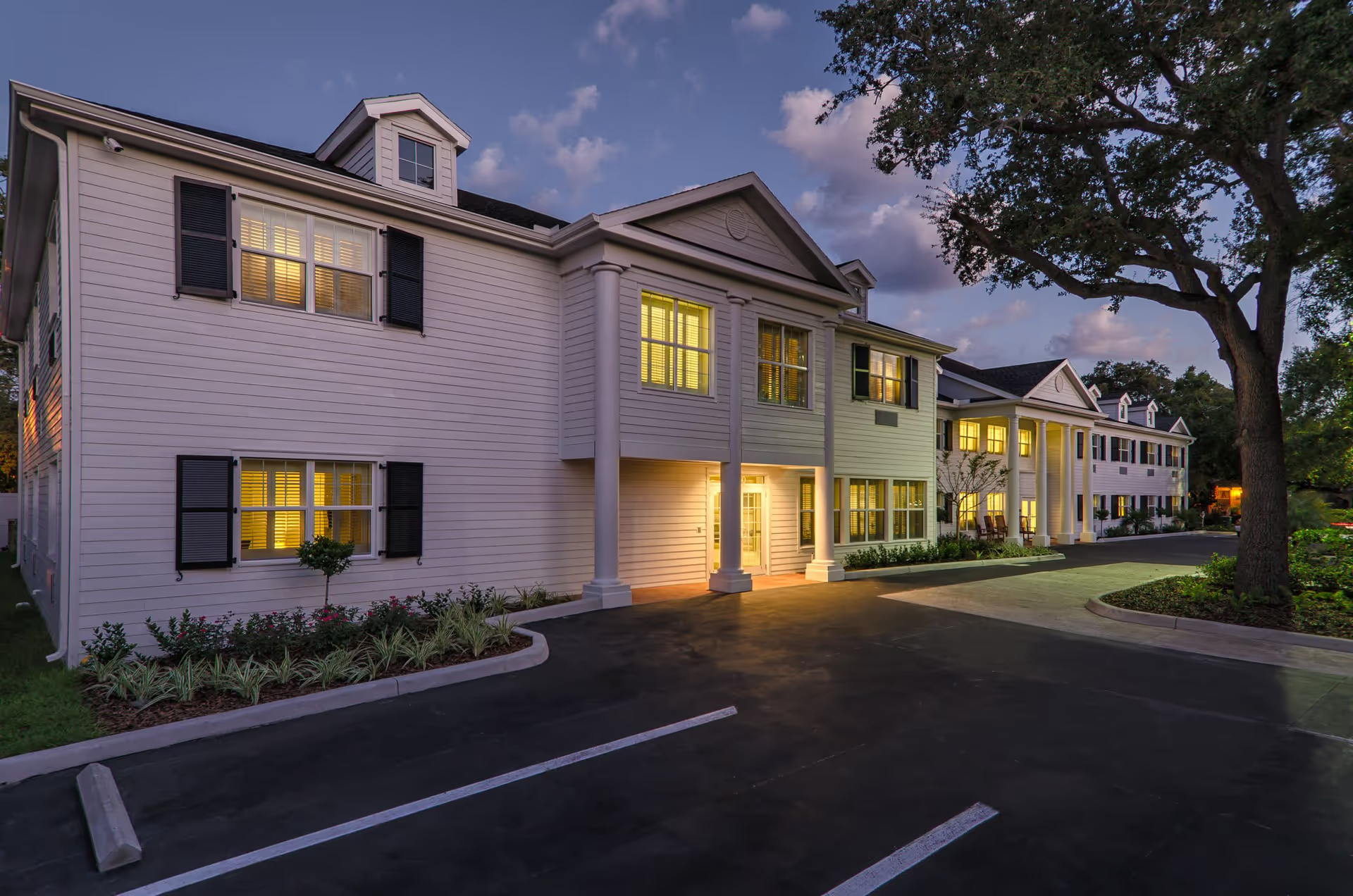
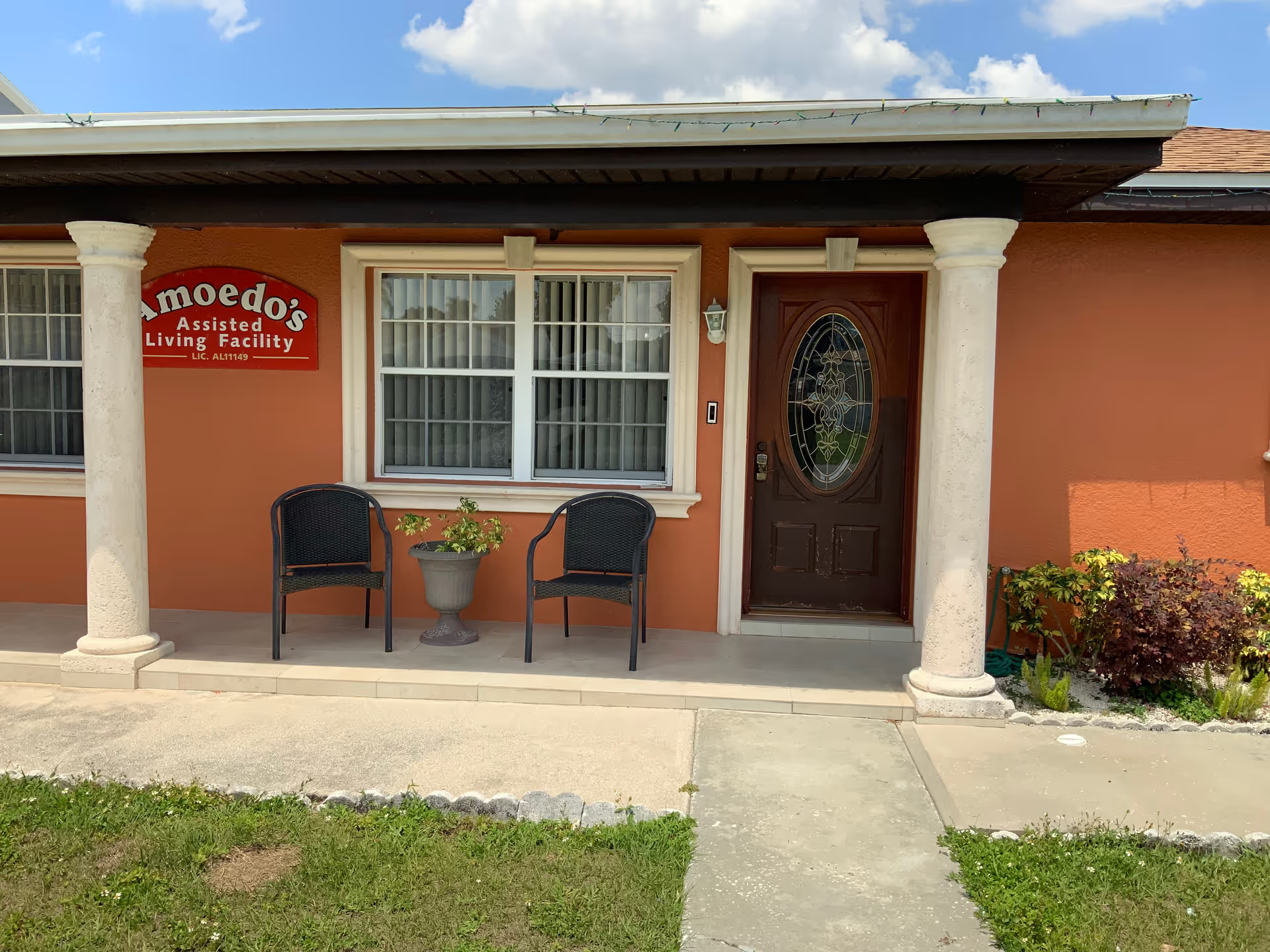
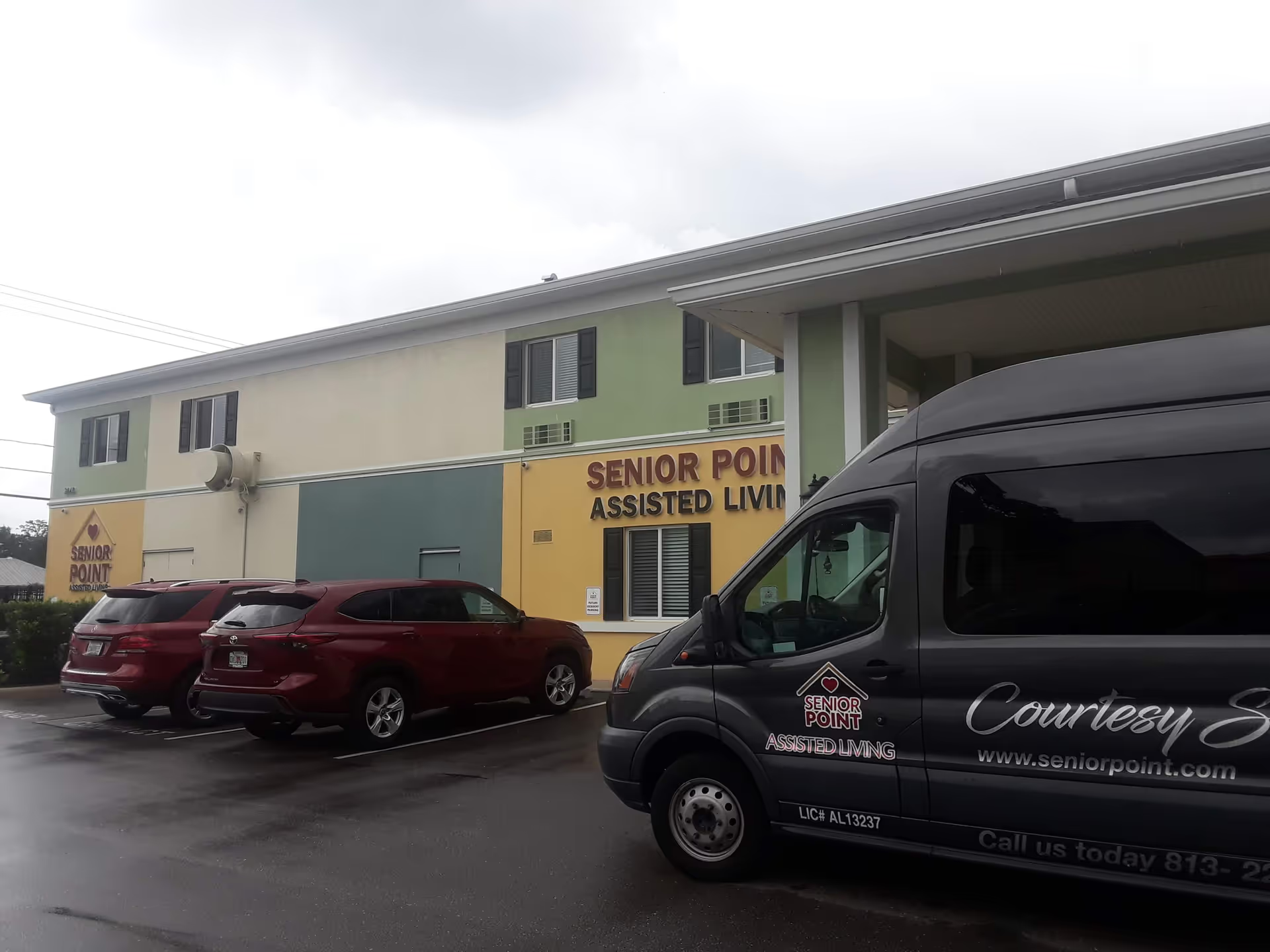
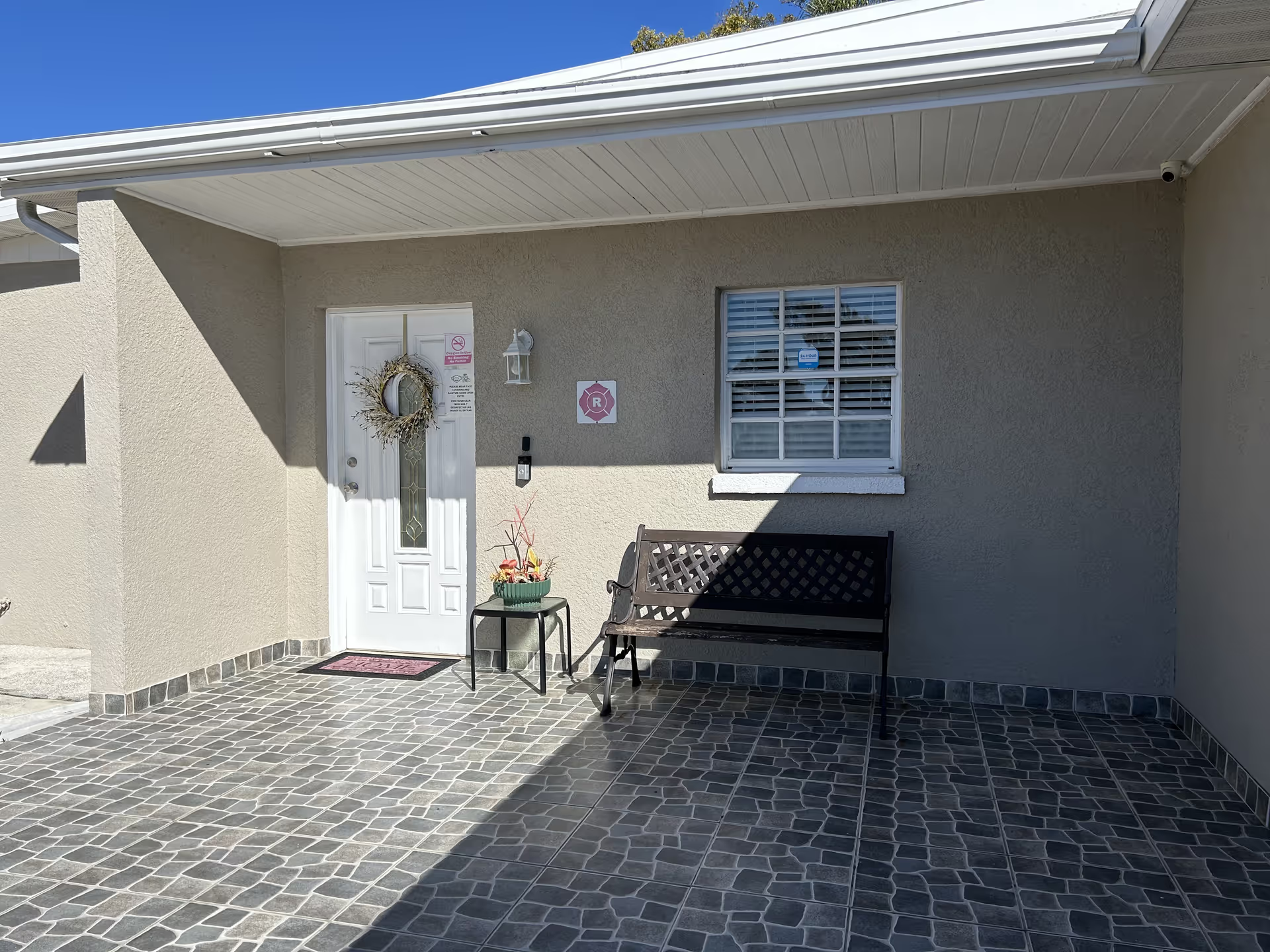
Facility‑level commentary in the reviews is mixed. Several families praised facilities as attractive, well matched to resident needs, and supportive of thriving environments; others identified operational weaknesses. The most consistent facility concerns relate to sanitation and upkeep (cleanliness and maintenance inconsistencies), incomplete room readiness at move‑in, and occasional safety oversights within resident units. There are also remarks about inconsistent responsiveness or communication tone from frontline facility staff during specific situations. A smaller subset of feedback raises questions about pricing clarity and affordability; one thread includes serious concerns about referral relationships and possible fee incentives, which some families perceived as affecting placement recommendations.
Dining and activities received limited, non‑conclusive commentary in these summaries. Where activities or programming were mentioned, families framed them as part of a broader “thriving environment,” but reviewers provided few specifics about meal quality, menu variety, or activity schedules. Prospective families should therefore seek direct, up‑to‑date information from facilities about dining options and daily programming during tours.
Management and administrative patterns show strengths in advocacy and coordination when families engage the consulting team, but the facility operational issues noted above suggest variability among partner communities. Families considering placement would benefit from confirming move‑in readiness procedures, sanitation and maintenance practices, and staff‑response protocols during visits. They should also request clear, written information about pricing, any third‑party referral arrangements, and post‑move follow‑up practices. Overall, the consulting service is portrayed as a valuable resource that facilitates appropriate placements and family reassurance, while the partner facilities themselves may require individual vetting for consistent cleanliness, move‑in preparedness, safety oversight, and pricing transparency.