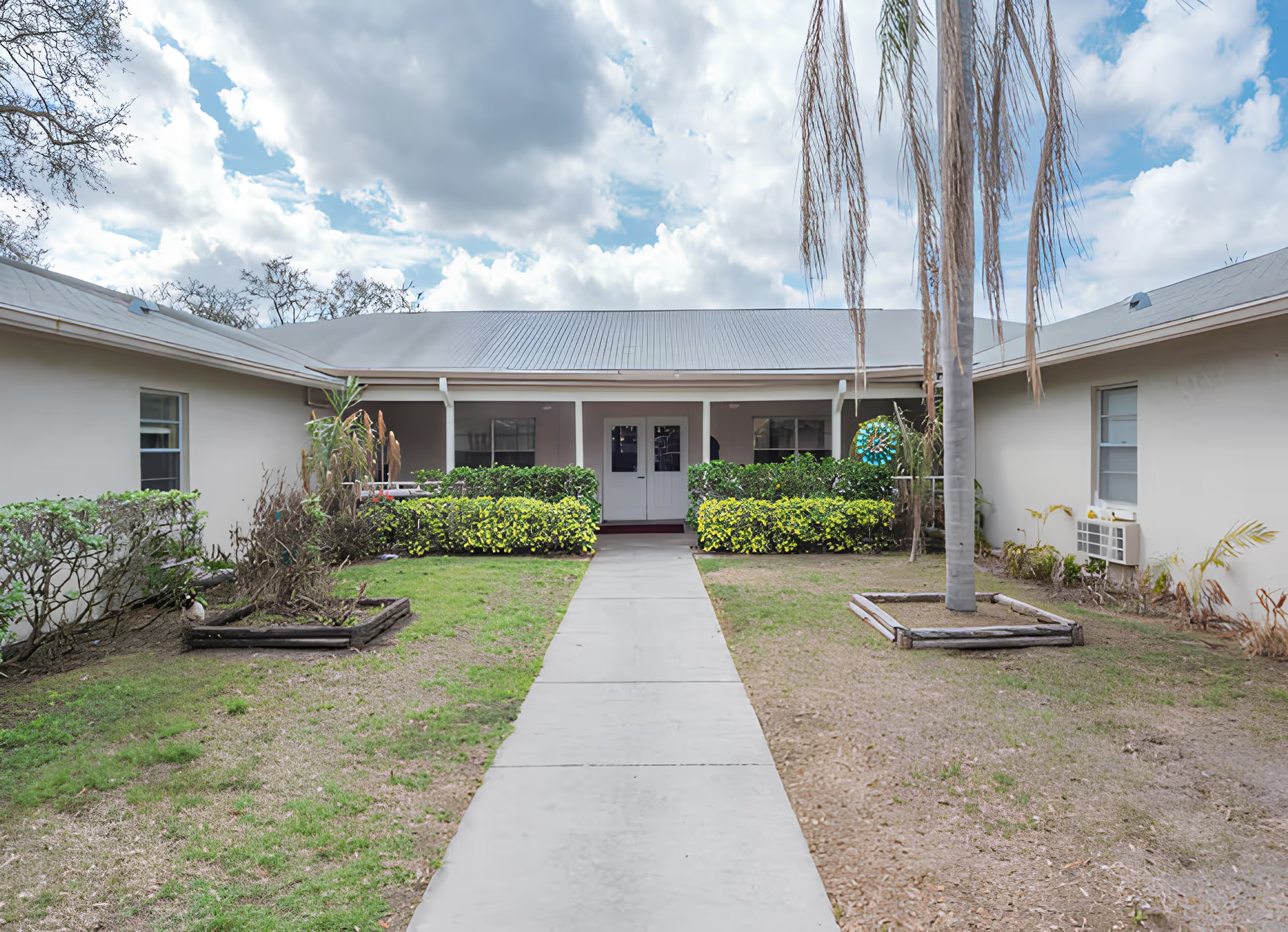
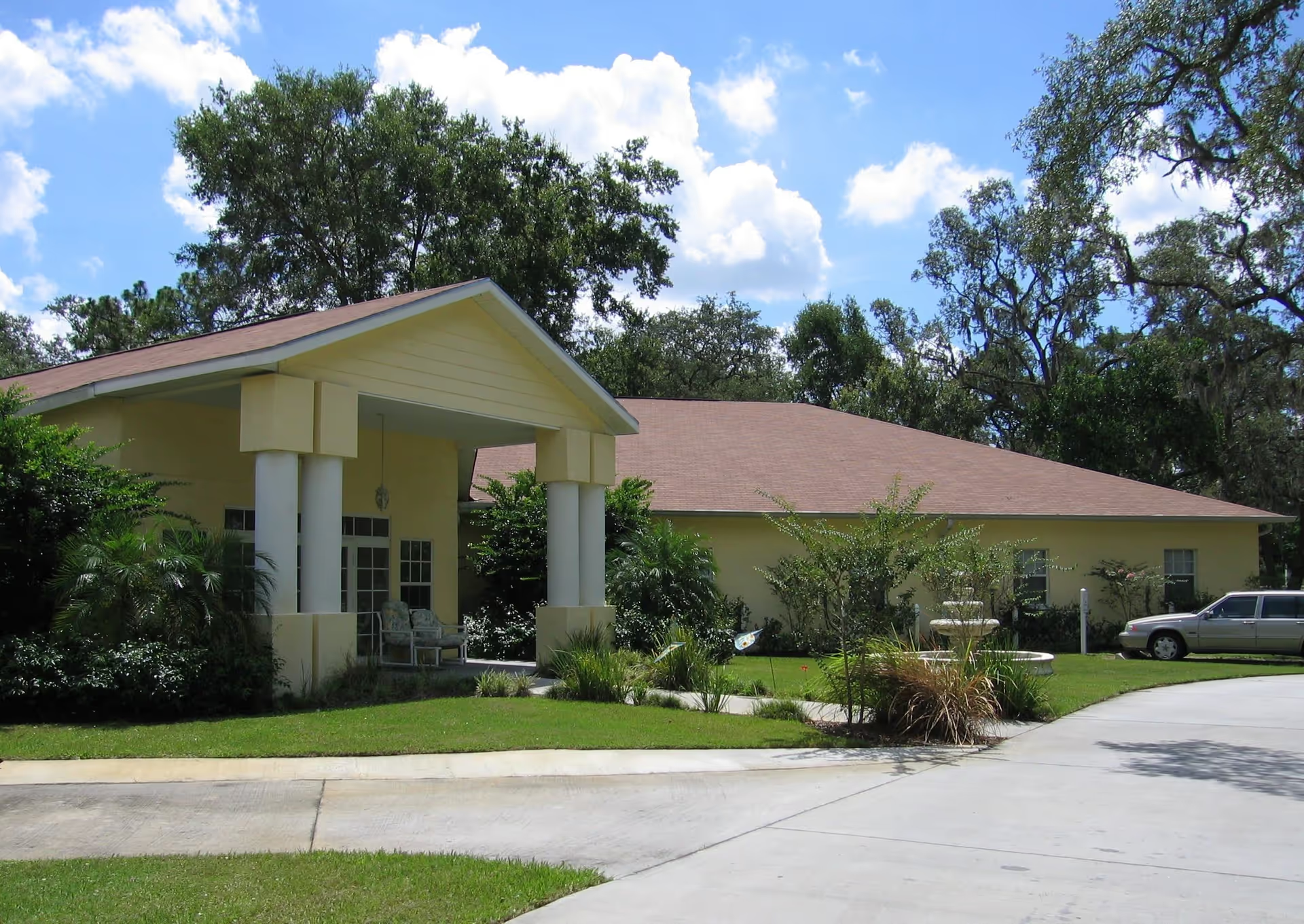
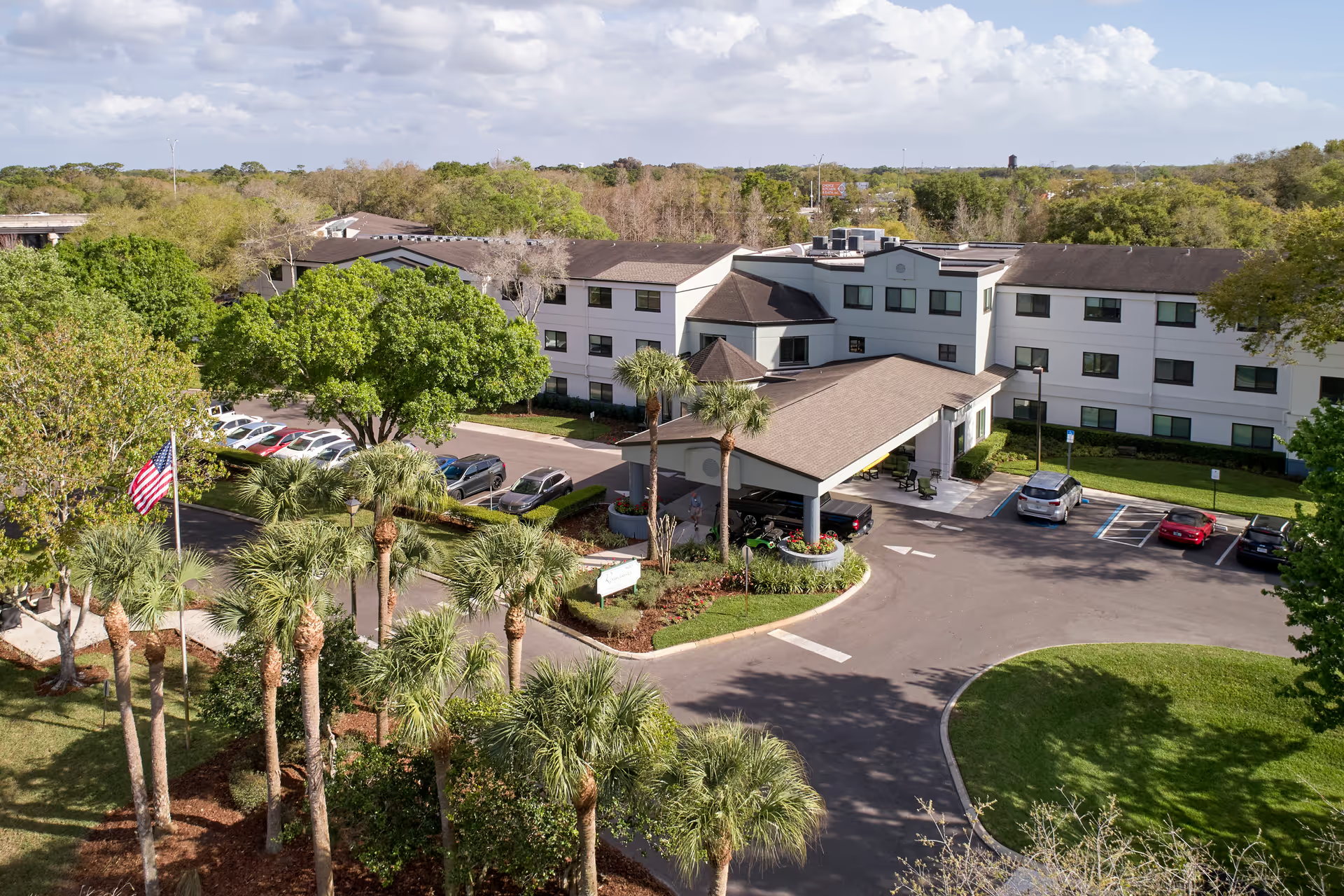
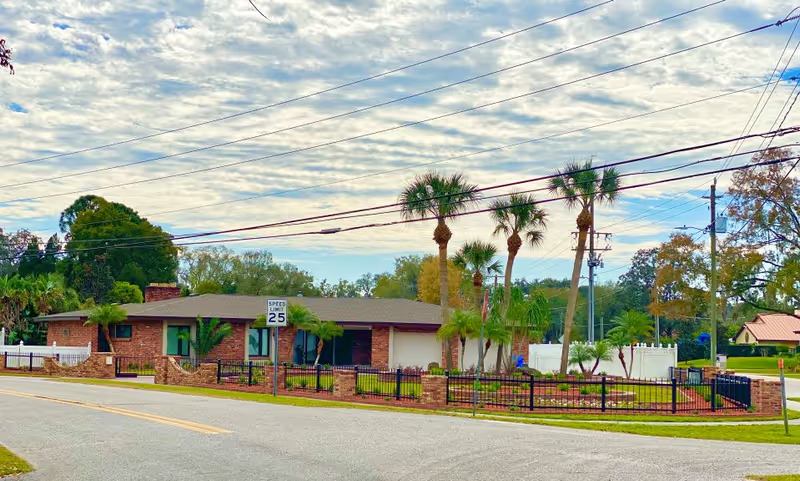
The Bristol at Tampa Rehabilitation & Nursing Center elicits a wide range of experiences. Many families and patients praise the facility's rehabilitation services, daily therapy programs, and a core group of nursing and aide staff who provide attentive, personalized care. Reviewers commonly note effective social-work and concierge support, helpful admission assistance, accessible therapy spaces (gym, salon), and engaging activities that can support recovery and social engagement.
At the same time, a substantial set of operational concerns appears across reviews. The most consistent themes are staffing and responsiveness: families describe delays in answering call bells, missed or late medications, and limited availability of staff on nights and weekends. These workforce gaps are linked to clinical risks in some accounts, including lapses in monitoring (for example, glucose checks), missed treatments, and equipment-not-prepared situations for residents who require respiratory or mobility support.
Communication and documentation are another area of variability. Some reviewers highlight clear, proactive updates from specific administrators and staff members; others report difficulty reaching leadership, unanswered calls, incomplete clinical paperwork, and inconsistent handoffs during admission or transfer. Related issues include delays in arranging transport or in sending medical documents to hospitals, and instances where personal property was misplaced or not returned — pointing to weaknesses in property-inventory and discharge coordination.
Dining and daily living experiences are mixed. Several people describe satisfactory meals and reasonable accommodation for special diets, while others recount meal shortages, incorrect diet orders, cold or late service, and inconsistent assistance with feeding and bathing. Cleanliness and facility maintenance also show a split pattern: portions of the building and common areas are described as clean and well-kept, yet other reports raise sanitation and pest-control concerns, odor issues, HVAC or room-temperature problems, and deferred maintenance in older units.
Staff conduct and professionalism are likewise described unevenly. Numerous reviews single out individual employees, therapy teams, and administrators for positive performance, responsiveness, and compassionate care. Conversely, there are reports of unprofessional interactions, poor bedside communication, and conduct that family members found concerning; these accounts are often correlated with times of understaffing or weekend/night coverage. Infection-control and visitation practices during COVID-19 were also a prominent theme, with restricted access during outbreaks and frustration about inconsistent policy communication.
Taken together, the pattern suggests a facility that can deliver strong rehabilitative outcomes and warm interpersonal care when staffing and management align, but that is vulnerable to operational breakdowns when staffing levels, communication systems, or processes for clinical monitoring, equipment readiness, and property control are strained. Prospective residents and families would benefit from directly assessing current staffing ratios (including night and weekend coverage), medication- and monitoring-protocols, property-inventory procedures, and recent corrective actions by management during a tour or pre-admission conversation. Asking for names of primary caregivers, examples of recent quality-improvement initiatives, and written policies on equipment readiness and transfers can help clarify whether the aspects praised by many are consistent at the time of placement.