Ybor City Center for Rehabilitation and Healing elicits a wide range of family and resident experiences. Many accounts describe a warm, community-oriented atmosphere with long-tenured caregivers, strong social-work support, and effective therapy programs that contribute to measurable rehabilitation progress. Conversely, other accounts identify operational weaknesses that appear to affect day-to-day resident comfort and family satisfaction; these divergent impressions produce a distinctly mixed overall profile.
Care quality and staffing: Strengths include compassionate CNAs, nurses, and an active therapy department that some families credit with meaningful improvement in mobility and function. Several reviewers singled out a social worker and specific caregiving staff as providing excellent, attentive support. At the same time, staffing levels and coverage are a recurring concern: reviewers described periods when the facility appeared short-staffed, leading to delays in routine assistance and perceptions of rushed or inconsistent care. These staffing inconsistencies have implications for timeliness of assistance, supervision, and routine clinical responsiveness.
Dining and activities: Feedback on dining and social programming is inconsistent. Some families found meals acceptable and noted routine activities such as bingo and access to an outdoor deck; others described unpalatable meals, inconsistent clearing of dining tables, and limited programming. Therapy and rehabilitation services are generally viewed positively, but non-therapy recreational opportunities and communal engagement are described as limited by small common spaces and, at times, pandemic-related restrictions.
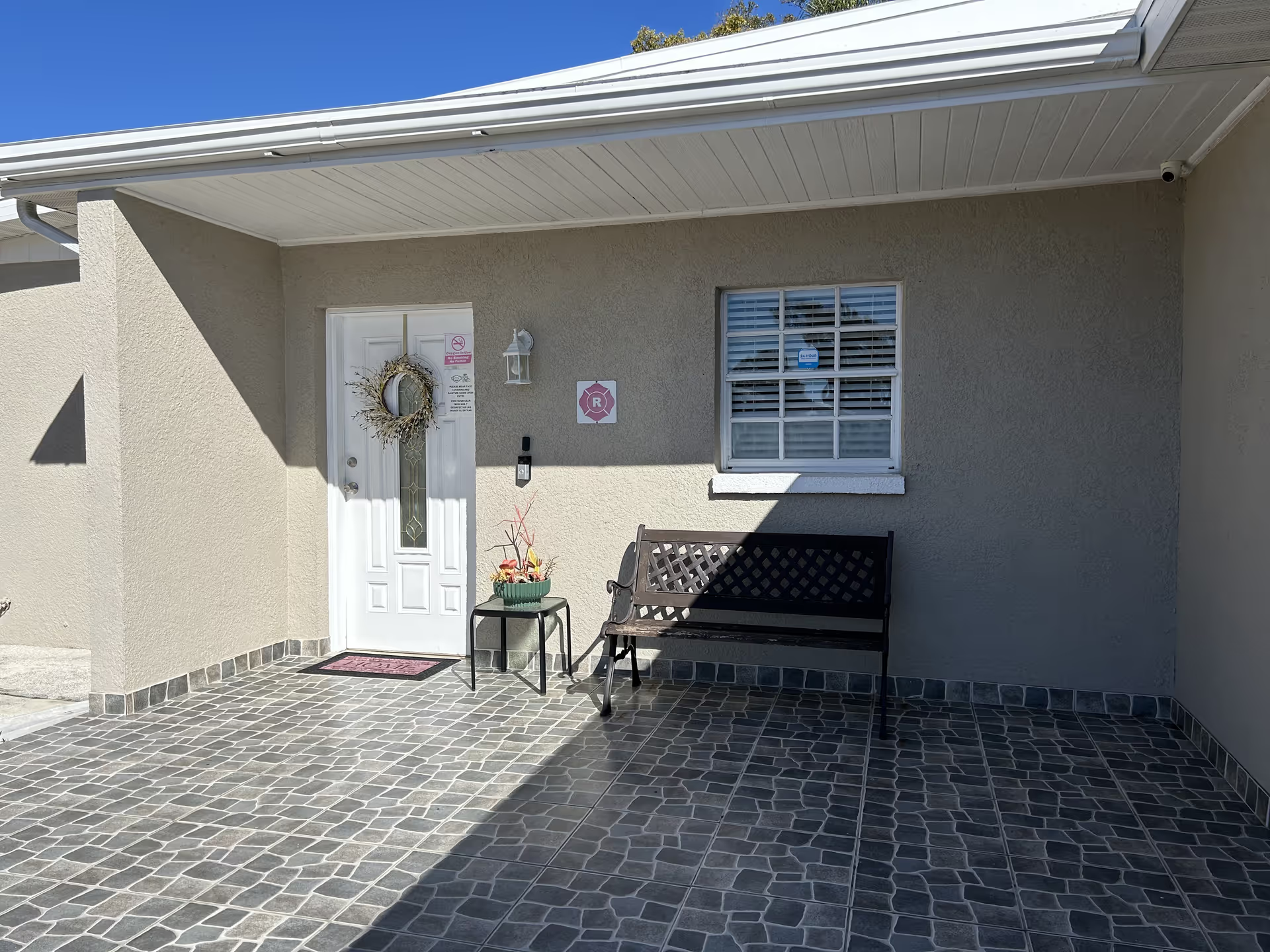
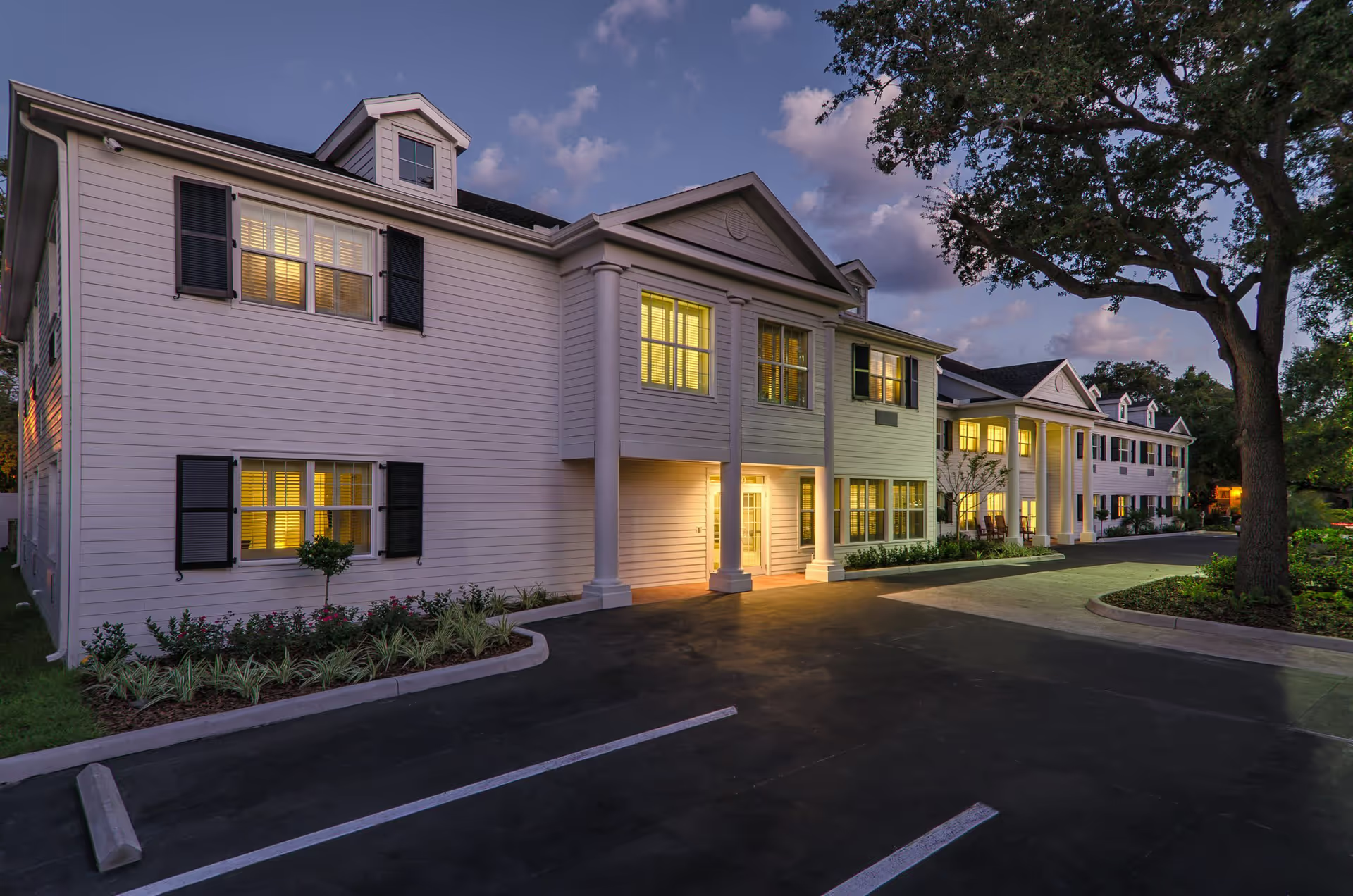
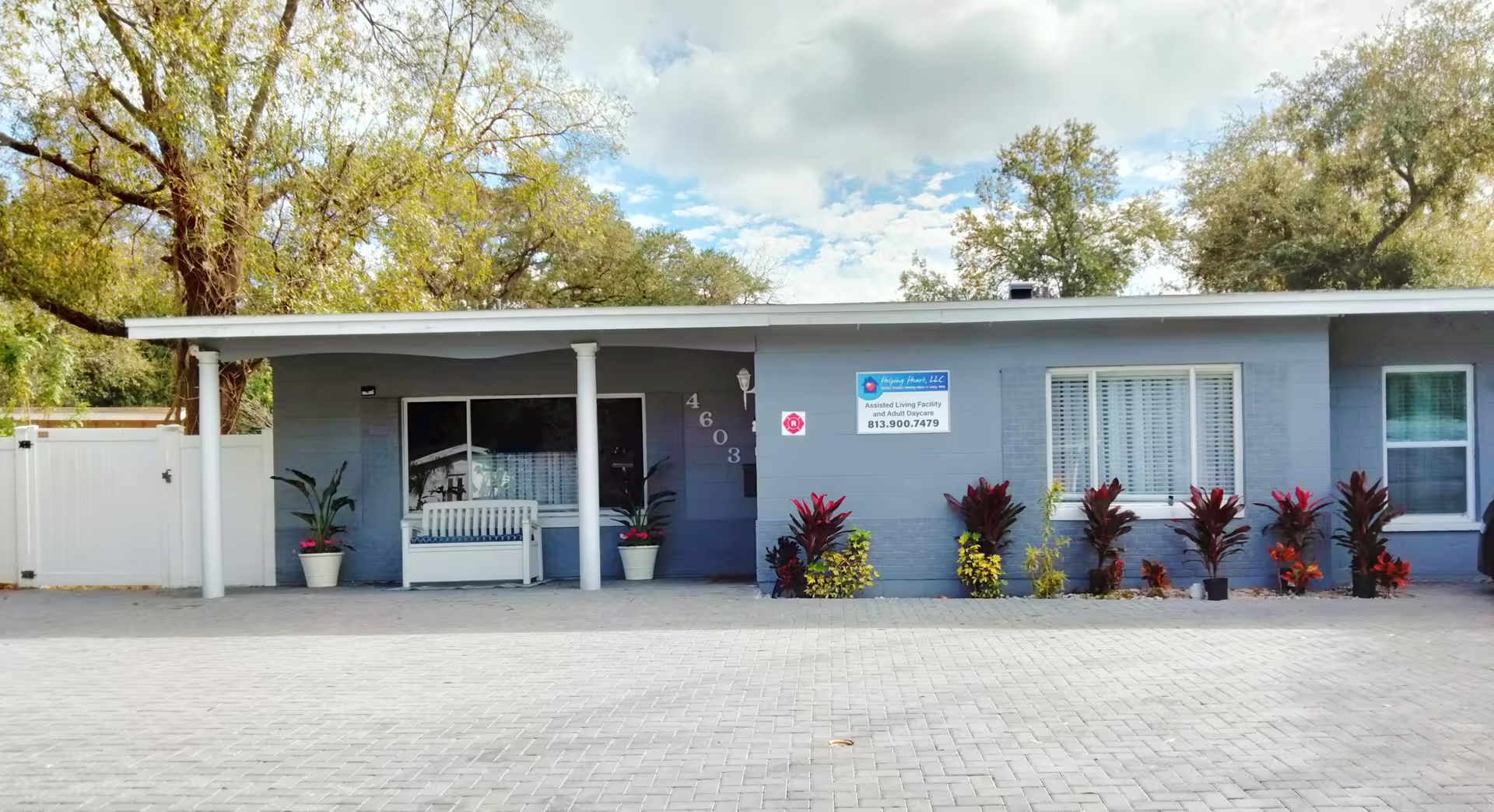
Facilities and maintenance: The facility’s location and exterior setting are seen as positives—quiet neighborhood, proximity to shops, and accessible parking—while interior conditions are more variable. Multiple reviewers noted cramped or multi-occupancy rooms that reduce privacy, small shared bathrooms, and limited common areas. Temperature-control problems (malfunctioning air conditioning or reliance on fans) and localized odor or sanitation concerns were described for some units. Maintenance and building age appear unevenly addressed: some areas are well maintained while others show need for repair and improved environmental control.
Management and operations: Families reported mixed experiences with administration. Several accounts praise recent leadership changes and improved communication, while others cite unresponsive billing, delayed refunds, and difficulty reaching front-desk or administrative staff. Allegations of missing personal items and property-management gaps were raised by some families, creating an area of concern for trust and accountability. There are also instances suggesting opportunities to strengthen infection-control protocols, hygiene practices, and clinical-incident response procedures to reassure families.
Overall pattern: The facility demonstrates clear strengths in individualized rehabilitation and in many direct-care relationships, producing positive outcomes for numerous residents. However, operational issues—most notably inconsistent staffing, room crowding, environmental control, and variable administrative responsiveness—are common themes that temper overall recommendations. Prospective residents and families should weigh the facility’s therapeutic capabilities and community atmosphere against the facility-level concerns noted above, and consider in-person evaluation focused on room configuration, climate control, staffing ratios at expected times of need, and administrative responsiveness before making a placement decision.