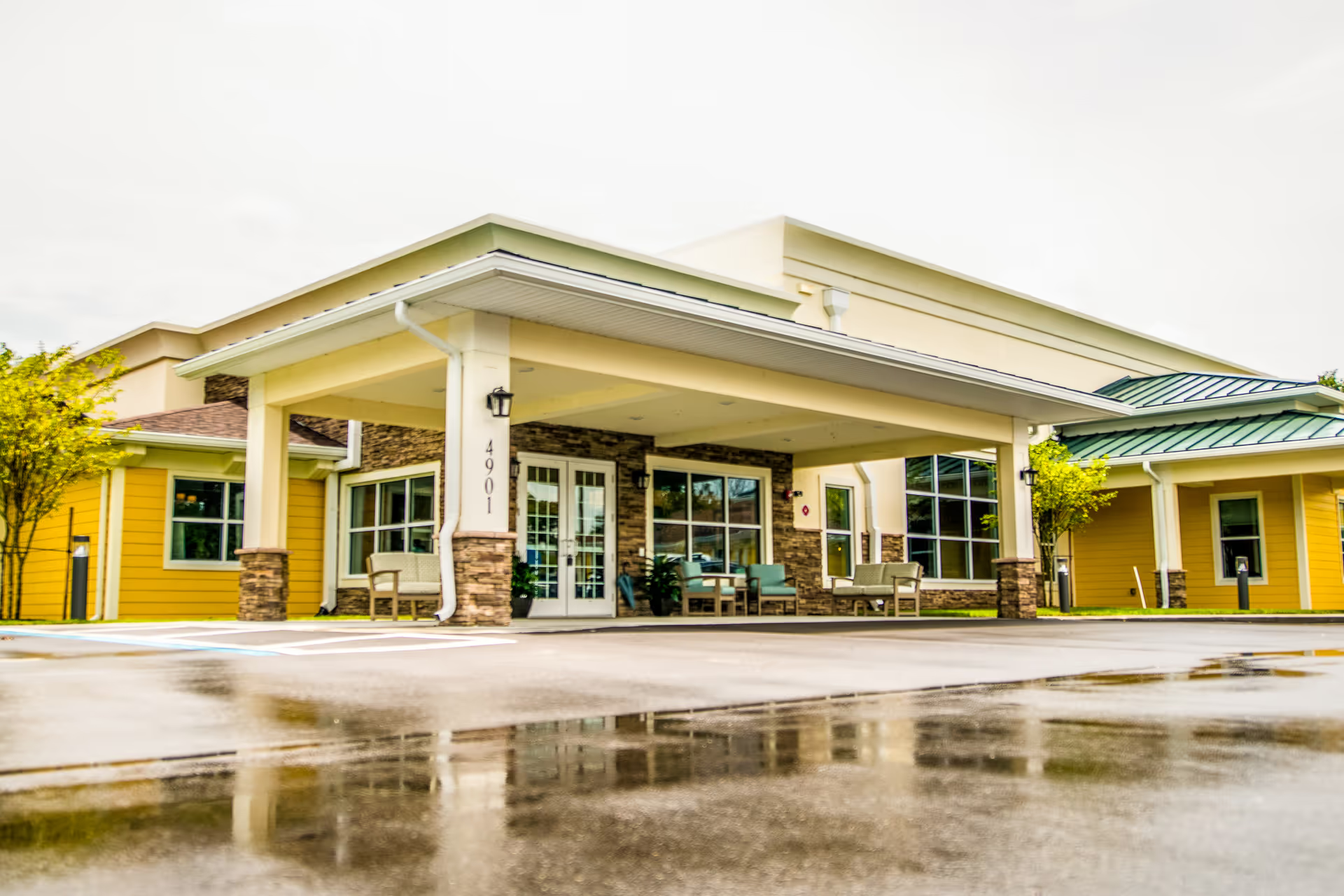
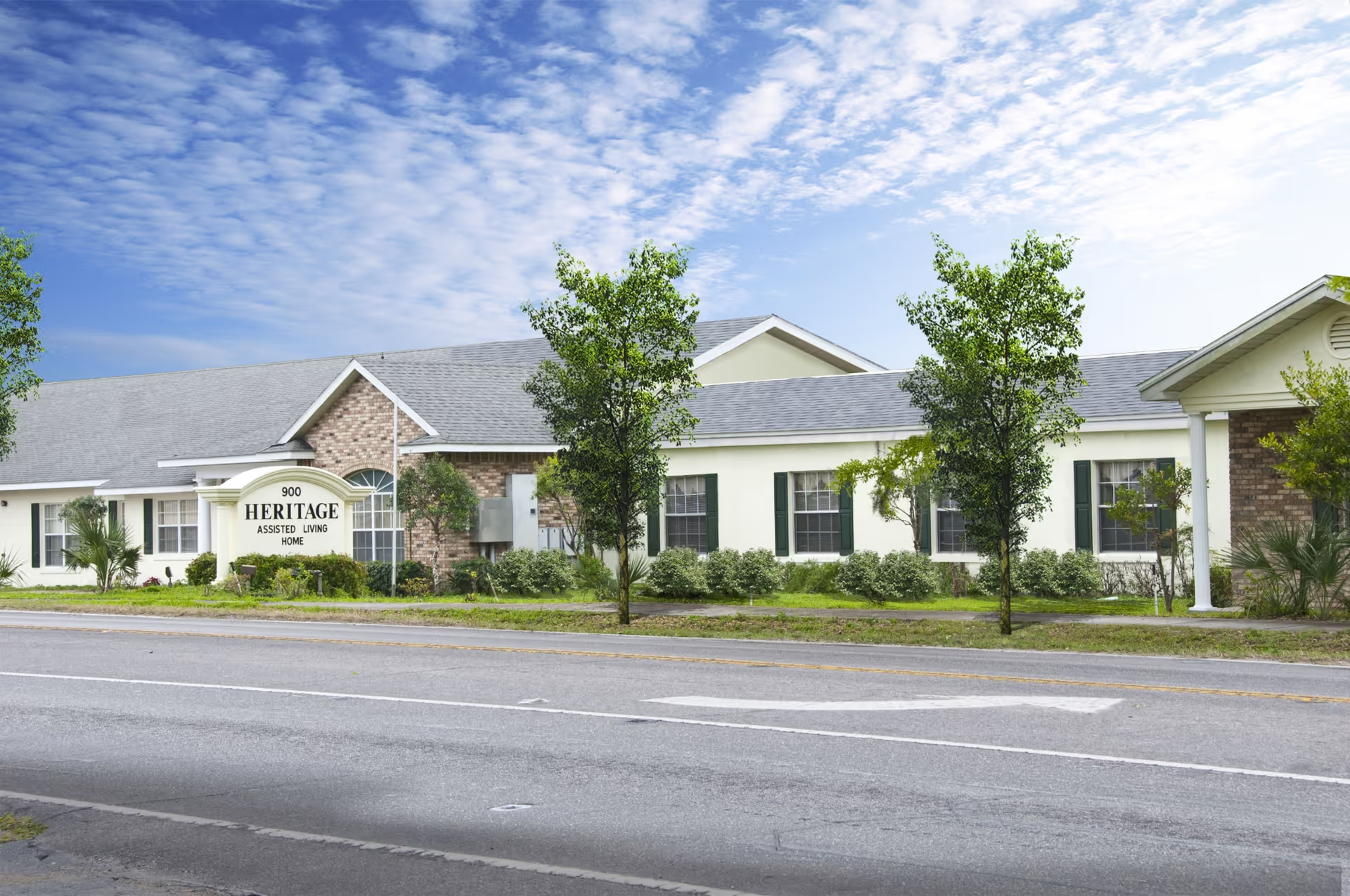
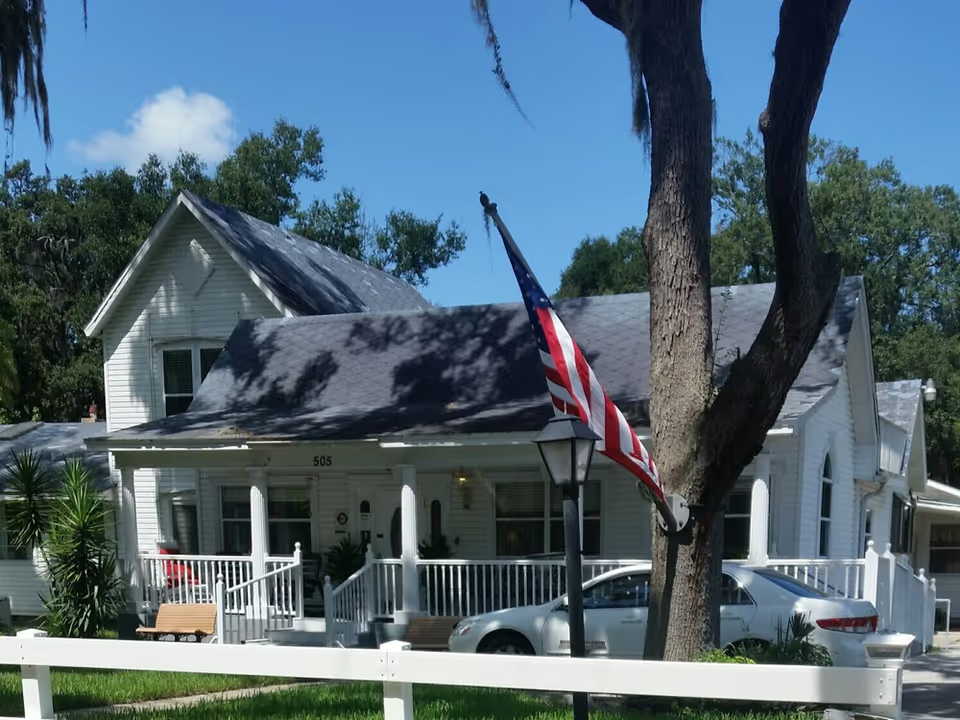
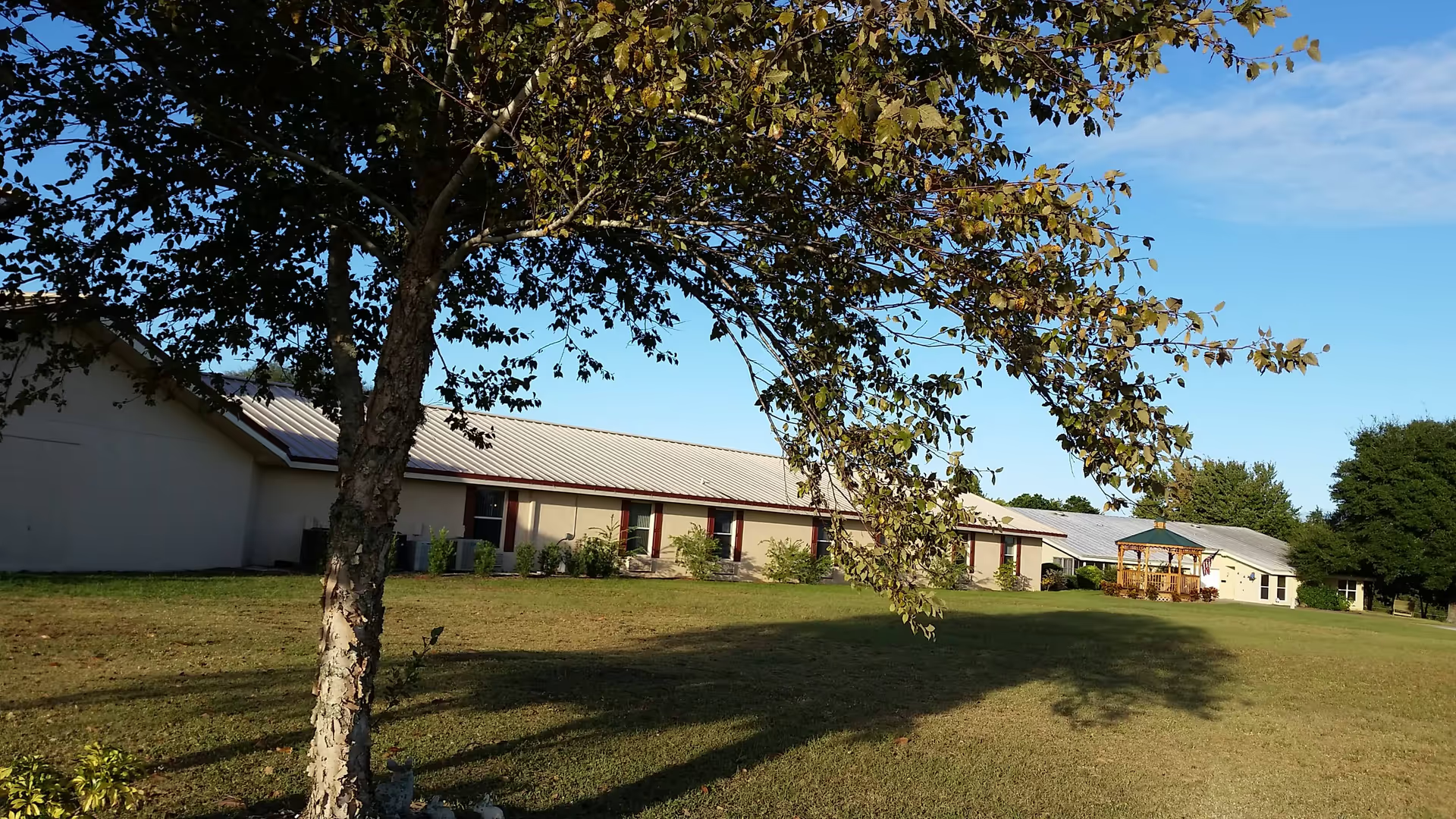
Somerset Assisted Living & Memory Care elicits mixed impressions. Many families describe a warm, family-run environment with an owner/administrator who is hands-on and compassionate. Positive accounts emphasize attentive, caring staff, a small homelike atmosphere, clean and spacious living quarters, appealing meals, and assistance with Medicaid and billing navigation. The facility’s size and leadership approach are frequently cited as strengths that support personalized, above-and-beyond care and flexibility for family visits, including opportunities to join residents for meals and outings.
Care quality appears variable. Several reviewers praised staff for being engaged, responsive, and supportive of quality of life, with accessible mobility assistance and organized outings. Conversely, other reviewers expressed concerns about staff conduct and consistency—examples include lapses in professionalism, delays in responding to care needs, and uneven personal-care practices such as grooming and toenail care. These contrasting accounts suggest staff performance and training may be uneven, resulting in markedly different experiences depending on timing and personnel.
Dining and activities receive both commendation and criticism. Many families reported enjoyable, well-prepared meals and an active schedule with regular programming. However, there are sanitation and food-handling concerns—specific descriptions include gloves not being used and inconsistent dining service practices—that point to gaps in infection-control or food-safety procedures. Activity availability was praised by some but described as limited by others, indicating variability in program sufficiency or engagement levels across residents.
Facility condition and management practices also show mixed signals. Positive remarks note cleanliness and roomy accommodations, while other accounts raise maintenance and cleanliness inconsistencies, particularly during ongoing renovations and with instances of clutter in common areas. Operational issues cited include limited parking, constrained accessibility in parts of the property, and administrative problems such as delayed billing receipts, slow responsiveness to family requests for records, and weak incident-communication processes. There are also concerns about licensing or regulatory documentation that warrant verification. Prospective residents and families should weigh the facility’s strong, family-oriented strengths against reports of variability in staff performance, sanitation practices, and administrative transparency. A recommended next step is an in-person tour focused on current staffing patterns, infection-control procedures, documentation access, and how the facility manages renovations and resident safety during transitions.