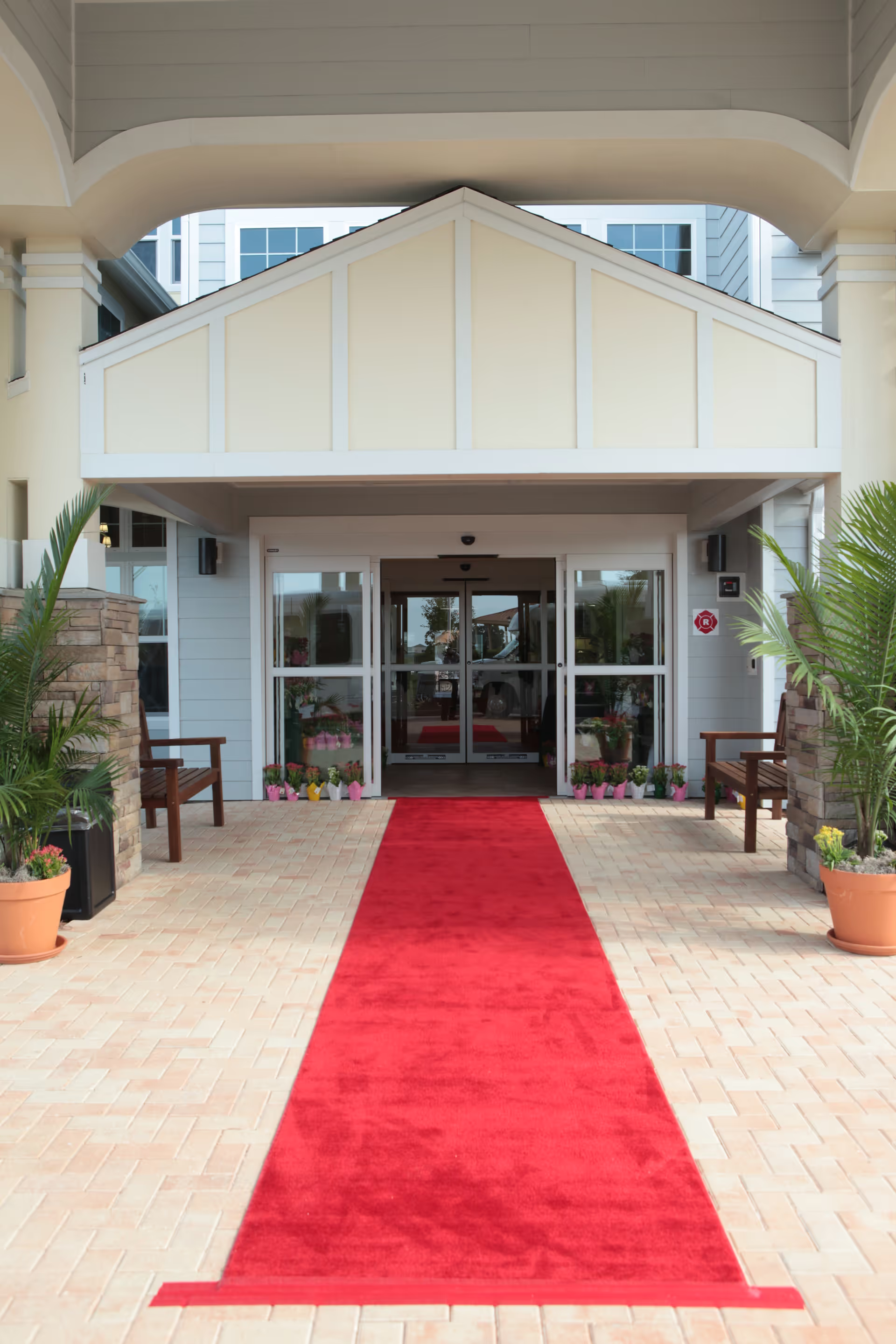
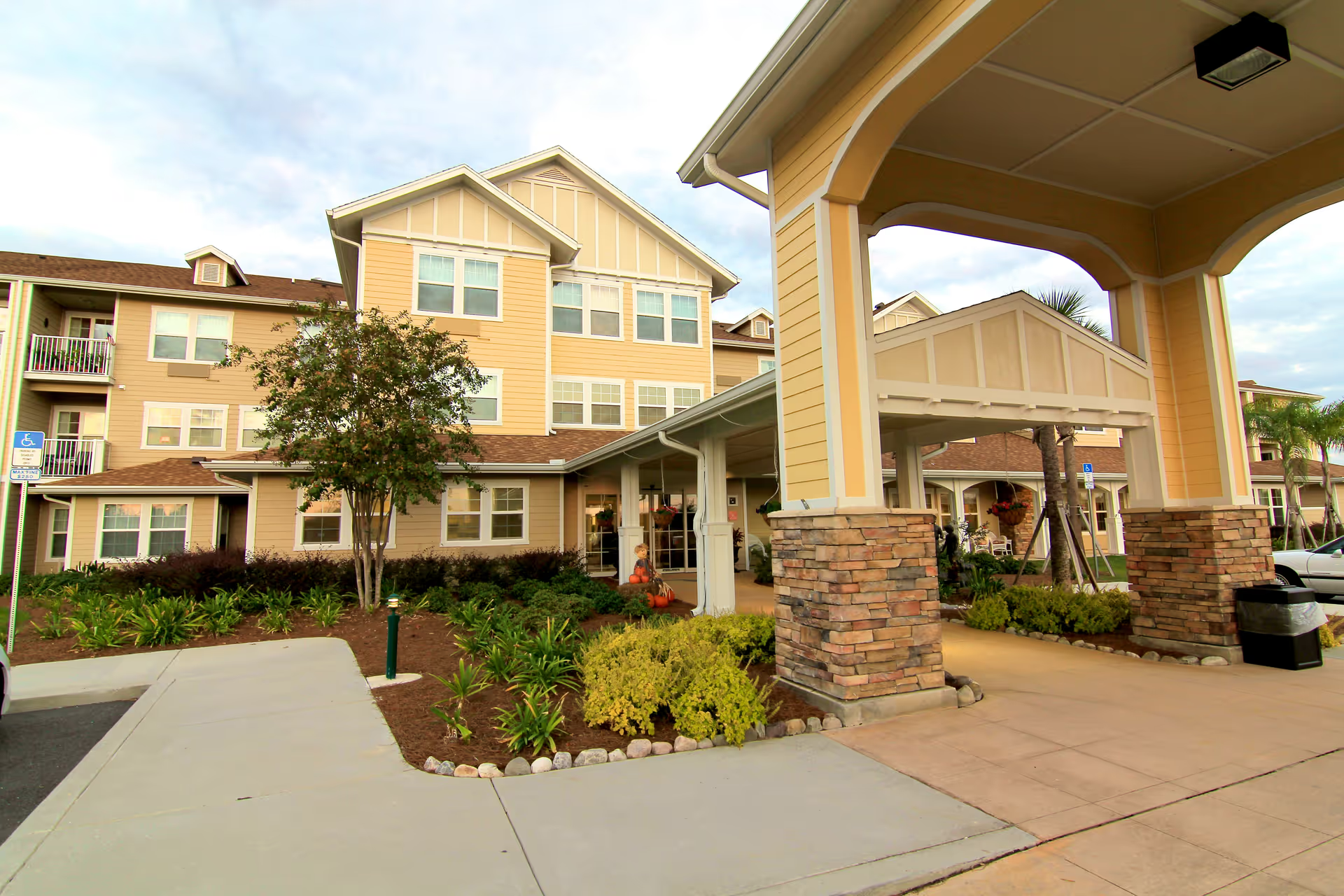
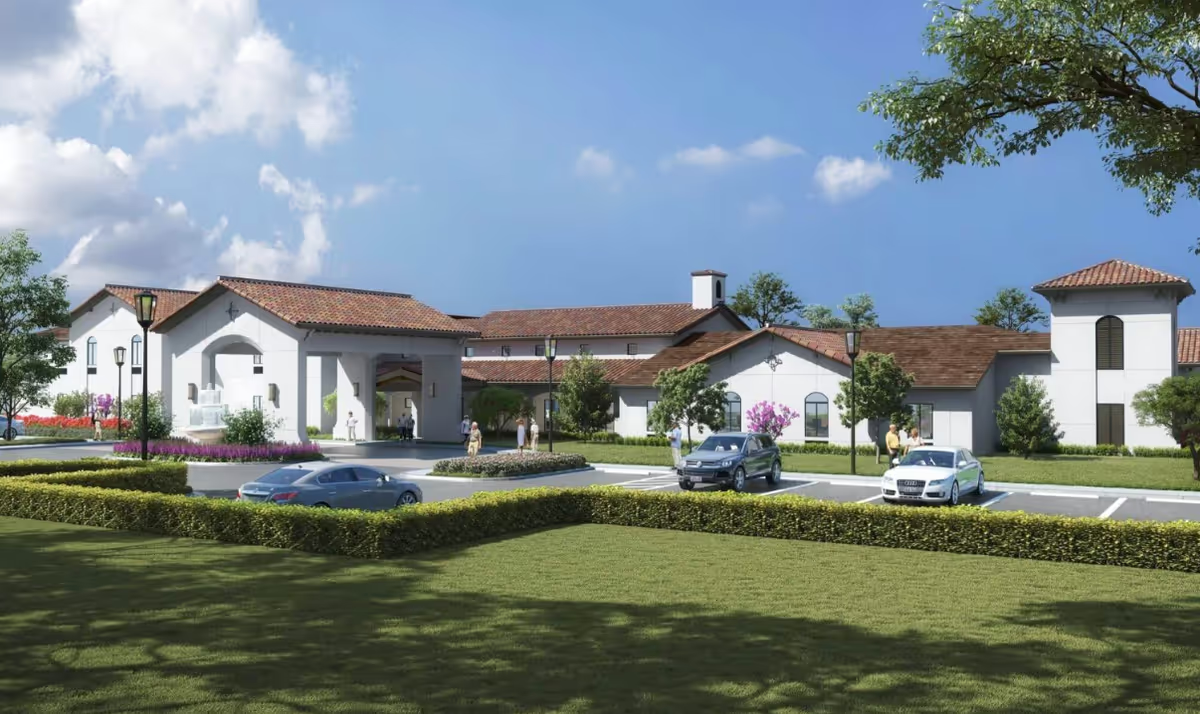
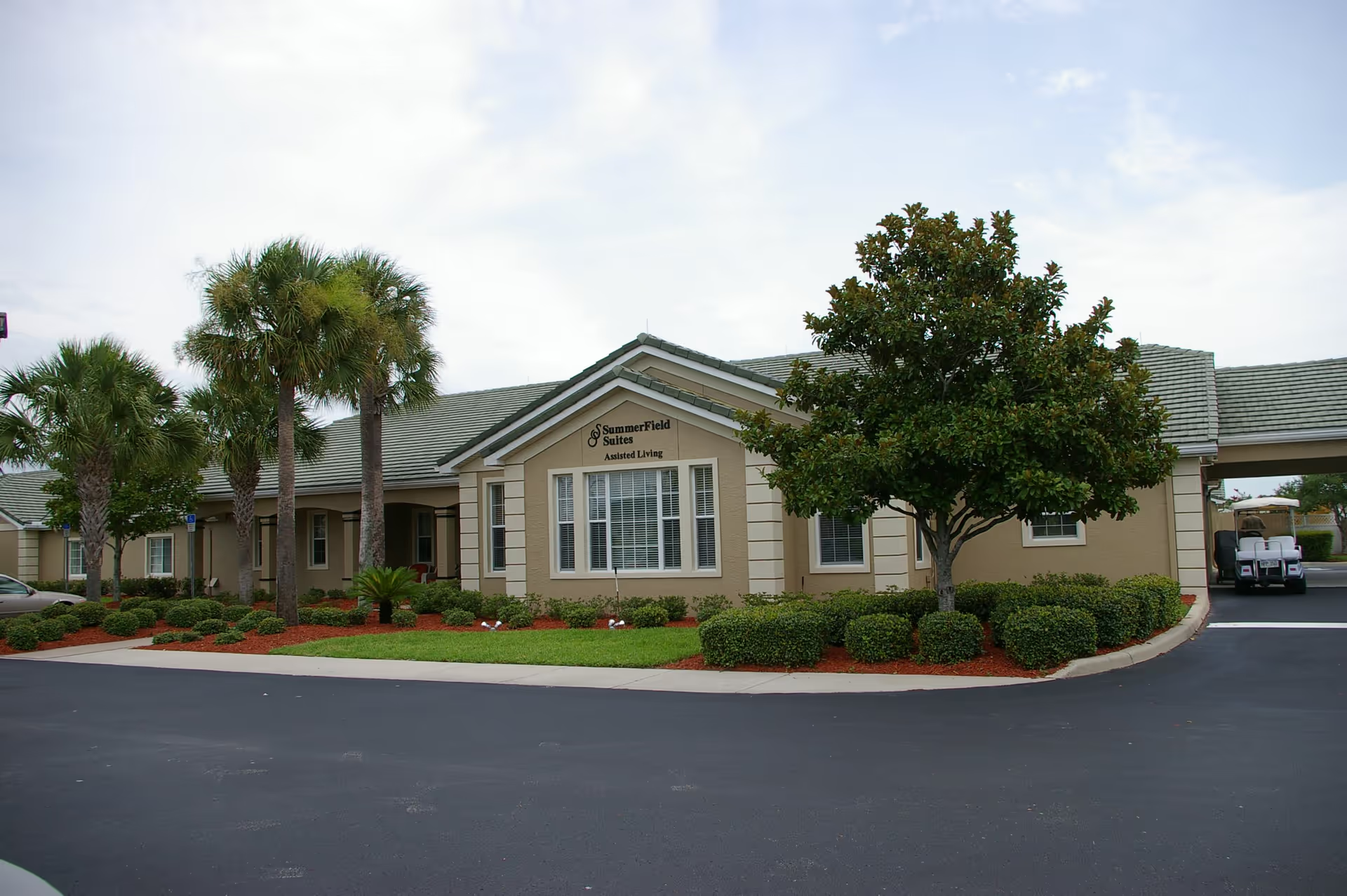
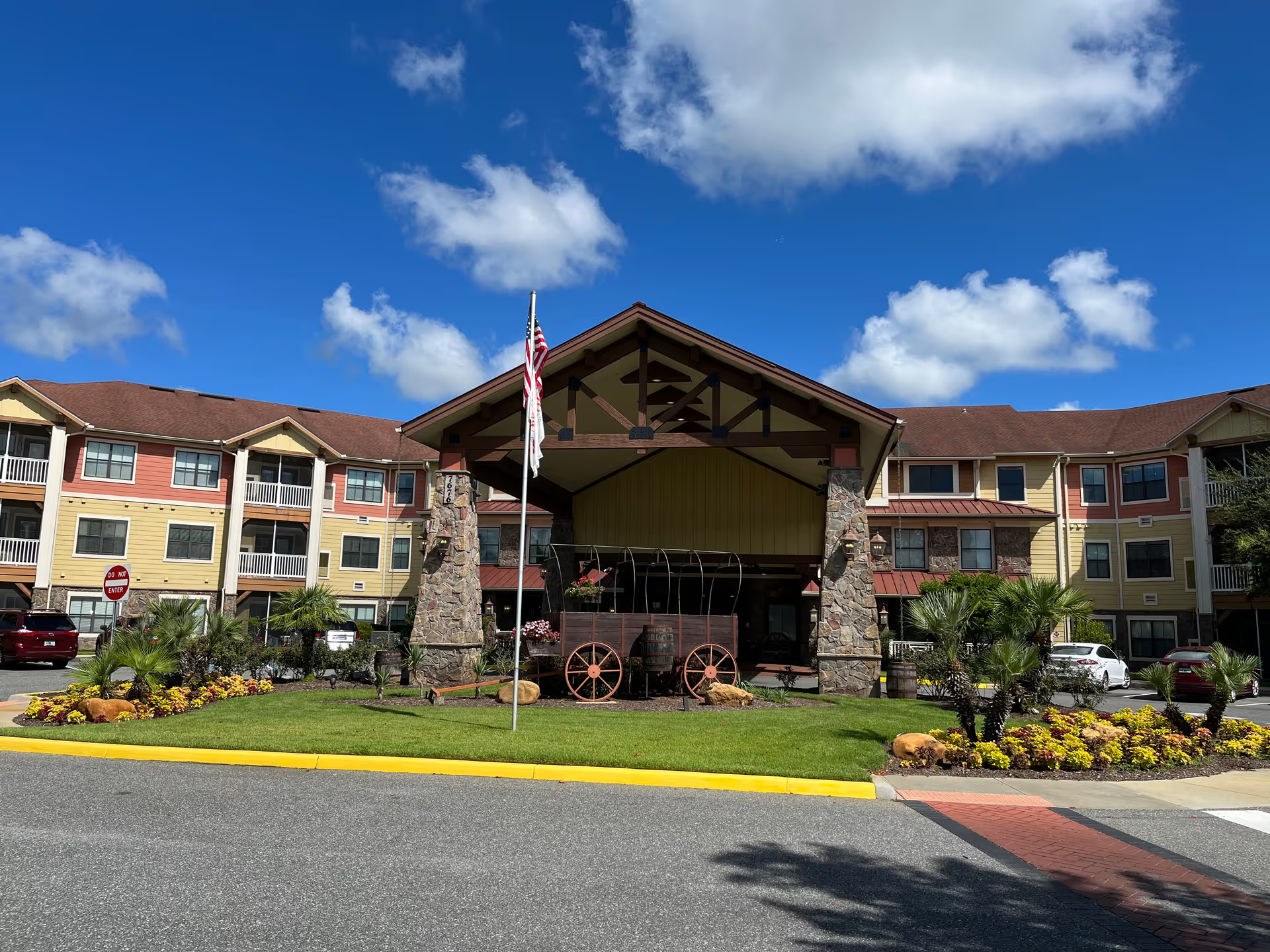
Serenades at the Villages presents as a well-appointed, dementia-focused community with many design and program strengths alongside recurring operational concerns. Physically the property is consistently described as attractive, bright, and neighborhood-oriented: private, spacious rooms; accessible bathrooms; secure entry systems; and multiple outdoor courtyards and terraces designed for residents with memory loss. Amenities such as on-site therapy, salon services, landscaped gardens, and family-style dining are frequently noted, and many families praise the facility’s cleanliness and upkeep.
Care quality assessments are mixed. Numerous families and visitors describe compassionate, attentive caregivers and a professional wellness leadership team who support residents’ mobility, cognition, and comfort. The community’s memory-care focus, sundowning supports, and dementia-friendly outdoor areas are strengths for families seeking specialized Alzheimer’s care. At the same time, multiple accounts point to variability in clinical consistency—specifically gaps in medication administration controls, limited nursing coverage relative to med techs, and concerns about end-of-life care processes. These issues frequently correlate with reports of high staff turnover and episodic understaffing, which reviewers link to delays in responding to resident needs.
Staff and management impressions are polarized. Many comments highlight warm, engaged CNAs, a proactive Activities Director, hands-on management (when present), and responsive admissions and community-relations personnel. Families recount concrete improvements in residents’ well-being and positive interpersonal interactions. Conversely, other accounts describe management instability, uneven follow-through after leadership changes, inconsistent communication with families, and confusion during transitions in clinical leadership. Financial transparency and billing have also been flagged as problematic by some families; prospective residents should verify contract terms, billing practices, and insurance/Medicaid acceptance up front.
Dining and activities are frequently praised but not uniformly so. The facility offers homemade meals, multiple menu options, and regular event programming—music, arts, karaoke, and therapeutic activities are repeatedly mentioned. The Activities Director is often singled out positively. However, a pattern emerges of uneven activity delivery across the building’s multiple neighborhoods; some families experienced limited programming or fragmented offerings. Observing a weekday mealtime and an activity session during a visit can help assess current consistency.
Sanitation, safety, and operational reliability show mixed signals. While many reviewers note spotless rooms and well-kept grounds, others raise sanitation concerns and point to instances where housekeeping or care tasks were inconsistent. Safety-practice issues—such as equipment maintenance and fall-prevention measures—are reported in some accounts and should be discussed directly with leadership. There are also serious, isolated claims involving alleged financial/guardian misconduct and concerns following a resident’s death; these are distinct and should prompt careful inquiry and, if needed, review of regulatory or legal records.
Overall pattern and guidance: reviews form a polarized picture—many families report a positive, home-like environment with skilled, compassionate caregivers and strong programming; others report operational weaknesses tied to staffing instability, inconsistent clinical oversight, communication failures, and billing or policy concerns. Prospective residents and families would be prudent to (1) schedule multiple visits including meal and activity observations, (2) ask for current staffing ratios and recent turnover history, (3) review medication-administration and clinical oversight protocols, (4) clarify billing, refund, and Medicaid policies in writing, and (5) request references from current families. Those steps will help determine whether the current operational status aligns with the family’s care expectations and risk tolerance.