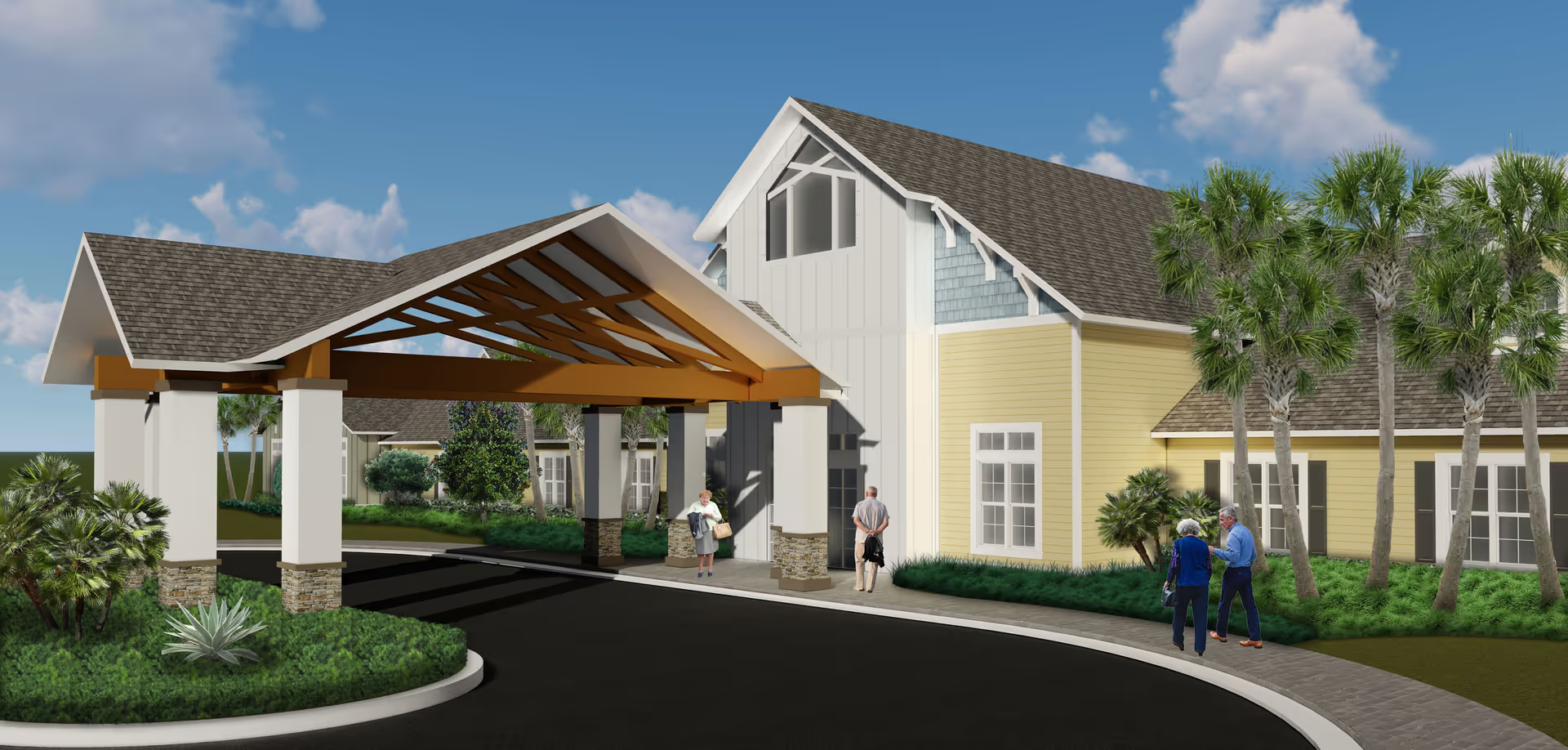
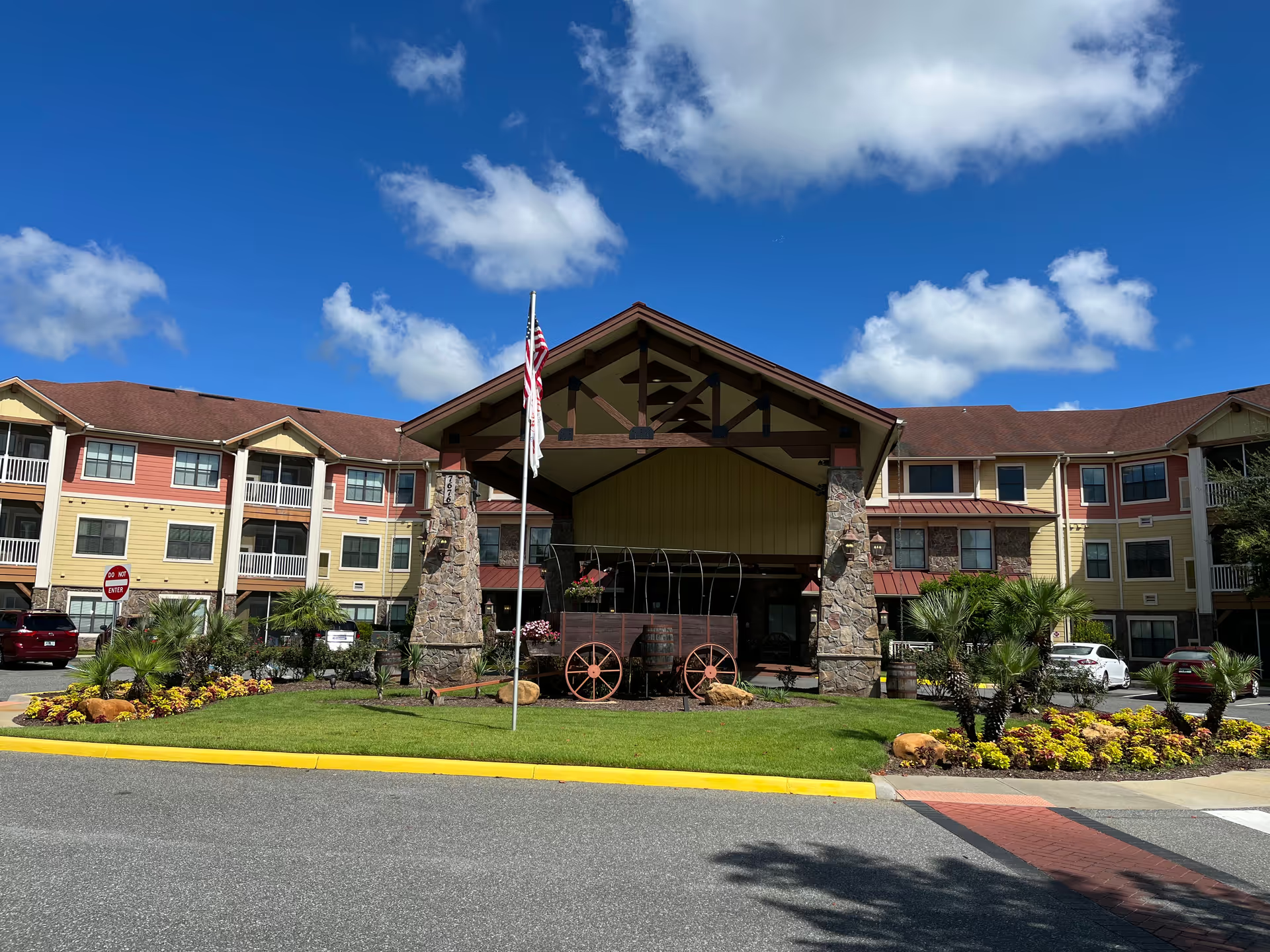
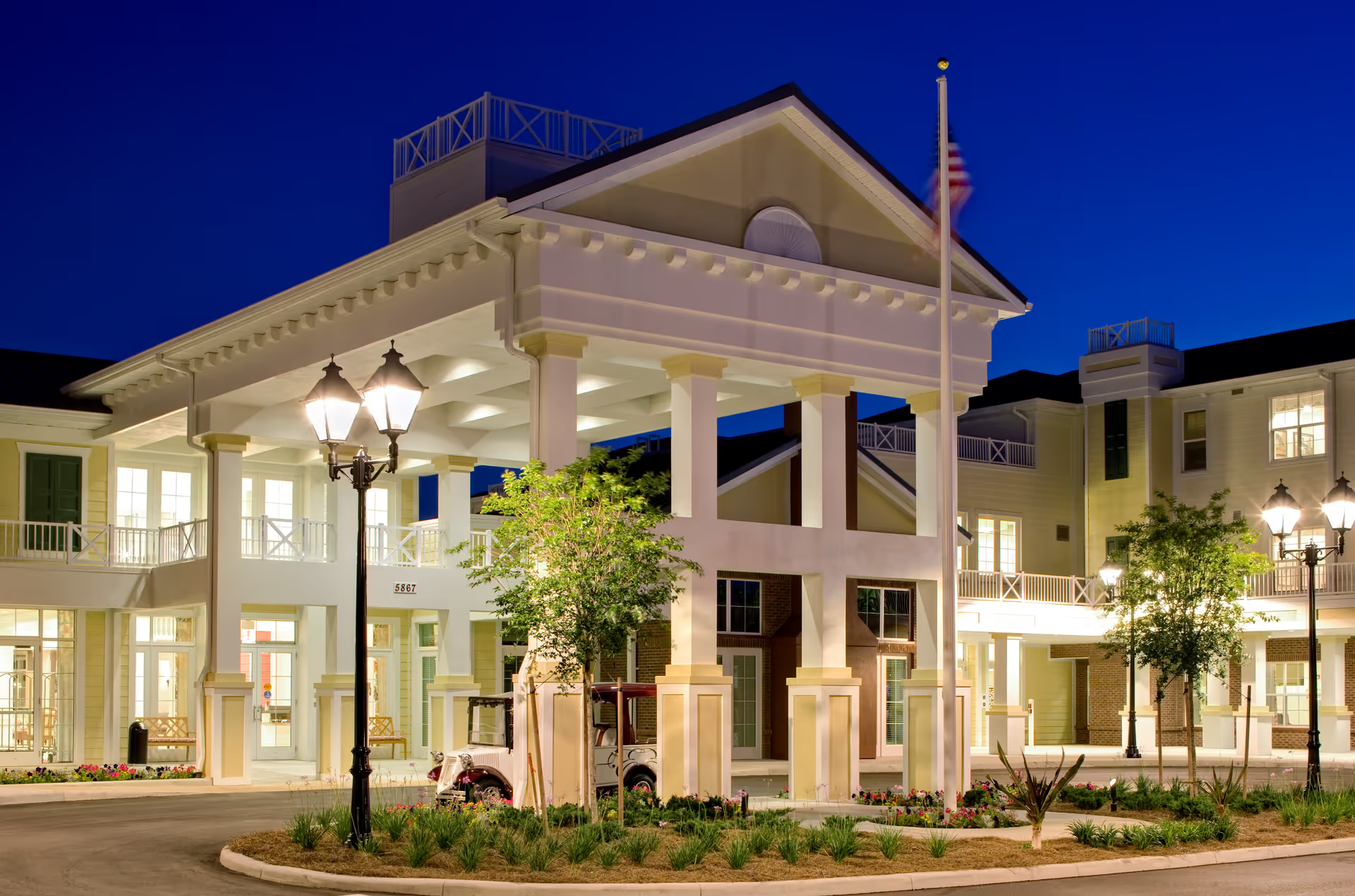
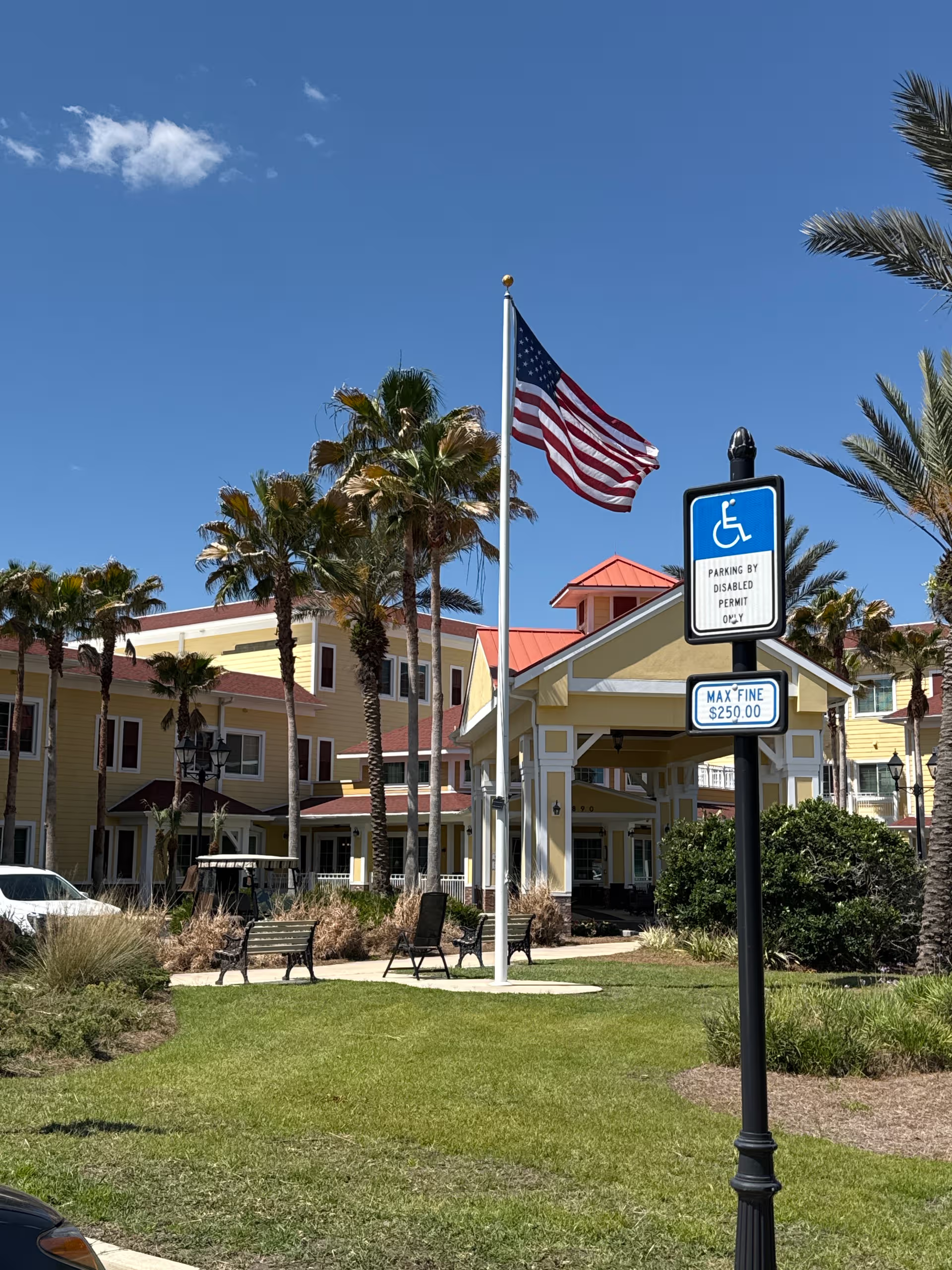
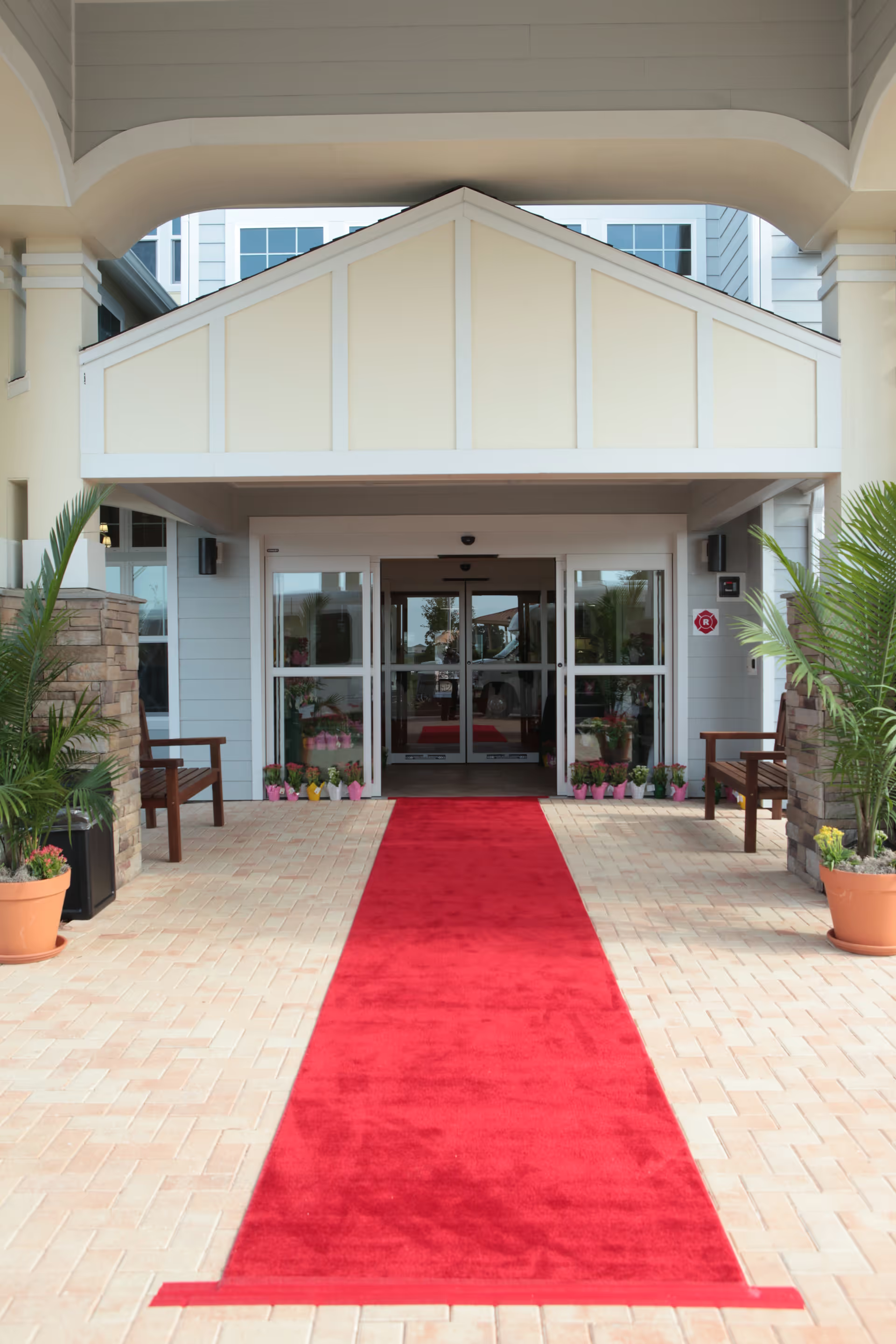
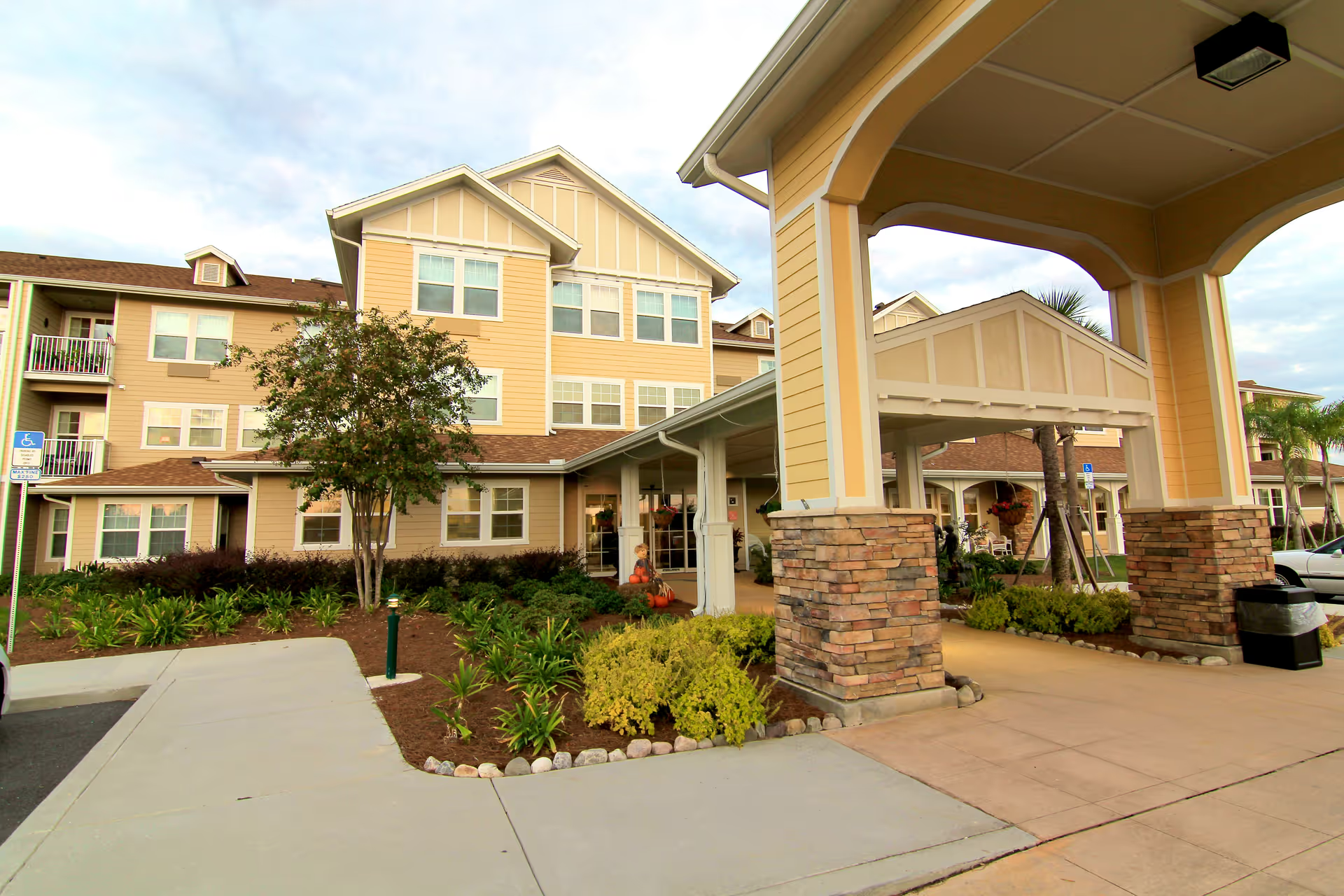
Sumter Senior Living presents as a large, relatively new campus with many resort-like features and a broad set of services. Strengths cited repeatedly include a modern, well-maintained facility and attractive grounds; abundant on-site amenities such as a pool, fitness center, salon, and access to nearby golf and community resources; and a robust activities calendar that includes live music, trivia, outings and many resident clubs. Dining is frequently described as restaurant-style with multiple meal choices and accommodations for some special diets, and the community offers flexible dining hours and a 24-hour café/snack option. Tours and marketing staff are generally noted as informative and helpful.
Care quality evaluations are mixed. Numerous families and residents praise compassionate, attentive nurses, CNAs and therapy staff and highlight strong on-site rehabilitation services and moments of individualized attention. However, other accounts point to inconsistent caregiving related to staffing shortages and turnover, slow response times to call buttons, and variability in clinical oversight. Several comments raise concerns about medication-administration processes and the reliability of routine checks and wound or transfer support; these patterns suggest uneven staffing coverage and training in clinical areas, particularly during weekends or overnight shifts.
Operational and service issues are another recurrent theme. While housekeeping and laundry are available, reviewers describe lapses in laundry management and missing items, along with unit-level cleanliness and odor concerns in specific rooms that required follow-up. There are also references to pest-control concerns and plumbing problems that affected hot water in some units. Communication and administrative processes show variability: some families report proactive, accessible leadership and quick correction of issues, while others experienced billing and invoicing errors, unclear follow-up, and promises that were not consistently fulfilled. Security practices and certain maintenance items (e.g., slippery showers, uneven floors, unlocked side doors) were identified as areas needing attention.
Dining and activities are generally strong points but not uniformly so. Many residents enjoy the food, themed events, and the social opportunities created by communal dining and outings; at the same time, reviewers raise concerns about inconsistent meal quality, server training, and dietary accommodations for low-sodium or specific preferences. The activity program is broad and energetic, though some families request more challenging or more frequent clinical check-ins and more stimulating cognitive programming for higher-acuity residents.
Taken together, the pattern that emerges is one of a facility with substantial physical and programmatic assets and many dedicated, conscientious staff members, coupled with operational variability that affects resident experience in some care areas. Independent living residents frequently report higher satisfaction with amenities and social life, whereas assisted- and memory-care families cite greater sensitivity to staffing, clinical oversight, and unit-level cleanliness. Prospective residents and families should weigh the community’s amenities, dining and activity strengths against the documented variability in staffing consistency, clinical processes, communication, and unit maintenance; direct conversations with leadership about staffing ratios, medication-safety protocols, housekeeping standards, and escalation/communication procedures are advisable before commitment.