Reviewer feedback for Venice Health and Rehabilitation Center is highly mixed, with distinct clusters of positive experiences alongside persistent operational concerns. Many families and patients describe compassionate, skilled bedside staff, effective rehabilitation services, and clear communication from particular administrators and social-service personnel. Physical and occupational therapy are frequently cited as strengths, with measurable functional improvements for some residents; the facility's implementation of osteopathic manipulative treatment (OMT) and related Medicare coverage was highlighted as a unique, holistic offering.
At the same time, multiple accounts describe inconsistent day-to-day care processes. Common themes include delayed responses to call lights, variability in bathing and toileting assistance, and gaps in medication administration and monitoring. Reviewers also raised safety-related issues such as falls, transfer challenges, and pressure-injury prevention concerns. Specific clinical-process areas that drew negative attention include catheter management and infection-control follow-through.
Dining and activities receive mixed evaluations. Several reviewers praised tasty, nutritious meals, friendly dietary staff, and sociable dining experiences. Conversely, others reported inconsistent meal temperature, occasional poor presentation, and gaps in the regularity of organized activities. The social and recreational program appears to vary by unit and by time period; some residents were engaged and formed friendships, while others described limited or infrequent programming.
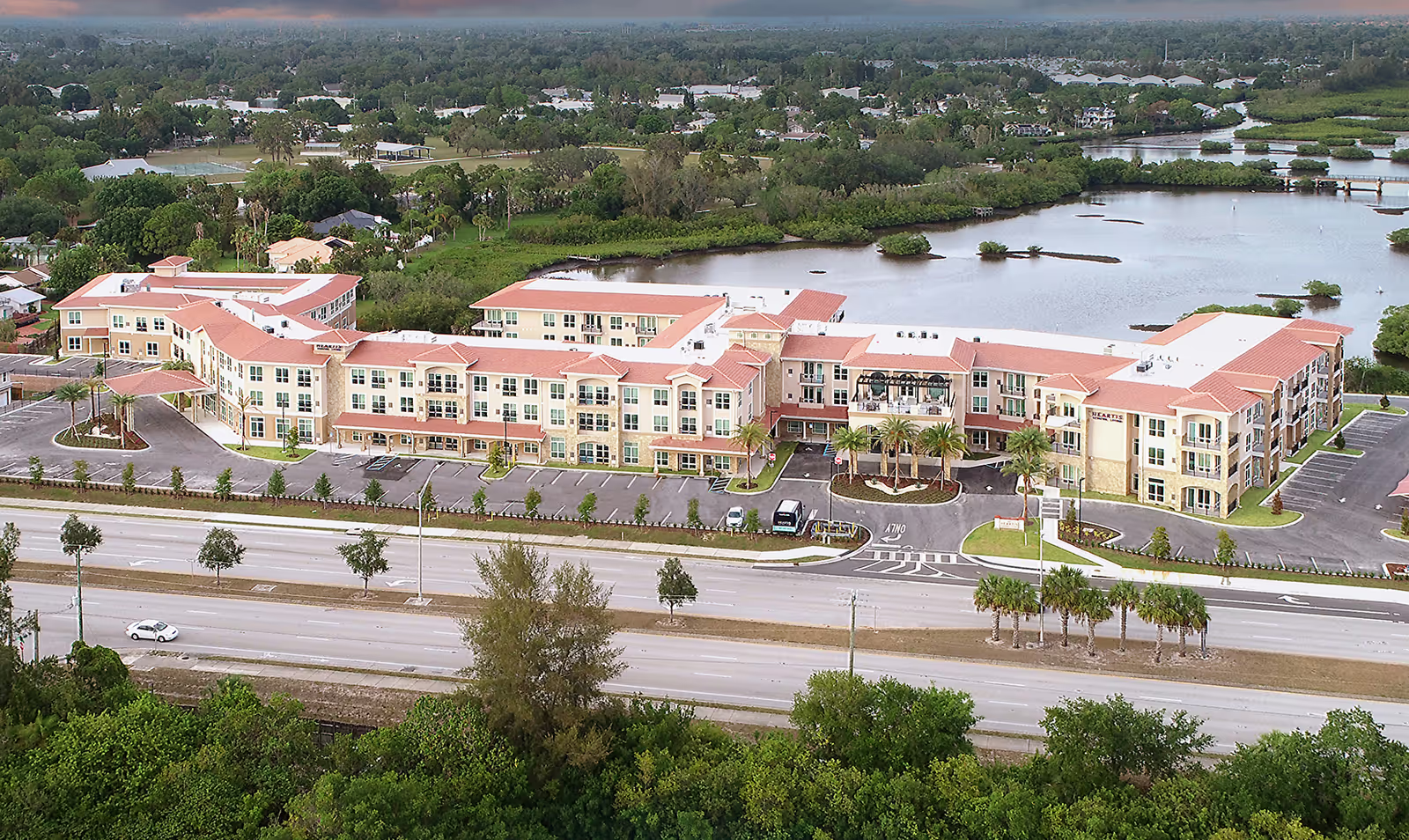
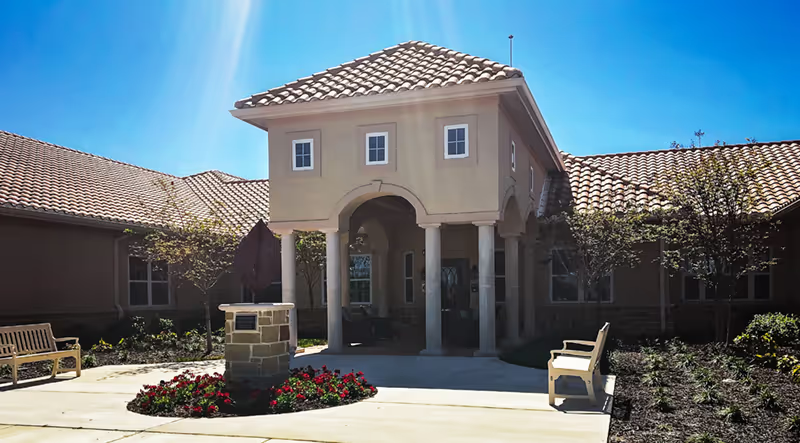
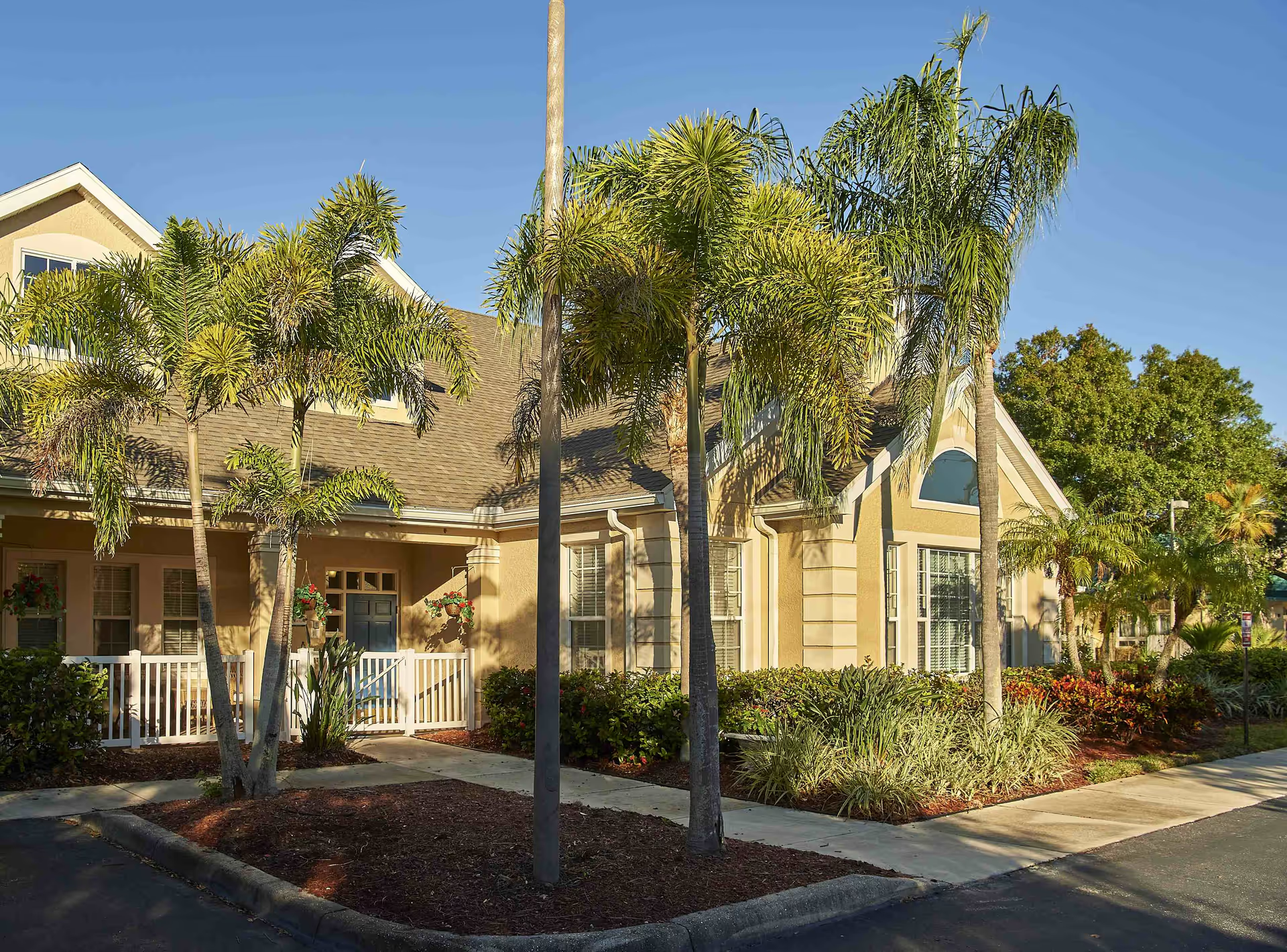
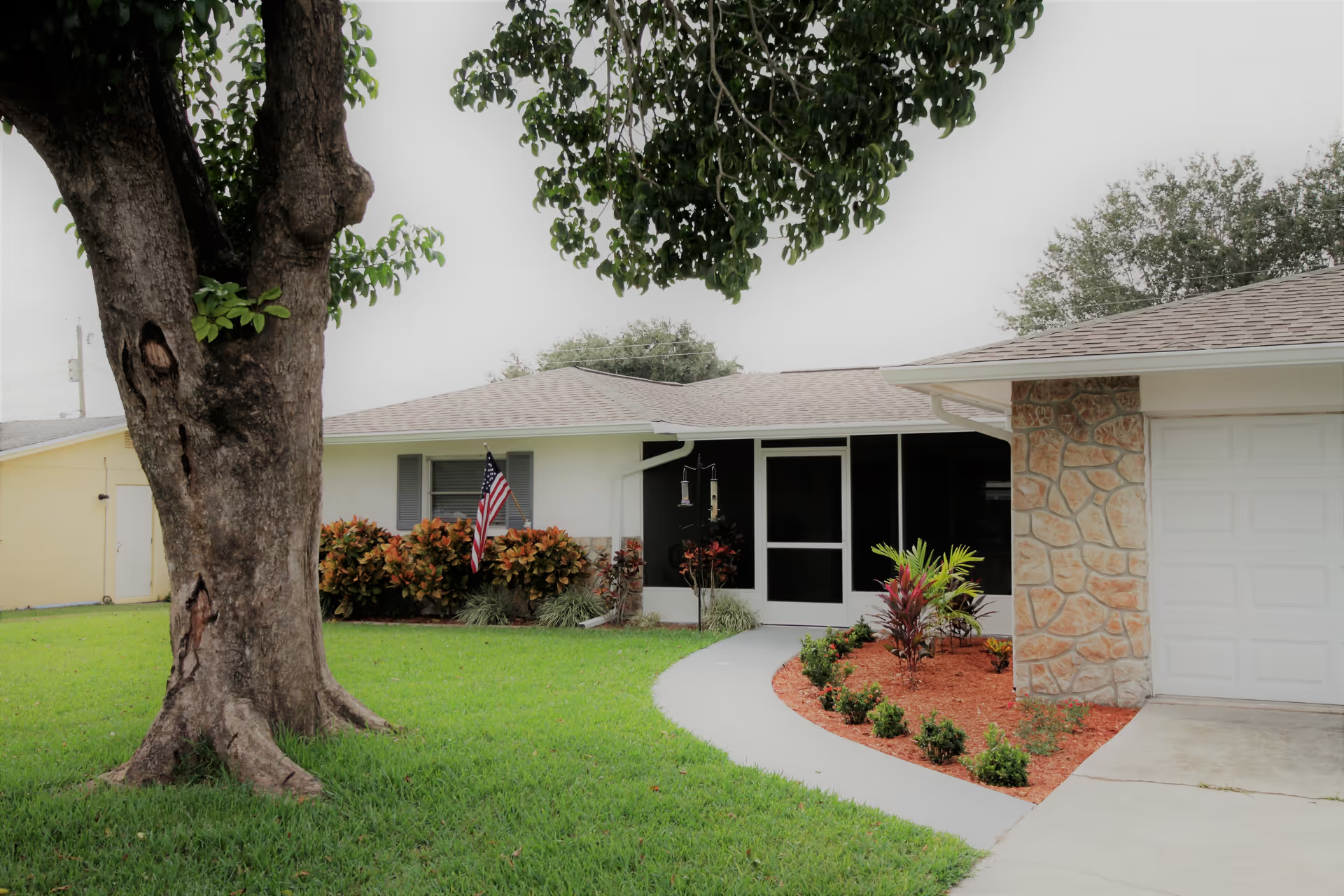
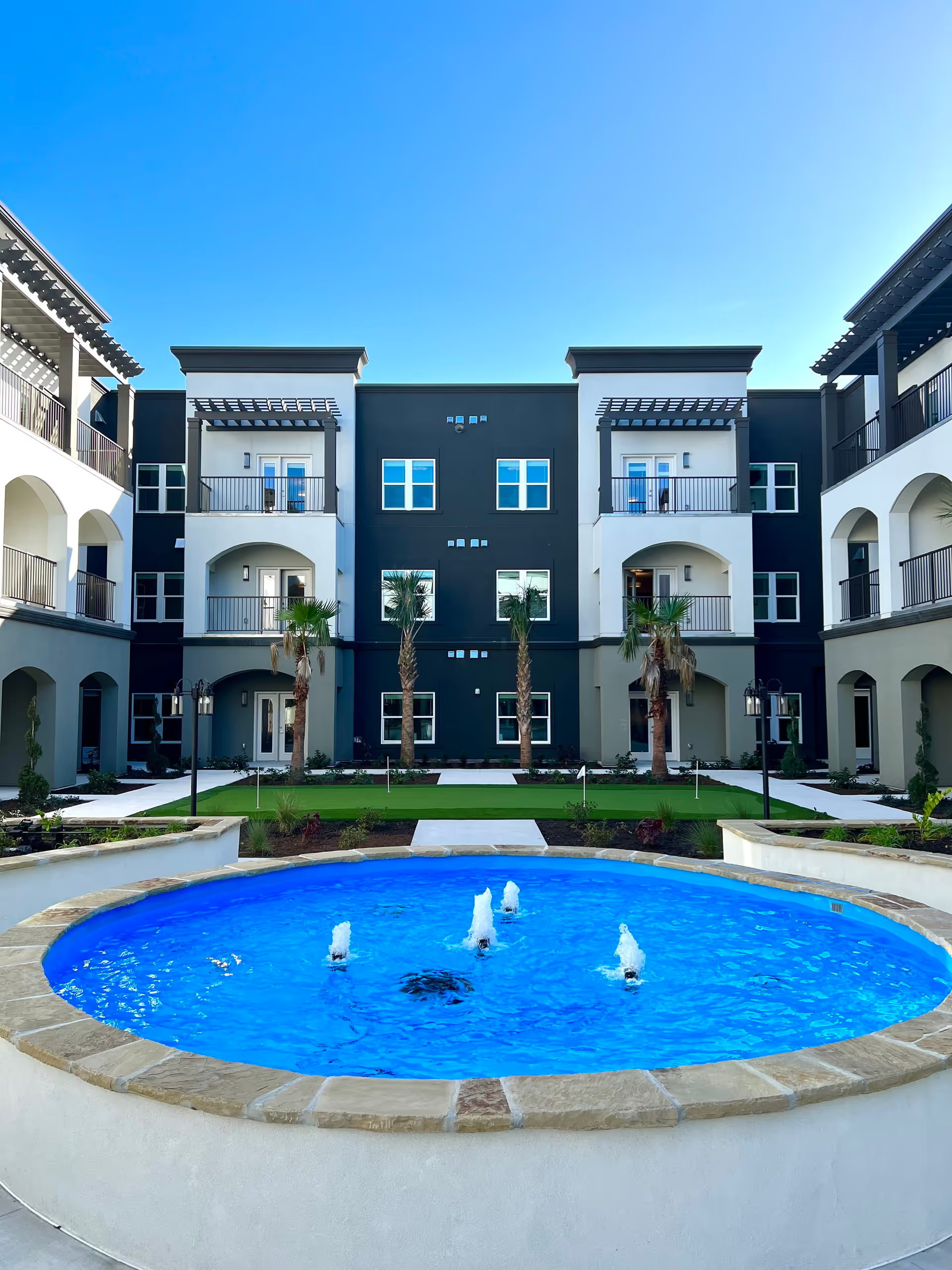
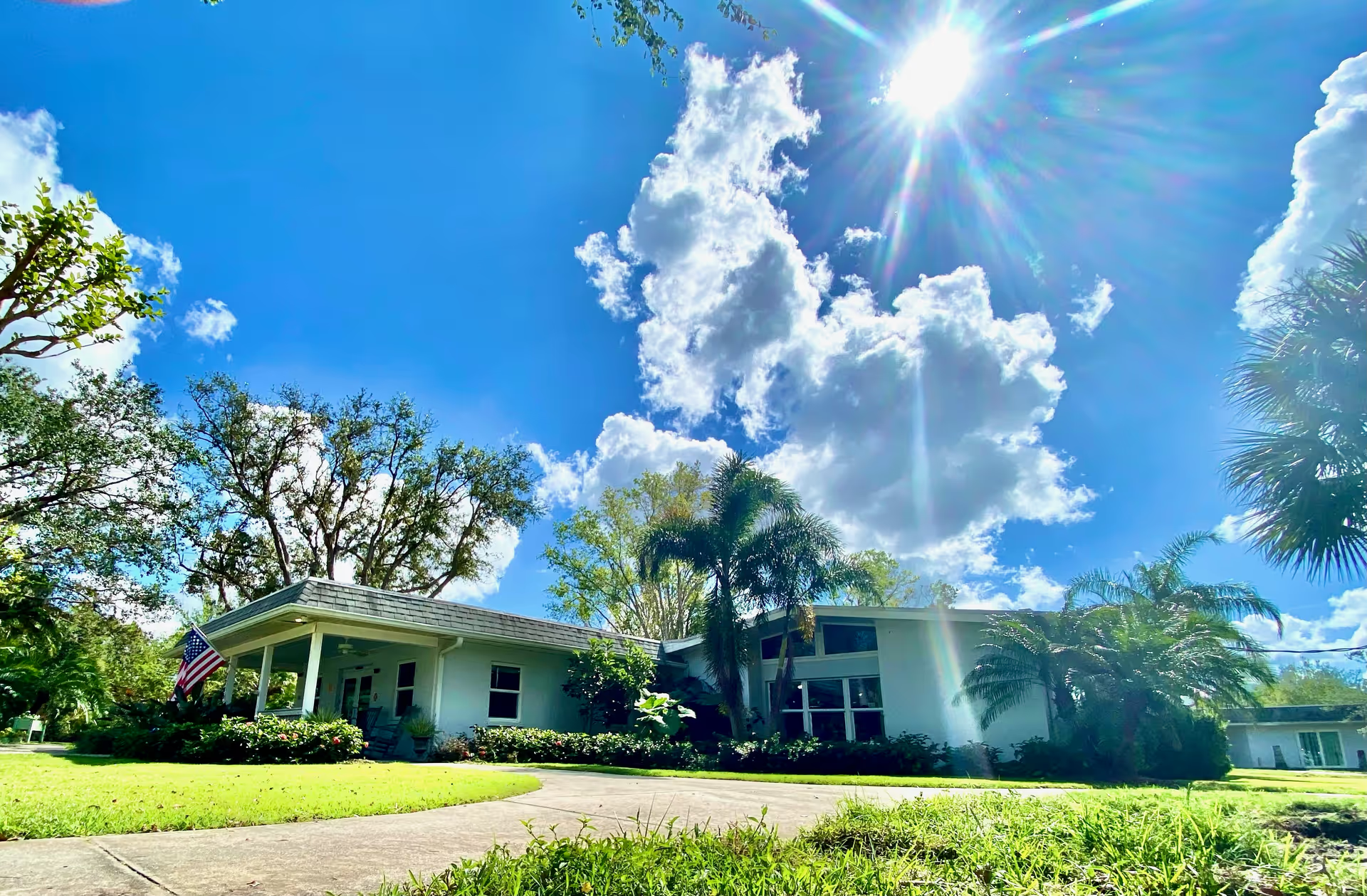
Facility condition and housekeeping feedback is also divided. Positive accounts note an orderly, welcoming environment, a pleasant courtyard and community room, and responsive maintenance. Negative accounts indicate inconsistent cleanliness, laundry process issues, and an aging physical plant that can appear rundown in places. Security and property-handling concerns were raised in some reviews, along with one cluster of serious financial and property-handling complaints; there are allegations of theft and billing/payroll irregularities that prospective families may wish to investigate further.
Management and culture appear variable. Several reviewers singled out individual leaders and clinicians for excellent communication, rapid problem resolution, and hands-on engagement. Others described inconsistent administrative follow-through, low staff morale, and lapses in family notification—particularly around significant clinical events and end-of-life periods. These polarizing impressions suggest that experiences can differ substantially depending on unit, shift, and individual staff on duty.
For prospective residents and families: the facility offers genuine strengths in rehabilitative therapy, resident-focused nursing, and some strong administrative engagement, but it also demonstrates recurring operational weaknesses in staffing consistency, responsiveness, clinical-process controls, and facility upkeep. When considering placement, families may find it useful to observe staffing at different times of day, ask about staffing ratios and call-response metrics, review protocols for catheter and infection management, inquire about laundry and billing procedures, and speak with current families about day-to-day activity programming and communication practices. Reviewing state inspection records and requesting documentation of corrective actions can provide additional objective information to complement firsthand observations.