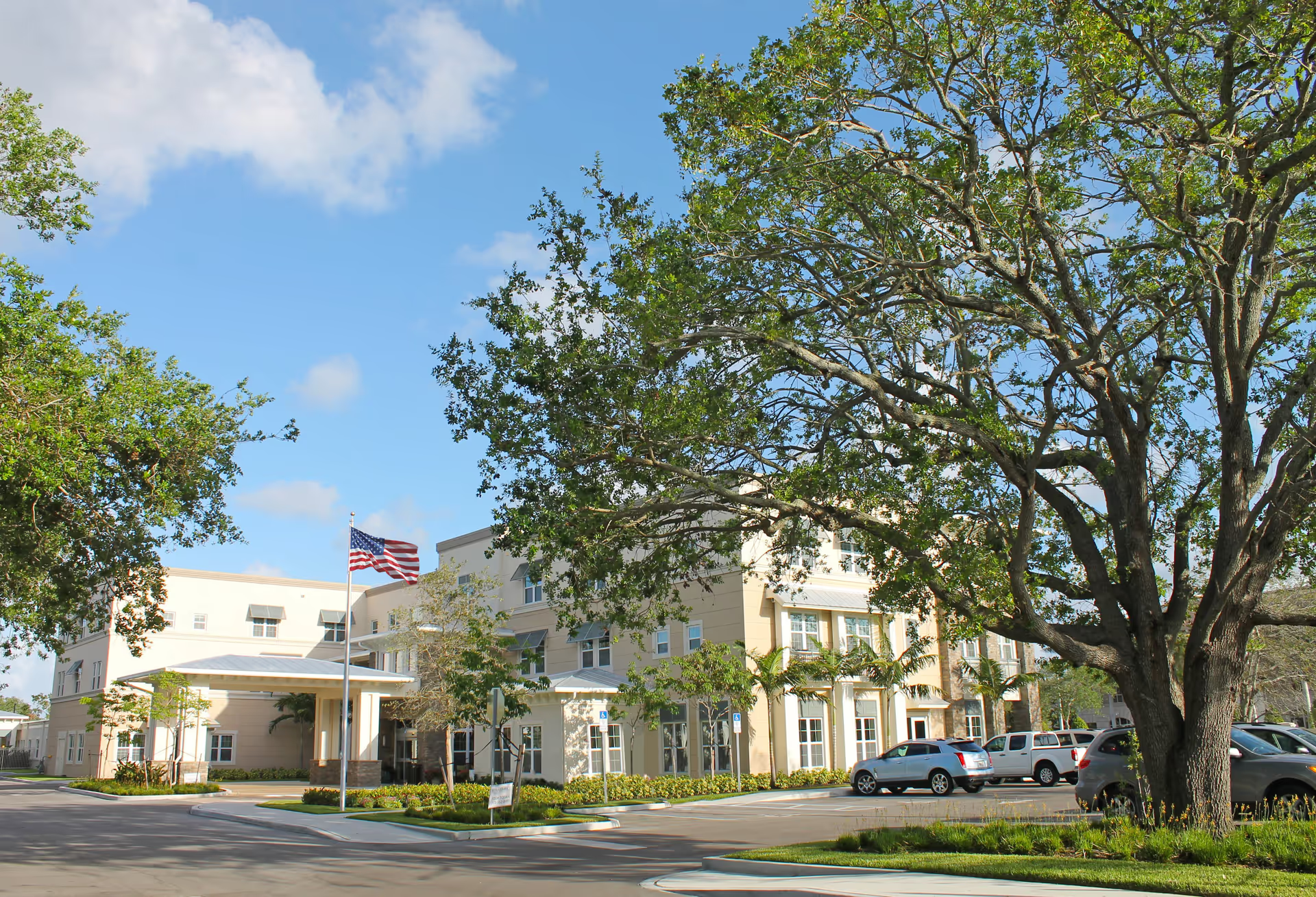
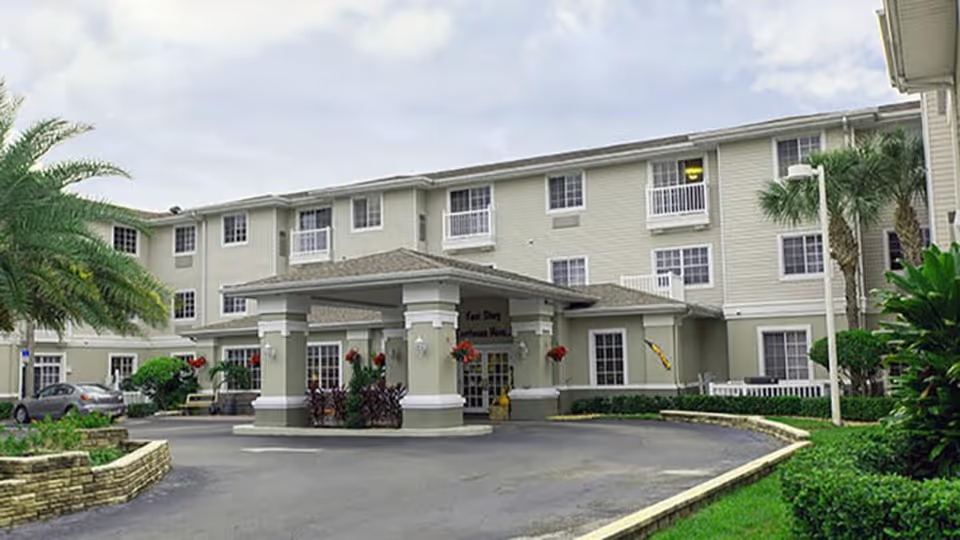
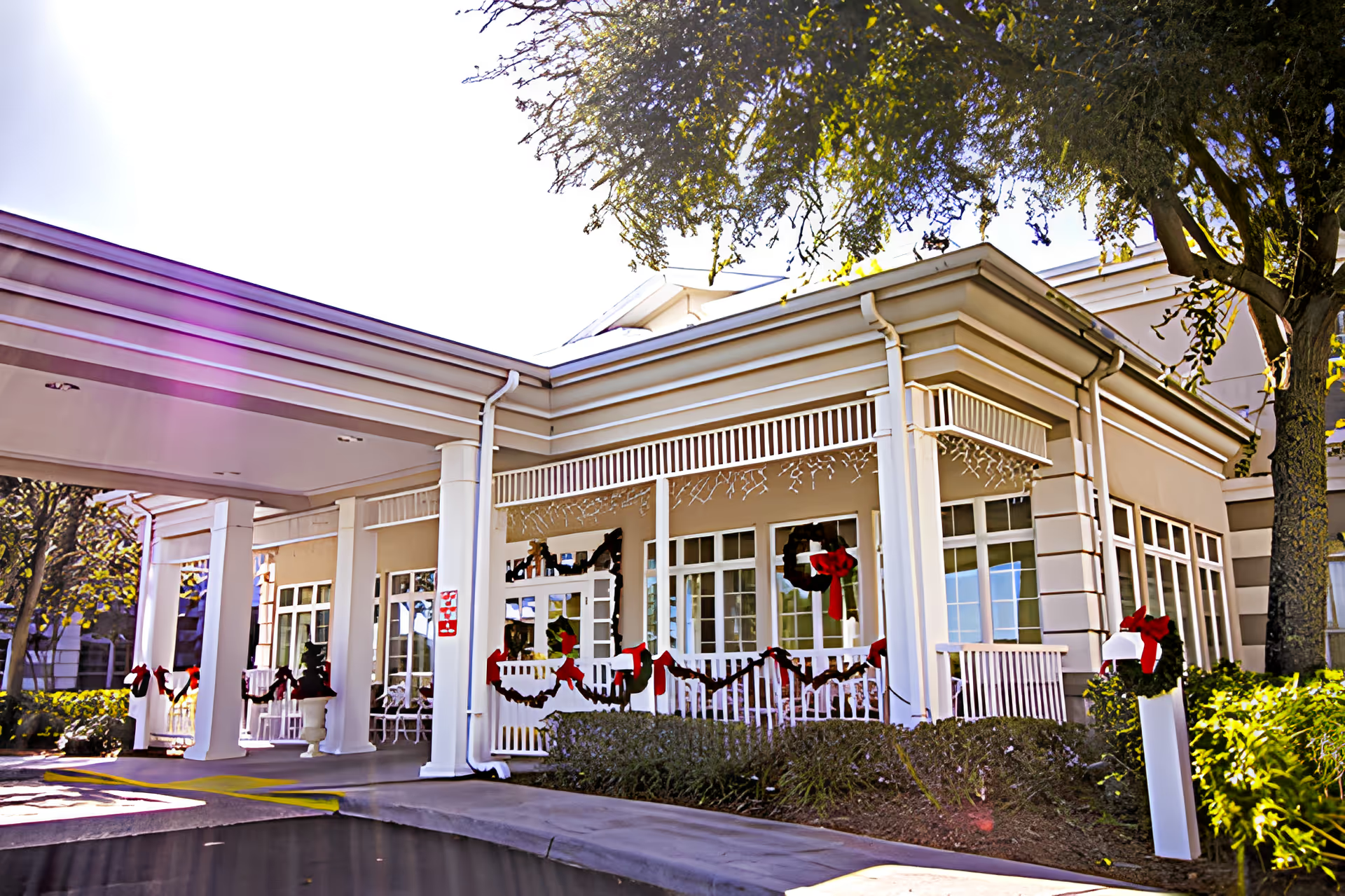
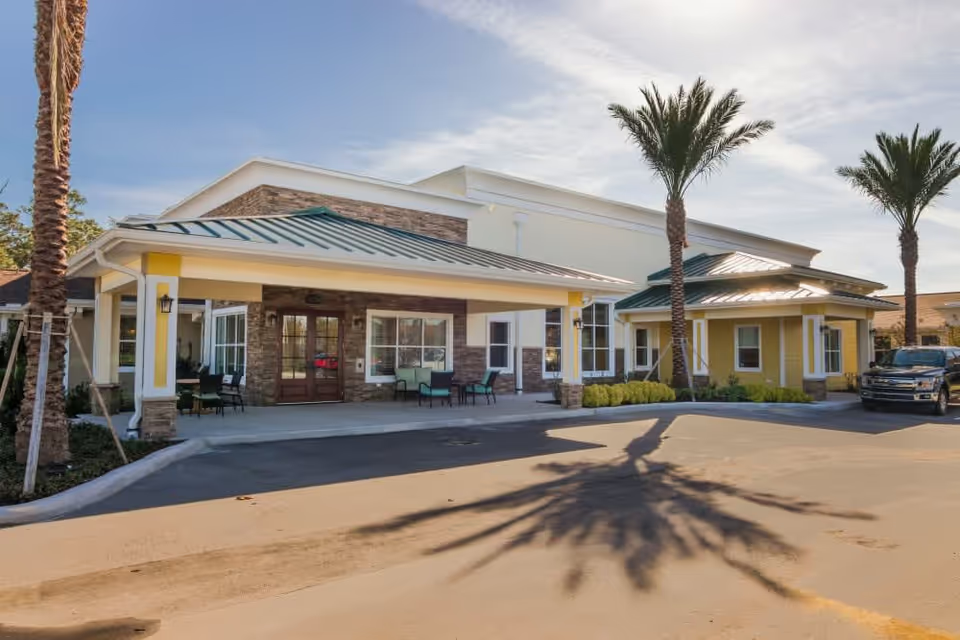
Overall impression Brookdale Vero Beach South presents as a small, single-floor community with a homelike atmosphere, apartment-style living options, and a strong emphasis on personalized care. Many families highlighted the friendliness and attentiveness of direct-care staff, nurses, and the activities team; physicians and office staff are described as accessible and cooperative during transitions. The community’s layout—studios and one-bedroom apartments with kitchenettes, a central courtyard, and easy navigation—suits residents who prefer a smaller, less institutional setting.
Care and staff Clinical care and front-line caregiving receive frequent positive mention: skilled nurses, caring aides, and an engaged activities director were repeatedly noted. At the same time, reviewers identified important operational weaknesses. Staffing levels are inconsistent, with particular concern about overnight coverage and high turnover; these issues correlate with delayed responses, variable housekeeping follow-through, and family concerns about supervision. A serious allegation regarding staff conduct was raised in at least one account and reportedly resulted in employee termination; this, together with communication breakdowns around medications and clinical updates, suggests prospective families should clarify staff supervision, incident response protocols, and medication-management procedures prior to admission.
Dining and activities Dining is generally described as good, with attentive kitchen staff, customizable options, and accommodation for texture-modified diets. However, several reviewers found the food bland or commercialized at times and noted limited menu variety. Activity programming is broad on paper—exercise, music, storytelling, bingo, outings, and personalized one-on-one engagement—but reviewers describe inconsistent participation and delivery: some residents are described as well engaged, while others appear under-stimulated and scheduled activities do not always occur as planned. Memory-care programming receives positive notes for personalized engagement, but families should evaluate actual activity frequency and participation for the relevant care level.
Facilities and operations The physical campus has strengths and limitations. Positives include pleasant outdoor areas, a central courtyard, and generally clean common spaces. Many families appreciated the small community scale and single-level design. Conversely, the building shows signs of aging for some reviewers—cosmetic wear, ongoing renovations, and small apartment footprints (some as small as ~350 sq ft). Housekeeping consistency varies across units; while many praised cleanliness, others reported lapses in apartment cleaning. Administrative areas of concern include reported billing discrepancies, price increases tied to higher care needs, and occasional aggressive admission/sales approaches. Infection-control adherence improved after early COVID challenges according to some comments, but historical variability was noted.
Notable patterns and considerations for prospective families The pattern across reviews is one of strong, compassionate frontline staff and a small-community feel, paired with operational inconsistencies that affect experience: staffing ratios and turnover, housekeeping reliability, activity follow-through, dining consistency, and transparency around billing. Safety-related themes (falls, transfer readiness, medication communication, and one serious conduct allegation) are not pervasive in every account but are significant enough that families should address them directly during a tour.
Recommended due diligence Prospective residents and families should (a) ask for current staffing ratios by shift and turnover statistics, (b) review housekeeping schedules and sanitation protocols, (c) observe an activity period to gauge participation, (d) sample menus and ask about menu rotation and special-diet processes, (e) request written policies on incident investigation and staff supervision, (f) clarify billing practices and projected care-cost increases, and (g) confirm medication-management and communication workflows. These steps will help determine whether the facility’s strengths align with the prospective resident’s needs and where operational gaps might require mitigation.