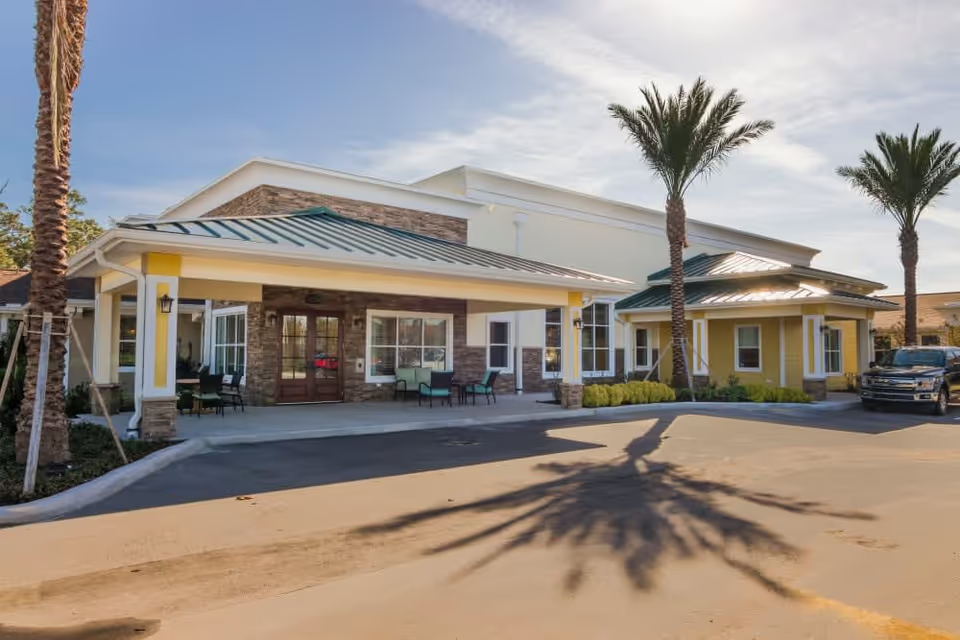
The reviews reflect a starkly mixed set of experiences at this skilled nursing and rehabilitation center. Positive accounts emphasize strong rehabilitation services, compassionate caregiving, and a facility that is described as modern and well equipped. Several families praised therapists for attentive, goal-directed therapy that facilitated a return to home, and long-term residents and their families described close, supportive relationships with staff over extended stays.
At the same time, a number of reviewers described serious operational and clinical concerns. These include inconsistent nursing responsiveness, delayed recognition of acute changes in condition, and difficulties coordinating emergency transfers. Several comments point to gaps in clinical monitoring and escalation pathways — for example, concerns about respiratory/oxygen management and the timeliness of interventions. Reviewers also raised issues with skin-care and wound management and with maintaining resident comfort and temperature control.
Staffing and communication appear uneven. Many reviewers singled out individual employees and managers as caring and effective, and noted staff who went above and beyond; others described variable performance between shifts and difficulties obtaining clear, timely updates from staff during clinical incidents. Management presence and facility upkeep were noted positively, but family-communication processes and clinical-incident escalation protocols emerge as areas needing more consistency.
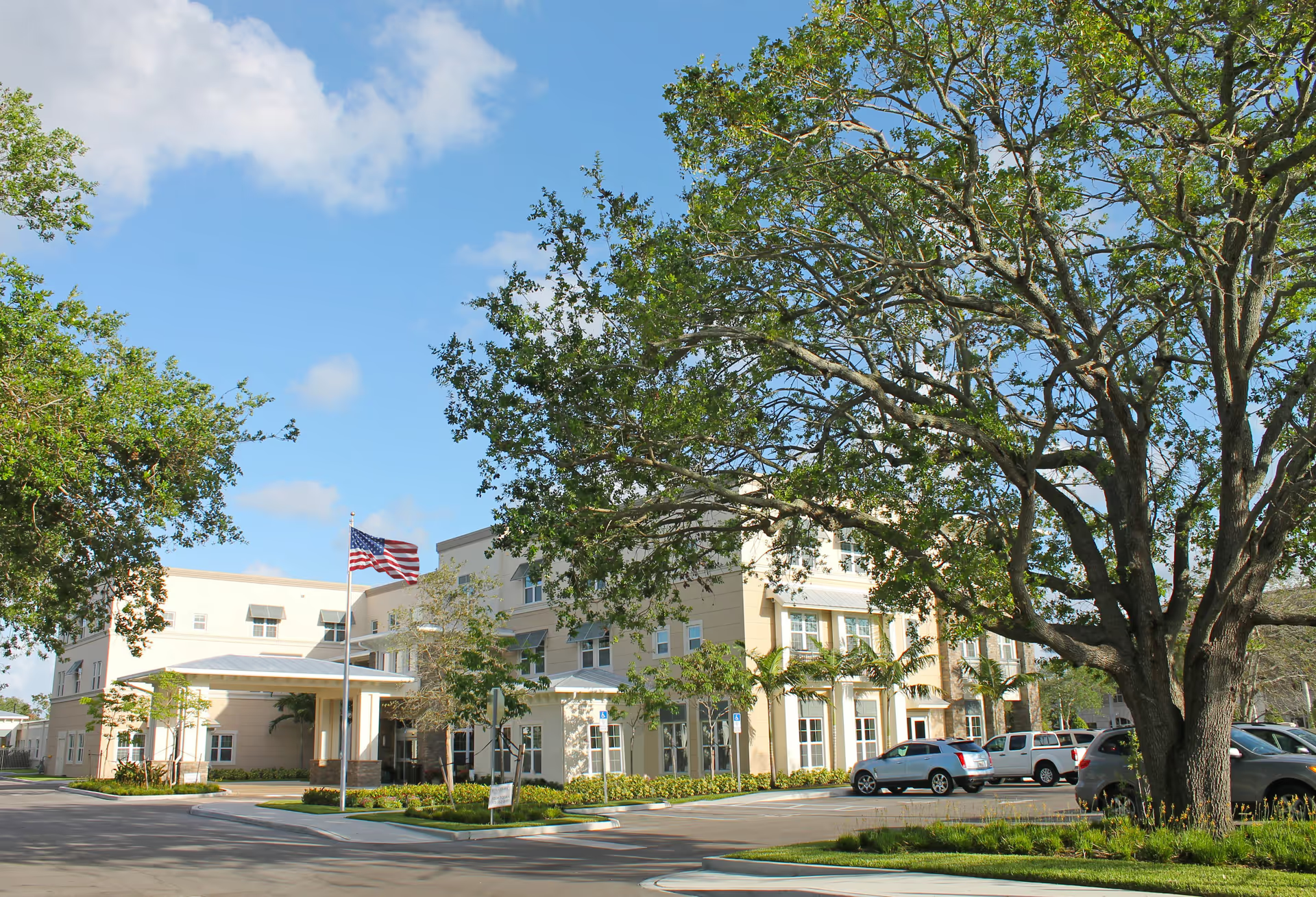
Dining and therapeutic programming received predominantly favorable remarks. Food quality was repeatedly described as good, and therapy services were credited with measurable functional gains. The facility's physical plant is described as modern and up-to-date, which supports rehabilitation and longer-term stays.
Overall, the pattern is one of polarized experiences: the center can deliver high-quality rehabilitation and compassionate long-term care, but there are recurring operational weaknesses around nursing responsiveness, clinical monitoring/escalation, emergency-transfer coordination, and consistent family communication. Prospective residents and their families should weigh the strong rehabilitation and dining strengths against these operational concerns, and ask targeted questions about staffing levels, clinical escalation protocols, skin-care practices, temperature/comfort policies, and how the facility communicates during urgent events before making a placement decision.