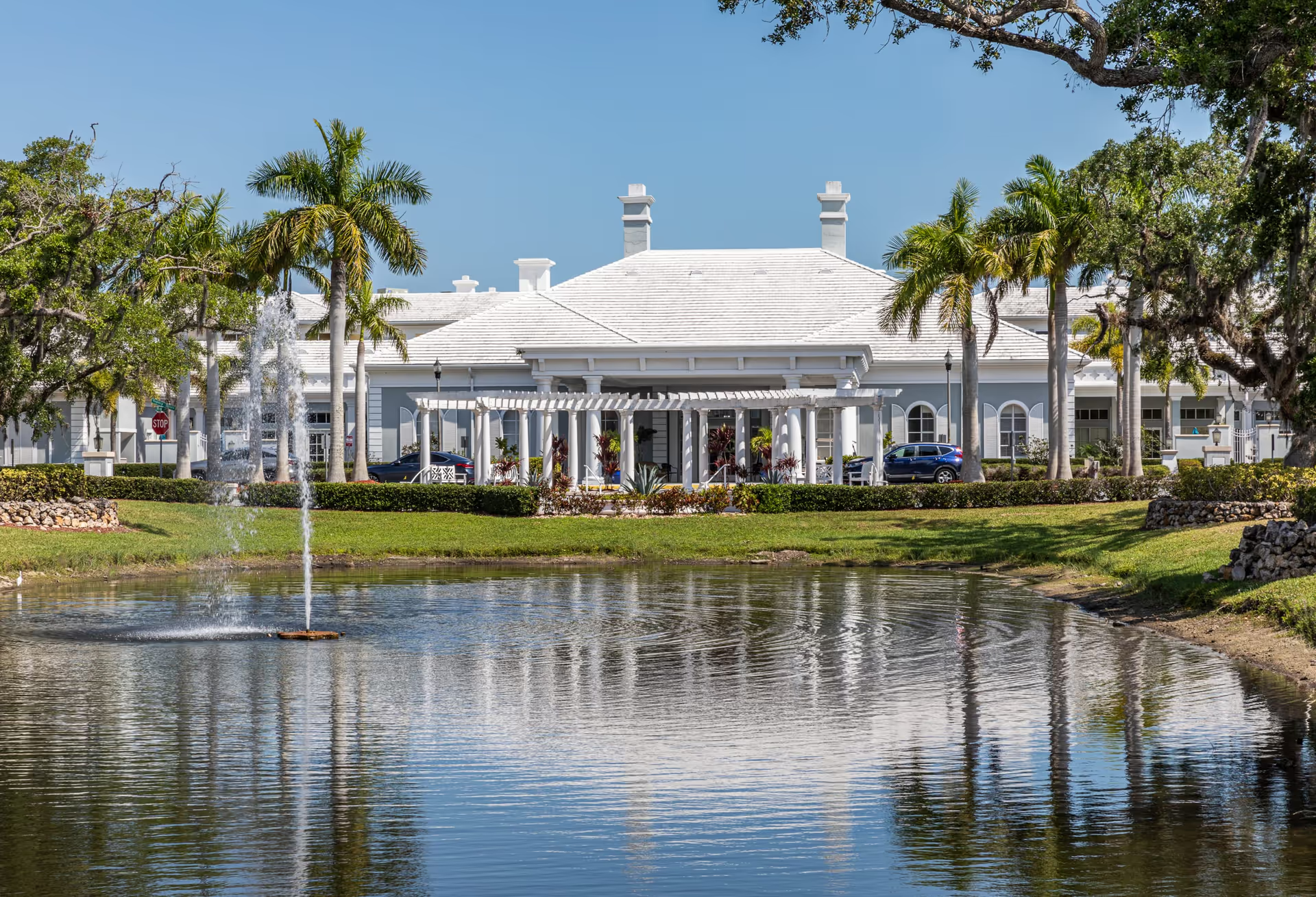
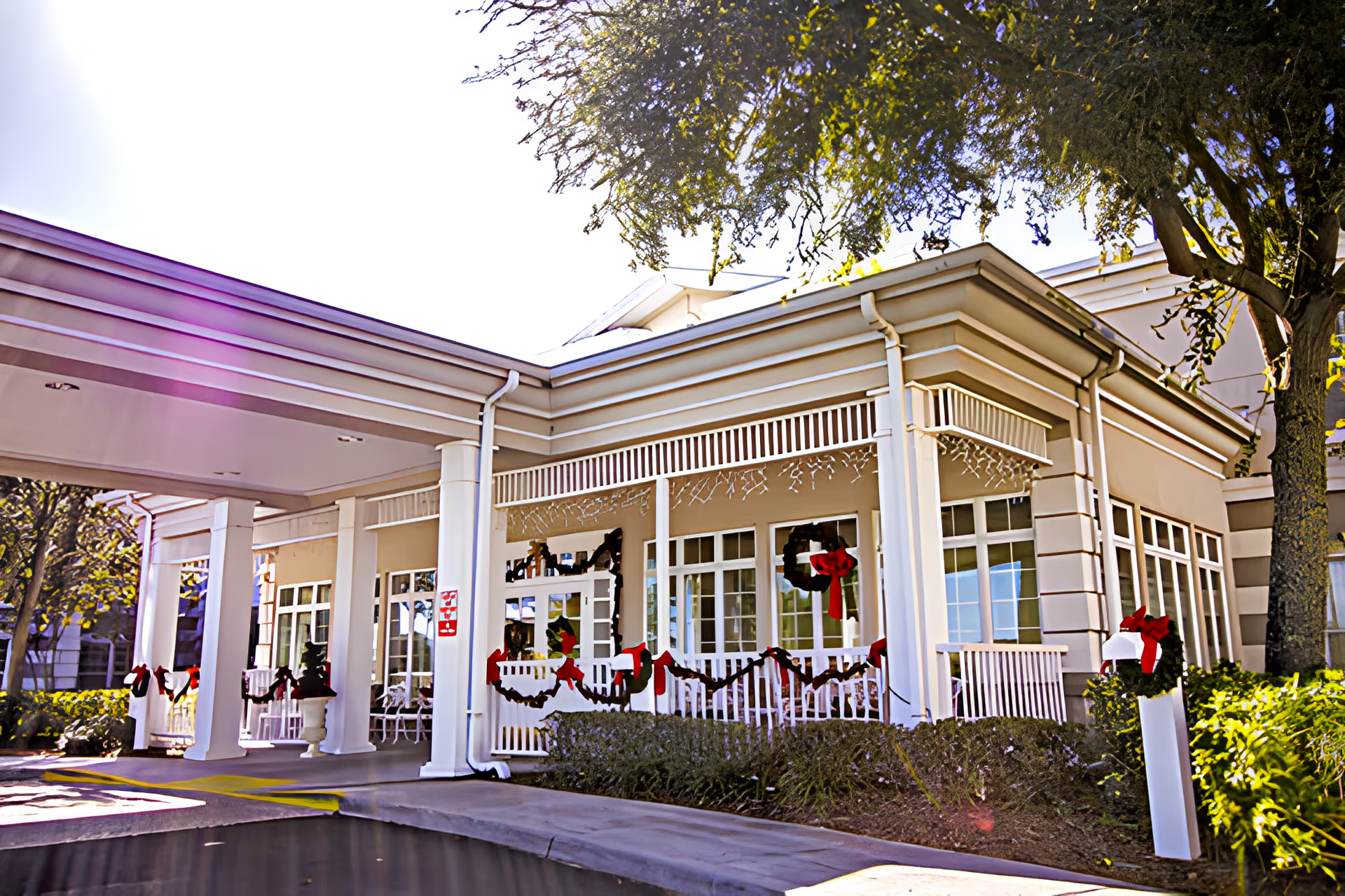
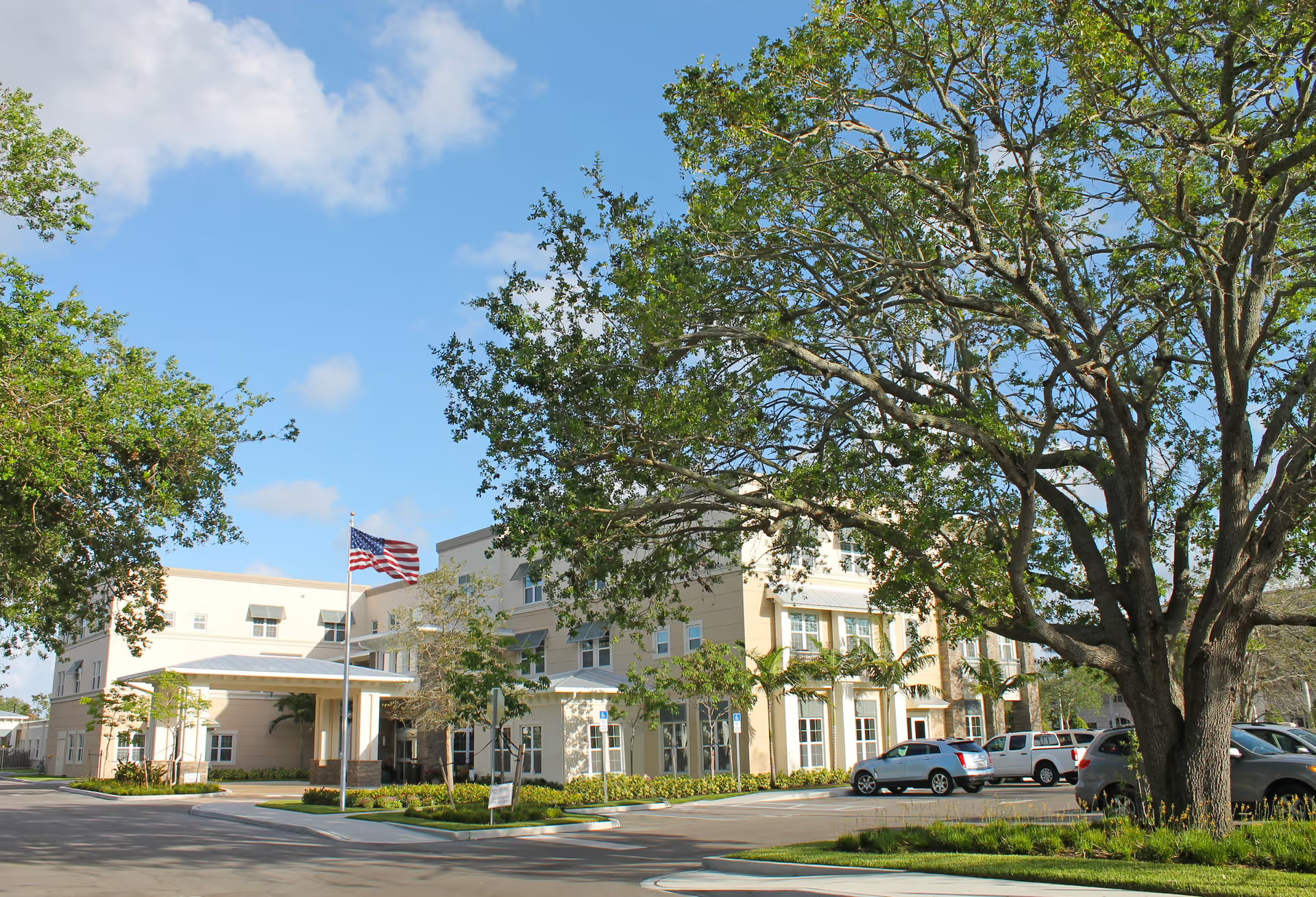
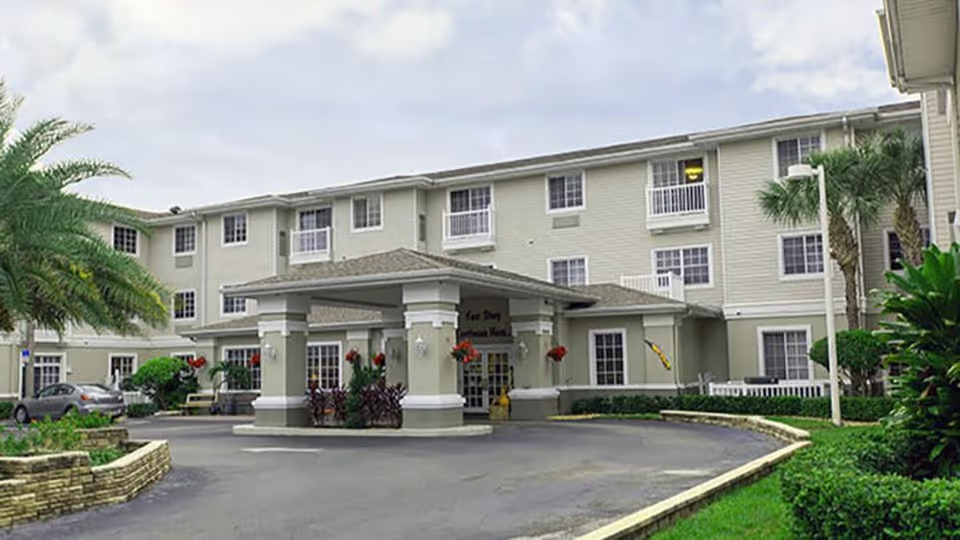
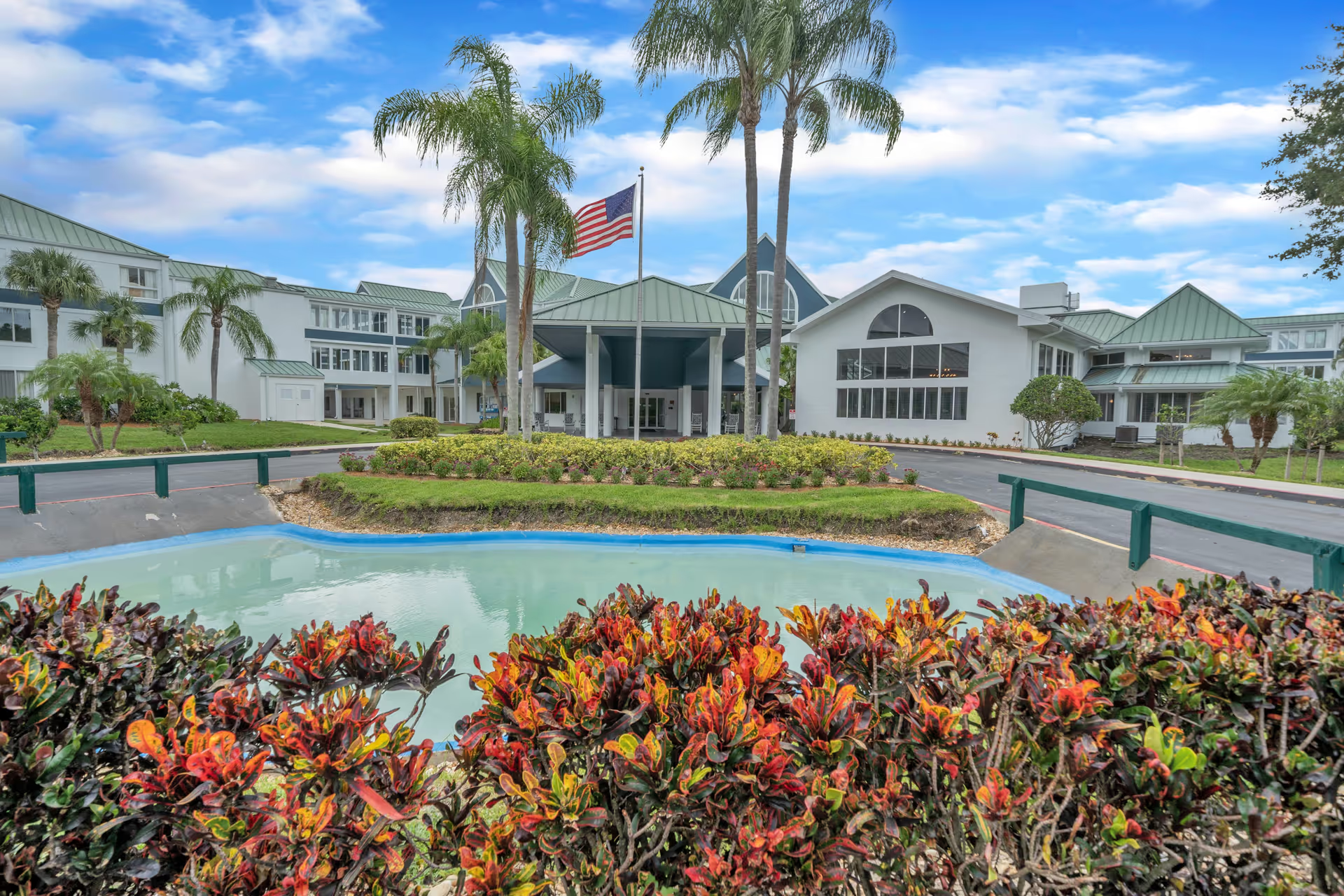
Heron Cove presents as an attractive, well-appointed assisted living and memory-care community with many families highlighting a homelike atmosphere, clean public spaces, and a range of amenities such as a courtyard, craft rooms, musical programming, and inviting dining areas. Memory-care programming and leadership receive repeated praise; families describe engaged staff, creative activities, and frequent photo or video updates that help relatives feel connected. Several reviewers also noted a smooth admissions process and staff who know residents by name, which contributes to an overall sense of warmth and community.
Staffing and care quality are polarizing themes. Numerous accounts commend individual caregivers and memory-care aides for compassion and hands‑on support, and some families report regular bathing, grooming, and attentive one-on-one care. At the same time, there is a clear pattern of variability: reviewers describe periods when staff are stretched thin, responses are delayed, and evening or off-shift coverage appears limited. This variability is reflected in concerns about medication timing, slower assistance with personal needs, and uneven staff conduct across shifts. Families should verify current staffing ratios, on-duty skill mix, and policies for after-hours care when considering placement.
Dining and activities produce mixed feedback. Positive comments emphasize social meals, pleasant dining rooms, and engaging memory-care activities (music, crafts, gardening, outings). Conversely, consistent issues arise around food quality, portioning, wait times, and menu availability; reviewers describe meals being canceled or items unavailable at service times. Activity programming in memory care is generally regarded as strong, but activity offerings for assisted living are sometimes described as repetitive or subject to cancellation. Prospective families may wish to sample a meal, attend an activity, and review the weekly program schedule during a visit.
Facility maintenance and operations show both strengths and weaknesses. Many families find the building clean and well kept, but recurring operational concerns include air-conditioning outages, broken equipment, and housekeeping inconsistencies. There are also references to sanitation and pest-control issues in particular areas and to failures in maintaining safety systems (for example, alarm batteries or door alarms). Additionally, billing and accounting communication have been flagged as an area for improvement, including questions about fees and rent increases. Recent management and ownership changes are described as producing improvement by some families and decline by others; this suggests variability over time that visitors should probe.
Notable patterns for families to consider: the memory-care unit is frequently singled out as a strength with proactive directors and consistent programming; however, assisted-living experiences are more mixed, often hinging on staffing levels and shift coverage. Several reviewers raised serious clinical‑incident concerns and wound- or skin‑care issues; these reflect significant family worries about clinical oversight and incident follow-up. When evaluating Heron Cove, families should observe staff interactions at mealtimes and during care, ask for details on medication and incident protocols, review recent inspection or complaint history, confirm maintenance-response times, and request clarity on billing and supplemental fees. Overall, the community offers many positive features and strong memory-care supports, but operational variability — principally staffing, food service reliability, maintenance, and billing communication — merits close, specific inquiry during a tour and prior to placement.