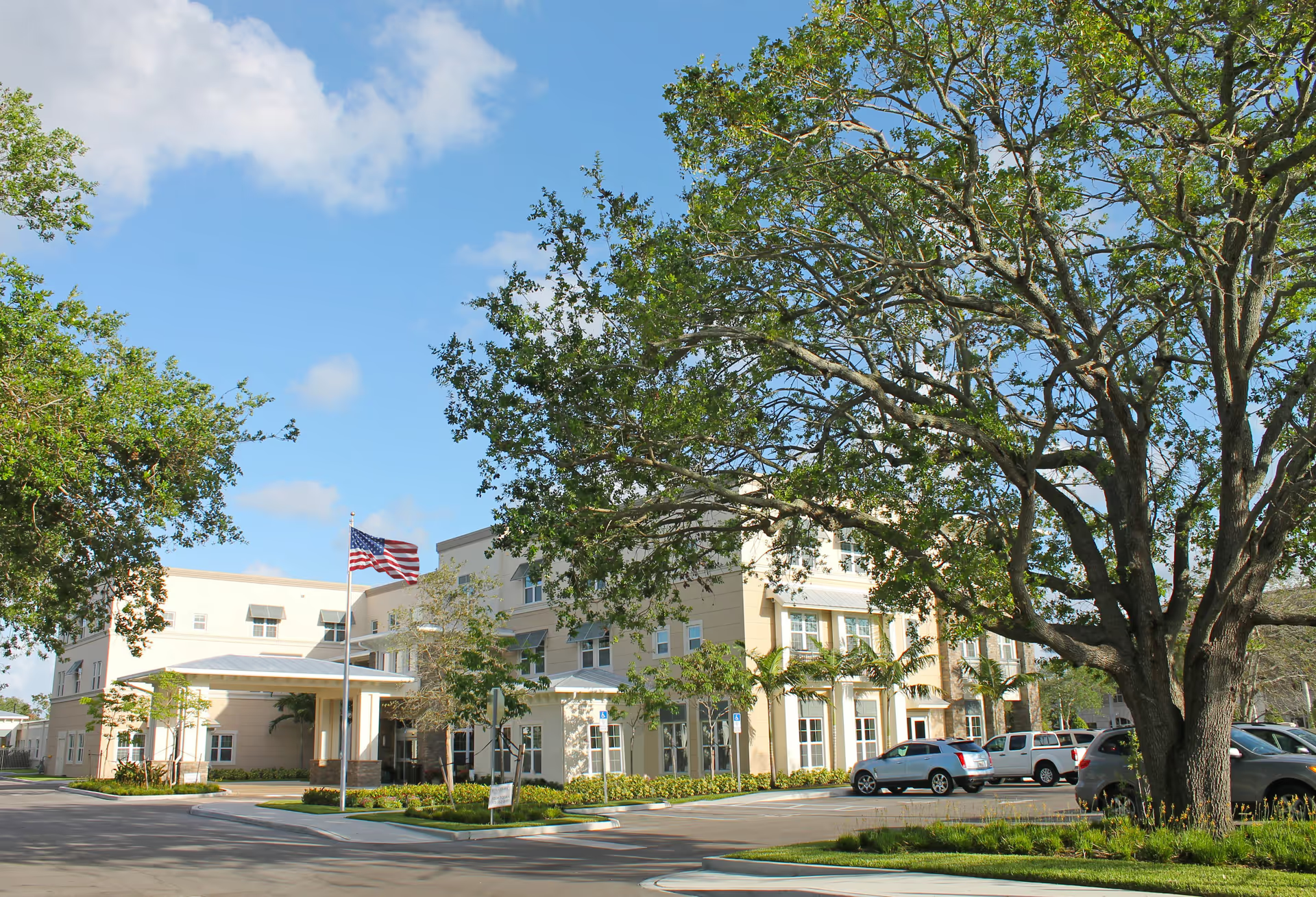
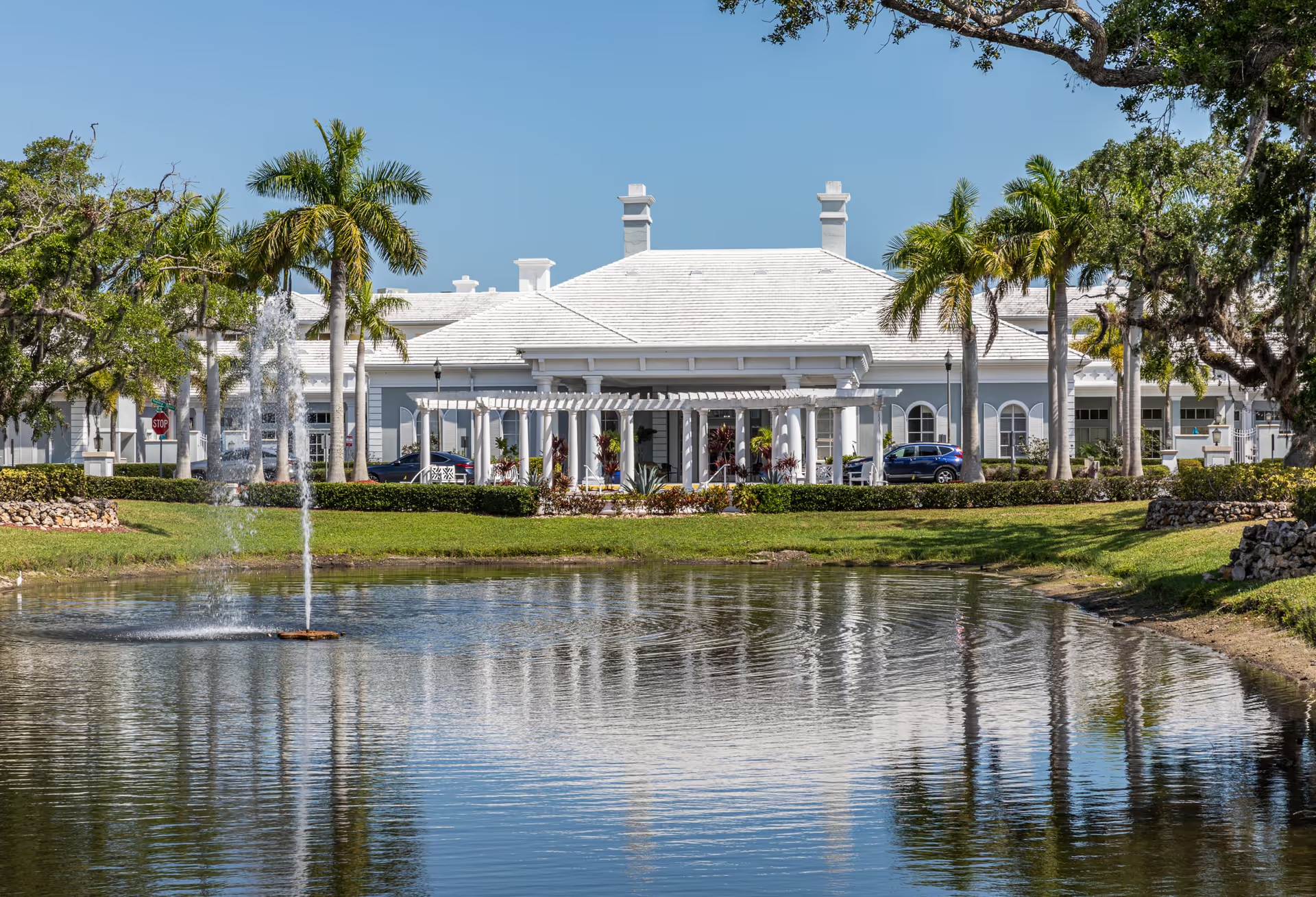
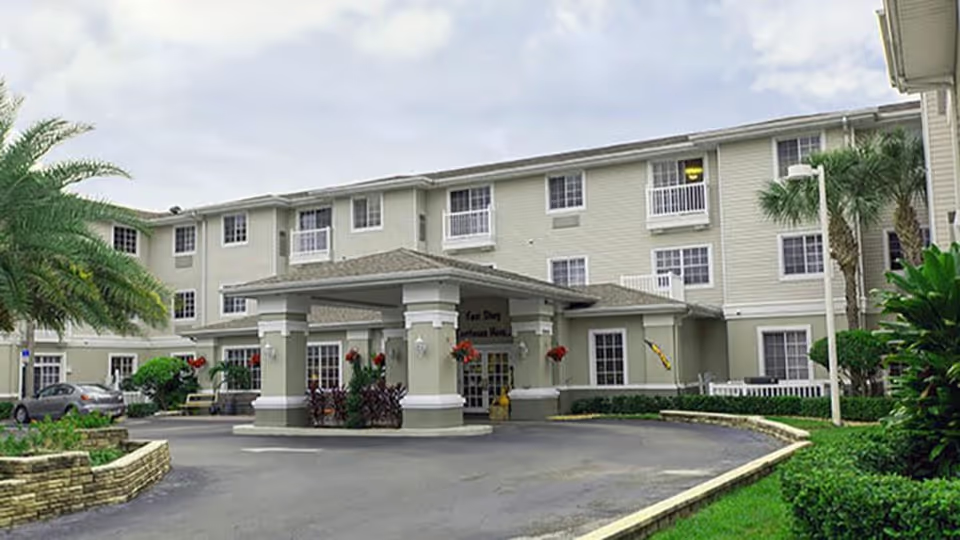
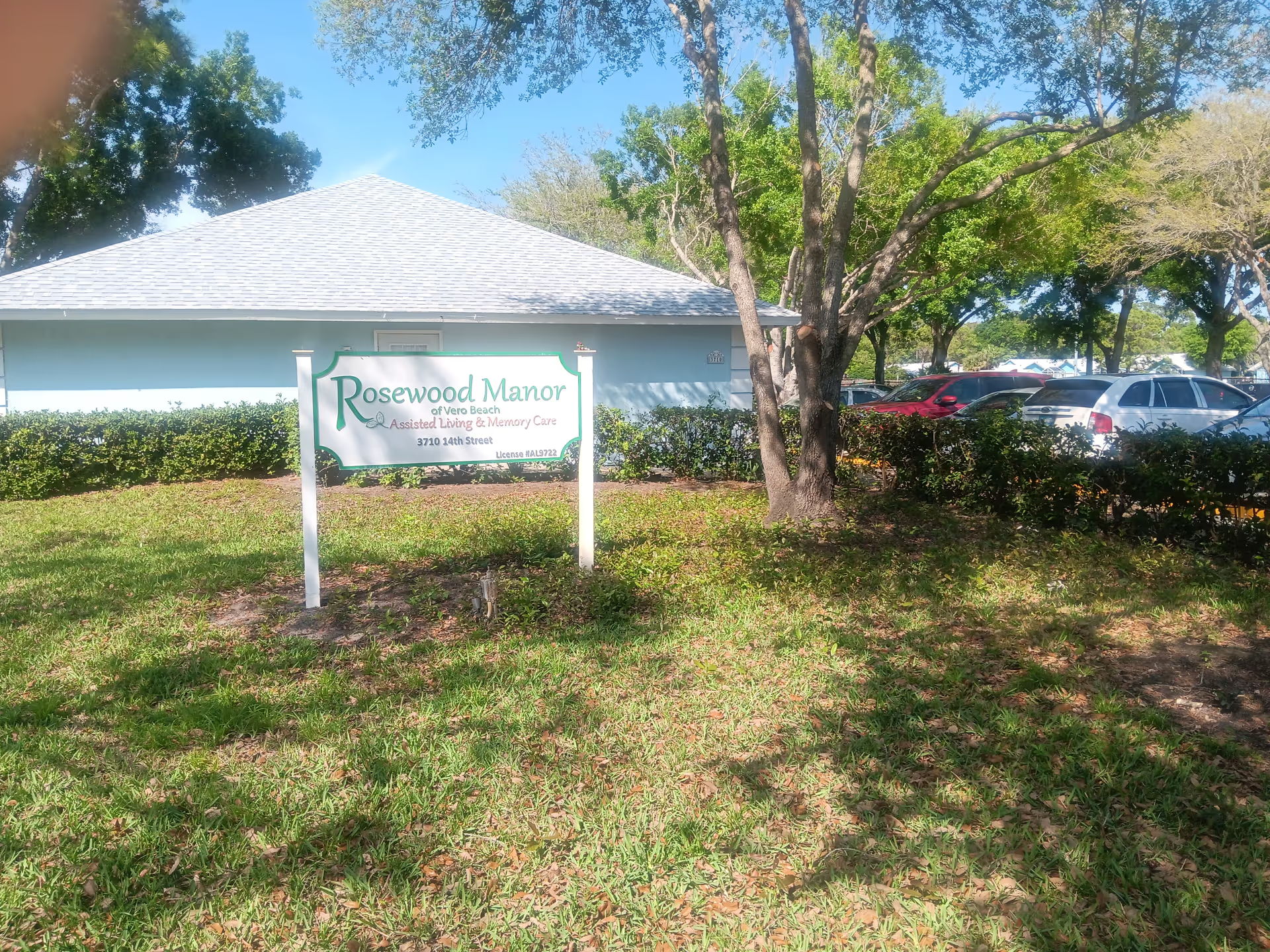
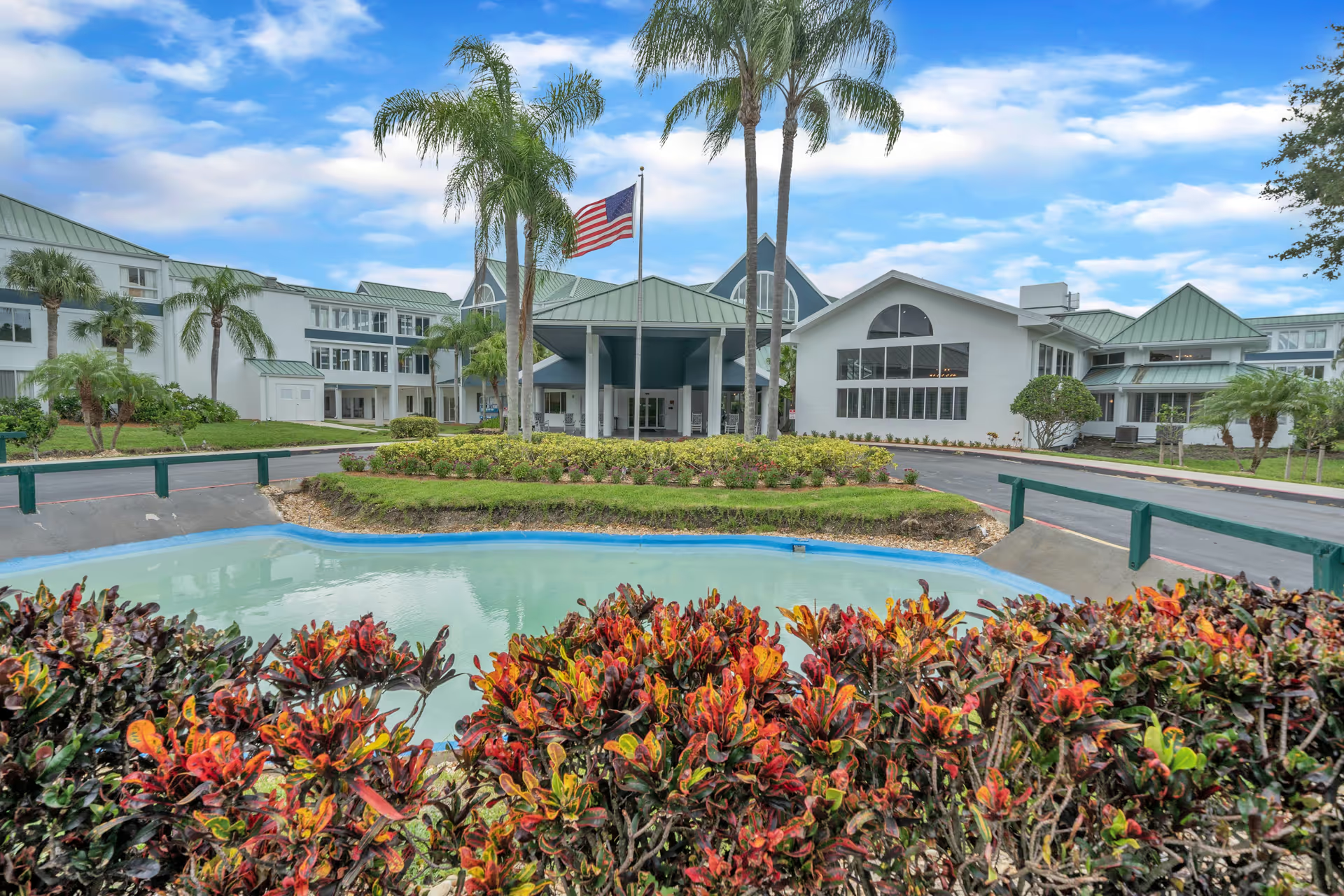
Hidden Lakes presents a mixed but distinct profile: many families and residents praise its compassionate staff, strong therapy services, and the convenience of a full continuum of care on a large, well-kept campus. The community offers a range of housing formats — villas, cottages, and apartments — with single-level and screened outdoor spaces that appeal to those seeking a home-like, low-key environment. On-site amenities commonly highlighted include meal service with delivery to villas, a transportation program for appointments and outings, pet-friendly policies, and an active schedule of events and volunteer opportunities.
Care quality and staffing are polarizing. Numerous comments describe attentive, kind caregivers, responsive nursing, and a coordinated therapy team that supports rehabilitation and daily needs. Conversely, there are repeated operational concerns about inconsistent staffing levels, variable staff conduct and family communication, and gaps in clinical oversight such as uneven adherence to care plans. These clinical and supervision gaps are among the most consequential patterns to investigate during a tour and in contract discussions.
Dining and activities produce mixed impressions. Several residents report home-style, well-prepared meals and a convivial dining program; others describe inconsistent food quality and separate charges or logistical barriers for villa residents to access the dining room. Activity programming is robust in some parts of the community, with a noted activities director and frequent outings, but other residents—especially those in smaller assisted or memory-care areas—find offerings limited or less well adapted to their needs.
The physical plant and maintenance record also show variation. The campus and grounds are frequently described as attractive and well maintained, but multiple accounts point to aging units, deferred upgrades, HVAC or in-room air problems, and maintenance shortfalls. There are also sanitation and pest-control concerns cited for specific areas. Prospective residents should inspect individual units for condition and confirm maintenance response times and scheduled capital improvements.
Management and costs are another area of divergence. Some families commend responsive leadership and improving operations under new management; others describe disorganization, inconsistent enforcement of rules across unit types, and rising fees with unclear billing practices. There are serious individual claims about financial and administrative transparency; those are substantial enough that families should ask for clear, written fee schedules, refund/charge policies, and explanations of any auxiliary charges (for dining, housekeeping, transportation, etc.).
Overall, Hidden Lakes may suit people looking for a campus-style community with strong therapy services, compassionate day-to-day caregivers, and villa/apartment living in a pleasant setting. At the same time, the reviews reveal operational inconsistencies—staffing, clinical oversight, dining logistics, maintenance, and management transparency—that justify careful, specific due diligence: tour current units, review care-plan and staffing ratios, request recent inspection or pest-control records, and obtain a clear written contract detailing fees and services before committing.