The review set presents a highly mixed portrait of Vero Beach Care Center, with distinct positive strengths alongside recurrent, serious operational concerns. Many reviewers praised individualized clinical strengths: compassionate nurses and CNAs, an effective therapy/rehabilitation program, responsive housekeeping and maintenance, and welcoming admissions and front‑desk staff. Multiple comments highlight visible nursing leadership (DON/ADON) and specific clinicians who provided attentive, goal‑oriented care. Several families appreciated active family involvement in care planning, convenient ARNP coverage on weekdays, and a rehabilitation area that facilitates therapy work.
Conversely, a substantial portion of the feedback describes inconsistent care quality, often clustering by unit or length of stay. Short‑term rehabilitation experiences tend to be described more favorably — therapy is frequently characterized as effective and recovery‑focused — while some long‑term care reports raise concerns about basic care provision, pressure‑injury prevention, wound management, and medication practices that contributed to reduced responsiveness or missed opportunities for early intervention. Recurrent themes include slow response to call lights, late or missed medication administration, and inconsistent bathing and incontinence‑care practices. A number of reviews allege serious incidents involving resident property and raise questions about safeguards for personal belongings.
Staffing and culture issues emerge as central drivers of variability. Reviewers describe both highly skilled, compassionate staff and staff members perceived as distracted or overwhelmed; frequent turnover and understaffing were cited as contributors to delays in care and uneven attention to resident needs. Several accounts reference staff behaviors that families found unprofessional (e.g., personal phone use, smoking, staff conversations) and communication lapses such as unanswered phones, delayed callbacks, and administrative inefficiency during admissions and discharge processing. At least one review set references regulatory action or findings that indicate care deficiencies, and there are specific allegations of theft and serious misconduct that would warrant direct inquiry by families.
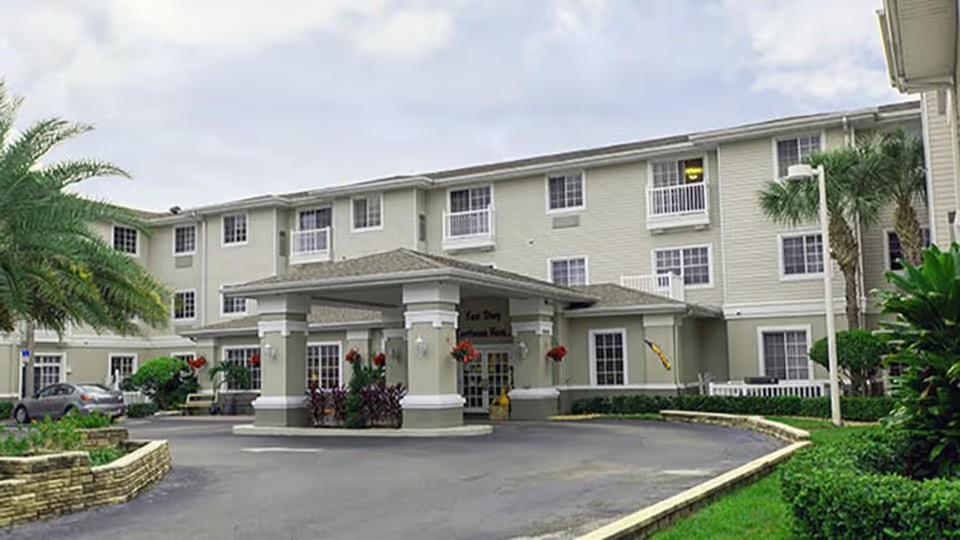
Facility conditions are likewise mixed. Many reviewers describe the building and common areas as clean, renovated, and well furnished, while others report maintenance failures (non‑functioning air conditioning, broken amenities), sanitation and pest‑control concerns in particular rooms or bathrooms, and sporadic odors. Dining receives varied praise and criticism: some families find the menu acceptable and service pleasant, while others note cold meals, limited choices, slow delivery, and meal‑service lapses.
Activity programming and social engagement appear inconsistent: some residents report an active calendar of events, while others note sparse programming. Discharge and care‑coordination practices drew particular criticism from families who felt pressured to accept transitions or who experienced delays and billing/insurance confusion. A few reviewers also described improvements over time and visible management efforts to address concerns, suggesting that leadership responsiveness can be variable but present.
For prospective residents and families: the facility demonstrates clear strengths in rehabilitation therapy, several compassionate clinical staff, and areas of strong housekeeping and admissions support. However, the frequency and seriousness of the operational concerns reported — particularly around staffing stability, responsiveness to resident needs, wound and pressure‑injury prevention, medication timing, sanitation/pest control, communication, and property safeguards — argue for targeted due diligence before a placement. Recommended questions when evaluating the facility include staffing ratios by shift and unit, protocols for pressure‑injury prevention and wound care, medication‑administration auditing, call‑light response times, pest‑control and maintenance schedules, processes for safeguarding resident belongings, recent state inspection reports and corrective plans, and examples of how leadership has addressed prior family concerns. An in‑person visit, meetings with the DON and therapy director, and review of the facility’s most recent regulatory survey will help clarify whether the facility’s strengths align with an individual resident’s needs.