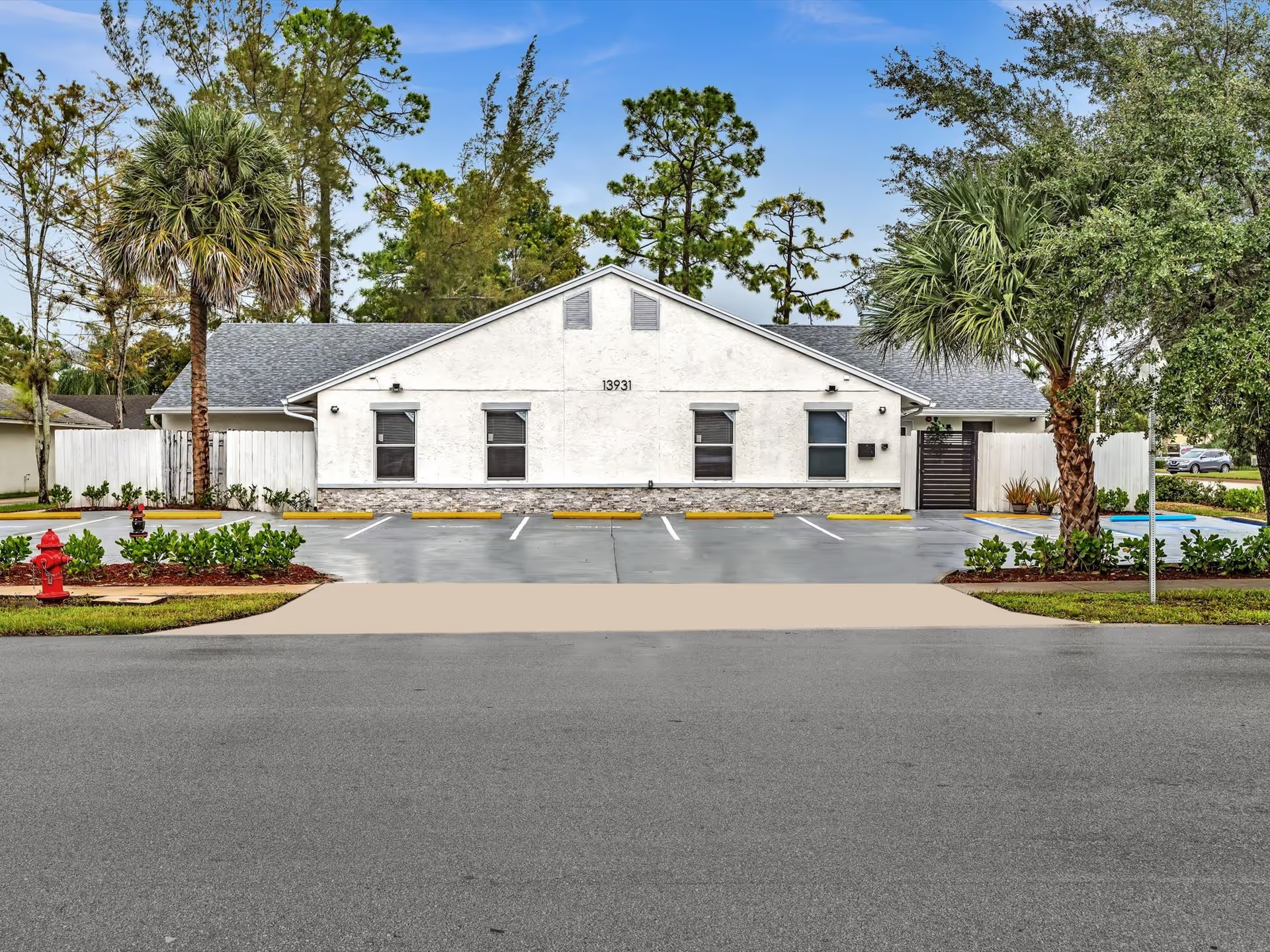
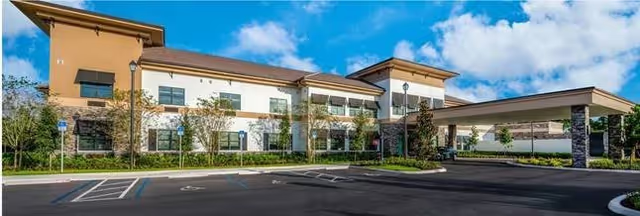
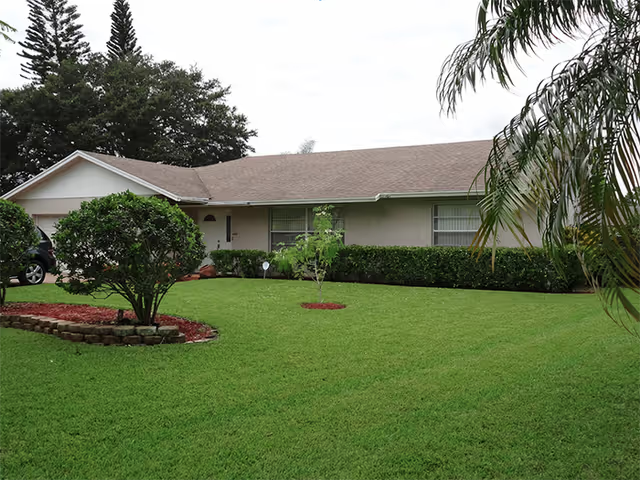
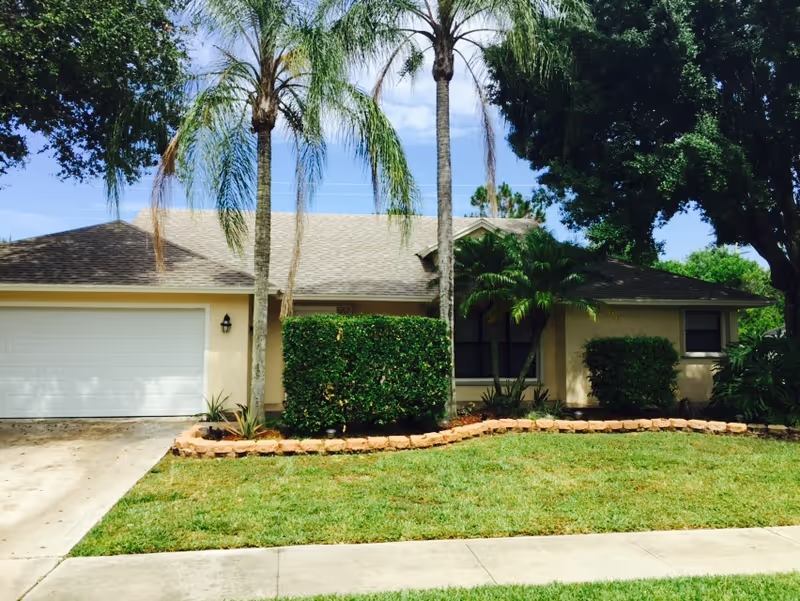
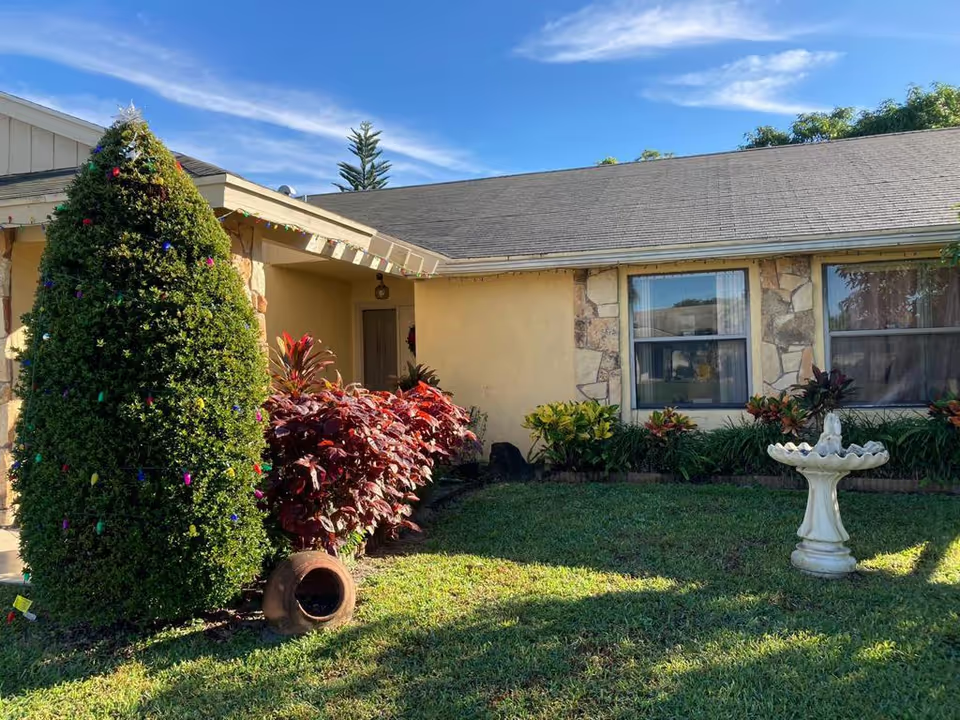
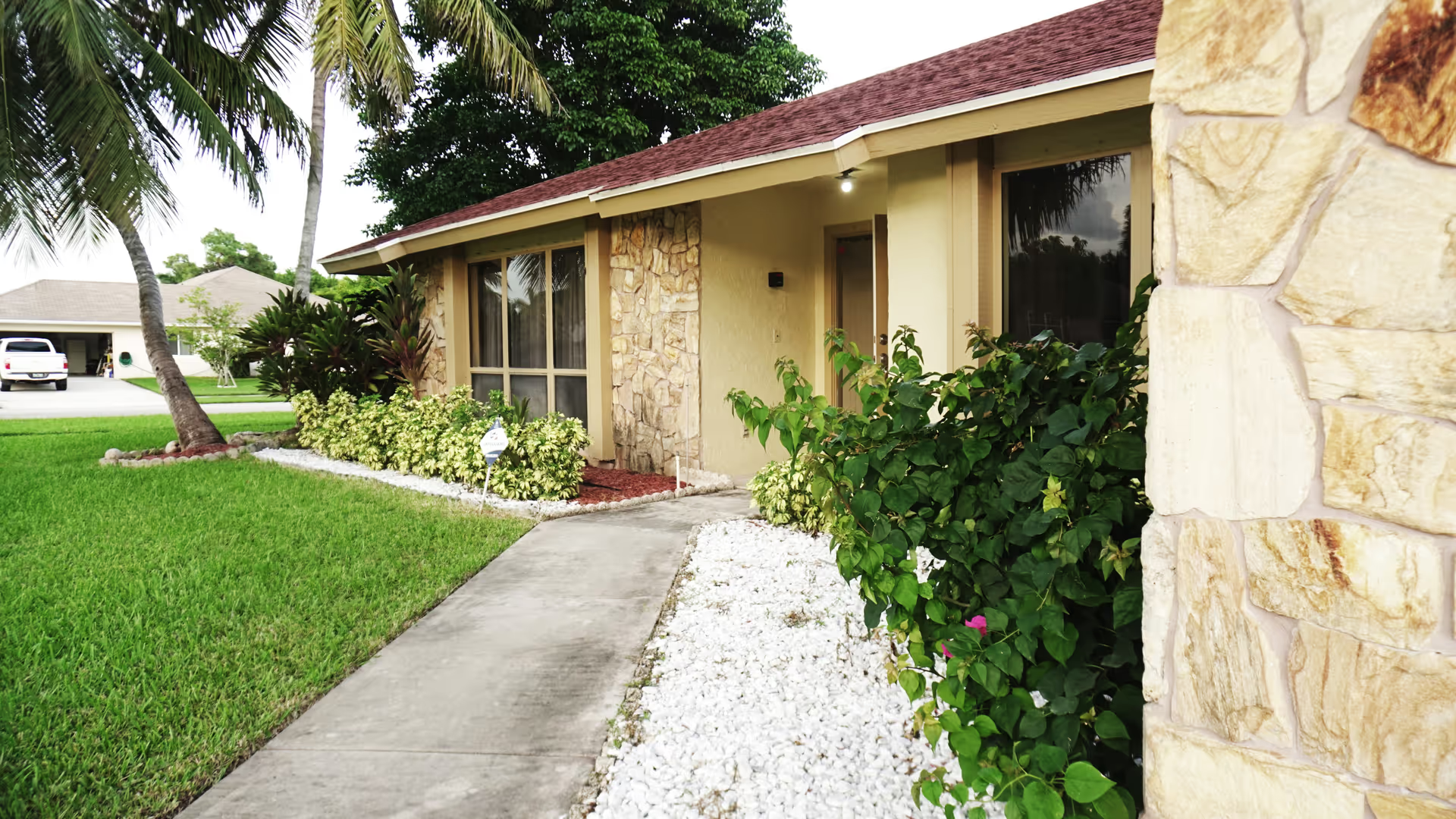
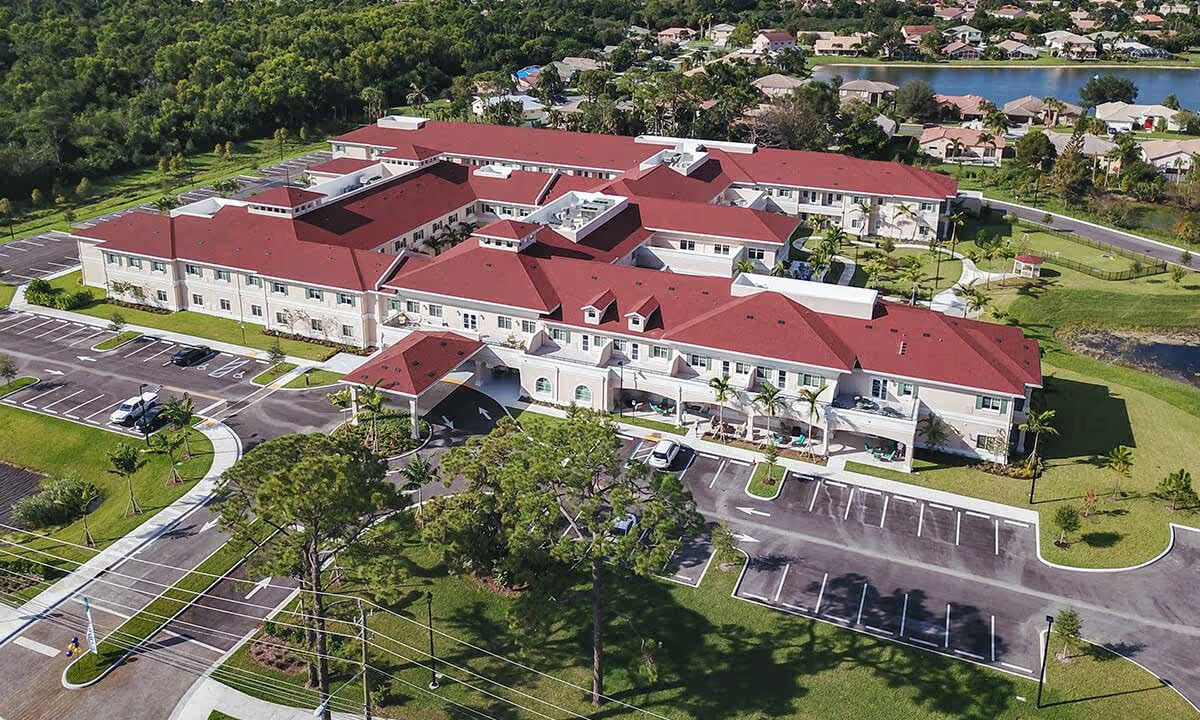
The Club at Wellington is described by many families as a small, home-like assisted living community with a strong emphasis on personalized, compassionate care. Reviewers consistently praise the direct-care staff and leadership for creating a family-style atmosphere: caregivers are frequently characterized as attentive, kind, and responsive, and leadership and management are noted as engaged. The facility’s physical environment is also a common positive: reviewers point to clean, well-maintained interiors, recent infrastructure improvements (new roofs and kitchens), backup generators, and attractive outdoor areas. Several families highlighted meal-service strengths such as home-cooked food, varied breakfasts, snacks and afternoon tea, and a well-set dining room.
Care quality and clinical oversight present a mixed picture. Many accounts emphasize attentive daily care and 24/7 responsiveness, which contributes to resident wellbeing and family confidence. However, there are also recurring operational concerns about clinical staffing levels and oversight: staffing ratios and nurse availability are described as inconsistent, and reviewers raised issues about medication administration processes and the brevity of physician visits. These themes suggest potential variability in clinical monitoring and the need for families to verify current staffing patterns and clinical protocols when evaluating the facility.
Dining and activities are similarly mixed. A number of reviewers report satisfying, home-style meals and continual snack availability, while others describe variable food quality and limited fresh fruit or vegetables. Activity programming is frequently noted as engaging—arts and crafts, daily bingo, painting, and small-group activities are cited—but some reviewers state that programming can be inconsistent or limited depending on the day or unit. Prospective families should ask about current activity schedules and examples of recent programming to assess fit for their loved one’s interests.
Operational and communication considerations appear as additional themes. Some reviewers raised concerns about staff communication tone and conduct, and about language differences when direct-care staff are predominantly Spanish-speaking; these factors can affect family–staff interactions and resident experience depending on individual language needs. Shared-room options are offered and acceptable to some families, but limited private-room availability is a constraint for others. There are also comments that imply gaps in safety monitoring (for example, skin integrity and bruising), reinforcing the importance of clarifying clinical oversight practices.
Overall, impressions are polarized: many families express high satisfaction, citing compassionate staff, cleanliness, strong management, and a warm community environment, while other accounts describe operational weaknesses that have clinical and quality-of-life implications. For prospective residents and families, recommended next steps include an on-site visit, meeting current nursing leadership, requesting details on staffing ratios and medication-administration protocols, observing meal service and activity programming, and confirming language-communication arrangements and room availability. These checks will help determine whether the facility’s strengths align with an individual’s care and quality-of-life priorities.