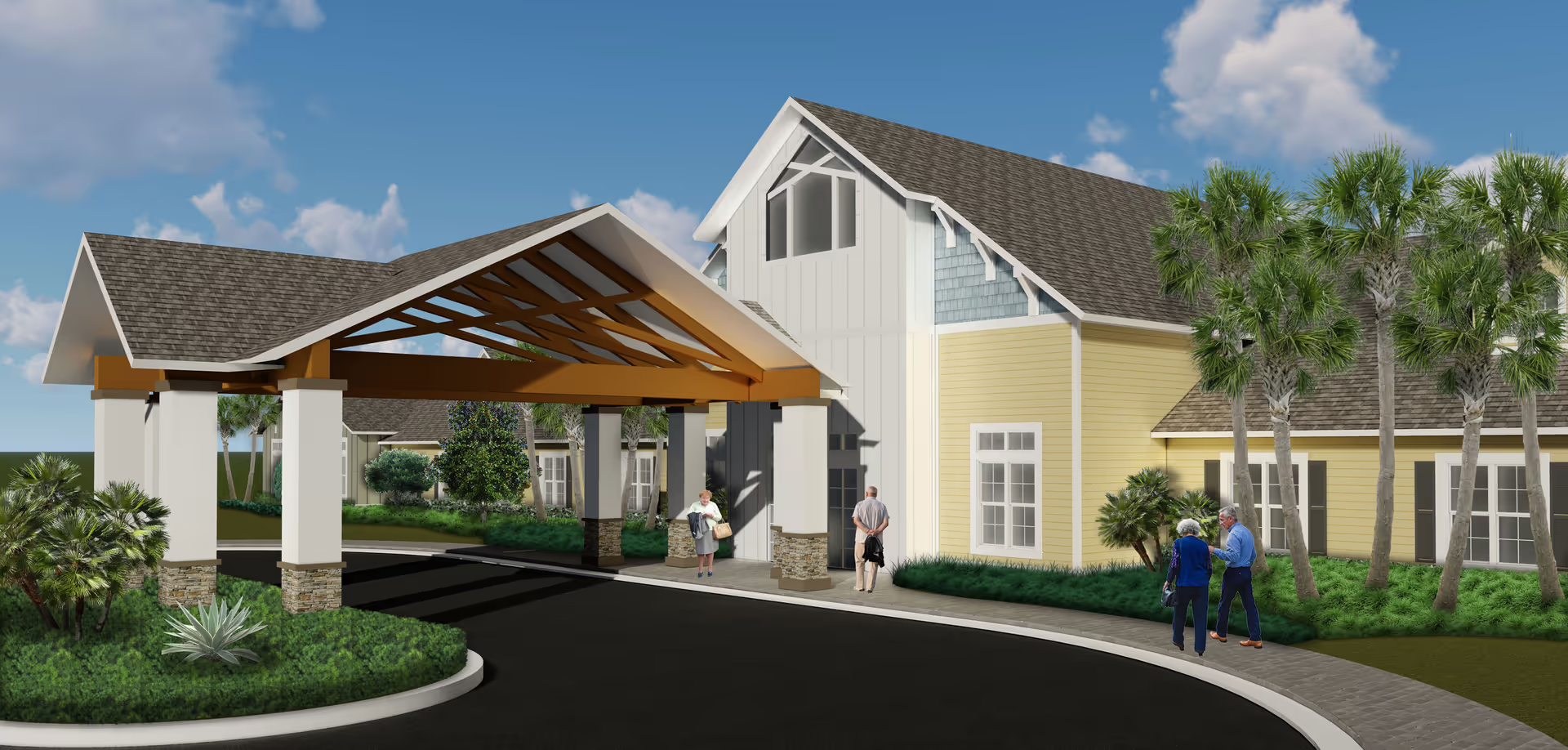
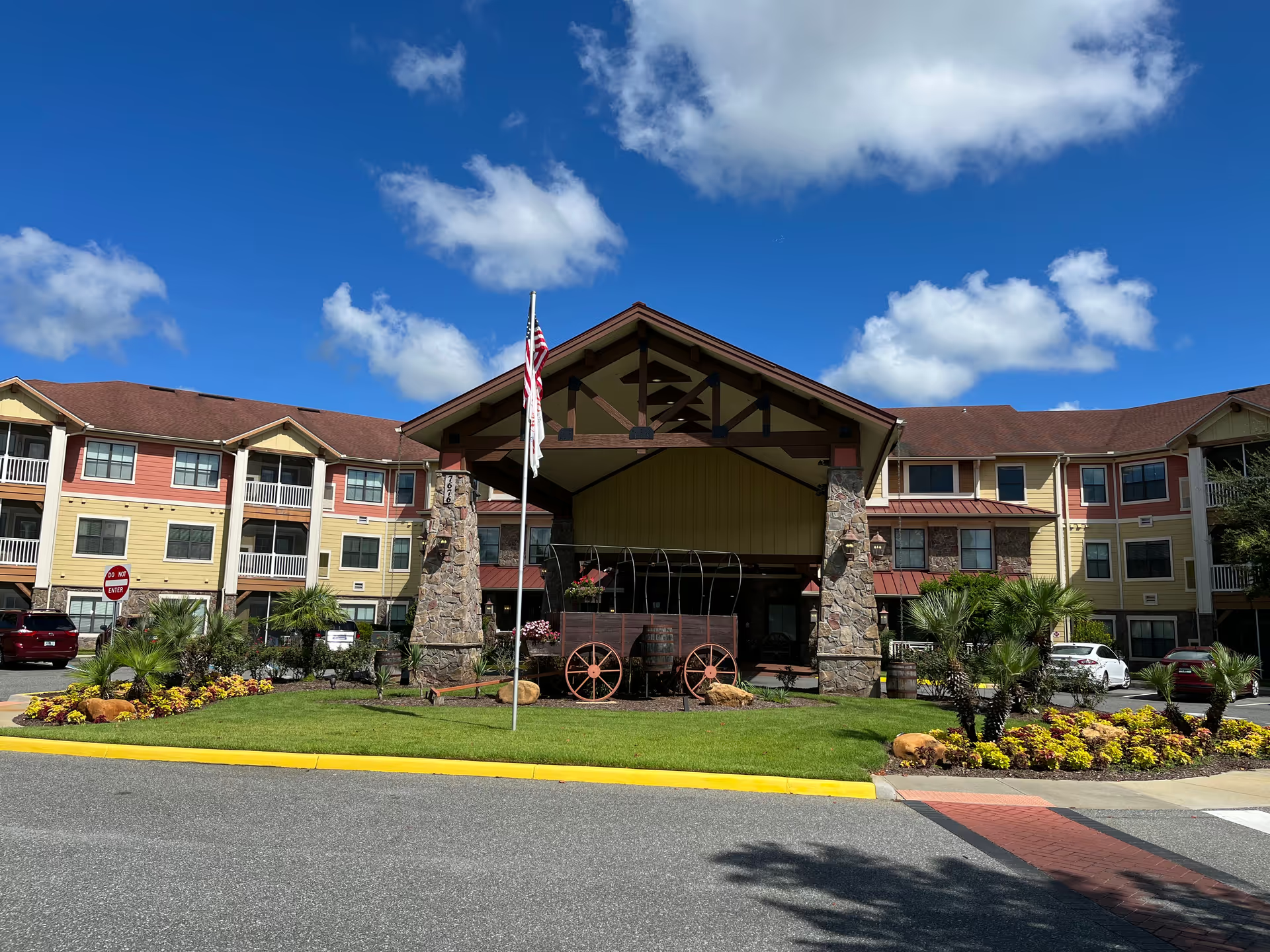
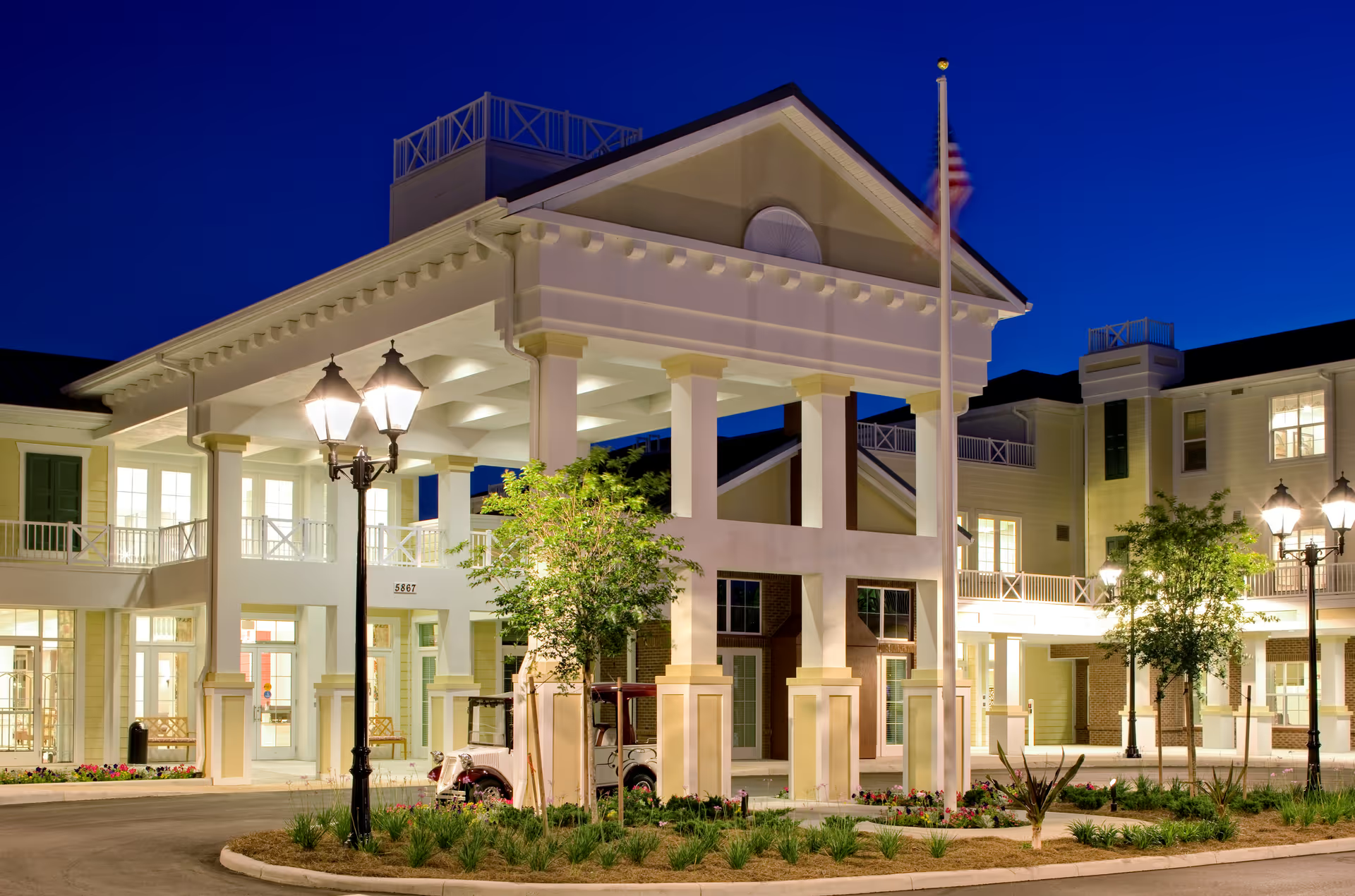
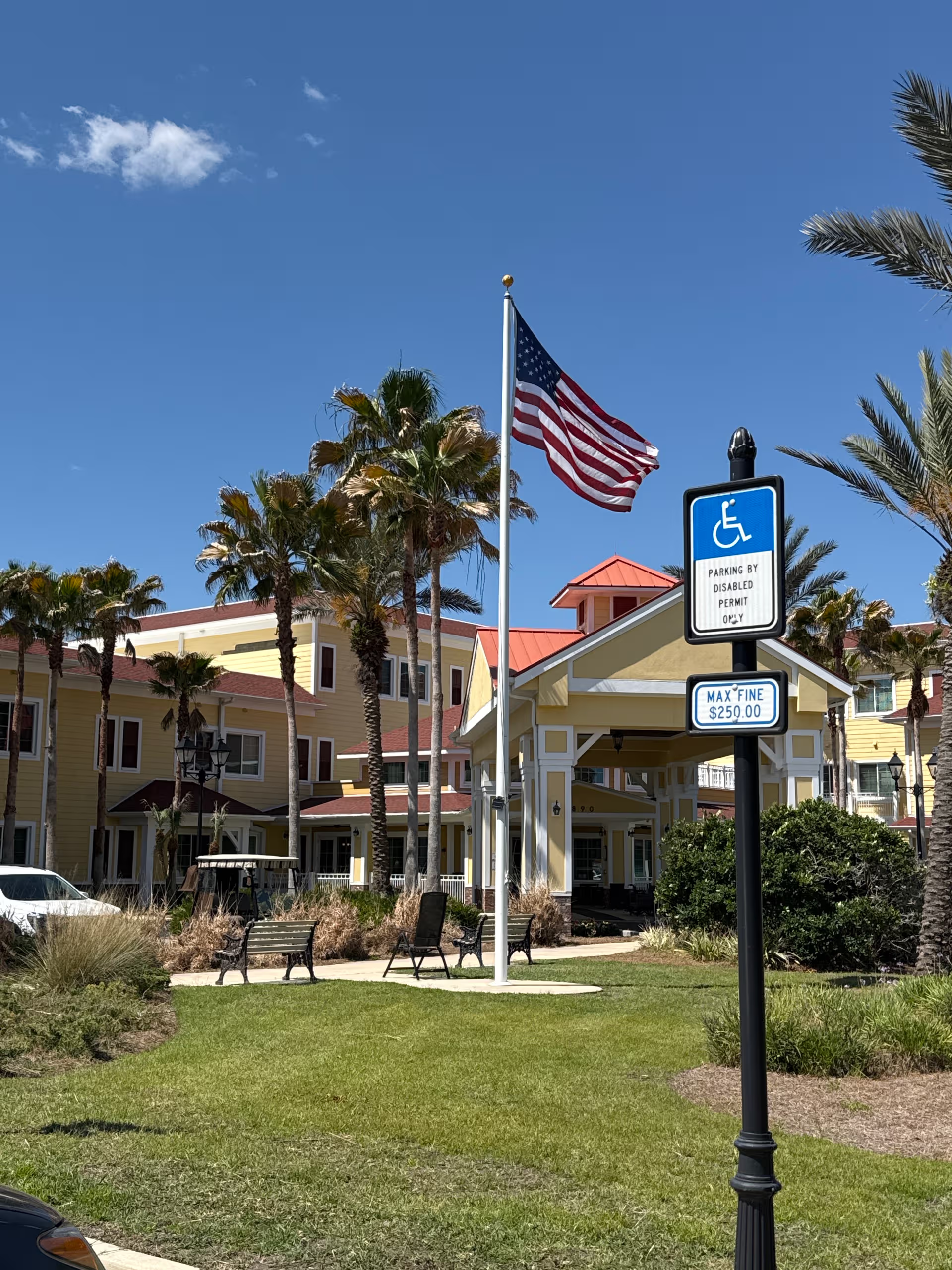
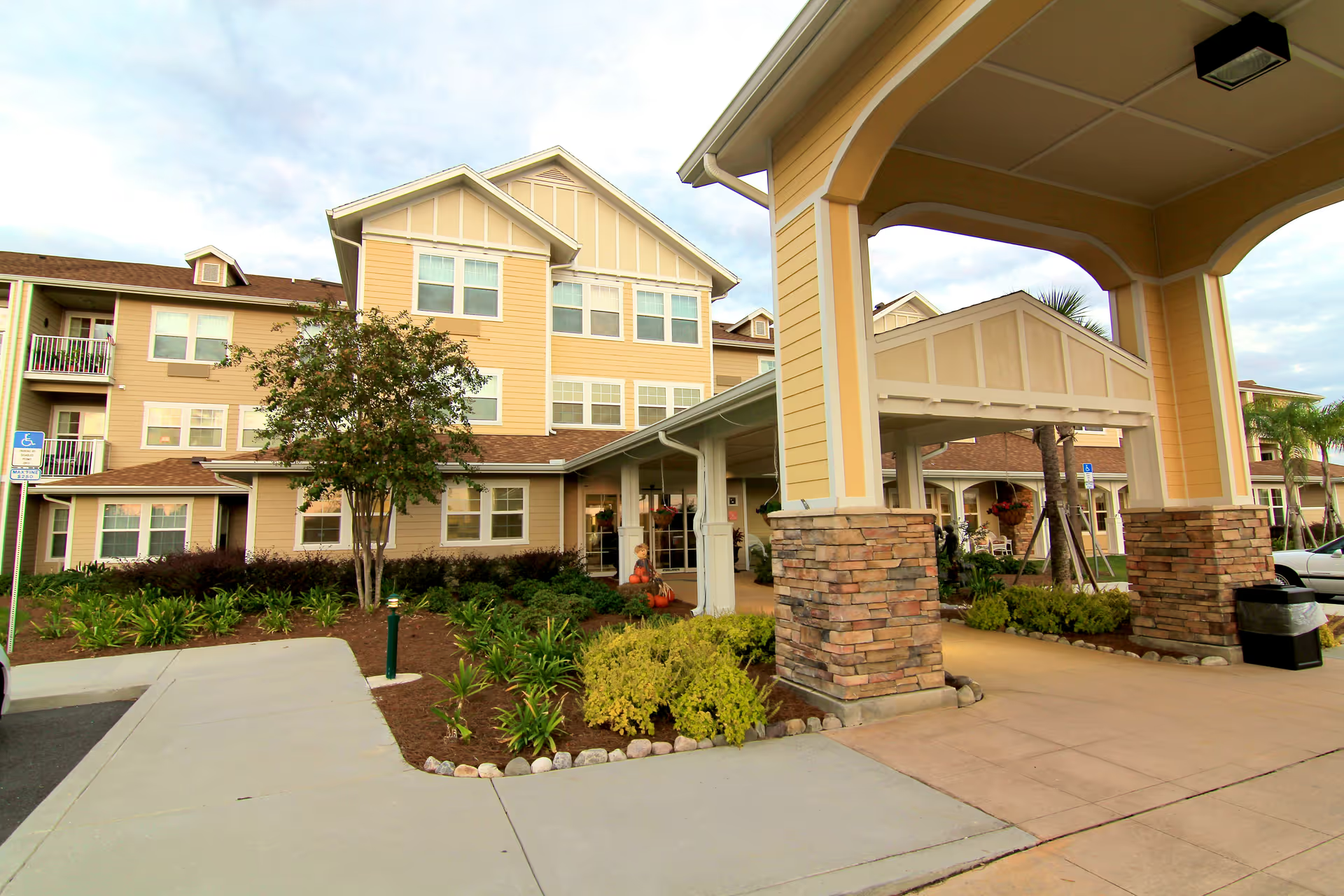
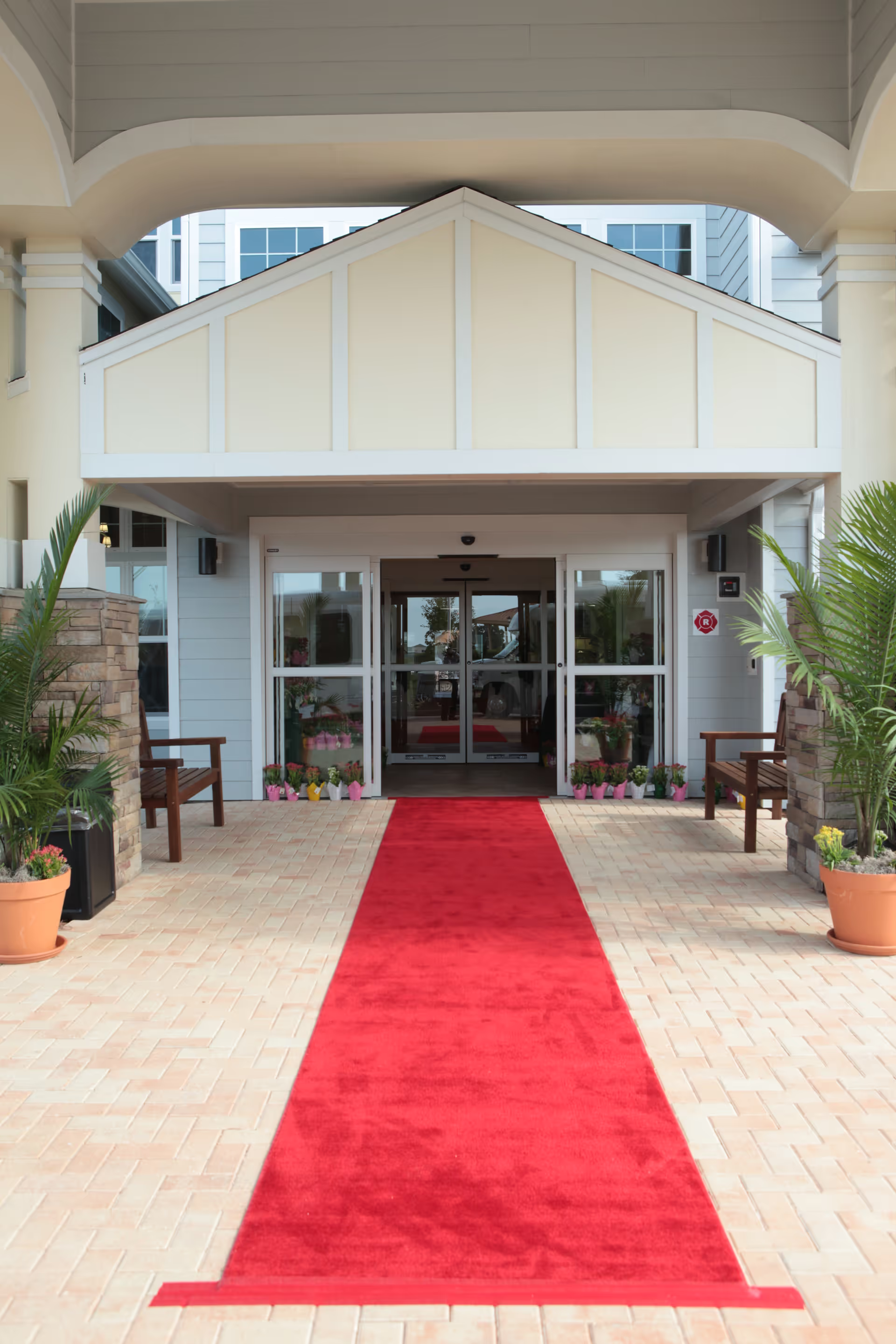
The Harrison of Wildwood / HarborChase of Wildwood elicits a strongly mixed set of impressions. On the positive side, reviewers consistently describe a physically attractive, well-appointed community with abundant natural light, outdoor decks, enclosed courtyards, and multiple dedicated activity spaces (art studio, game and movie rooms, multipurpose room). The smaller size of the community and the presence of on-site rehabilitation and therapy services (PT, speech) are frequently identified as strengths that support individualized attention and convenient clinical access. Many families praised compassionate and professional front-line staff, attentive admissions/move-in help, restaurant-style dining areas, and organized family engagement events.
Care quality descriptions vary widely. Numerous accounts praise caring, attentive caregivers, specific nurses and therapists, and licensed clinical oversight with regular rounding; these families describe residents who felt safe, socially engaged, and well supported. Conversely, other accounts document inconsistent clinical follow-through, concerns about medication and doctor-assessment practices, and situations where families felt compelled to provide private caregiving oversight. These divergent experiences appear tied to staffing continuity: high turnover and intermittent understaffing—especially overnight or during high-demand periods—are recurrent operational themes that correlate with lapses in responsiveness and task completion.
Dining and activities are generally regarded as positive features: an attractive dining room, friendly servers, and a varied activity calendar (painting, Wii bowling, poker nights, group events) support social engagement. Memory-care dining was described as simpler and offering fewer choices for some residents, and several reviewers indicate that food quality has been variable over time, often aligning with kitchen staffing changes.
Operational and management issues are prominent patterns. Ownership and leadership changes have been noted alongside inconsistent communication with families, difficulties resolving billing/refund questions, and uneven enforcement of contracted services (for example, frequency of housekeeping). There are specific facility-management concerns such as delayed maintenance (elevator and cable hookups), moisture and mold management in at least one unit, and inconsistent housekeeping or linen service. During acute events or infection-control periods, some families experienced restricted access and slower incident communication, heightening their need to advocate actively.
For prospective residents and families: the community offers many tangible strengths—pleasant physical spaces, on-site therapy, engaged activities, and multiple staff members who provide compassionate care. At the same time, prospective families should verify current staffing levels and turnover rates, request written specifics about housekeeping and linen schedules, confirm nursing coverage (including overnight), review medication-management and incident-notification protocols, and obtain clear contract terms about refunds and move-in cleaning. Visiting at different times of day, meeting current nursing leadership, and asking for references from current residents’ families can help assess whether the community’s strengths align with an individual’s care needs and expectations.