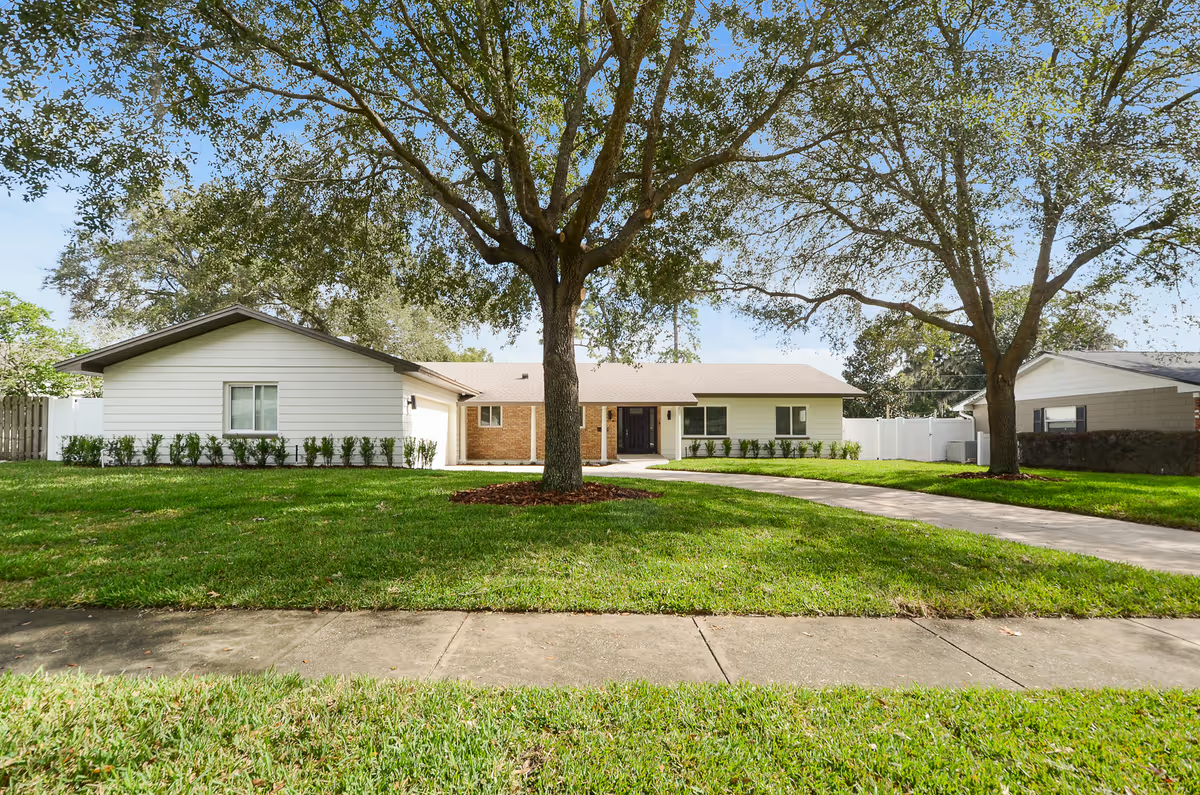
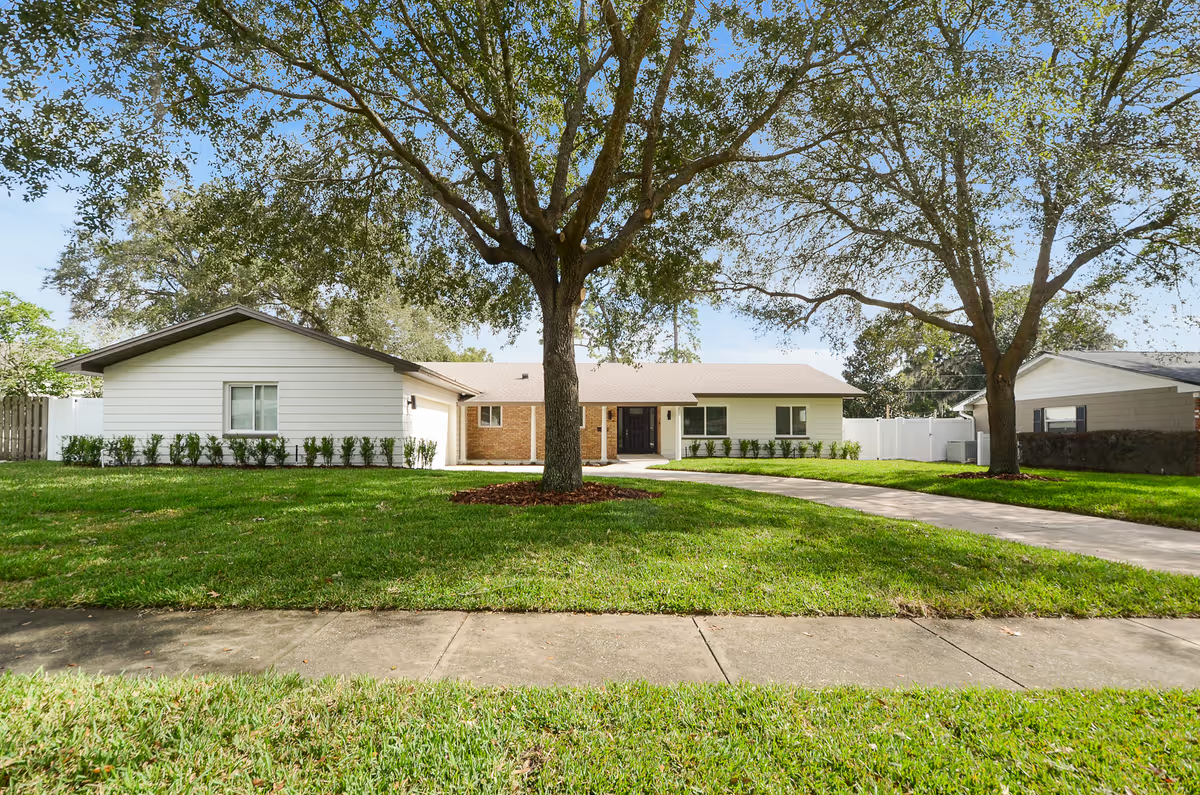
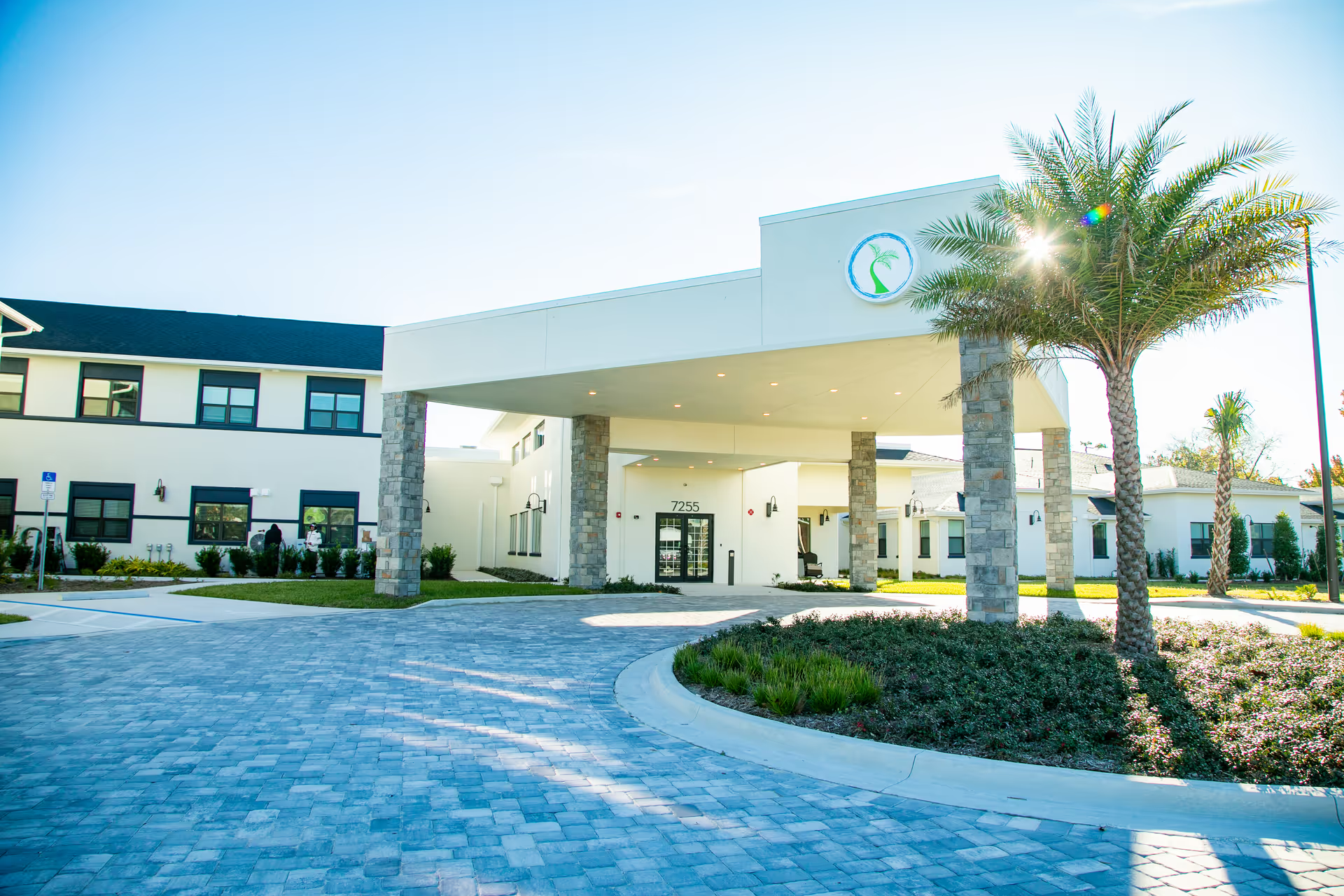
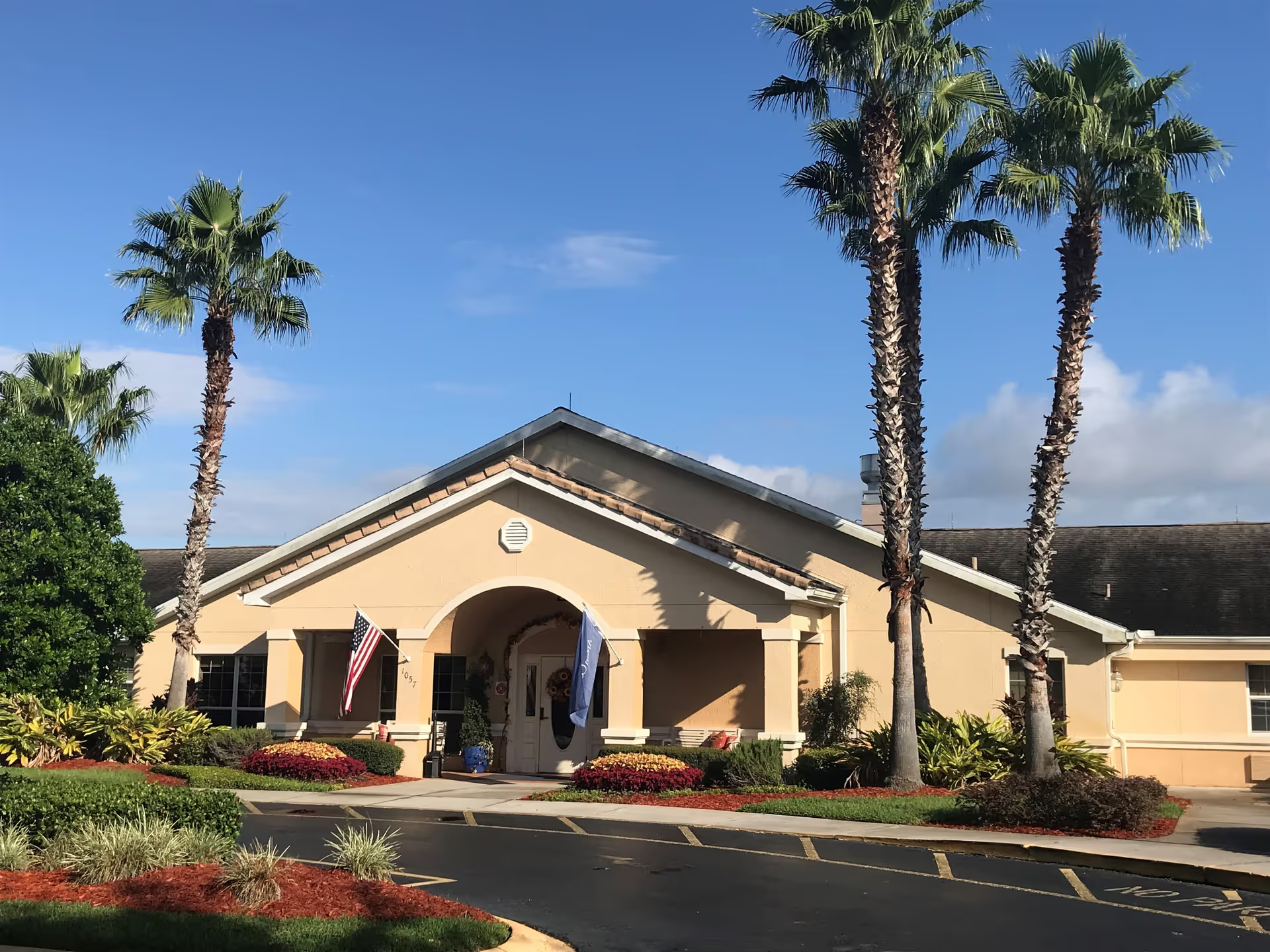
Overall impression: Reviews of Alabama Oaks Assisted Living are sharply mixed, with a clear split between strong praise for its homelike environment and caregiving on one hand and serious operational and conduct concerns on the other. Many reviewers emphasize the facility's attractive 1920s house character, inviting porches, and well‑kept grounds, and several note that the on-site kitchen, dining room, and an RN-owner provide a homier alternative to institutional settings. At the same time, others describe significant problems that affect daily living and family confidence.
Care quality and staff: Positive comments highlight compassionate, attentive caregivers and a favorable caregiver-to-resident ratio under RN leadership. Families who had good experiences cite individualized support, emotional warmth, and competent hands-on care. Conversely, several reviews raise concerns about inconsistent staff engagement—examples include limited mingling with residents, perceived minimal oversight, staff cell-phone use while on duty, and delays in responsiveness. There are also serious, singular claims characterized by reviewers as severe staff-conduct concerns; these notes suggest families should review regulatory history and ask about incident-reporting and oversight procedures when considering placement.
Dining and activities: The facility's homelike dining room and on-site kitchen are repeatedly noted as strengths, and some families commend the activity schedule and entertainment. However, multiple accounts point to inconsistent meal planning and limited menu variety — with examples of repetitive lunches — and a mismatch between family expectations and kitchen offerings. Activity quality appears variable: while some residents enjoy stimulating, socially engaging programming, others describe the schedule as insufficient or poorly executed. Prospective families should request a current menu, sample meal, and a weekly activities calendar.
Facilities and accessibility: The building's historic, bed‑and‑breakfast character is appealing to many, but its architecture presents accessibility challenges. Thresholds, narrow passages, and a predominance of shared bathrooms create limitations for mobility‑impaired residents and may increase fall risk. Reviewers also noted issues with room climate control, including inconsistent air-conditioning and at least one instance where window units were removed without family consultation; these point to gaps in environmental comfort management and family communication. Cleanliness and maintenance are generally praised by many, but operational practices such as laundry handling have been questioned and merit clarification.
Management and notable patterns: Management impressions vary widely. Some families praise RN leadership and an overall welcoming culture; others express concern about managerial boundary issues, perceived favoritism, and inconsistent leadership practices. The reviews form a polarized pattern—strong endorsements coexist with serious complaints—which suggests variability in resident experience that may depend on unit, staffing shifts, or individual expectations. Given this variability, families should perform an in-person visit, observe staff–resident interactions across multiple shifts, ask for documentation of staffing patterns and training, inquire about laundry and personal-item protocols, review incident logs and regulatory history, and discuss accessibility and fall‑prevention measures.
Bottom line: Alabama Oaks offers a distinctive, home-like environment with many families reporting compassionate care and an appealing setting. However, the facility exhibits operational inconsistencies — especially around staff supervision, dining consistency, accessibility, laundry procedures, and climate control — and there are serious conduct-related allegations that warrant careful follow-up. Prospective residents and families should verify current policies, observe daily routines, and seek clear answers on supervision, communication, and safety before deciding.