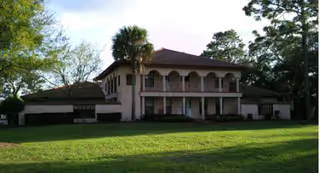
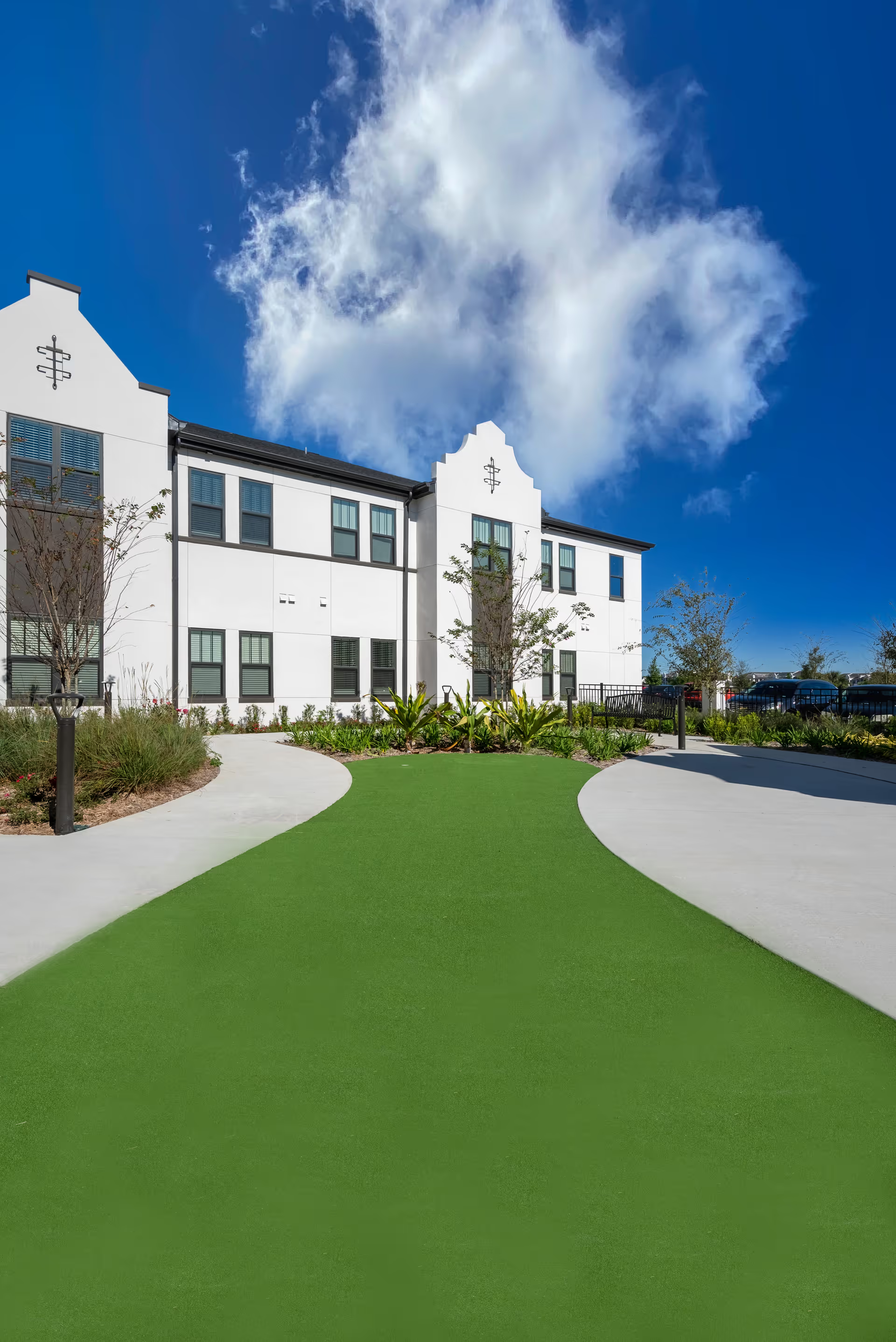
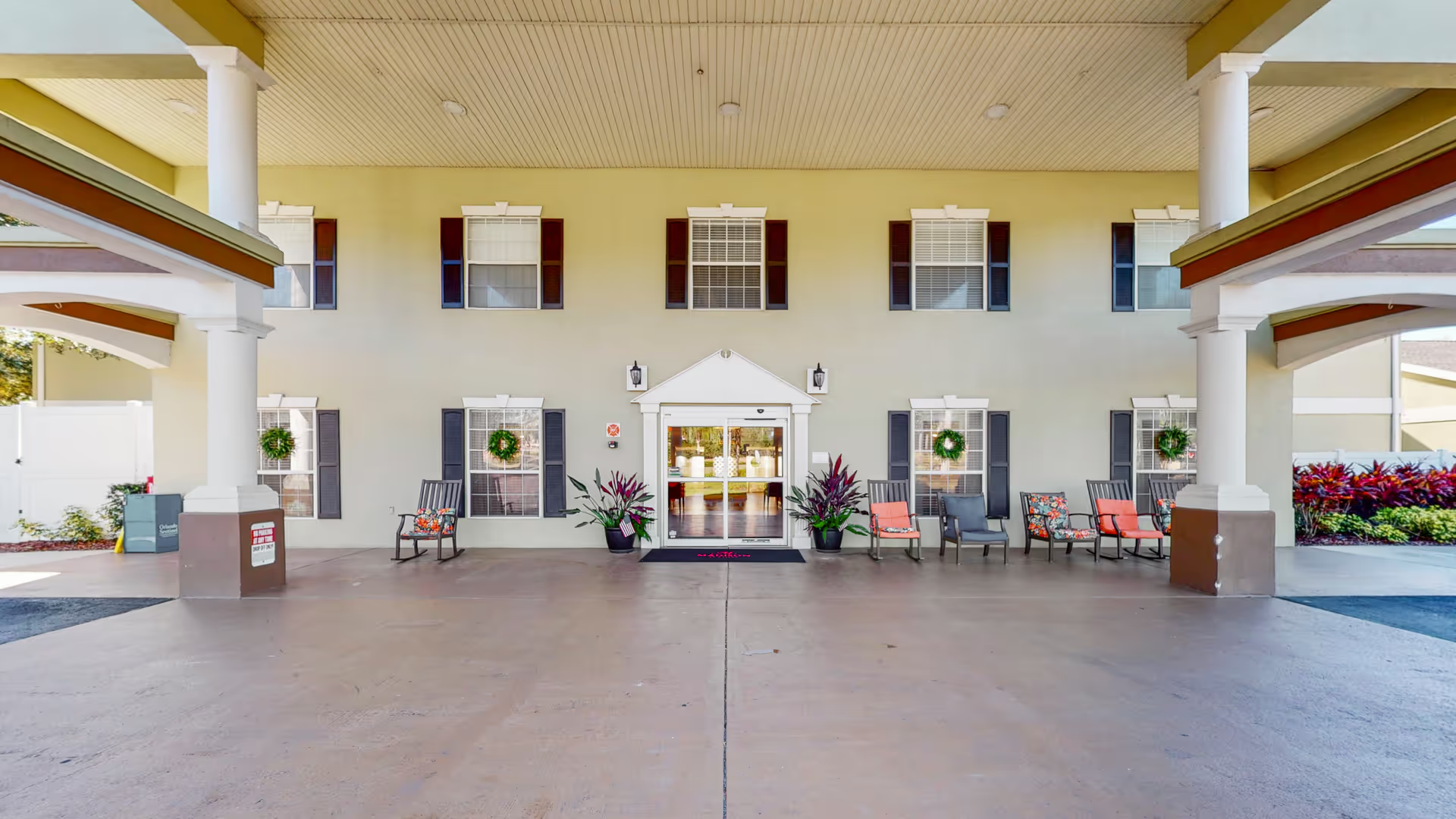
Regents Park Health Care Center elicits strongly polarized feedback. Many reviewers praise the facility’s clinical strengths — notably an experienced therapy department, attentive physicians and advanced practice providers, and a cohort of nurses and aides described as compassionate and skilled. The dining program and kitchen leadership receive frequent commendation for accommodating dietary needs and delivering high-quality meals. Public spaces, grounds, and certain private rooms are consistently described as attractive and hotel-like, and on-site amenities such as gyms, a café, outdoor areas, and an active activities calendar contribute to a welcoming, recovery-oriented atmosphere for short-term rehabilitation and social engagement.
At the same time, a recurrent set of operational concerns emerges across reviews. Understaffing and turnover are a central theme and are linked to slower response times to call lights and care requests, inconsistent bathing and personal-care schedules, and uneven housekeeping performance. These staffing constraints appear to create variability in daily care: some families describe attentive, proactive caregivers, while others report delays in assistance, inconsistent room-temperature management, and lapses in timely communication about clinical issues. There are also repeated references to sanitation and pest-control concerns and to maintenance shortfalls (worn furniture, missing wheelchair components, rickety bedside equipment) that affect perceived quality and safety.
Communication and management practices are another mixed area. Several accounts highlight supportive, hands-on administrators, social services, and admissions staff who facilitate transitions and work with families and insurers. Conversely, other narratives emphasize inconsistent managerial follow-through, difficulty reaching the facility by phone, and lapses in family notification after clinical events. These communication gaps—paired with reports of variable staff teamwork—suggest uneven implementation of policies and staffing models across units and shifts, particularly at night.
Therapy and rehabilitation stand out as the facility’s most consistently positive element: patients and families frequently report measurable functional improvement, attentive PT/OT staff, and effective, individualized therapy plans. Dining is also a clear strength for many residents: accommodating menus, attention to allergies or preferences, and a proactive kitchen team are often cited as sources of satisfaction. Activities and the campus environment further support resident well‑being when staffing levels and supervision are adequate.
For prospective residents and families, the notable pattern is variability. When staff and leadership on a given unit are stable and engaged, the facility delivers strong clinical care, effective rehabilitation, pleasant surroundings, and good dining. When staffing is thin or turnover is high, reviewers describe slower responsiveness, inconsistency in personal-care routines and housekeeping, and gaps in communication and maintenance. Visitors should consider asking the facility about current staffing ratios (including night coverage), pest-control and housekeeping protocols, diabetic/therapeutic meal procedures, phone and escalation processes, and any extra fees so expectations about daily care and costs are aligned prior to admission.