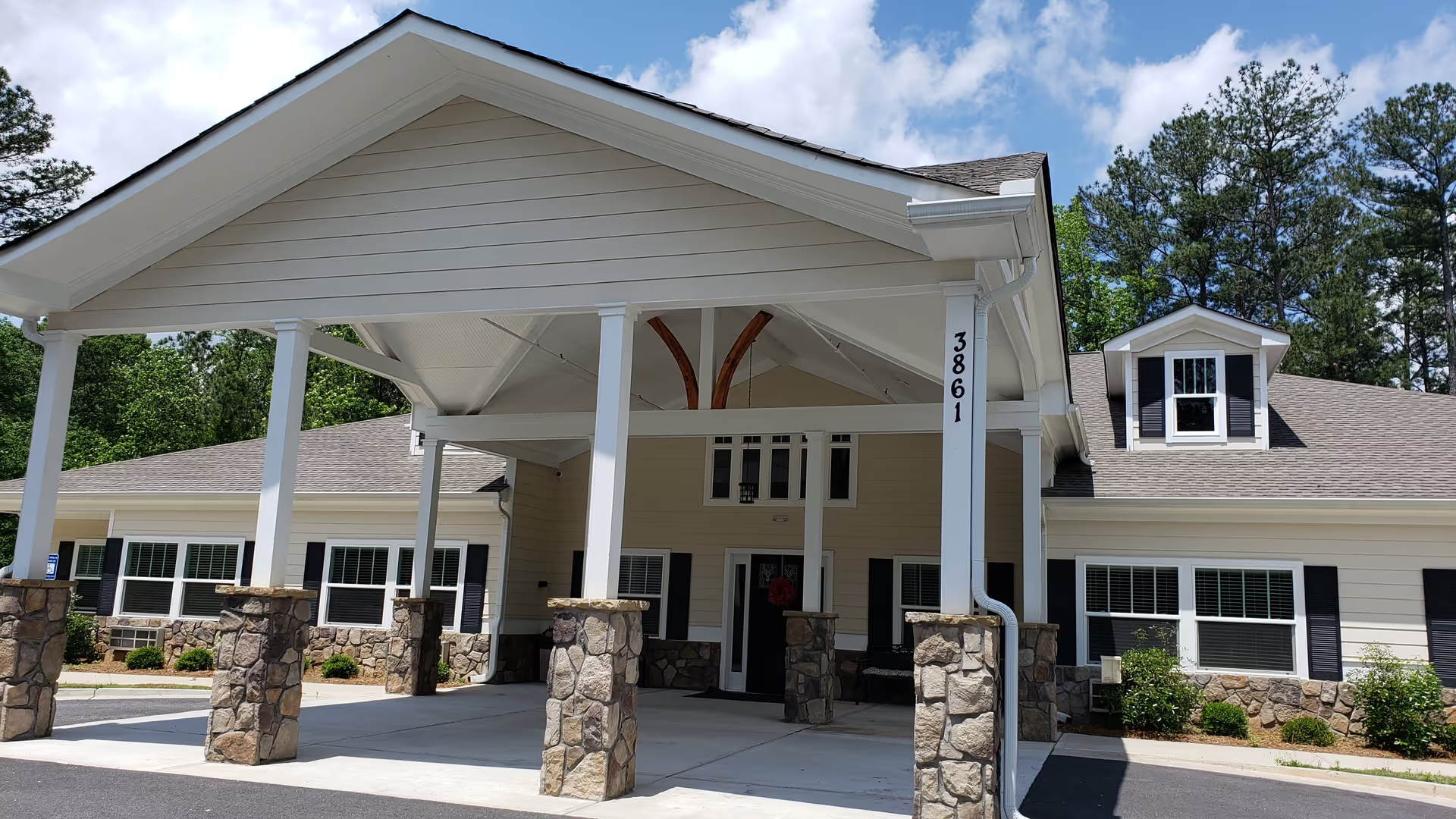
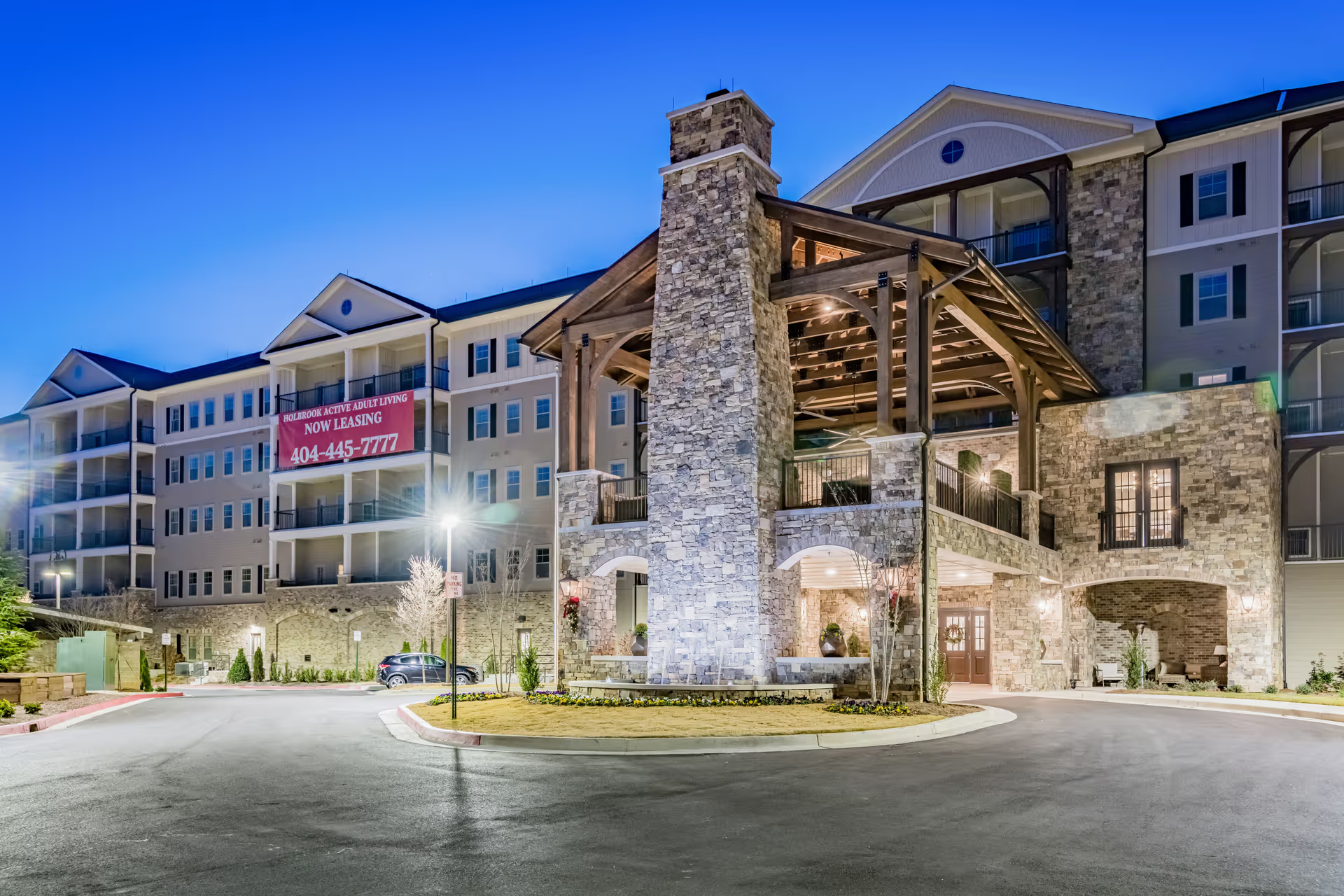
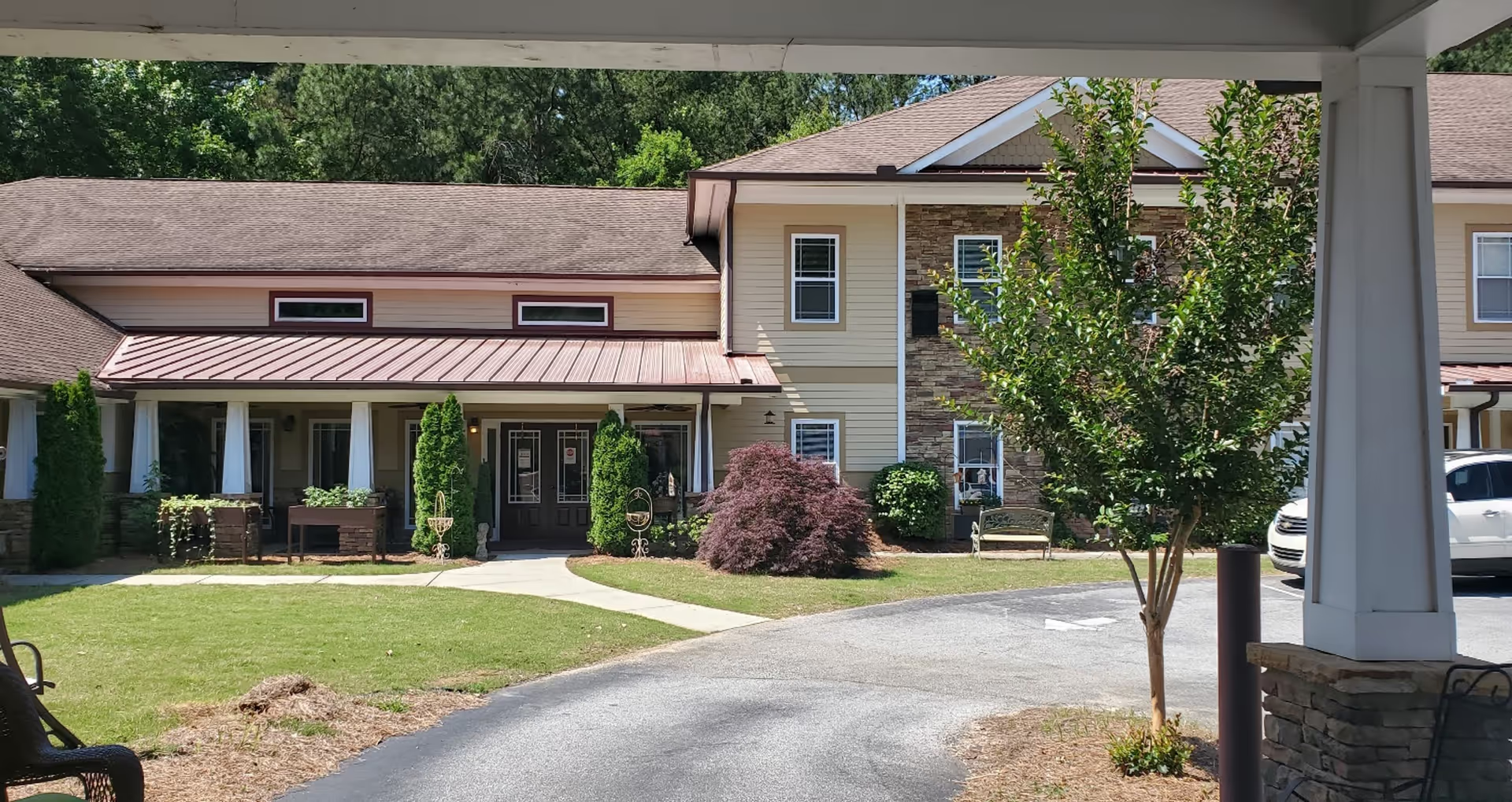
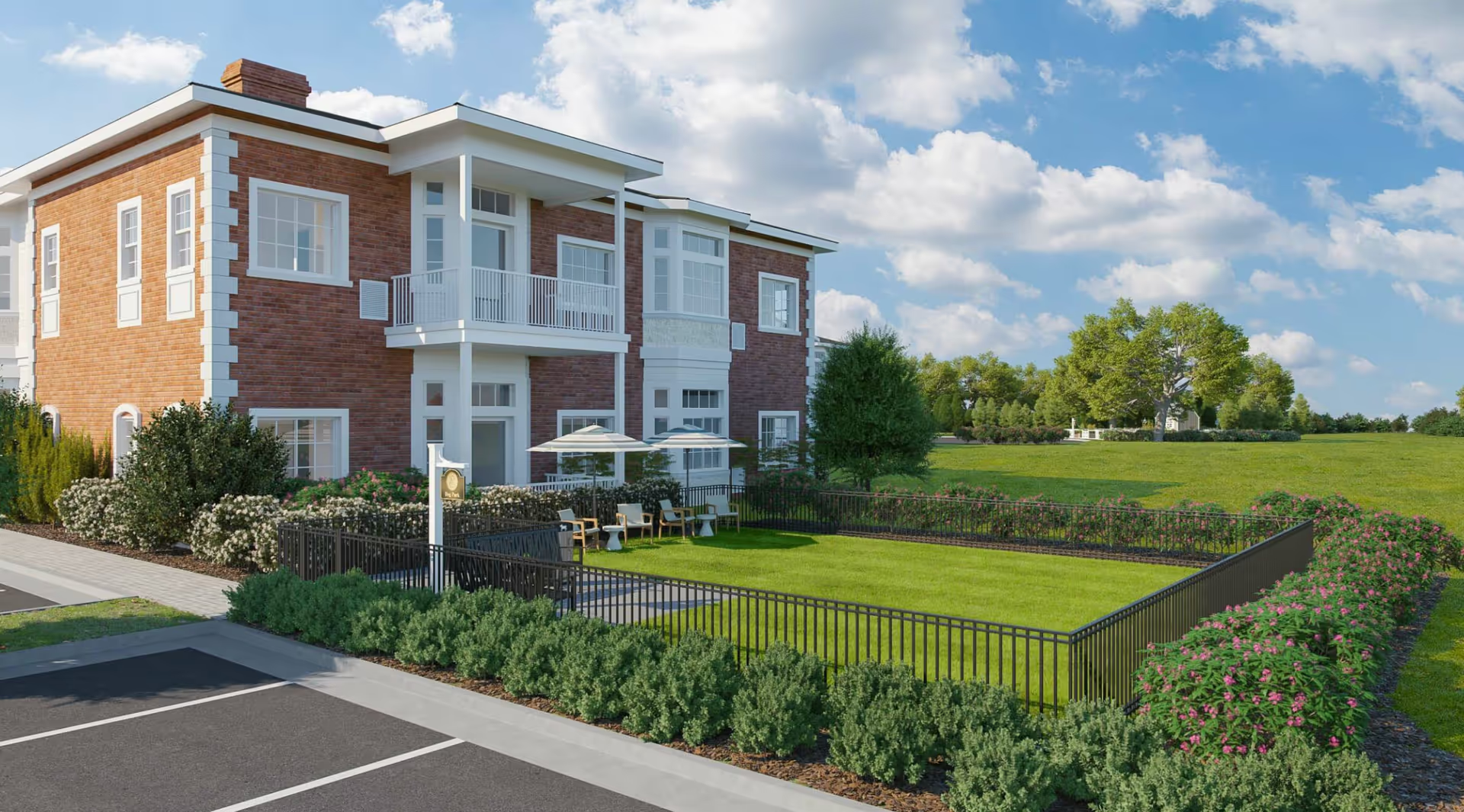
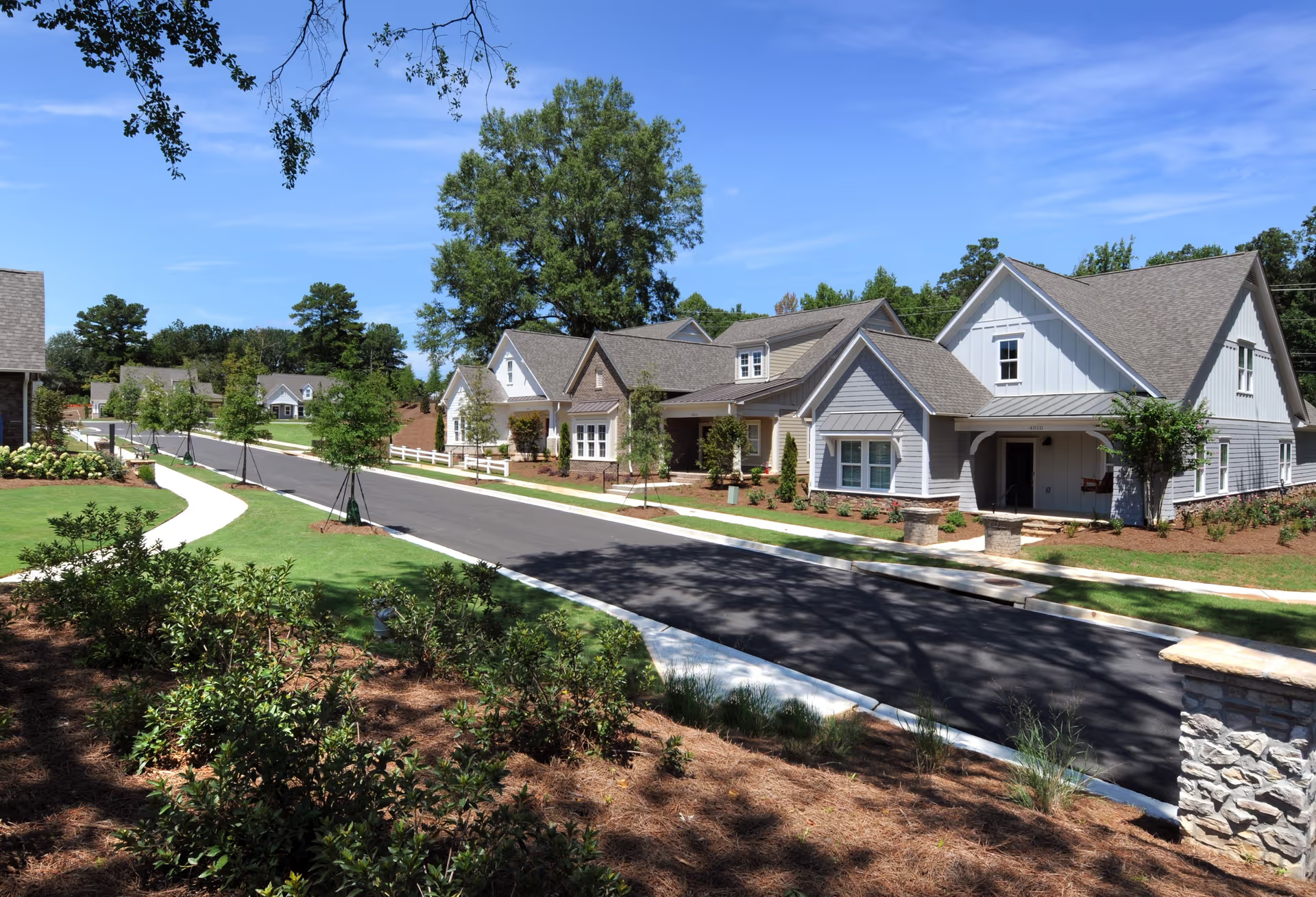
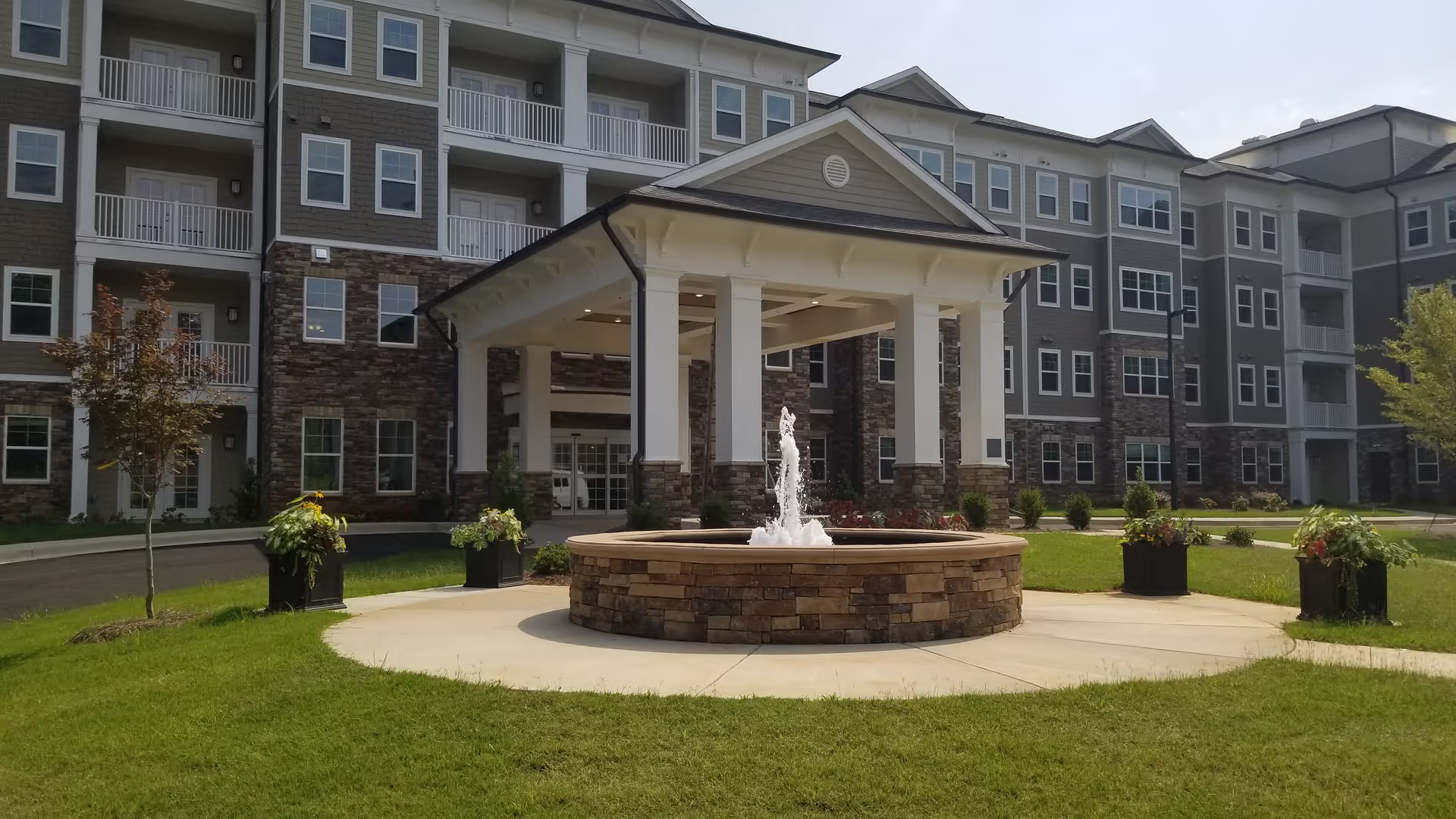
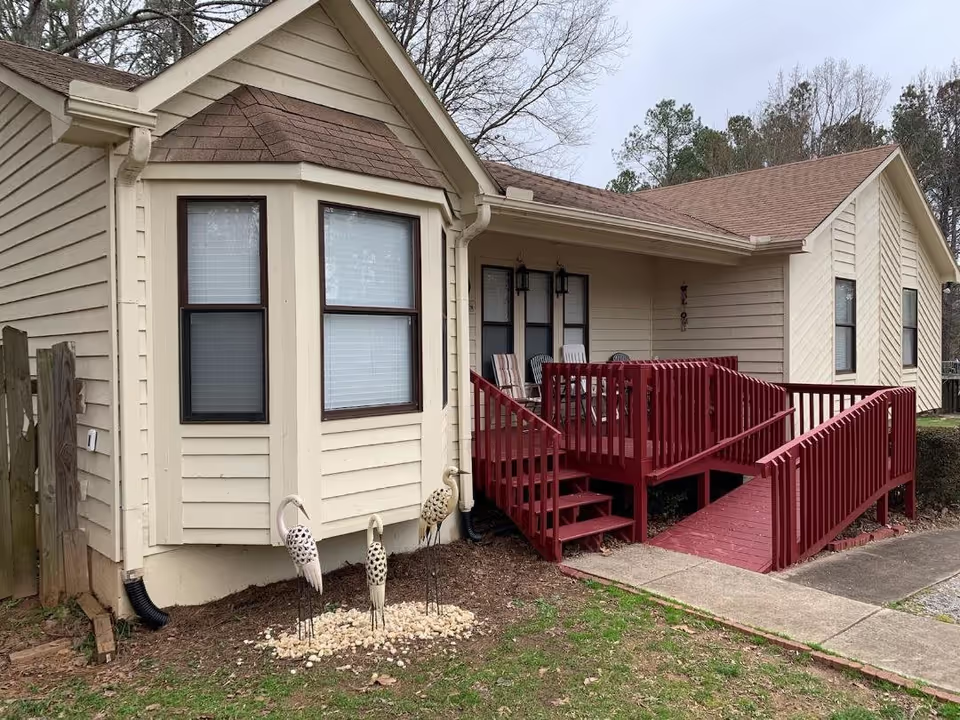
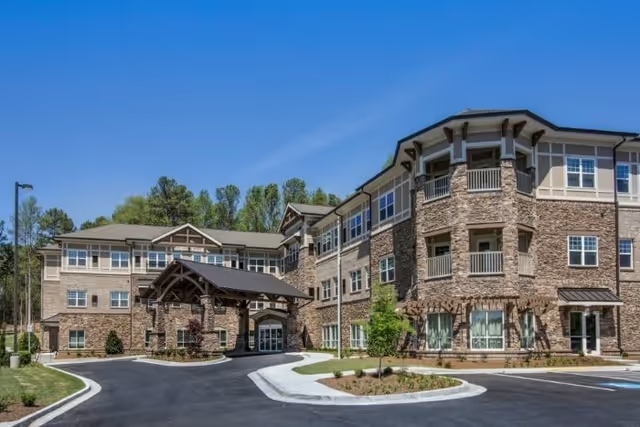
Brickmont at Acworth presents a mixed but coherent pattern across reviews. The facility's strongest and most consistent praise centers on its memory-care program and direct care staff: many families describe caregivers as compassionate, patient, and knowledgeable about dementia care. Several reviewers highlighted strong, engaged leadership in wellness and memory-care roles, an ability to create personalized care plans, and frequent communication and updates when the team is proactive. The building itself is frequently described as new, bright, and well maintained, with attractive common areas, a courtyard, accessible apartment layouts and useful safety features such as call buttons and secured memory-care spaces.
Dining and activities are areas of divided experience. A number of reviewers praised the on-site chef, pleasant dining room, social meals, and a robust calendar of activities, including music, art, outings and exercise classes. At the same time, multiple families reported inconsistent meal quality, delivery issues (cold or poorly served meals), and occasional use of disposable service that affected the dining experience. Activity programming is generally energetic and engaging for ambulatory residents, but reviewers also described gaps for residents with limited mobility or higher-acuity needs and noted turnover in activity leadership that disrupted continuity.
Operational and administrative weaknesses recur in the feedback. Housekeeping and laundry services were described as inconsistent, with several reviewers citing missed cleanings and delayed returns of clothing or linens; this has translated into sanitation and odor concerns in localized areas for some families. Staffing reliability is another consistent theme: high turnover, limited night staffing, and staffing levels perceived as insufficient for residents who need more hands-on assistance were commonly noted. These staffing issues intersect with clinical coordination complaints—families raised concerns about delayed medication administration, variable nurse communication, and occasional missed follow-up on maintenance or care requests.
Communication and billing processes appear uneven. While positive experiences include responsive front-desk staff and helpful admission staff, many families reported difficulties reaching administrative or billing personnel, erratic invoices, and a lack of timely callbacks. Several reviewers also described service promises made at move-in that were not consistently fulfilled, and some cited unexpected rate increases or pricing instability that affected perceived value. There are also comments about restrictive policies at times around visitation or dining access.
In deciding whether Brickmont at Acworth is a good fit, prospective families should weigh the facility's clear strengths in memory-care expertise, a warm social environment, and a modern, attractive campus against operational inconsistencies in housekeeping, meal delivery, staffing stability, and administrative communication. For residents whose primary need is specialized dementia support in a secure, home-like setting, the facility’s memory-care team and environment may offer strong benefits. For those requiring dependable, hands-on nursing support, consistent meal service, or frequent family communication, it would be prudent to ask specific, documented commitments about staffing ratios, housekeeping and laundry schedules, medication-administration protocols, and billing practices before move-in, and to verify how the community addresses service lapses and leadership turnover.