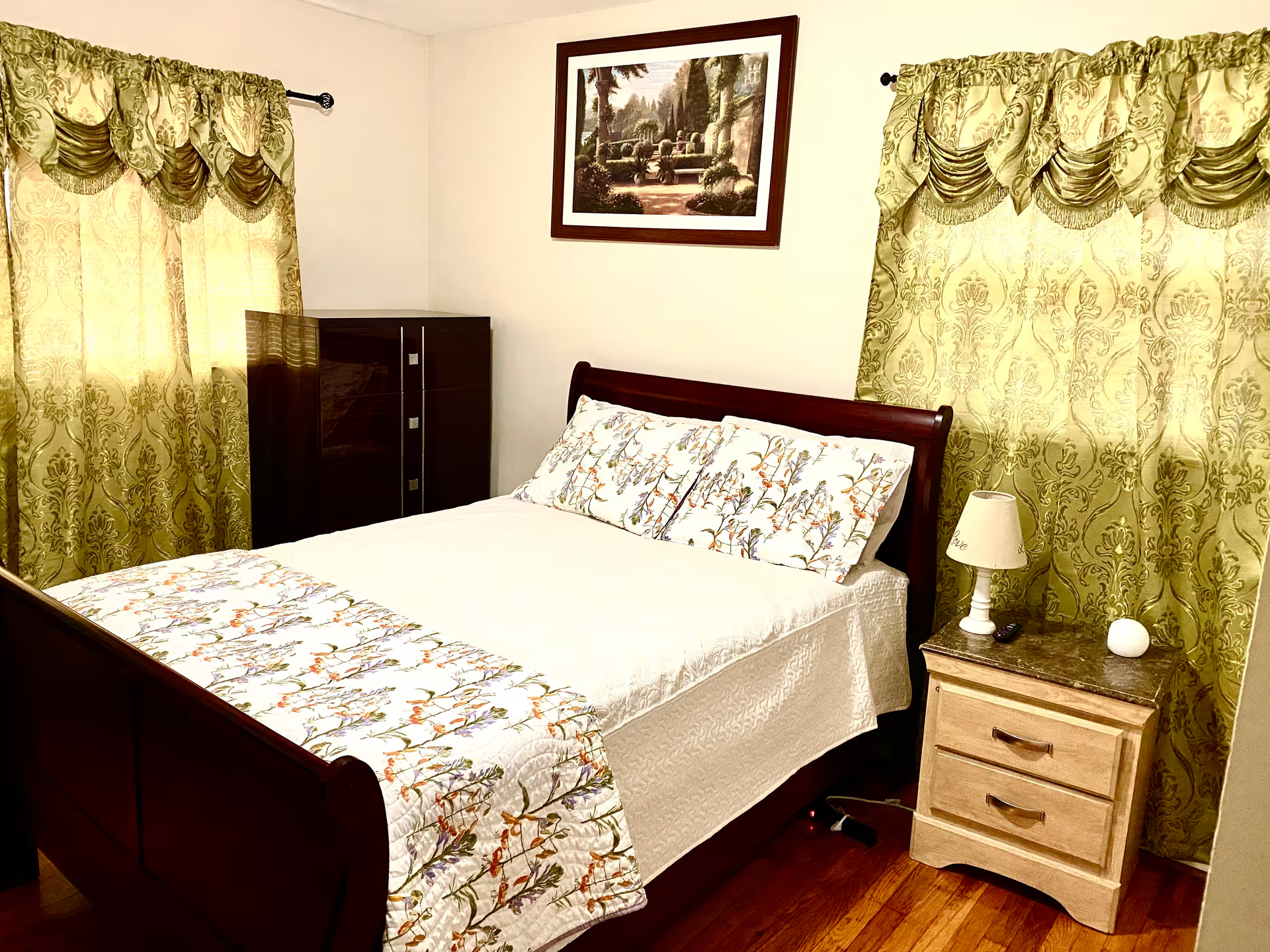
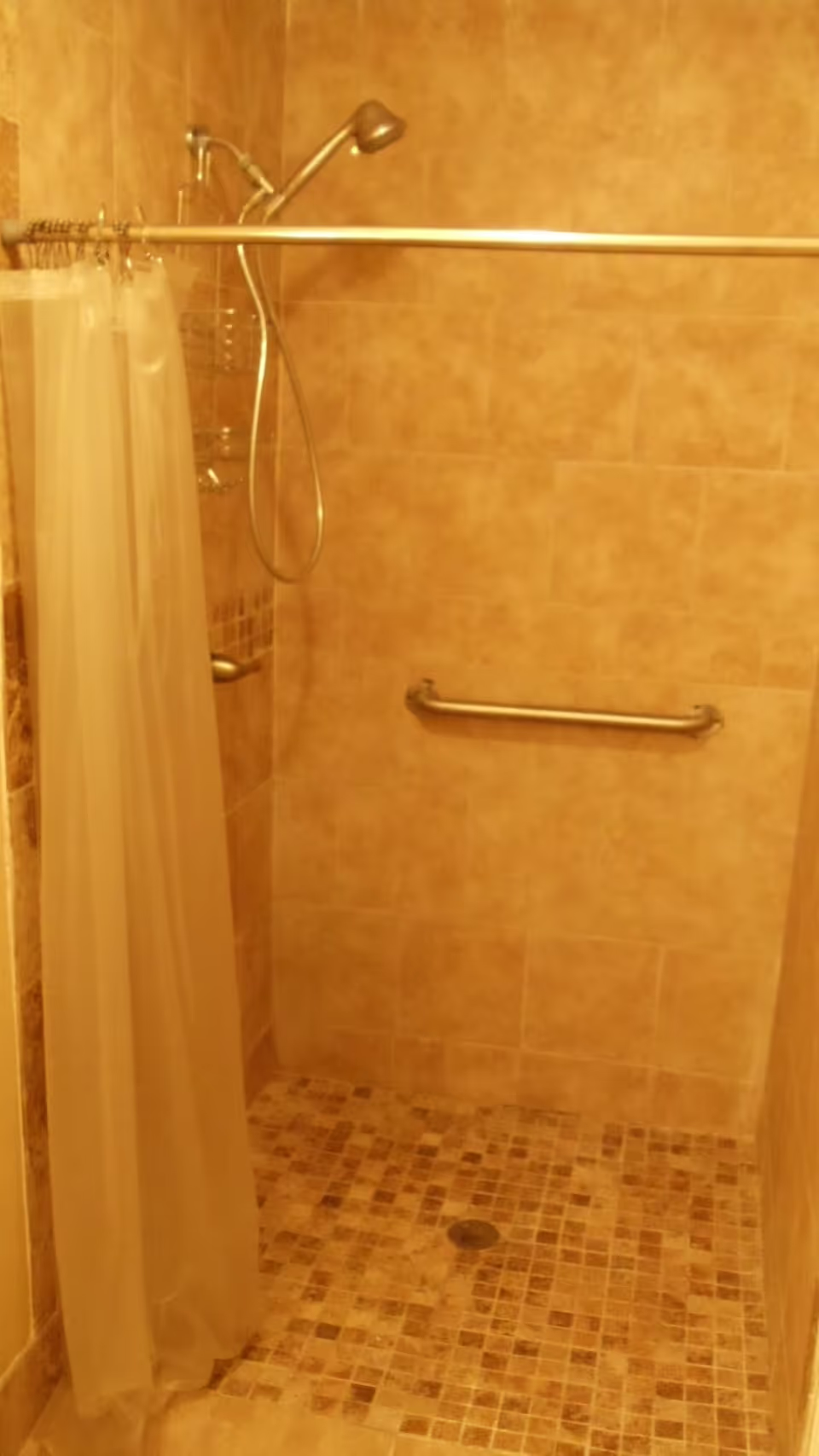
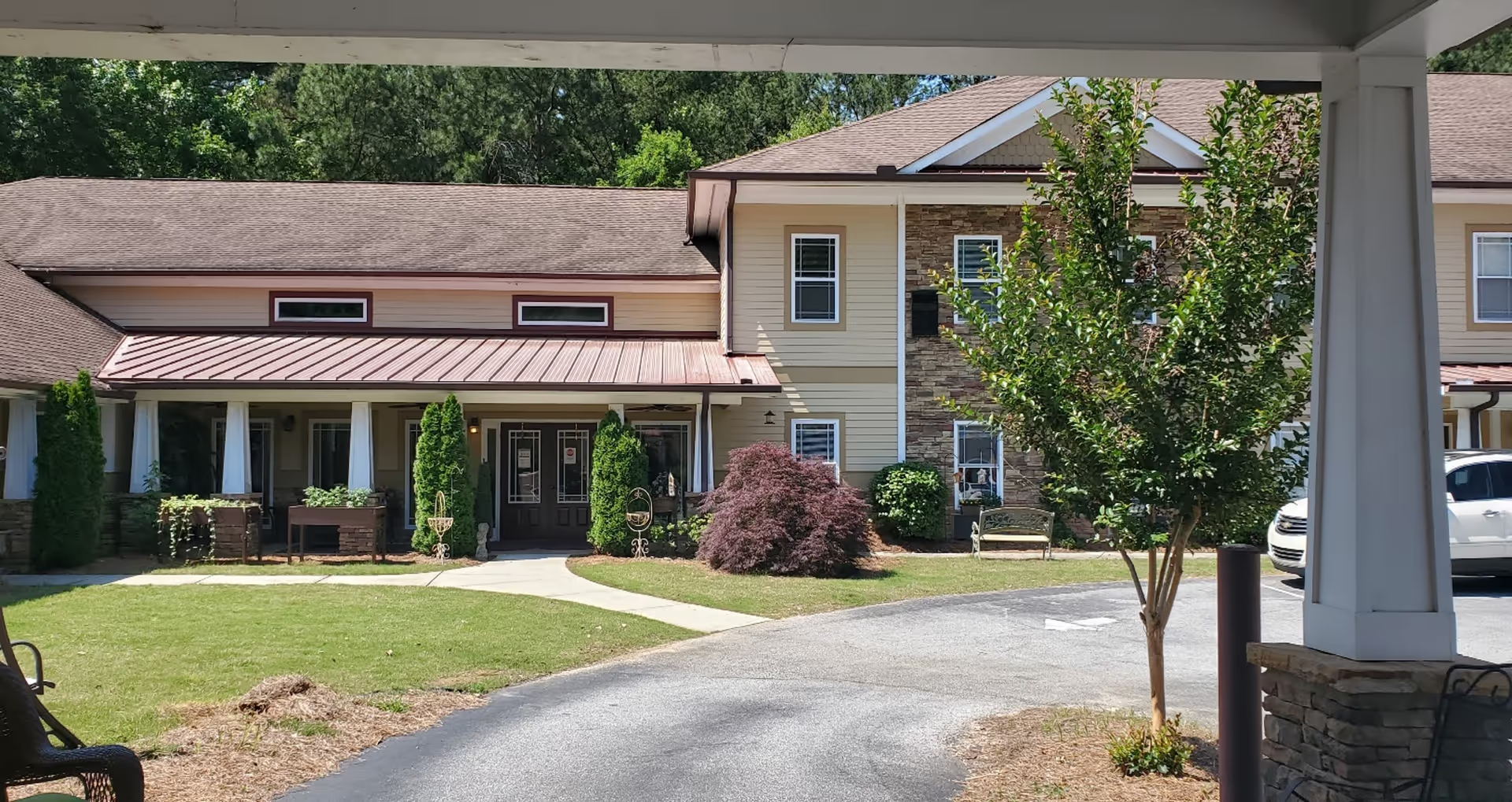
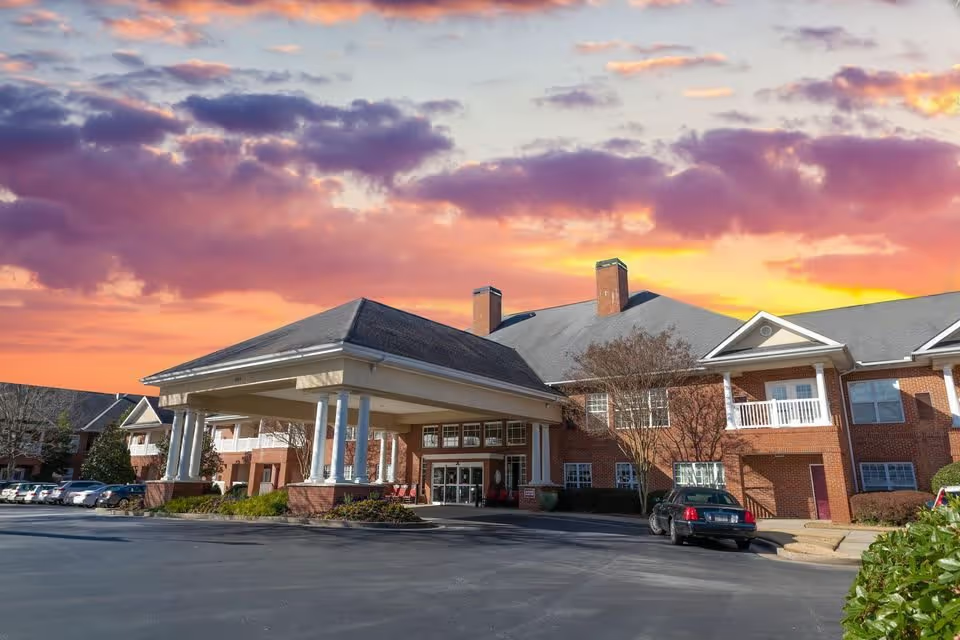
Overall impression Arbor Terrace at Burnt Hickory receives consistent praise for its caring staff, attractive environment, and robust program offerings, particularly in memory care. Many families describe a welcoming atmosphere, clean and well-decorated common areas, private apartments with good natural light, and on-site services (medical, podiatry, salon, rehabilitation) that support a continuum of needs. The community’s approach to dementia care (including Teepa-informed practices) and an active activities calendar are frequently cited as strengths that contribute to residents’ engagement and quality of life.
Care and staff Care quality is perceived positively in numerous accounts: staff who know residents by name, proactive nursing communication, routine medication and wellness checks, and individualized attention during transitions and end-of-life situations. Reviewers repeatedly highlight warm, empathetic interactions and specific team members who contribute to a family-like culture. However, a recurring operational issue is staffing instability. High turnover and variable caregiver experience create unevenness in daily care quality and in the consistency of staff empathy and responsiveness. Several families also described instances where clinical concerns required family intervention to secure action; this points to gaps in incident response protocols and family communication in some situations.
Dining and nutrition Dining receives mixed feedback. Many residents and families praise the dining rooms, presentation, and the efforts of servers; others describe declines in food quality, salty dishes, small portions, and slow service during busy periods. There is evidence the culinary team has made changes (including new leadership at times), but inconsistency in meal quality and service continuity is a clear pattern. Prospective families should clarify current staffing levels in dining, menu rotation, and accommodations for special diets during tours.
Activities and memory-care programming Activity programming is a frequent positive: varied options, music, exercise, outings, and small-group engagement foster socialization. The memory-care wing is highlighted as innovative and supportive, with staff training geared toward dementia. That said, a subset of observations notes that some memory-care residents spend much of their time in apartments and that activity intensity can be limited to low-level offerings (bingo, trivia, drawing) at times. Families seeking highly active programming for specific residents should assess activity schedules and staff-to-resident ratios in memory care.
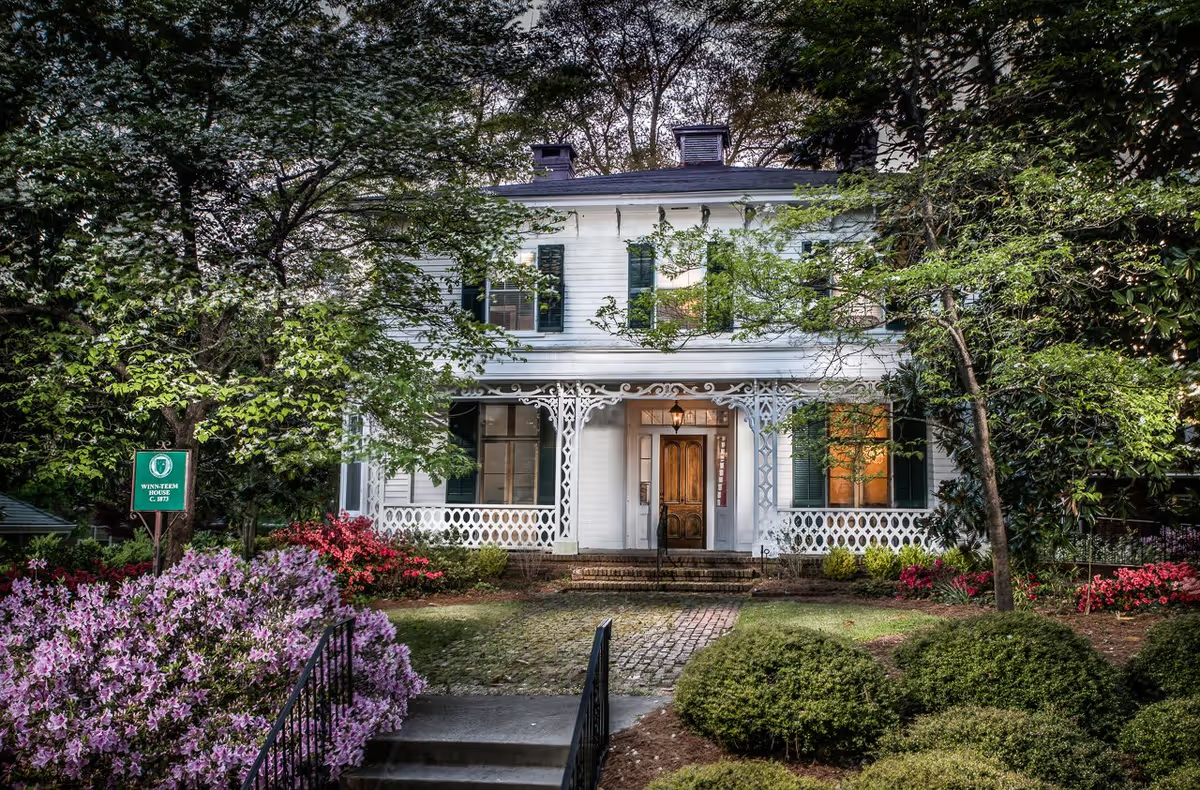
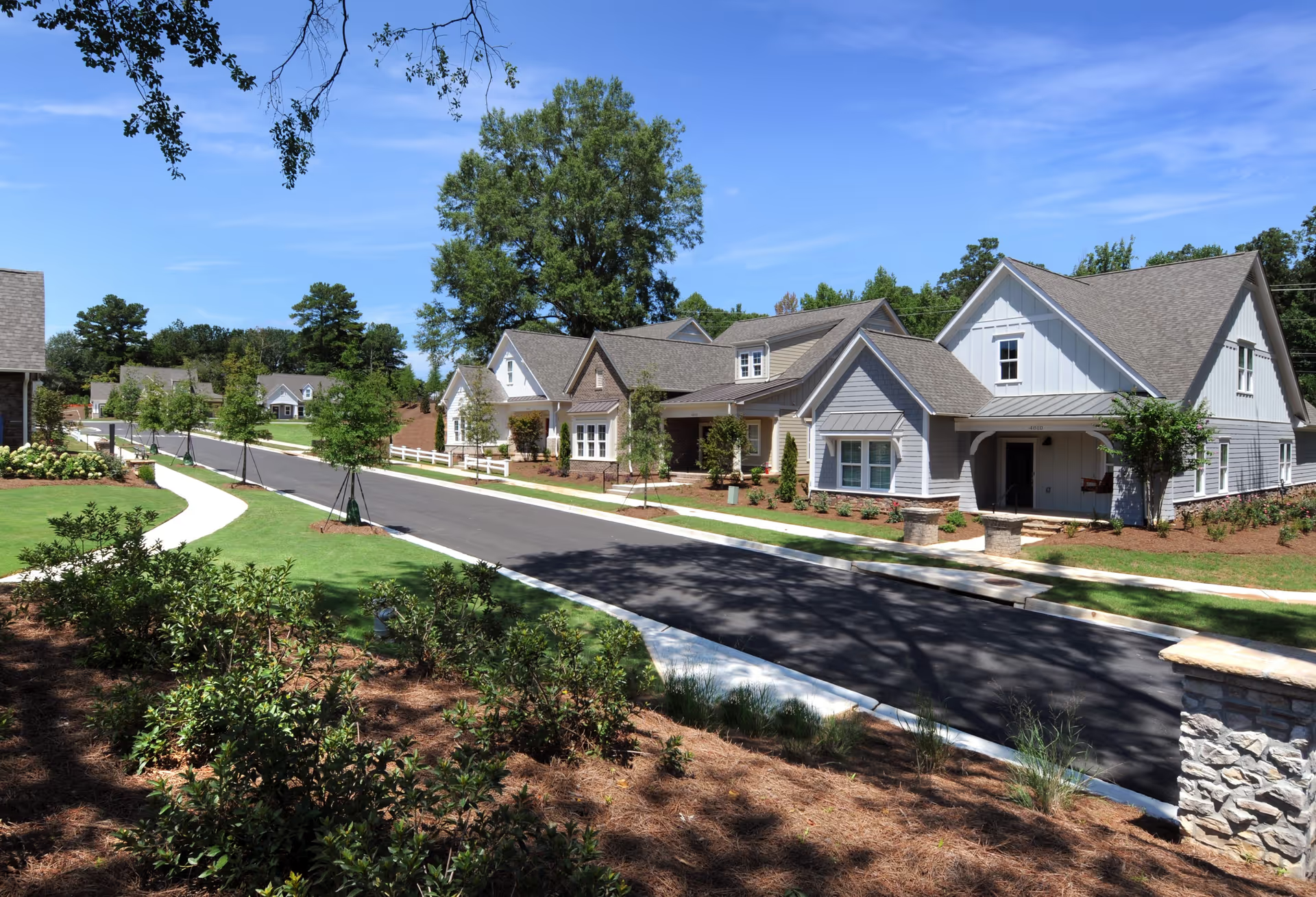
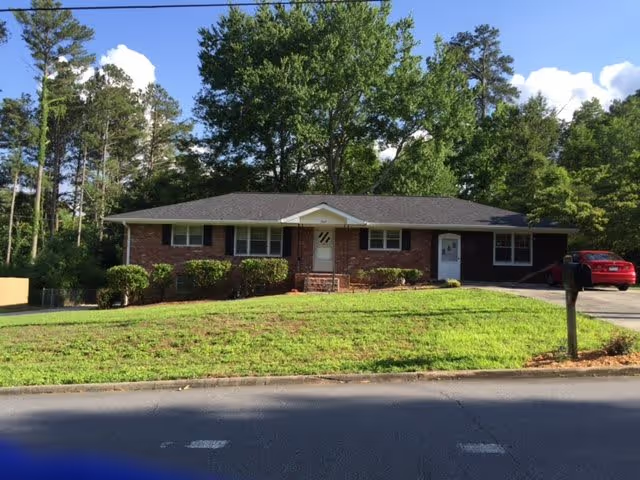
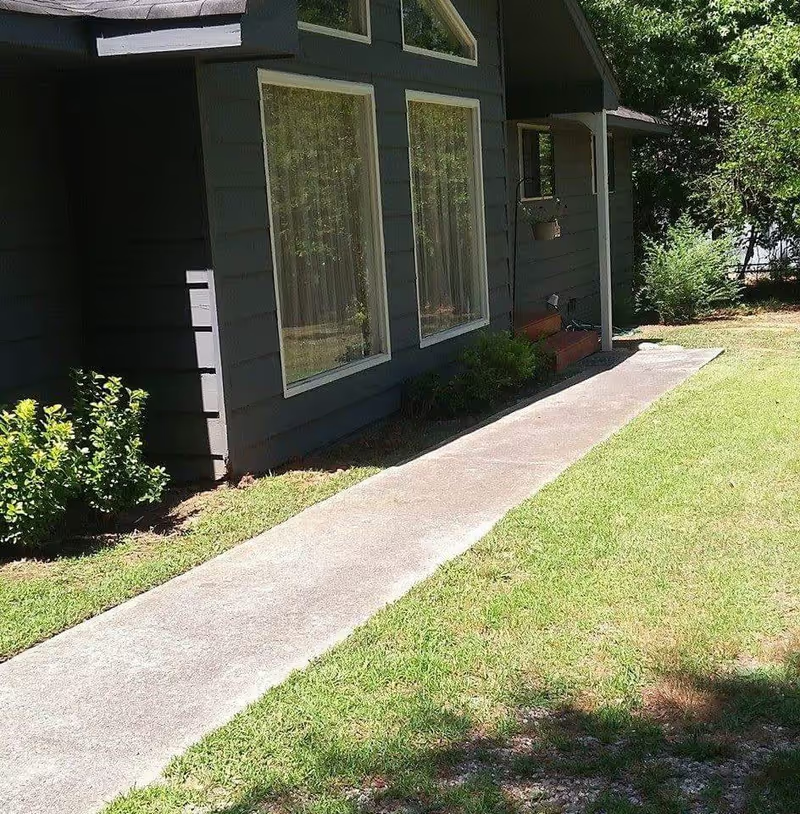
Facilities and housekeeping Physical plant and décor are strong points — bright interiors, high ceilings, and well-appointed common spaces. Many reviews note spotless rooms and nicely maintained grounds. Counterbalancing that, there are operational cleanliness and maintenance inconsistencies: areas such as the back patio, courtyard, carpets, and furniture rotation were singled out as not being consistently maintained. Prospective families may want to ask about housekeeping frequency, outdoor maintenance schedules, and how communal furnishings are managed.
Management, communication, and infection control Management and communications receive mixed marks. Several families commend attentive leadership, helpful admissions staff, and transparent communication; others describe slow follow-through when issues are raised at resident council meetings or when staffing and clinical problems occur. Infection-event management (including COVID detection and notification) has been a pain point historically for some families, though other accounts indicate strong infection-control practices and no outbreaks in certain periods. The facility has taken steps such as restoring RN coverage and strengthening med-tech oversight, which reviewers noted as safety improvements.
Notable patterns and guidance for families The dominant positive theme is staff compassion and community atmosphere; the dominant concern is operational consistency — staffing, dining, housekeeping, and management follow-through. For prospective residents and families, useful questions include: current staffing ratios and turnover rates, clinical-incident escalation protocols, dining staffing and sample menus, housekeeping and outdoor-maintenance schedules, memory-care daily engagement plans, and how the community communicates with families after incidents. Observing a mealtime and an activity session during a visit can clarify how the published strengths translate into everyday life.
Summary conclusion Arbor Terrace Burnt Hickory is frequently described as a warm, well-appointed community with strong memory-care expertise and many dedicated staff members who create a home-like environment. Those strengths are counterbalanced for some families by variability in staffing, dining, housekeeping, and management responsiveness. The community may be an excellent fit where compassionate, personalized staff support and memory-care programming are priorities, provided families vet current operational consistency during the selection process.